Artwork
Concert in the Square
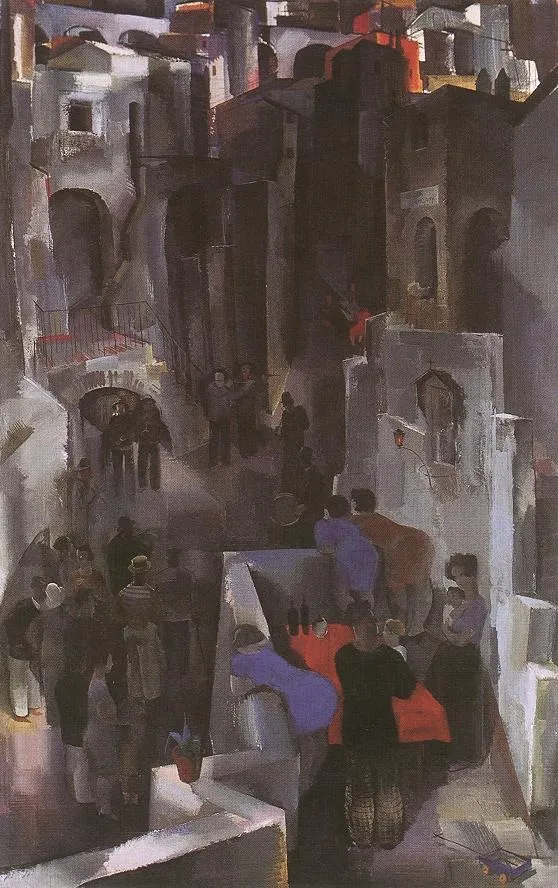
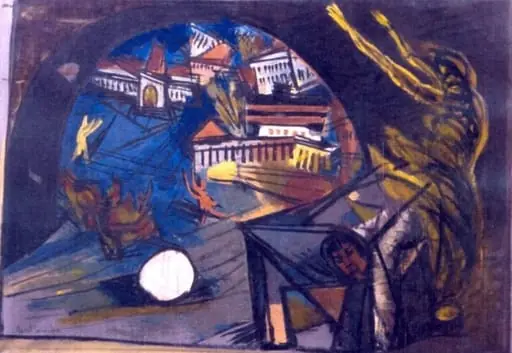
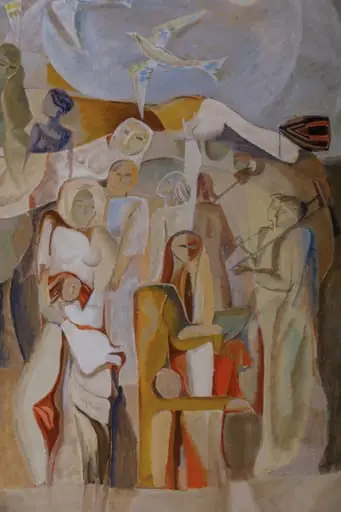
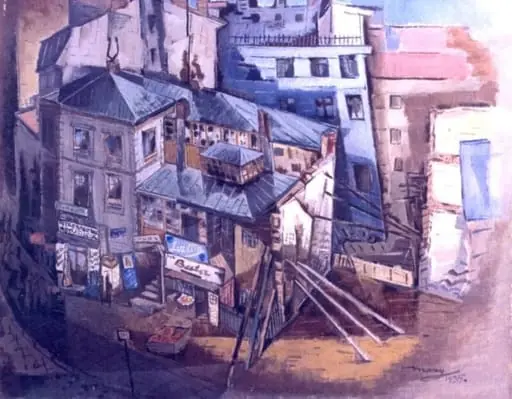
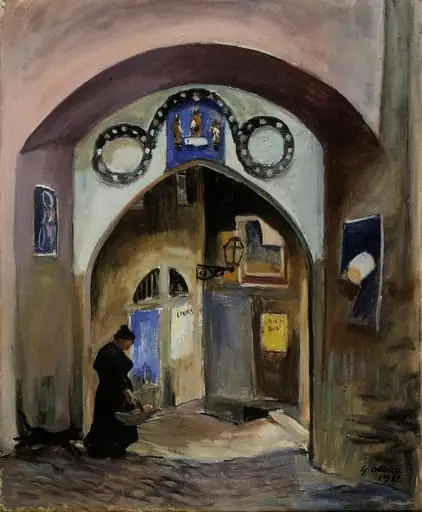
Concert in the Square is an unspecified painting by the Art Nouveau artist Vilmos Aba-Novák. It dates from 1929 and is held in the collection of the Hungarian National Gallery.
About this work
If you're interested in learning more about the artist behind this work, you might want to explore the life and career of Vilmos Aba-Novák.
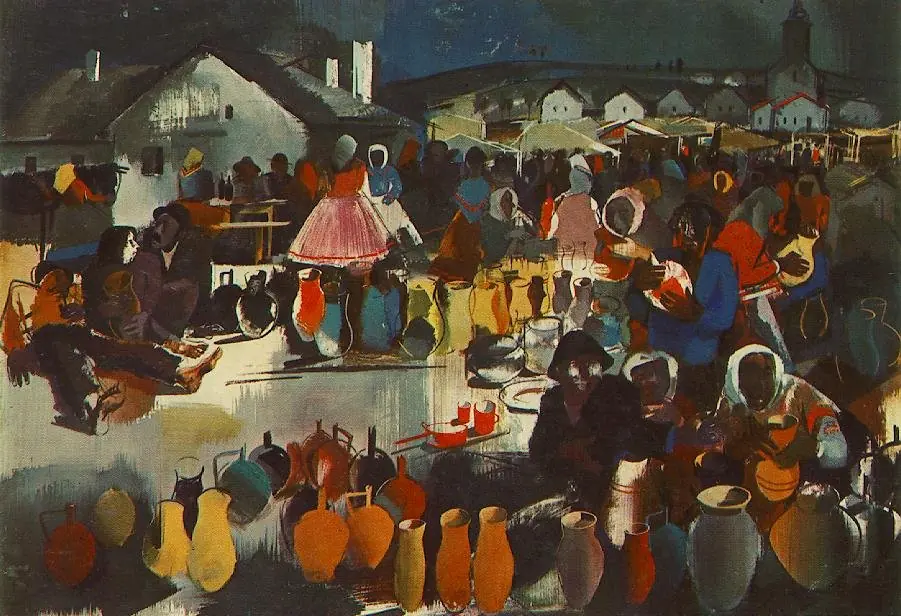
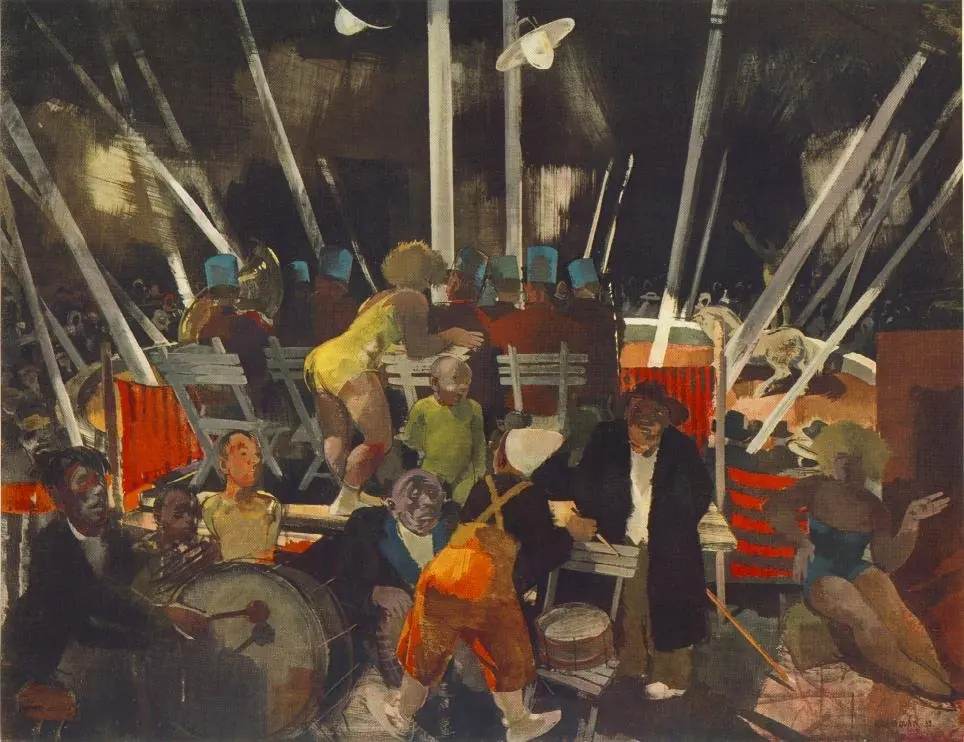
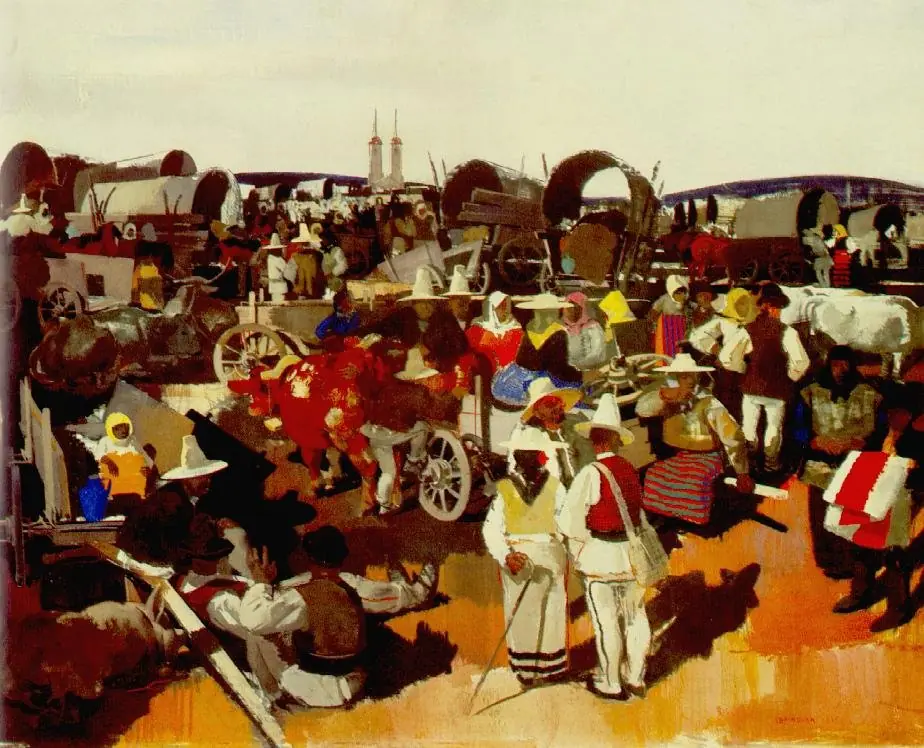
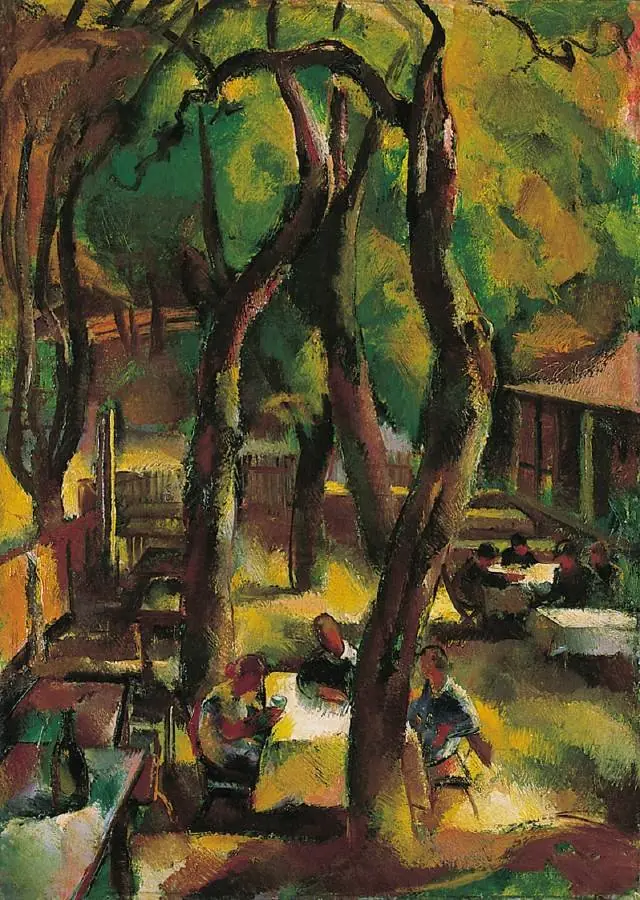
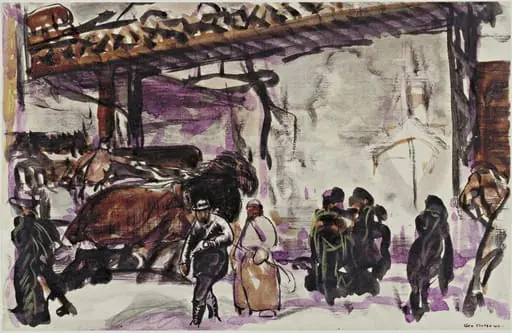
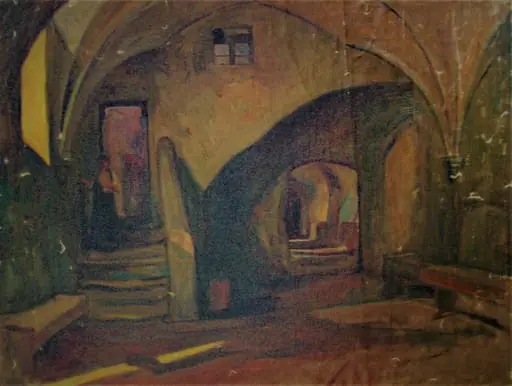
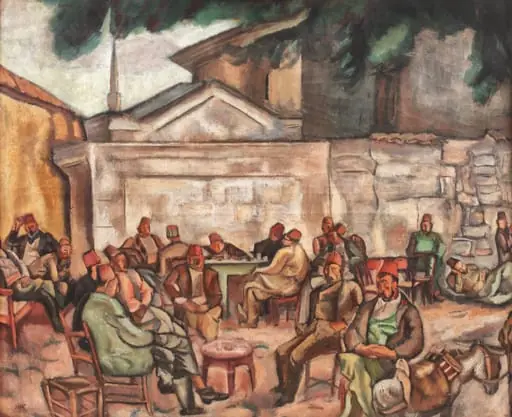
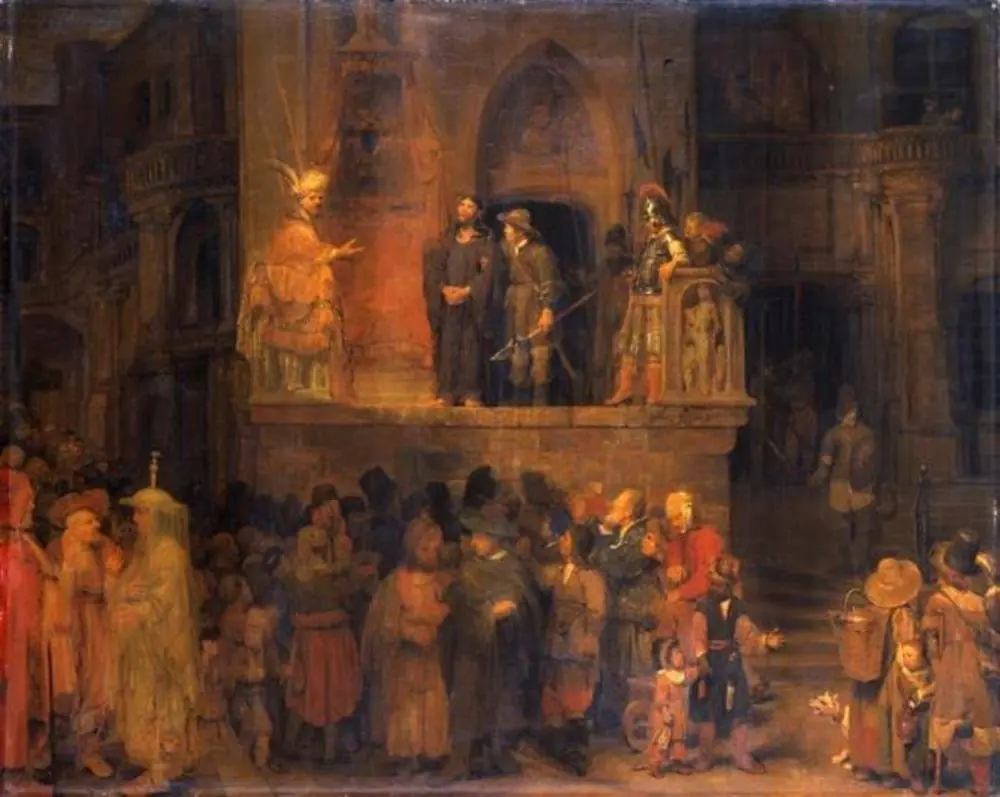
In this painting, we see a lively scene set in a square, where people are gathered to enjoy a concert. The crowd is dressed in attire typical of the early 20th century, with men in suits and hats, and women in dresses and coats. The atmosphere is one of excitement and joy, as the audience listens intently to the music.
The artist has used a range of colors to capture the mood of the scene, from the bright lights of the concert stage to the muted tones of the surrounding buildings. The brushstrokes are bold and expressive, adding to the sense of energy and movement in the painting.
If you're interested in learning more about the artist behind this work, you might want to explore the life and career of Vilmos Aba-Novák.
Overview
Vilmos Aba-Novák painted *Concert in the Square* in 1929, capturing a public musical performance in a Hungarian urban setting. As a leading figure in Hungary’s interwar art scene, he combined narrative vitality with a distinctive graphic sensibility. The work is held in the Hungarian National Gallery and reflects his broader engagement with communal life and public space, themes central to his mural and easel work alike.
Subject & Meaning
The painting depicts a diverse crowd gathered in a town square, absorbed in a live concert. Dressed in early 20th-century urban attire, the figures convey a shared moment of cultural engagement. Aba-Novák emphasizes collective experience over individual portraiture, suggesting the social role of public art and music in fostering community cohesion during a period of rapid modernization in Hungary.
Technique & Style
Aba-Novák employed bold, rhythmic brushwork and a controlled palette to animate the scene. Bright accents from the stage contrast with the subdued architecture, directing focus to the performers while grounding the composition in its urban context. His approach blends expressive linearity with flattened spatial depth, reflecting influences from both modernist trends and traditional Hungarian folk art.
History & Provenance
Completed in 1929, the painting entered the collection of the Hungarian National Gallery shortly after its creation. It was produced during a period when Aba-Novák was actively commissioned for large-scale public murals, including those in Szeged and Budapest. While less monumental than his frescoes, this easel work retains the same interest in civic life and public ritual that defined his state-supported projects.
Context
In late 1920s Hungary, urban culture was expanding, and public concerts became symbols of civic pride and modern identity. Aba-Novák’s depiction aligns with broader European efforts to portray everyday social life with dignity and energy. His work responded to state initiatives promoting national art that celebrated common experiences, distinguishing itself from avant-garde abstraction by embracing accessible realism.
Legacy
Though Aba-Novák is best known for his murals, *Concert in the Square* remains a key example of his ability to translate public spectacle into intimate, dynamic composition. It influenced later Hungarian painters seeking to document social life without idealization. The painting endures as a quiet testament to the cultural rhythms of interwar Hungarian towns, preserved in the national collection as a record of ordinary moments made significant through art.
Artist & collection
Artist
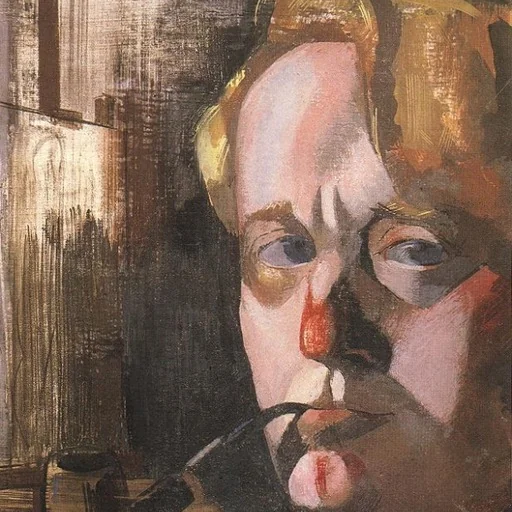
Vilmos Aba-Novák (Hungarian: Aba-Novák Vilmos, until 1912: Hungarian: Novák Vilmos; March 15, 1894 – September 29, 1941) was a Hungarian painter and graphic artist.