Artwork
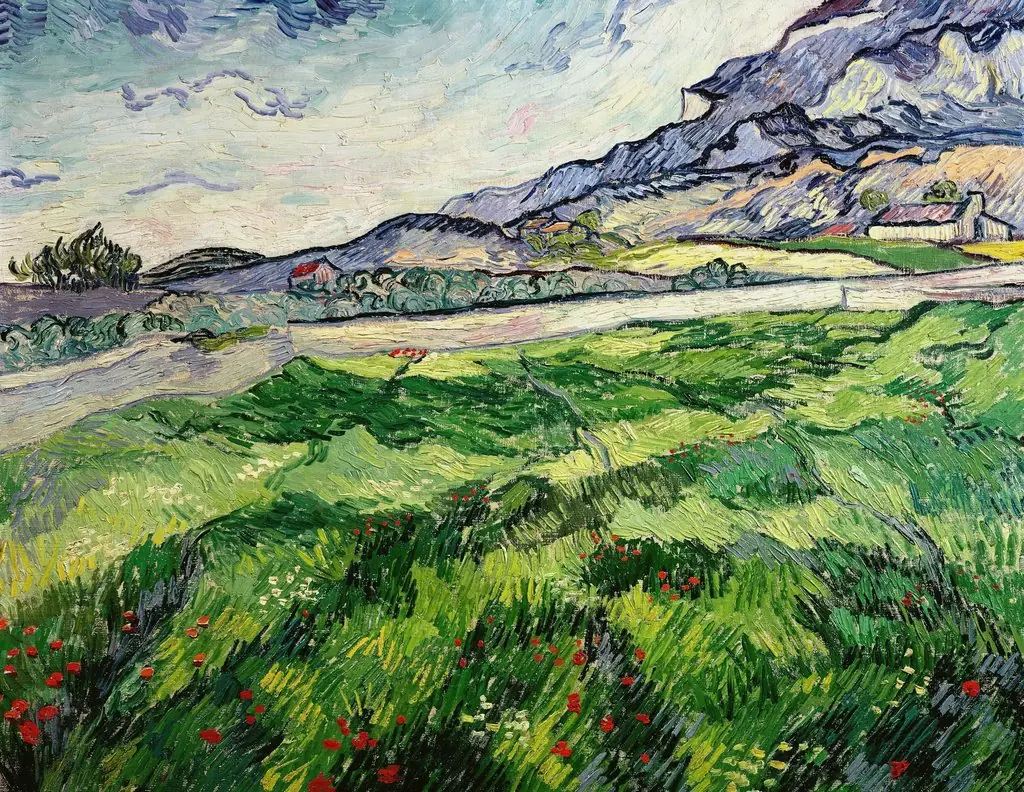
Edge of a wheat field with poppies
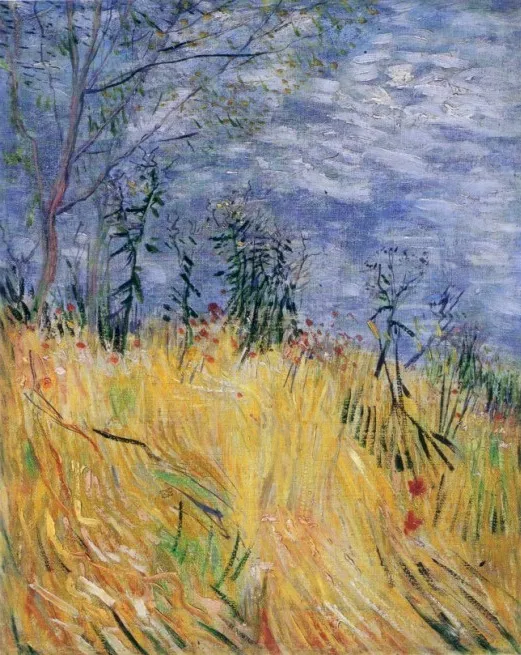
Edge of a wheat field with poppies is an unspecified painting by the Post-Impressionist artist Vincent van Gogh. It is held in the collection of the Denver Art Museum.
About this work
Overview
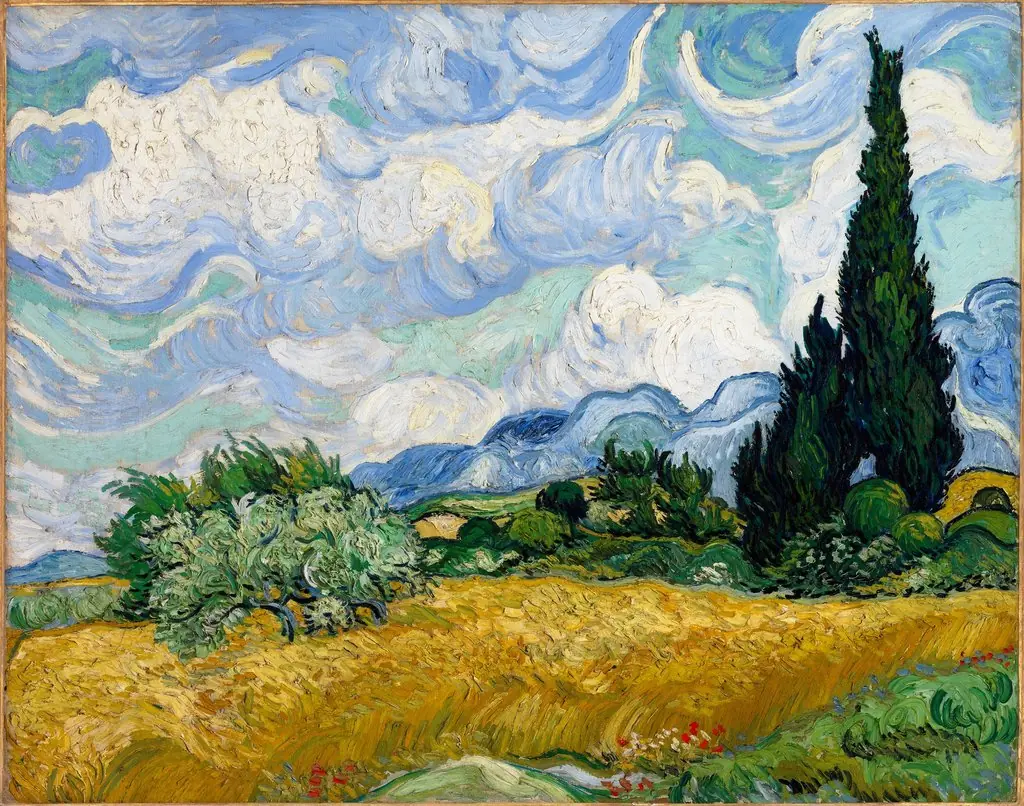
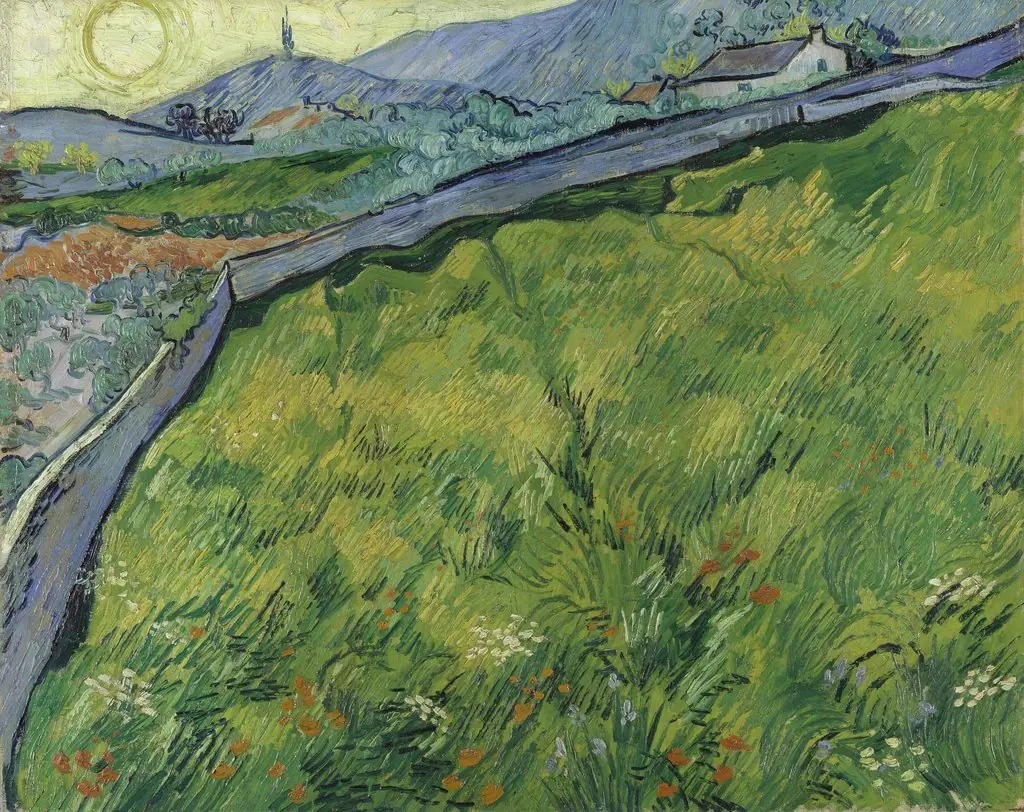
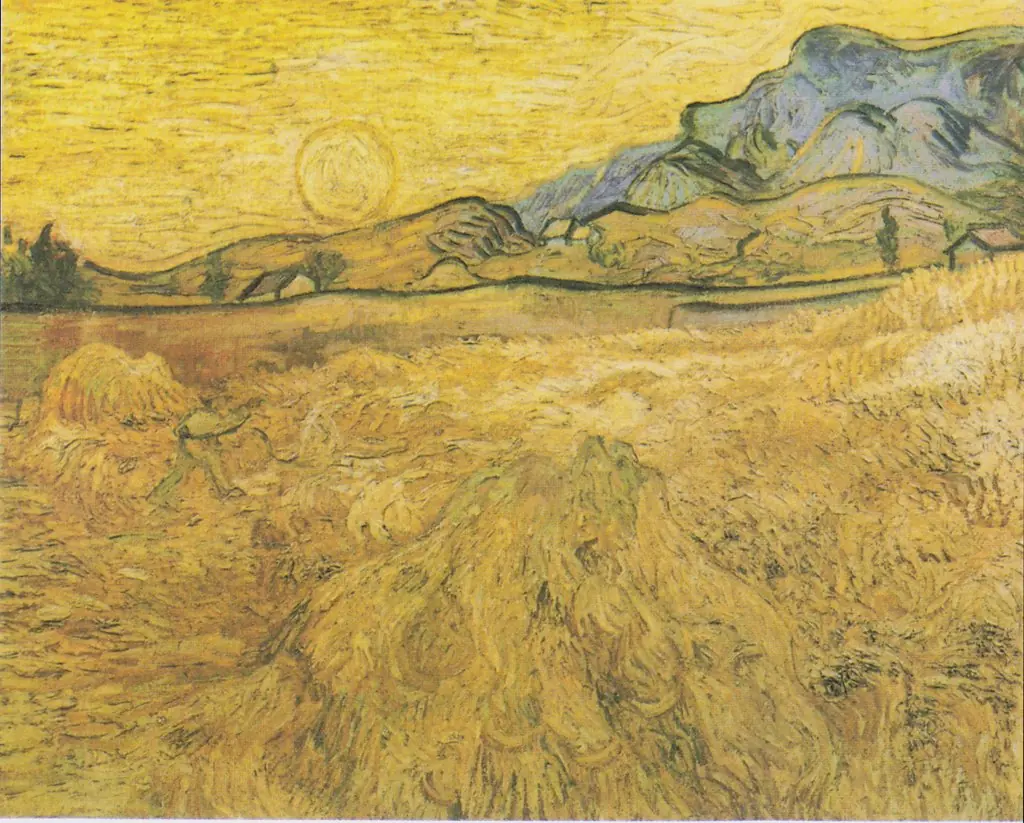
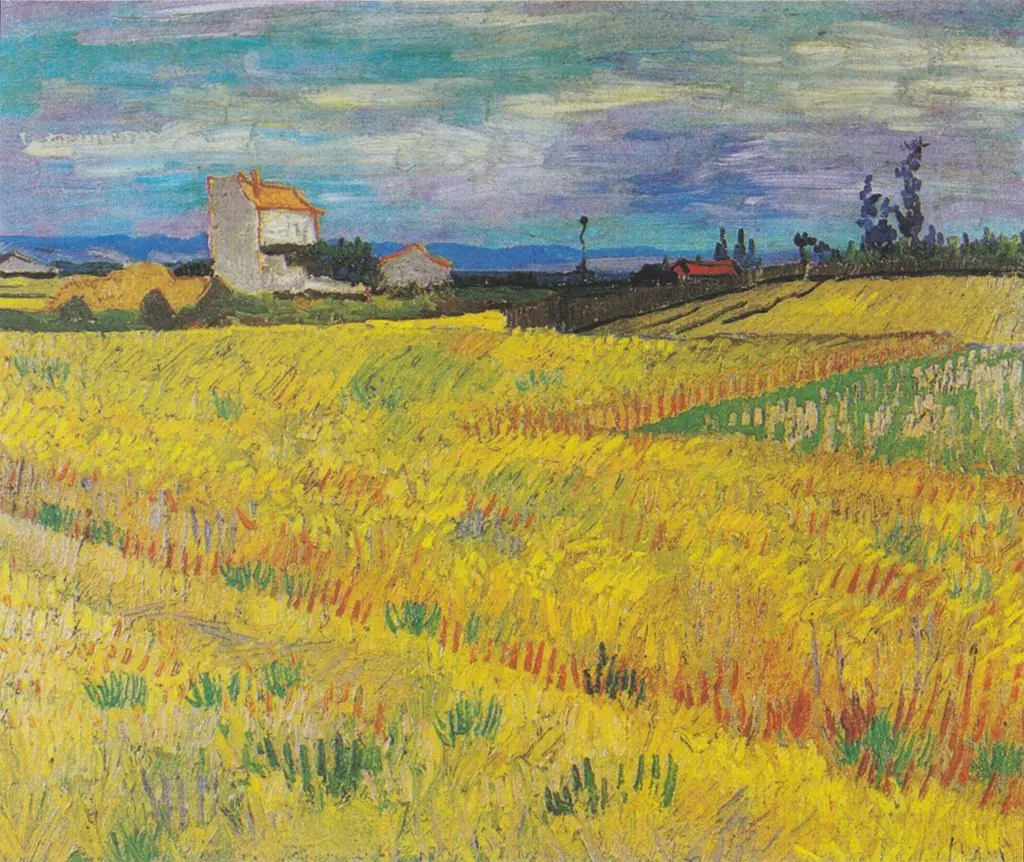
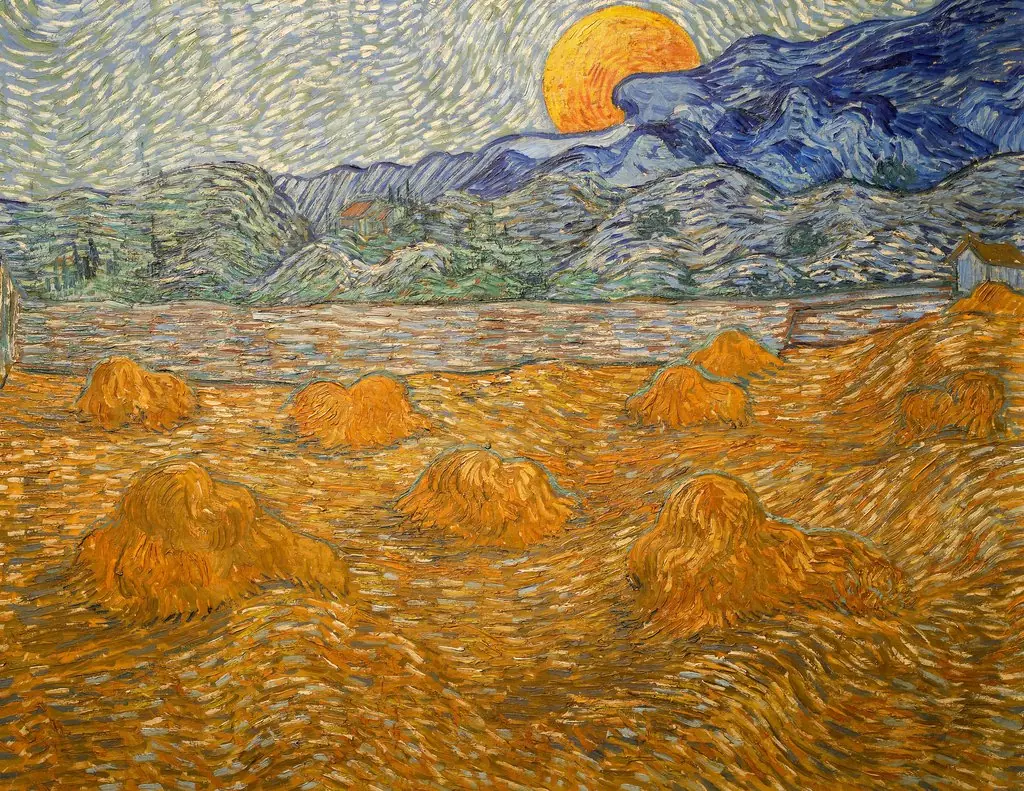
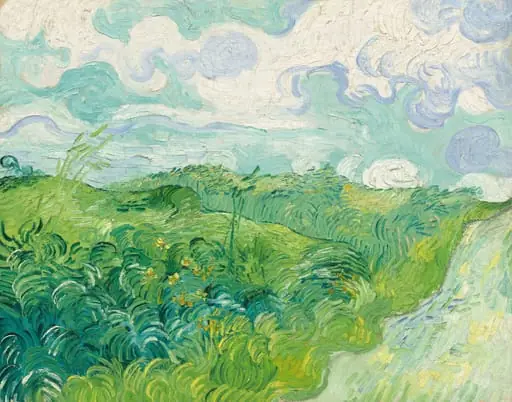
Created in 1894, this oil painting by Vincent van Gogh captures a rural scene where a wheat field meets a cluster of bright red poppies. The composition balances the warm tones of the harvest with the cooler blues of the sky, while a few solitary trees provide a sense of distance and structure. The work is part of the collection at the Denver Art Museum.
Subject & Meaning
The canvas foregrounds Papaver rhoeas, the common poppy, set against a sea of ripening wheat. By juxtaposing the fleeting, delicate flowers with the sturdy, abundant grain, van Gogh hints at the contrast between transience and continuity in the agrarian landscape, a theme that recurs in his late Dutch period.
Technique & Style
Van Gogh employs vigorous, impasto brushwork that leaves a palpable texture across the surface. Thick, swirling strokes render the wheat’s golden hue, while the poppies emerge in saturated reds. The sky is rendered in a soft, pale blue, punctuated by loose, white cloud forms, creating a dynamic yet harmonious visual rhythm.
History & Provenance
After its completion in 1894, the painting entered private collections before being acquired by the Denver Art Museum, where it remains on display. Its provenance reflects the growing appreciation for van Gogh’s late works during the early twentieth century, as institutions began to recognize his contribution to modern landscape painting.
Artist & collection
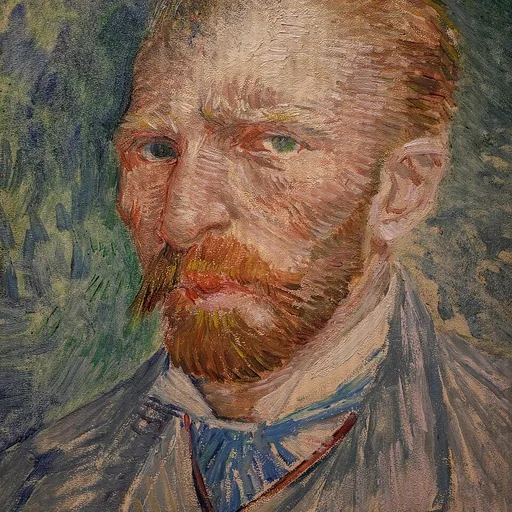
Artist
Vincent Willem van Gogh was a Dutch Post-Impressionist painter who is among the most famous and influential figures in the history of Western art.