Artwork
Wheat Field with Reaper and Sun
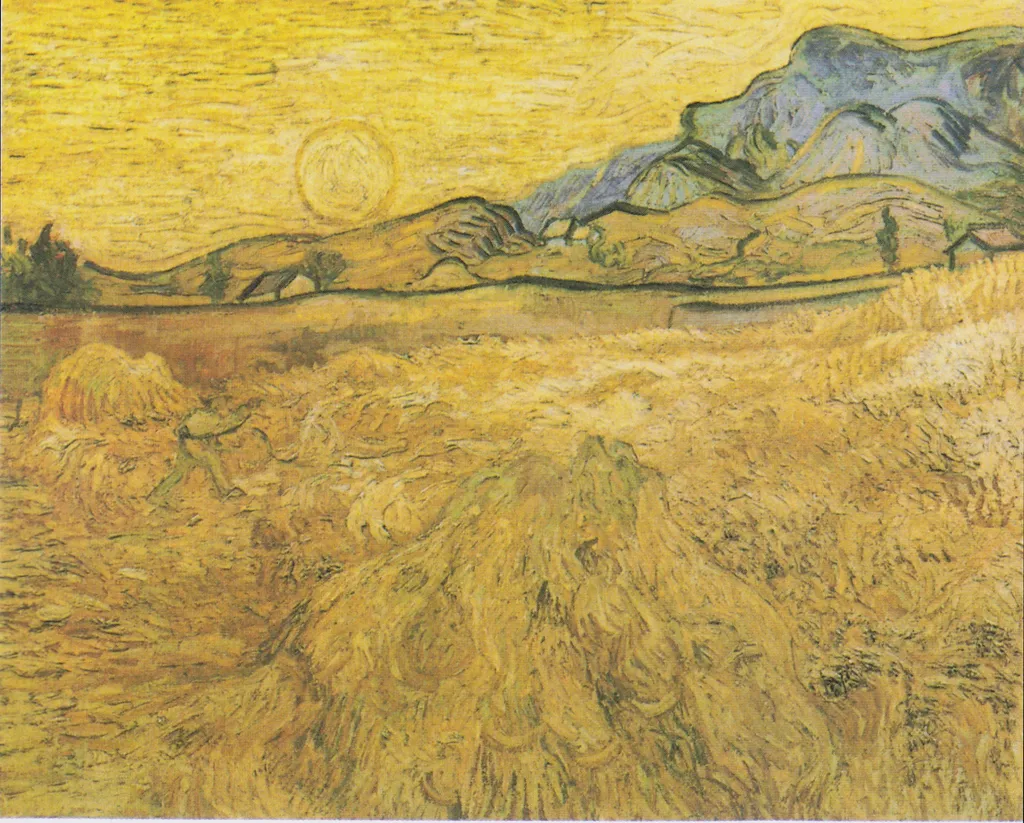
Wheat Field with Reaper and Sun is an oil painting by the Post-Impressionist artist Vincent van Gogh. It dates from 1889 and is held in the collection of the Kröller-Müller Museum.
About this work
Overview
Painted in 1889, Wheat Field with Reaper and Sun is an oil work by Vincent van Gogh, capturing a rural landscape in southern France.
Painted in 1889, Wheat Field with Reaper and Sun is an oil work by Vincent van Gogh, capturing a rural landscape in southern France. The scene centers on a solitary reaper amid a golden wheat field, under a radiant sun. Its composition is dominated by warm hues and energetic brushwork, reflecting van Gogh’s intense engagement with the natural world during his time at Saint-Rémy. The painting is now part of the Kröller-Müller Museum’s collection in the Netherlands.
Subject & Meaning
The reaper, a figure often associated with death in art, moves through the ripe wheat, suggesting the cycle of life and labor. Van Gogh linked this imagery to the inevitability of mortality, yet the vibrant sun and lush field convey a sense of renewal. Rather than a somber scene, the painting balances human toil with nature’s enduring rhythm, reflecting van Gogh’s contemplative state during his final years.
Technique & Style
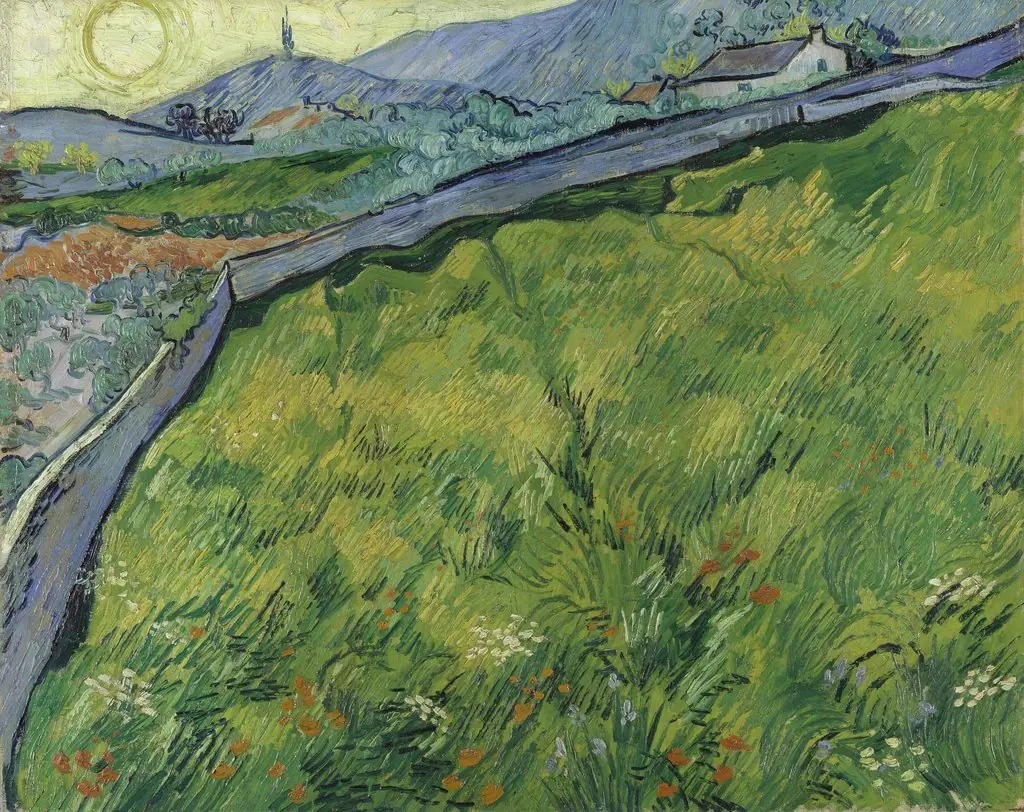
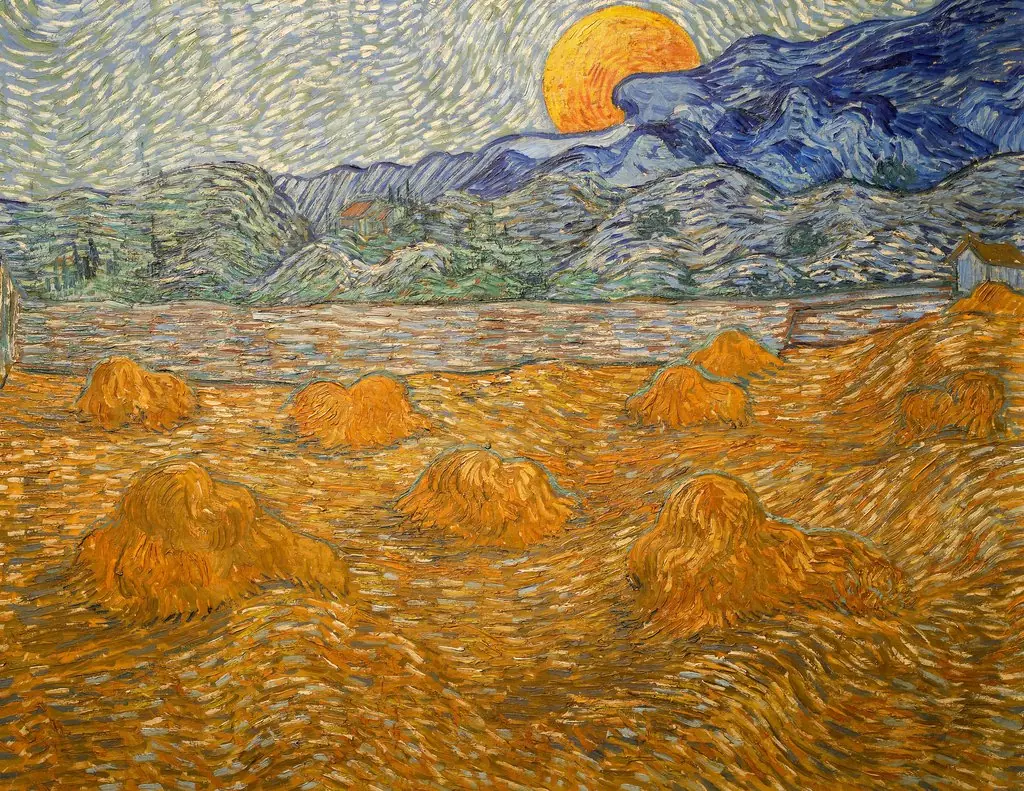
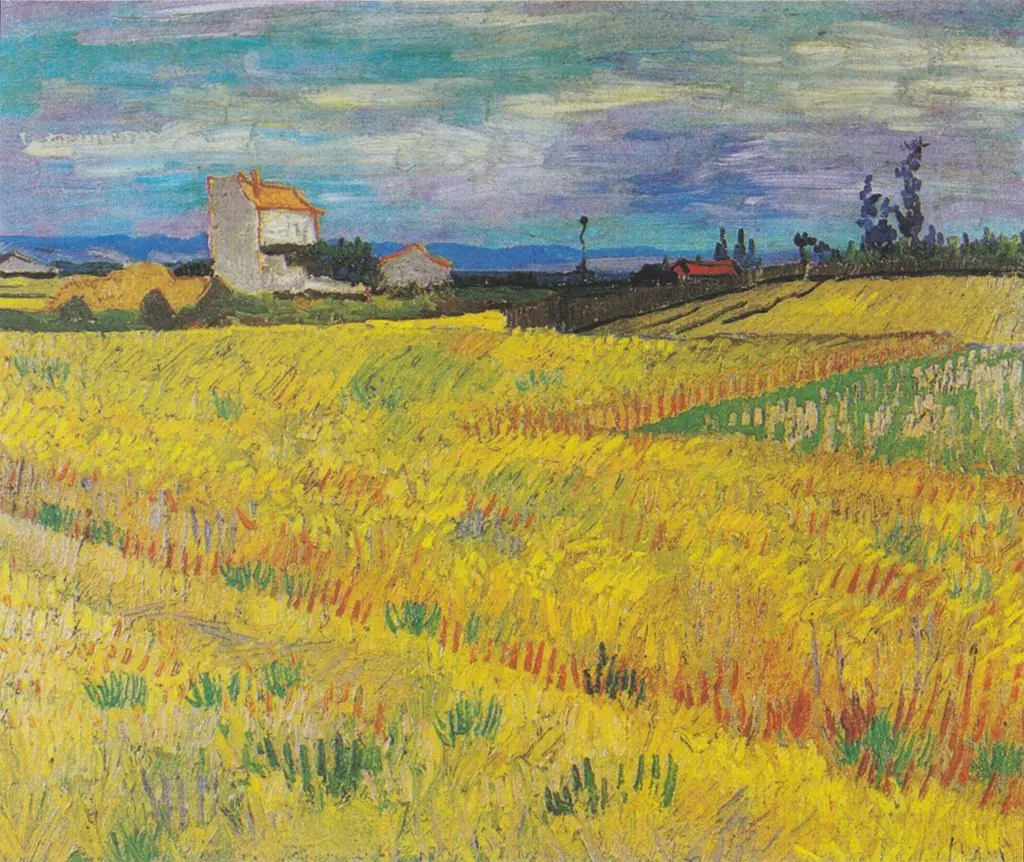
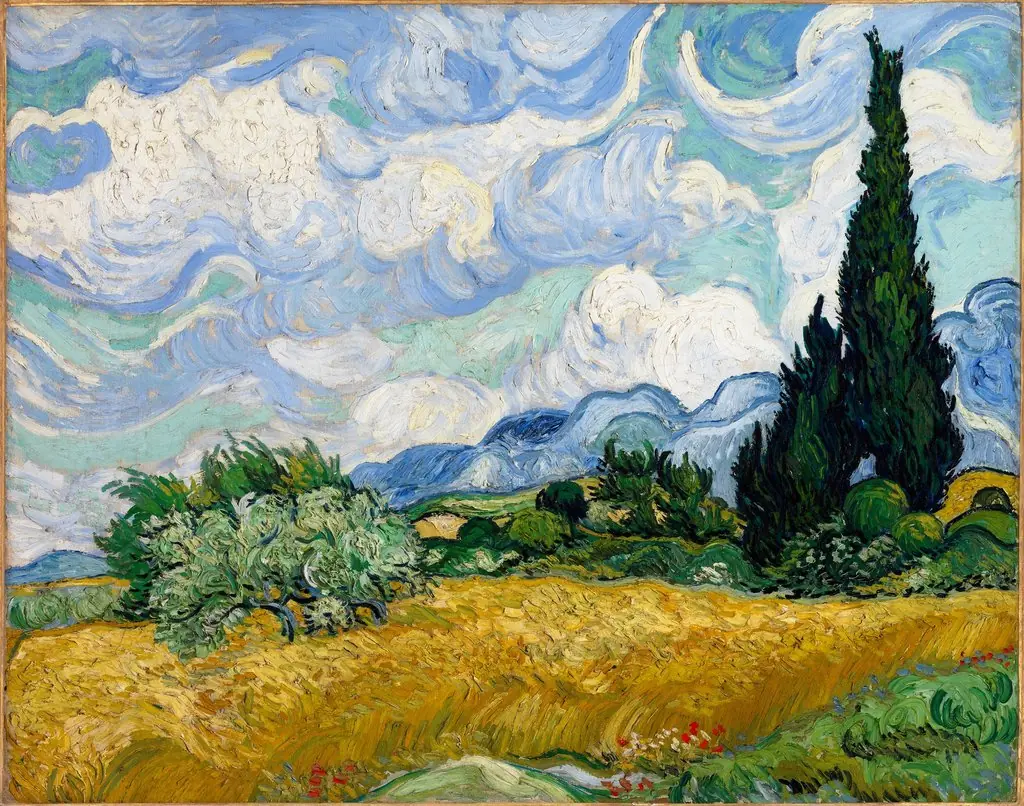
Van Gogh applied thick, directional strokes of oil paint to build texture and movement across the field and sky. The palette is dominated by yellows and ochres, accented with muted greens and browns, creating a luminous, almost vibrating effect. The sun, rendered as a bold disc, radiates through the composition, its light echoed in the undulating wheat. His brushwork conveys both physical energy and emotional urgency.
History & Provenance
Created during van Gogh’s stay at the asylum in Saint-Rémy-de-Provence, the painting was made shortly before his departure from the region in 1890. It remained in private hands until acquired by Helene Kröller-Müller in the early 20th century. She built one of Europe’s most significant collections of van Gogh’s works, and this painting has been held by the Kröller-Müller Museum since its founding.
Context
Van Gogh painted this during a period of intense productivity despite mental distress. He was deeply influenced by the rhythms of agricultural life and often drew parallels between harvesting and human existence. His letters reveal his fascination with the symbolism of the reaper, which he saw as both a literal laborer and a metaphor for death, rendered not with dread but with solemn dignity.
Legacy
The painting exemplifies van Gogh’s mature style, where color and brushwork convey emotional depth beyond literal representation. It remains a key example of his late work, illustrating how he transformed everyday rural scenes into meditations on life and mortality. Its presence in the Kröller-Müller Museum ensures continued scholarly and public engagement with his vision of nature as both physical and spiritual.
Artist & collection
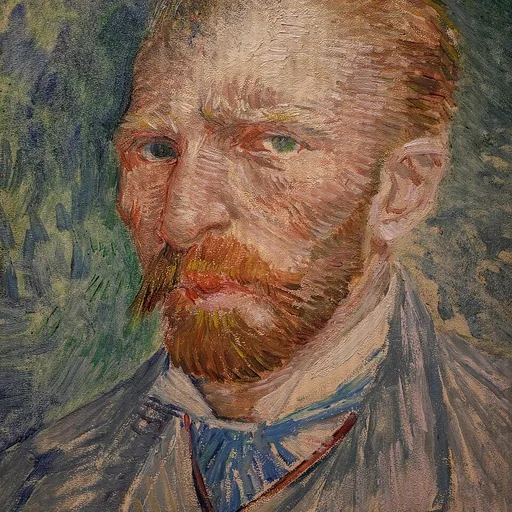
Artist
Vincent Willem van Gogh was a Dutch Post-Impressionist painter who is among the most famous and influential figures in the history of Western art.