Artwork
Landscape with wheat sheaves and rising moon
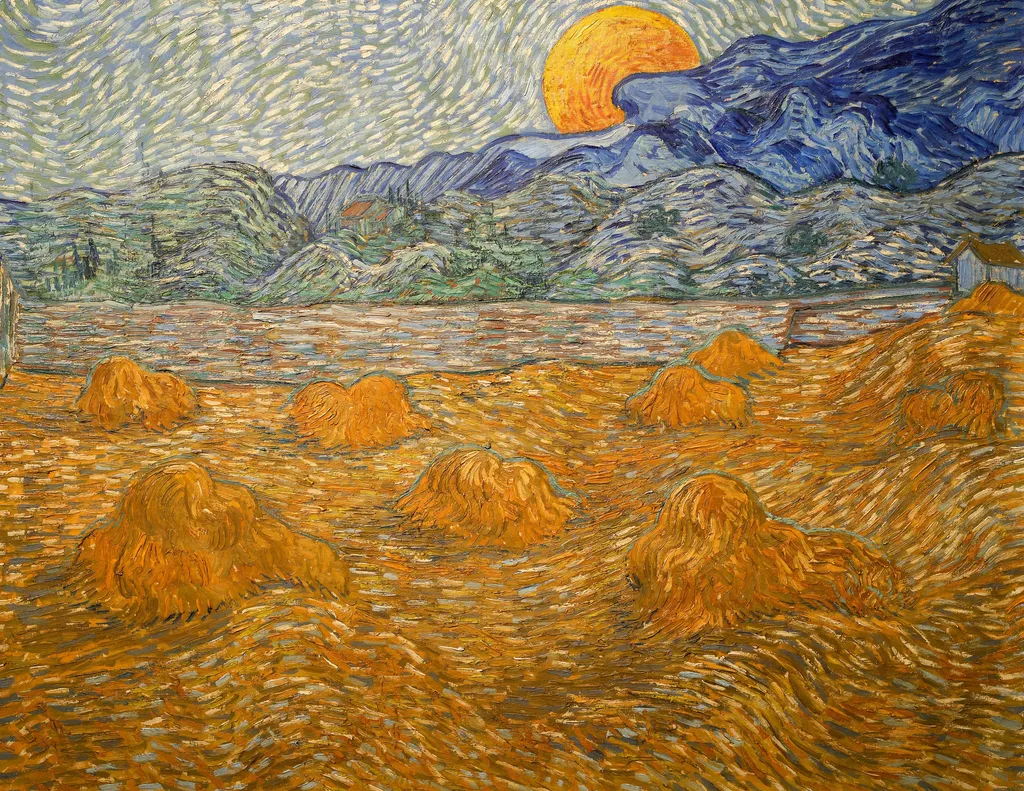
Landscape with wheat sheaves and rising moon is an oil painting by the Post-Impressionist artist Vincent van Gogh. It dates from 1889 and is held in the collection of the Kröller-Müller Museum. Painted in 1889, this oil-on-canvas work depicts a quiet rural scene at twilight.
About this work
Overview
Painted in 1889, this oil-on-canvas work depicts a quiet rural scene at twilight. Vincent van Gogh captured a field of harvested wheat, arranged in upright sheaves, beneath a luminous moon. The composition balances earth and sky with a sense of stillness, emphasizing the transition from day to night through color and light. It resides today in the Kröller-Müller Museum in the Netherlands.
Subject & Meaning
The painting centers on the agricultural cycle—wheat sheaves, symbols of harvest and labor, rest under the quiet gaze of a rising moon. Van Gogh often associated such scenes with themes of endurance and renewal. The absence of human figures invites contemplation, suggesting a connection between the land and the celestial rhythm, a recurring motif in his later works.
Technique & Style
Van Gogh applied thick, textured strokes of oil paint to build form and movement across the field and sky. The golden wheat sheaves and warm yellow field contrast with the pale blue of the twilight atmosphere and the bright yellow moon. His brushwork is energetic yet deliberate, creating a tactile surface that animates the stillness of the scene without disrupting its calm mood.
History & Provenance
Created during van Gogh’s stay at the asylum in Saint-Rémy, the painting was likely made outdoors, as were many of his works from this period. It entered the Kröller-Müller collection in the early 20th century through the acquisitions of Helene Kröller-Müller, who systematically gathered his paintings. The work has remained in the museum’s holdings since its acquisition.
Context
This piece belongs to a series of landscapes van Gogh painted in 1889, responding to the fields surrounding Saint-Rémy. He was deeply influenced by the rhythms of nature and the emotional resonance of rural life. During this time, he produced over 150 paintings, many of which explored the interplay of light, color, and the cyclical nature of the seasons.
Legacy
The painting exemplifies van Gogh’s mature style, where emotional intensity is conveyed through color and texture rather than narrative detail. It contributed to the broader recognition of his vision in the decades after his death, particularly among collectors and institutions committed to modern art. Today, it remains a key example of his late-period landscape work.
Own this work as a print
Artist & collection
Artist
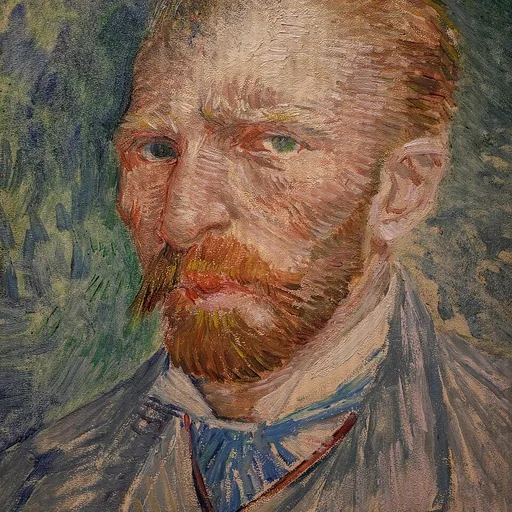
Vincent Willem van Gogh was a Dutch Post-Impressionist painter who is among the most famous and influential figures in the history of Western art.

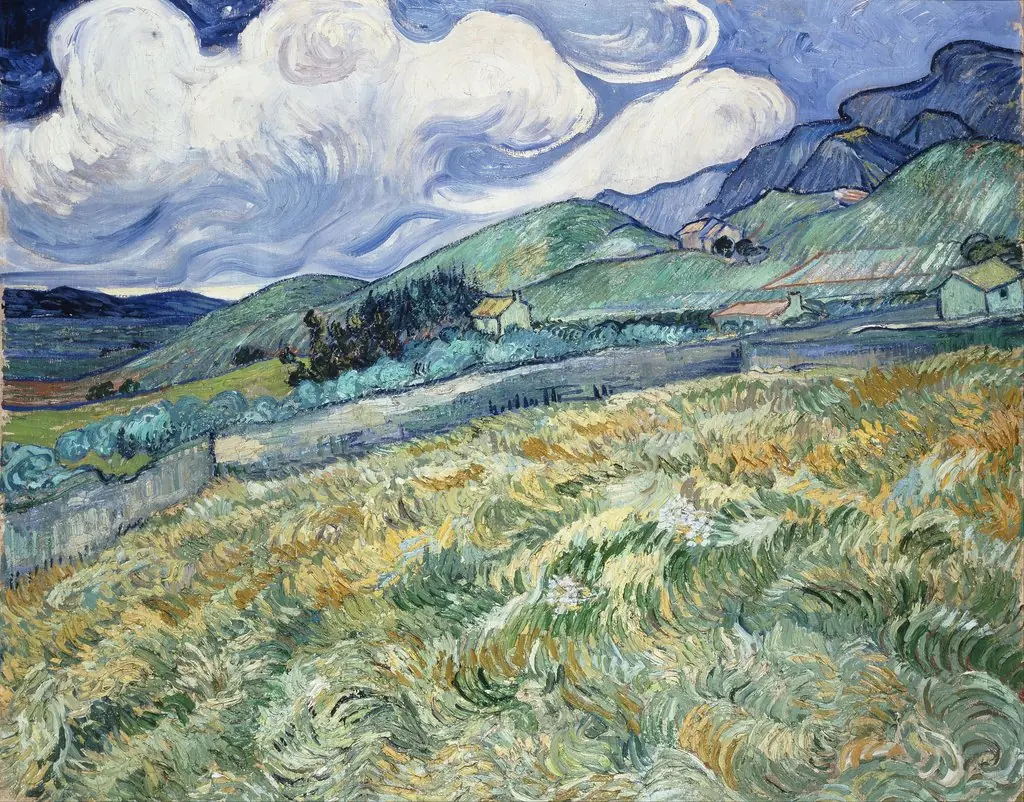 Mountainous Landscape Behind Saint-Paul Hospital
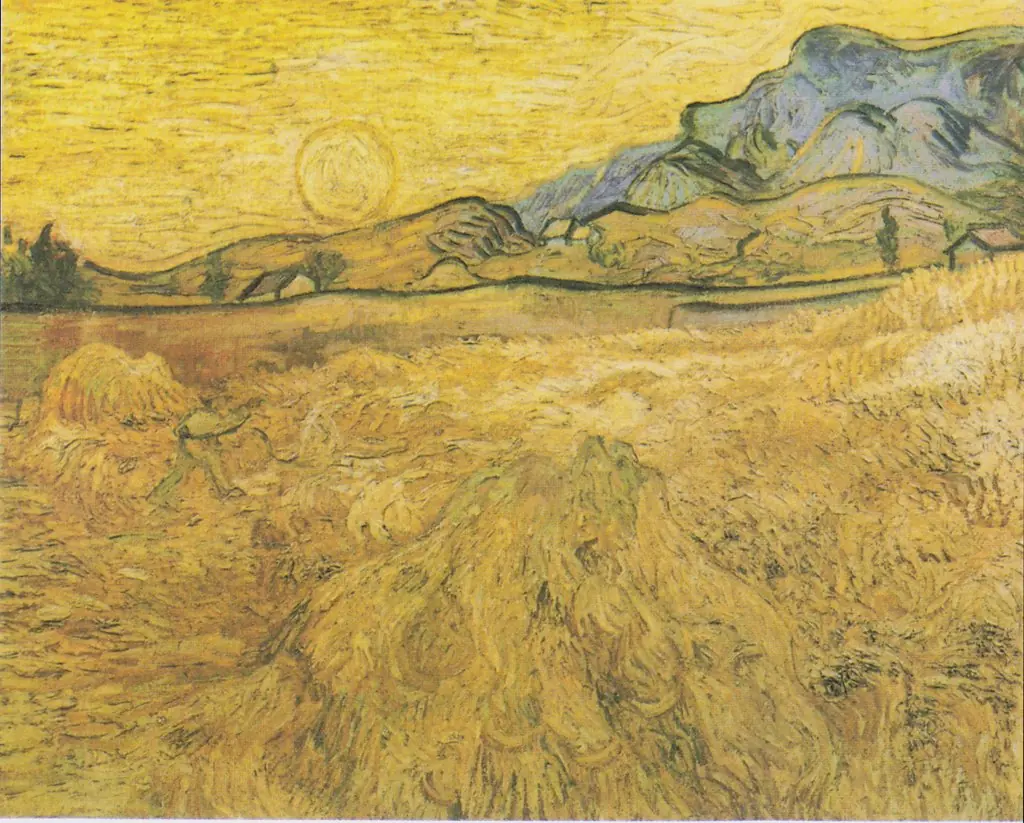 Wheat Field with Reaper and Sun
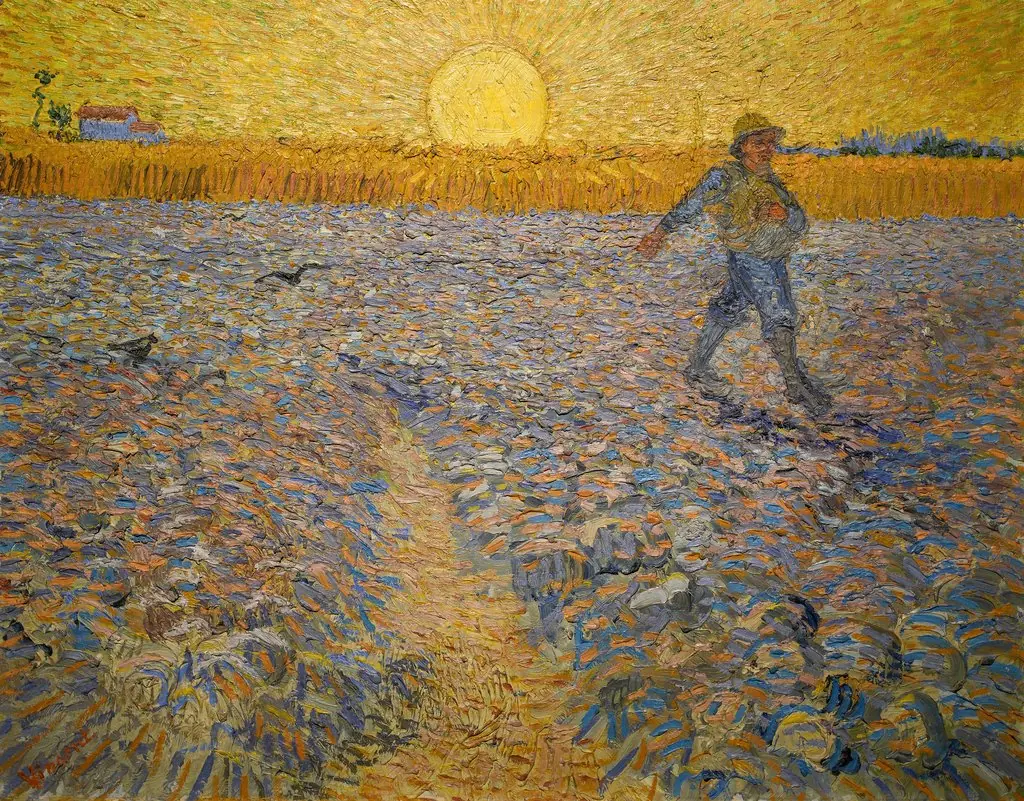 The Sower (Sower at Sunset)
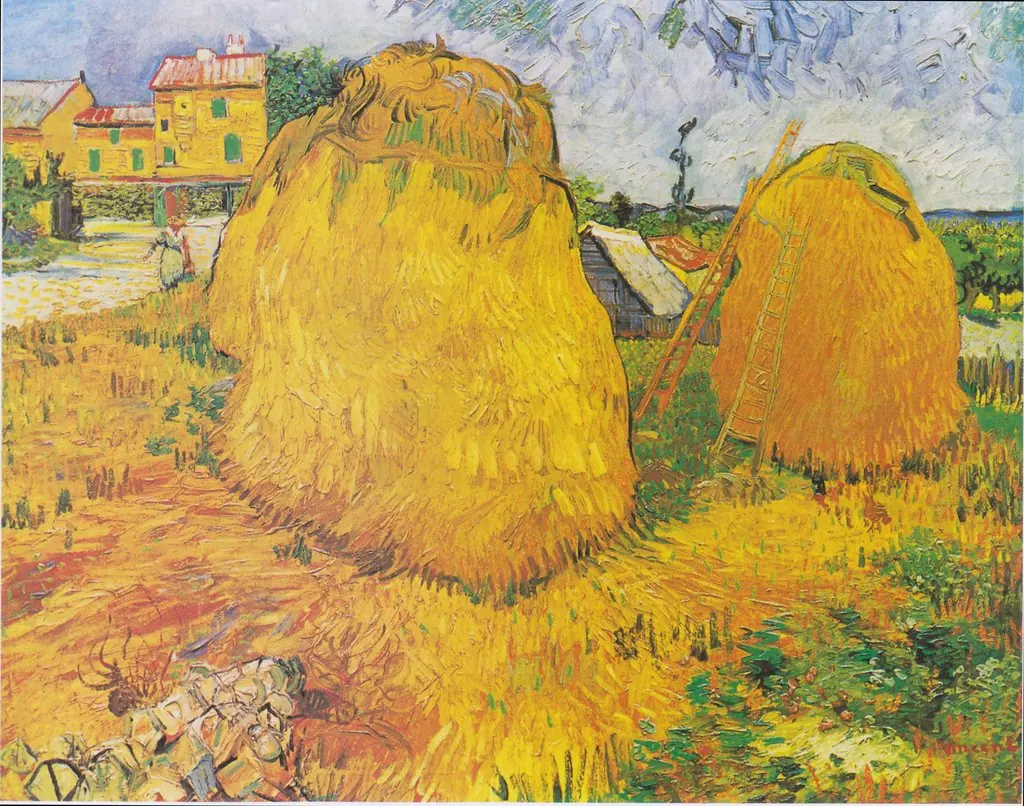 Haystacks in Provence
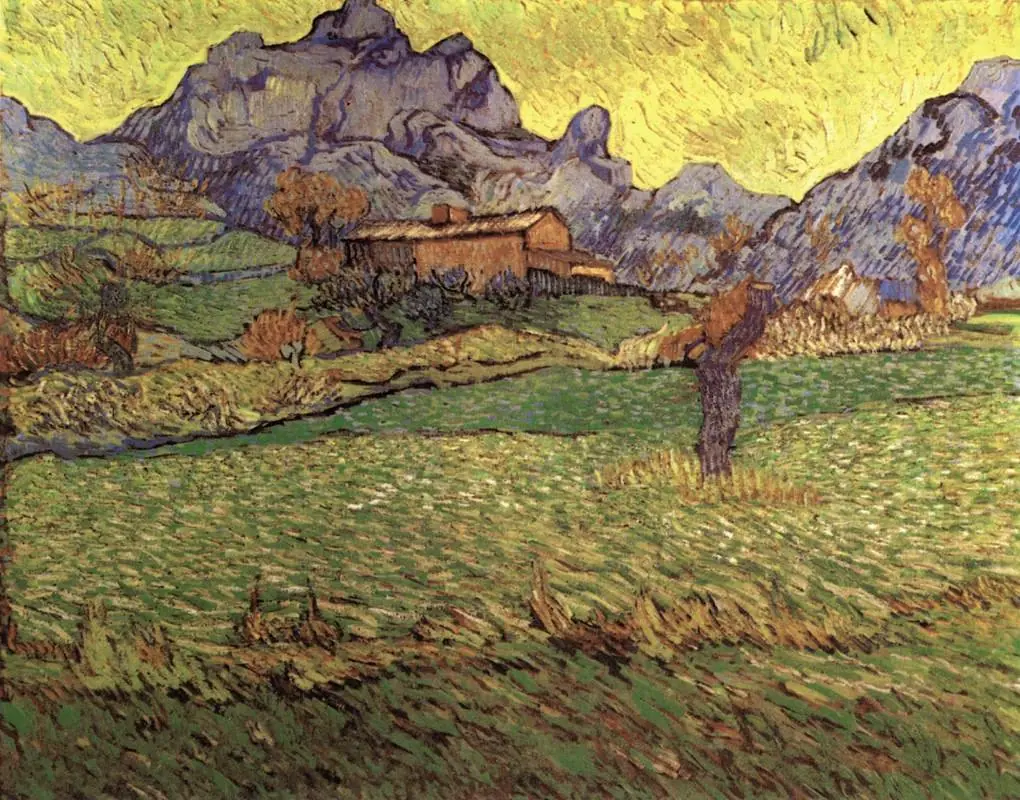 A Meadow in the Mountains: Le Mas de Saint-Paul
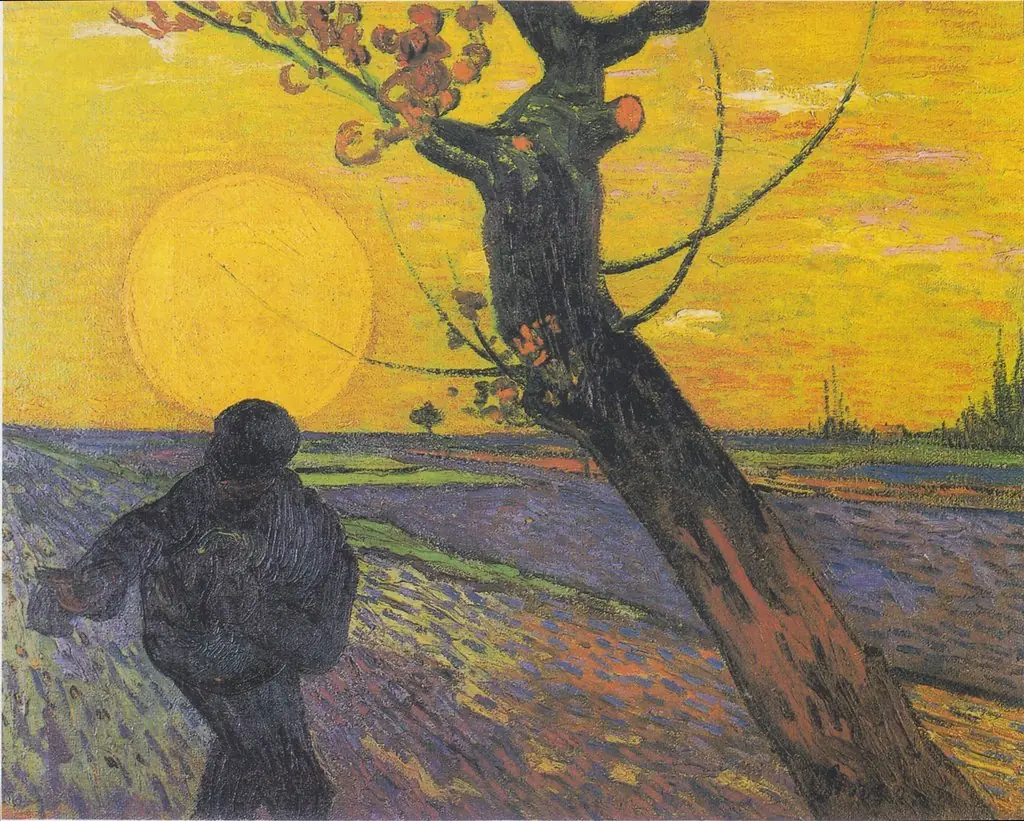 The Sower III (version 1)
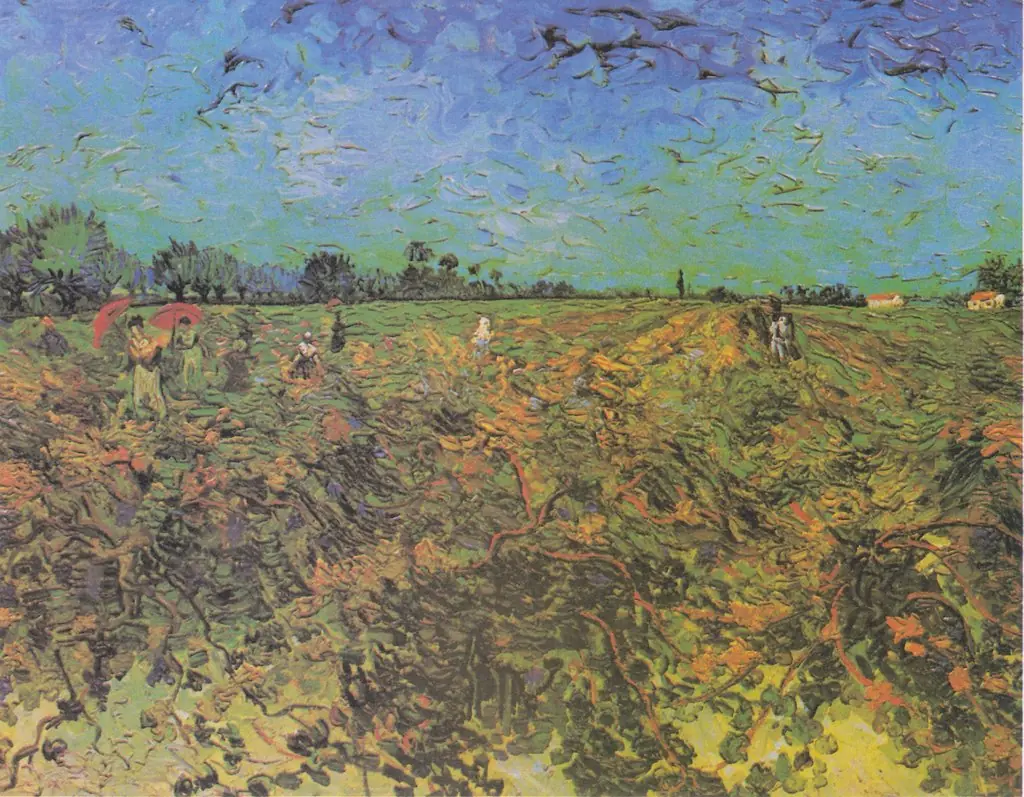 The green vineyard
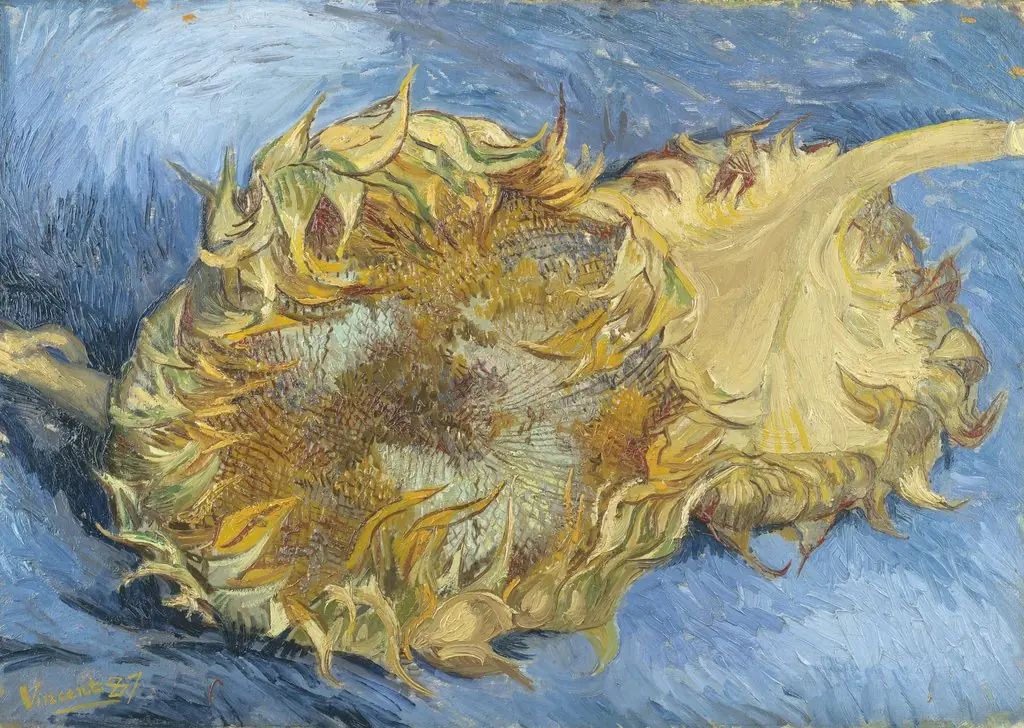 Sunflowers
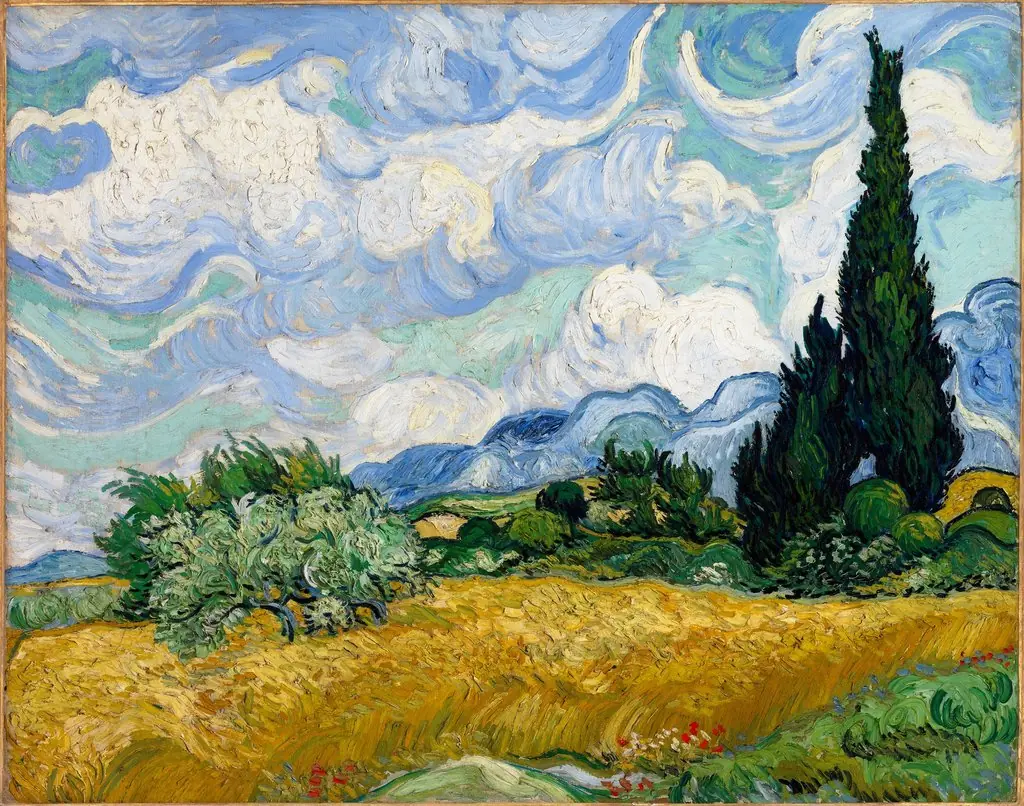 Wheat Field with Cypresses
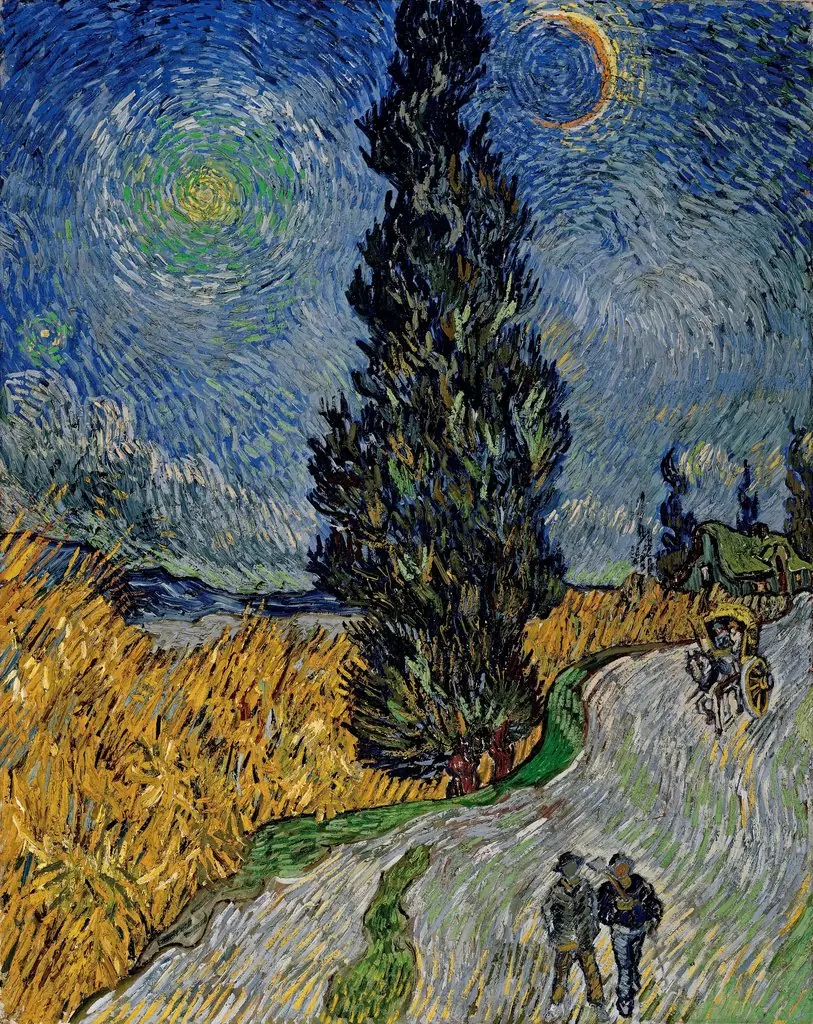 Road with Cypress and Star
 Pine Trees against a Red Sky with Setting Sun
 Enclosed Wheat Field with Rising Sun