Artwork
Harvest in Provence
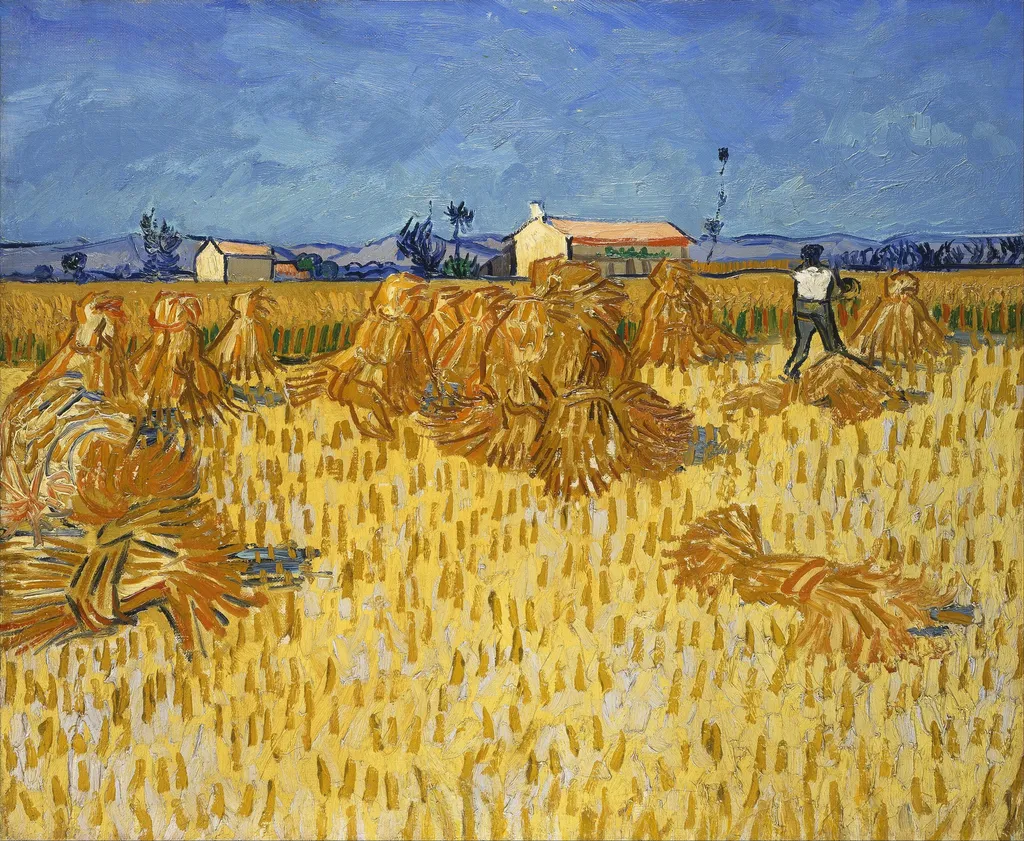
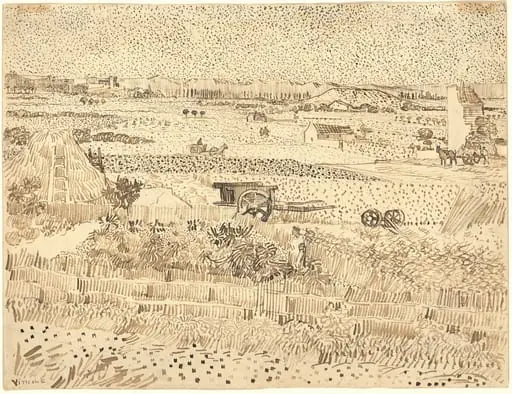
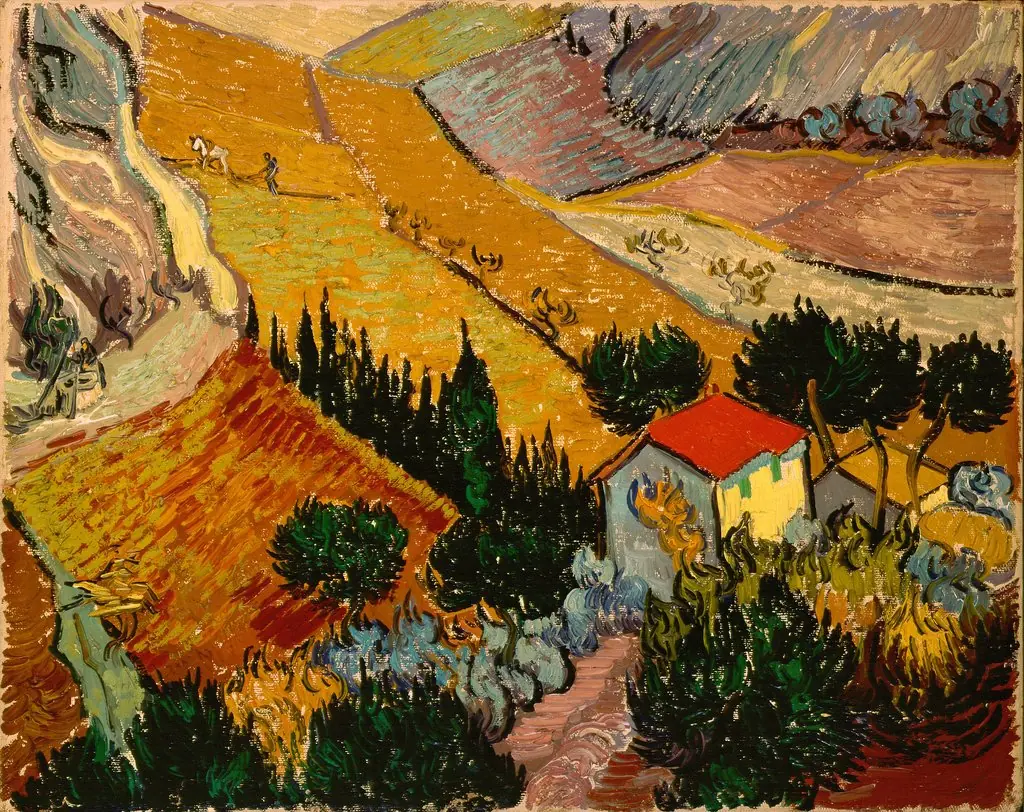
Harvest in Provence is an oil painting by the Post-Impressionist artist Vincent van Gogh. It dates from 1888 and is held in the collection of the Israel Museum.
About this work
Overview
Its bold composition and expressive brushwork mark it as a key example of his mature style.
Painted in 1888, Harvest in Provence is an oil-on-canvas landscape by Vincent van Gogh, capturing the rural countryside of southern France during the harvest season. The work belongs to the Israel Museum’s collection and reflects a period when van Gogh was intensely focused on depicting agricultural labor and the changing light of the Provençal landscape. Its bold composition and expressive brushwork mark it as a key example of his mature style.
Subject & Meaning
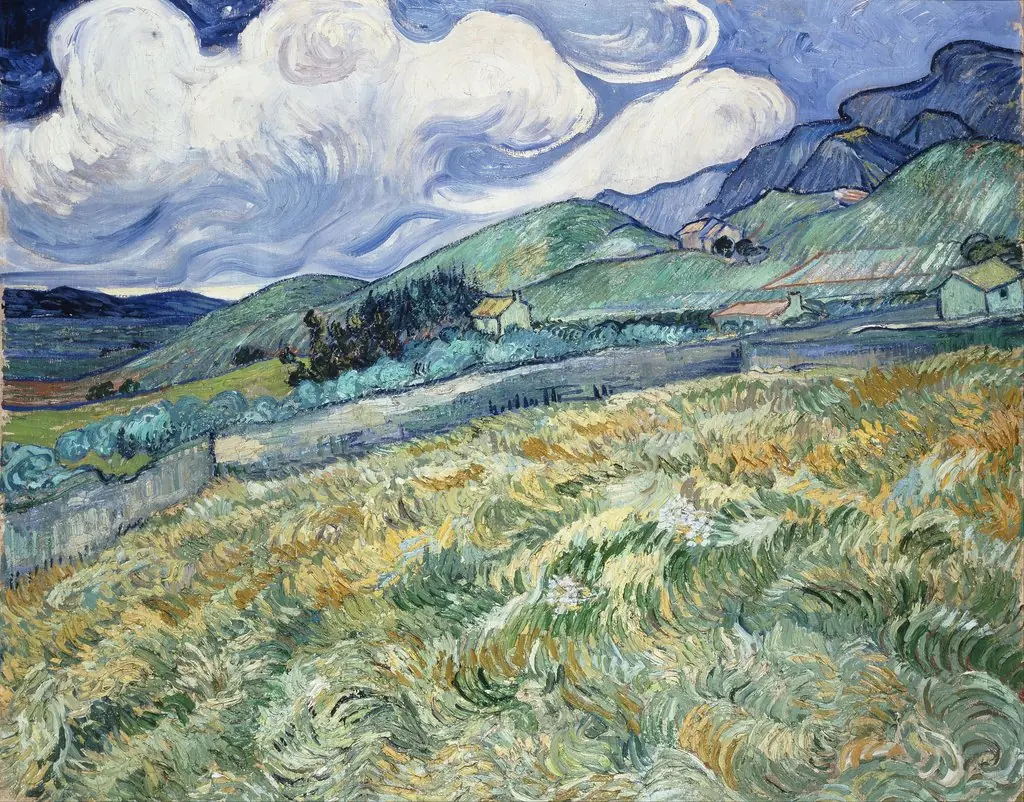
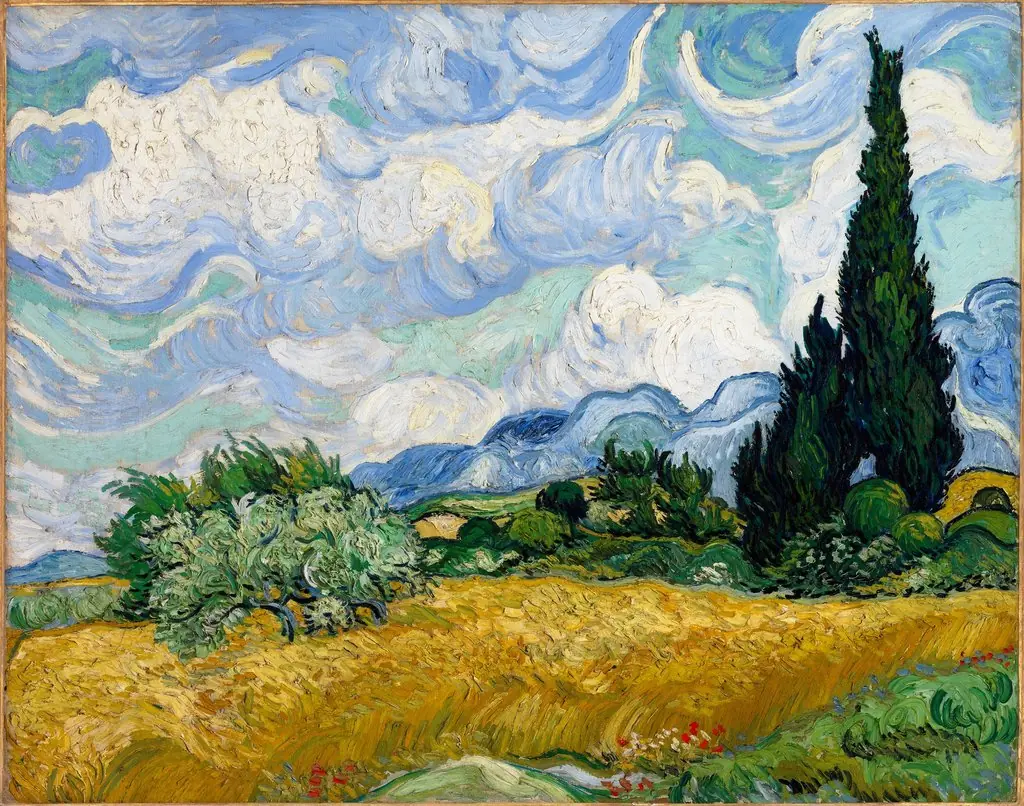
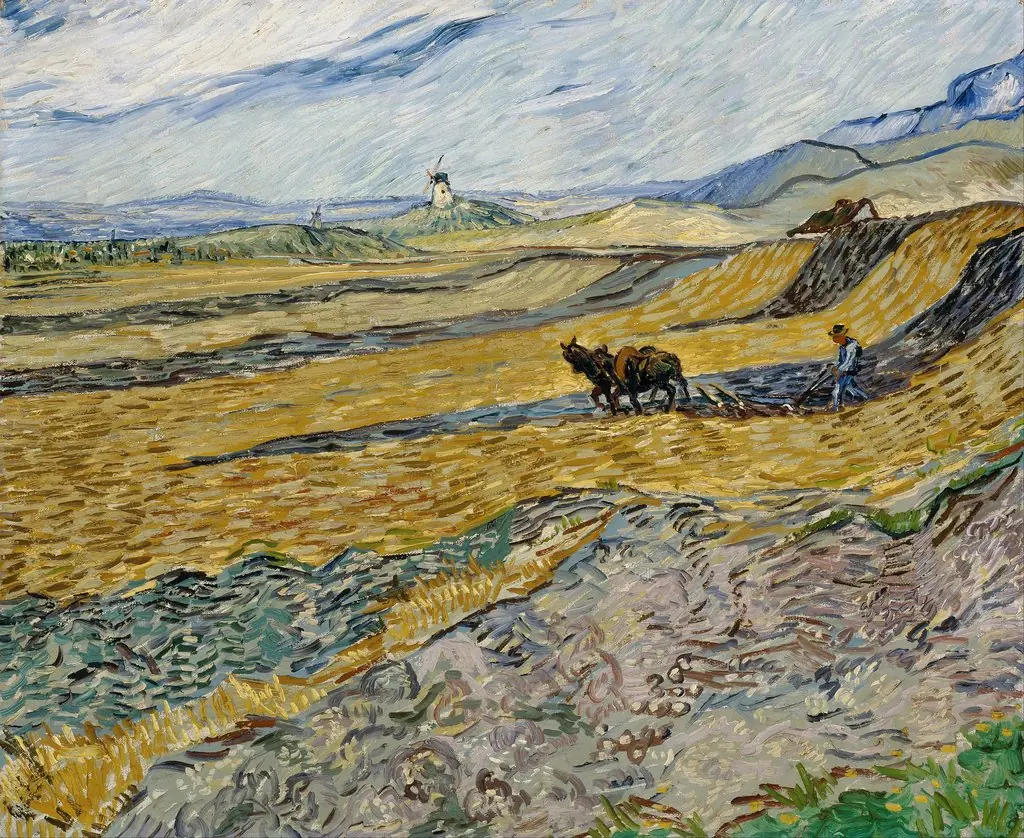
The painting portrays a vast wheat field under a bright sky, with a solitary figure bent over in the act of harvesting. The figure, small against the expansive field, suggests the quiet dignity of rural labor. Van Gogh often linked agricultural cycles with themes of endurance and renewal. Here, the act of reaping is not idealized but presented as an integral part of the land’s rhythm, grounded in observation rather than sentiment.
Technique & Style
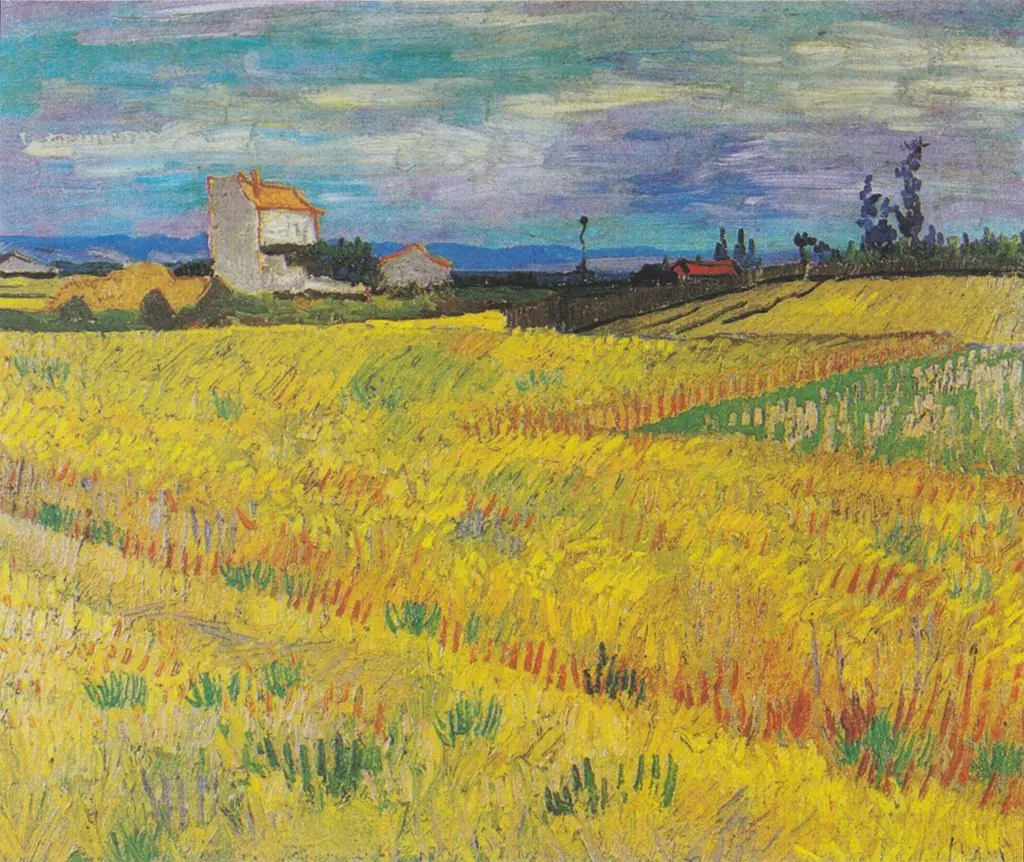
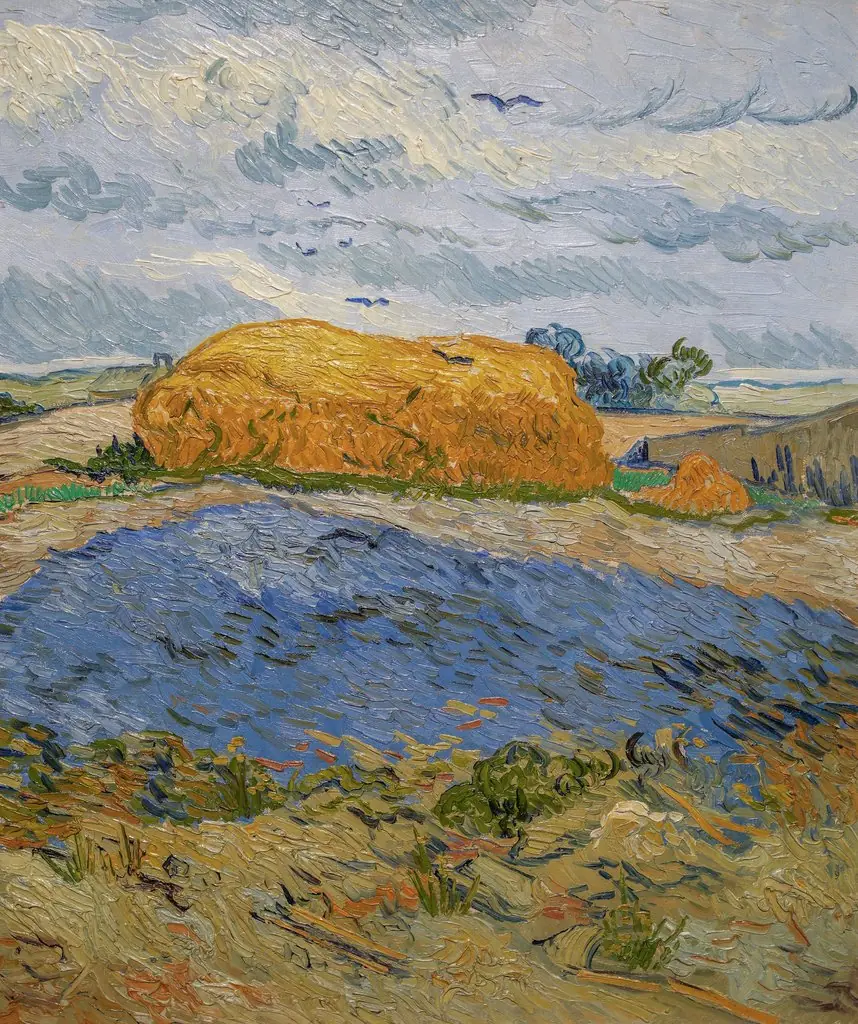
Van Gogh applied thick layers of oil paint with energetic, directional strokes, creating texture that mimics the movement of wind through wheat. His palette emphasizes warm yellows and ochres against cool blues, heightening the sense of sunlight and heat. The brushwork is deliberate yet urgent, conveying both the physicality of the scene and the artist’s emotional engagement with the landscape. Forms are simplified but never flattened, retaining a sense of depth and motion.
History & Provenance
Created during van Gogh’s stay in Arles, the painting was likely completed in late summer 1888, when he was producing a series of harvest scenes. It entered the Israel Museum’s collection in the 20th century through the bequest of a private collector. While its early ownership history is not fully documented, its attribution to van Gogh is well-established through stylistic analysis and archival records from his time in Provence.
Context
In 1888, van Gogh sought to capture the intensity of southern French light and labor, influenced by Japanese prints and the realism of Millet. He wrote to his brother Theo about the emotional power of harvest scenes, seeing them as symbols of human connection to the earth. This work emerged alongside other paintings of fields and laborers, part of his broader effort to elevate everyday rural life through art.
Legacy
Harvest in Provence remains a representative example of van Gogh’s ability to transform ordinary scenes into emotionally resonant compositions. Its influence can be seen in later modernist approaches to landscape and labor, where texture and color convey inner experience over literal representation. The painting continues to be studied for its technical innovation and its quiet, enduring portrayal of agricultural life.
Own this work as a print
Artist & collection
Artist
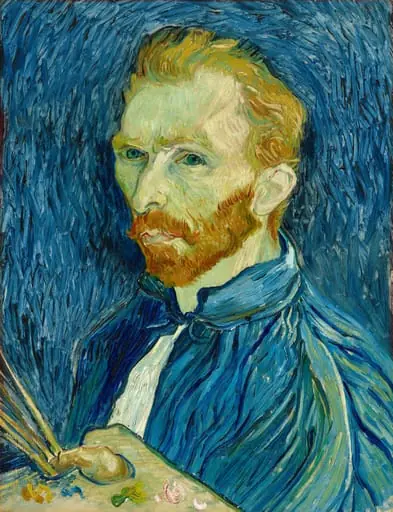
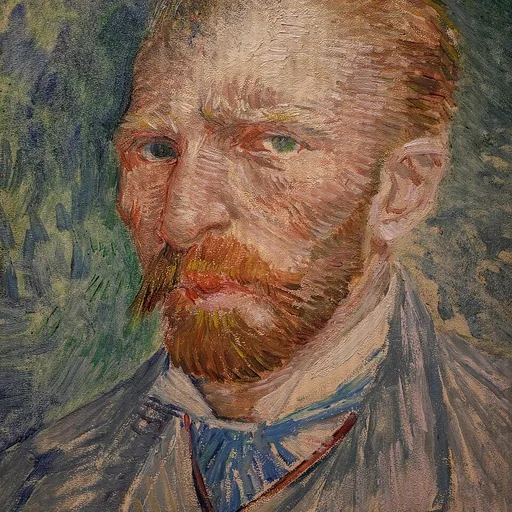
Vincent Willem van Gogh was a Dutch Post-Impressionist painter who is among the most famous and influential figures in the history of Western art.