Artwork
Head of a Peasant Woman
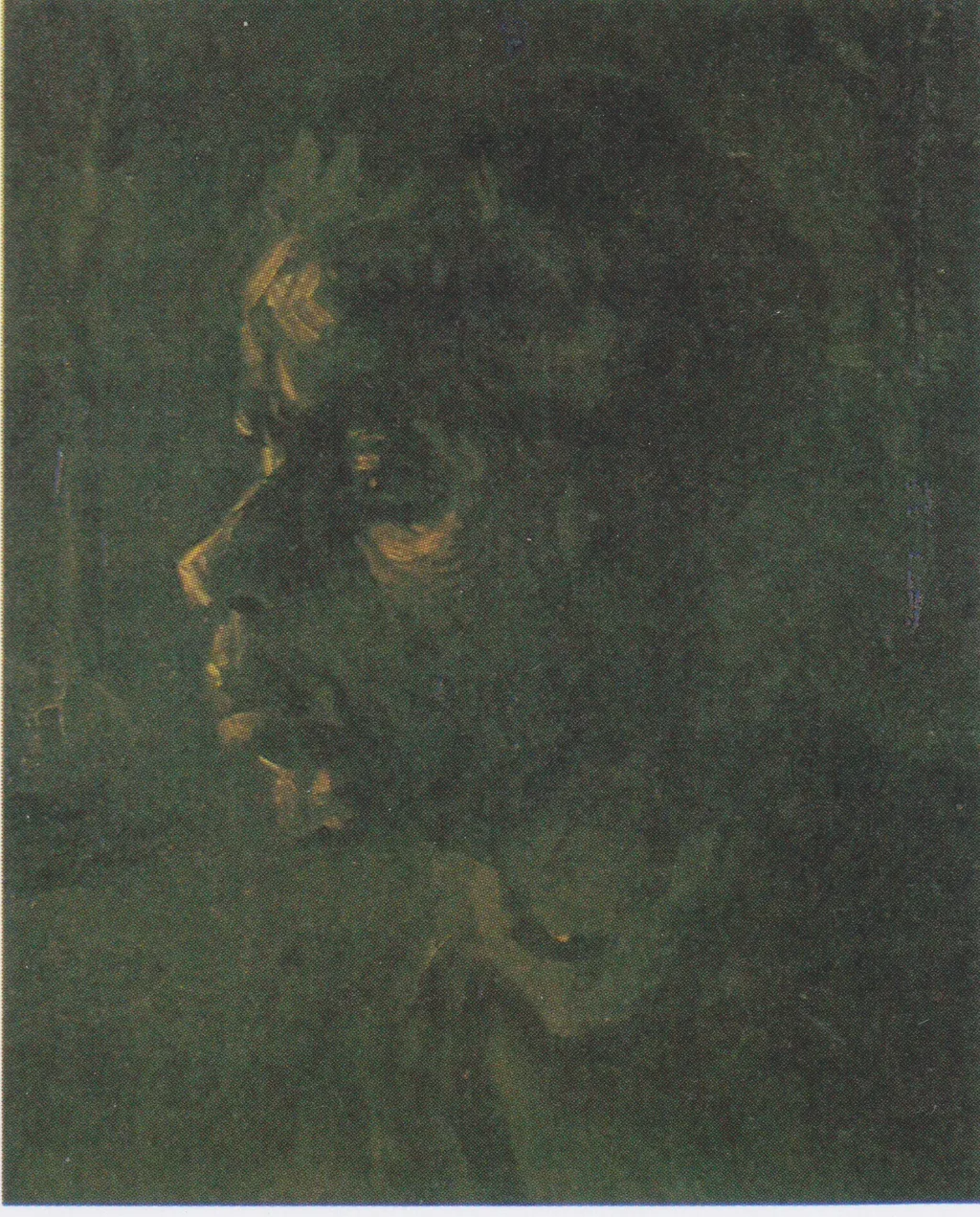
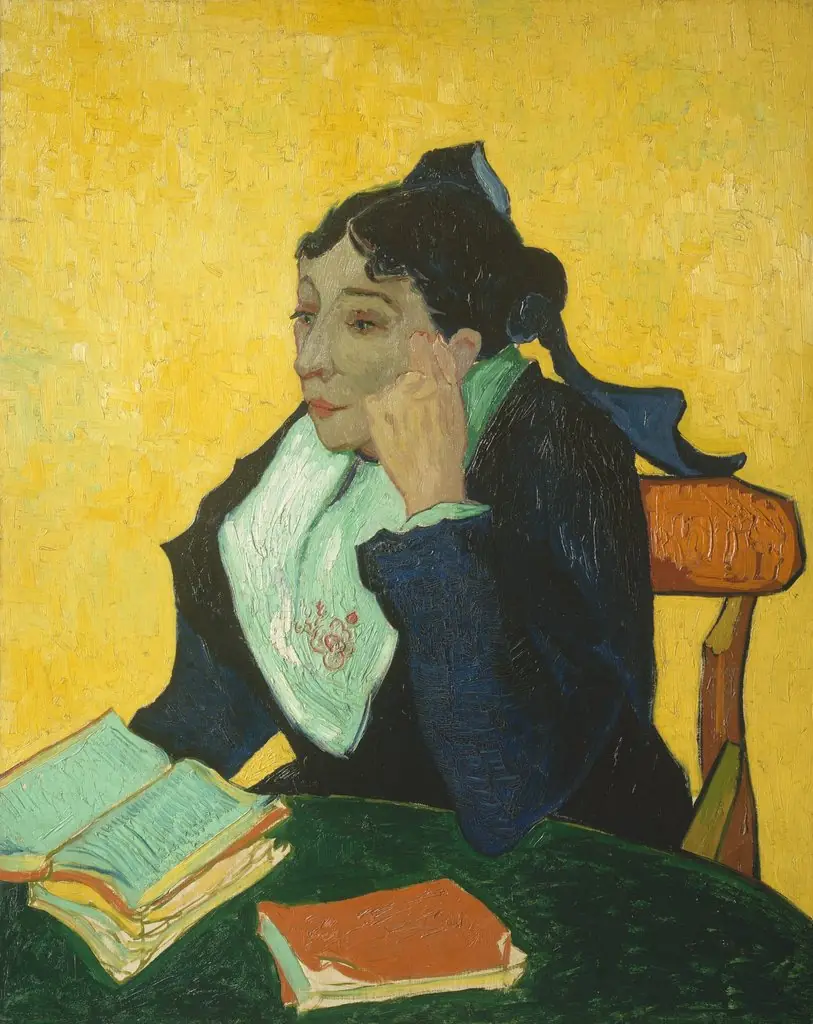
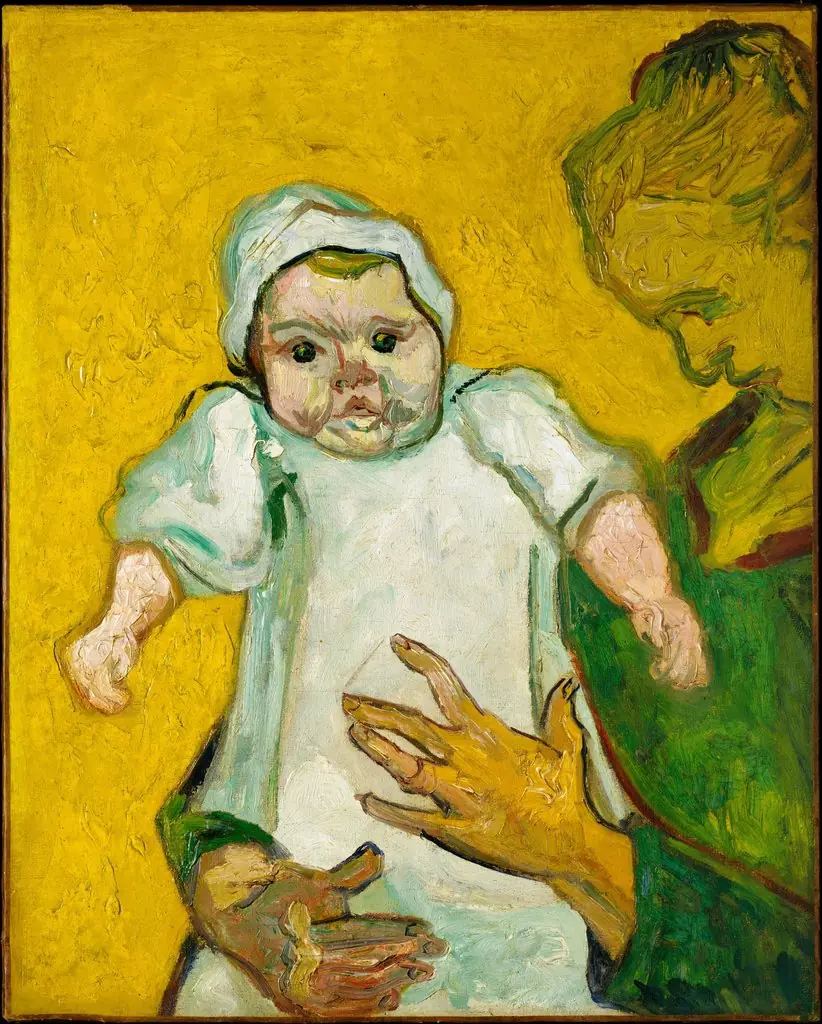
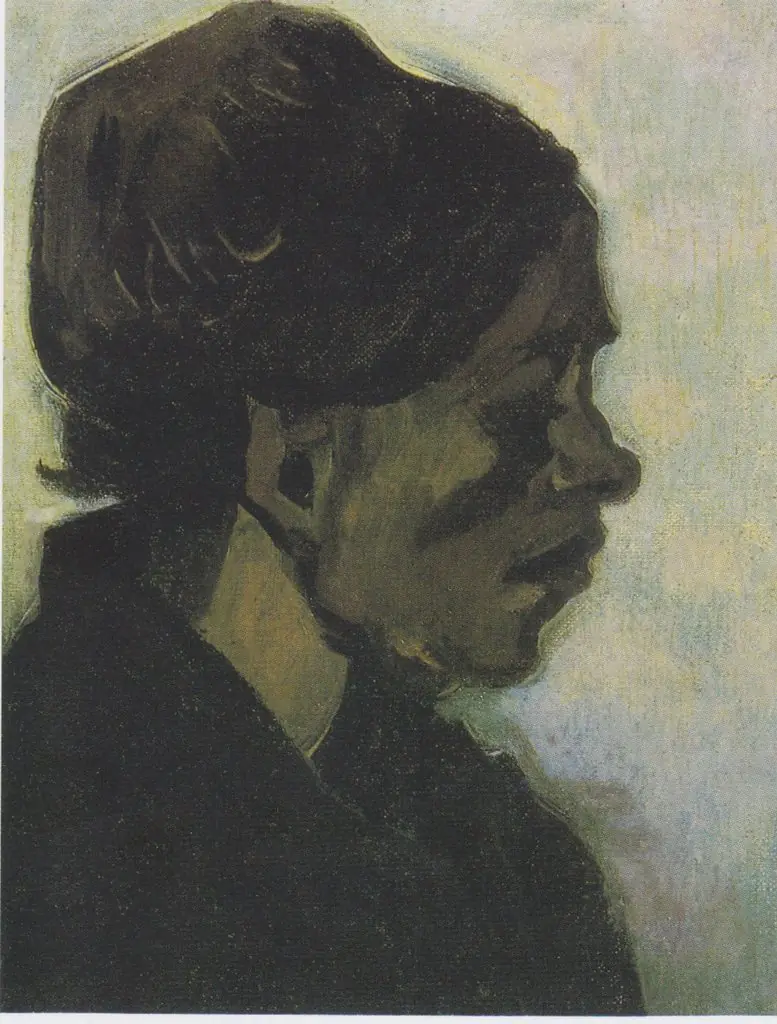
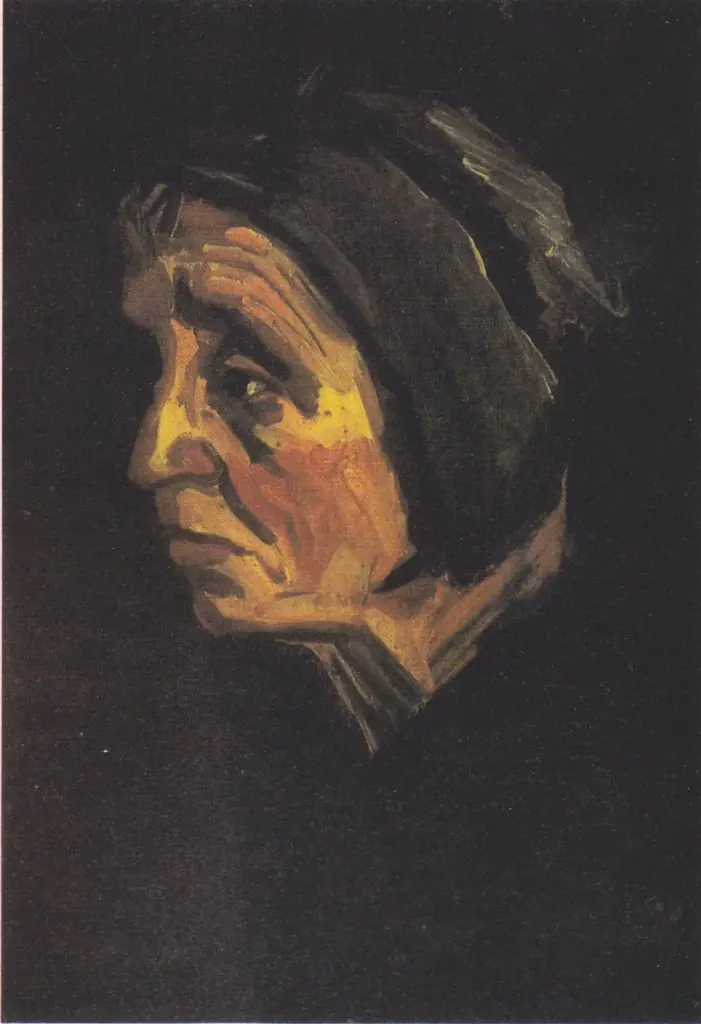
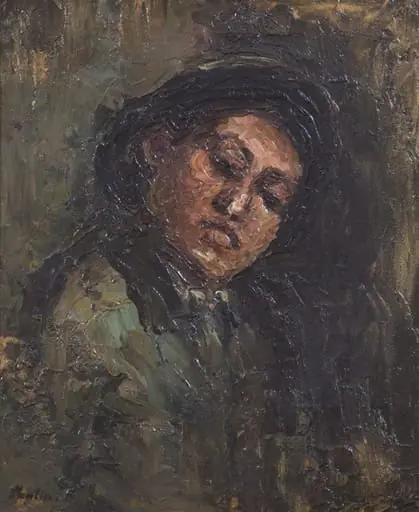
Head of a Peasant Woman is an oil painting by the Post-Impressionist artist Vincent van Gogh. It dates from 1885 and is held in the collection of the Kröller-Müller Museum. Painted in 1885, this oil portrait captures a peasant woman in quiet stillness.
About this work
Overview
Executed with thick, deliberate brushwork, the painting emphasizes texture and tone over idealized detail.
Painted in 1885, this oil portrait captures a peasant woman in quiet stillness. Executed with thick, deliberate brushwork, the painting emphasizes texture and tone over idealized detail. It belongs to the Kröller-Müller Museum’s collection, where it stands as one of van Gogh’s early studies of rural laborers, reflecting his deepening engagement with the lives of ordinary people during his time in Nuenen.
Subject & Meaning
The woman’s downward gaze and unadorned features suggest introspection rather than narrative. Van Gogh avoids romanticizing her condition; instead, he presents her with dignity through unflinching observation. Her identity remains unnamed, reinforcing the artist’s focus on the universal weight of labor and solitude in rural life, not individual biography.
Technique & Style
Thick applications of oil paint build a tactile surface, with earth tones—ochres, browns, muted greens—dominating the palette. Brushstrokes are directional and visible, modeling form through texture rather than smooth blending. The absence of background isolates the figure, directing attention to the subtle shifts in light across her face and the quiet intensity of her expression.
History & Provenance
Created during van Gogh’s Nuenen period (1883–1885), the work emerged from his commitment to depicting peasant life after years of studying drawing and social realism. It entered the Kröller-Müller collection in the early 20th century through Helene Kröller-Müller’s acquisitions, who systematically gathered van Gogh’s early works, preserving them as part of a broader cultural archive.
Context
In the mid-1880s, van Gogh moved away from academic conventions toward raw, empathetic portrayals of laborers, influenced by Millet and Dutch realism. This portrait aligns with his broader project of elevating the dignity of the working poor, a theme central to his art before his move to Paris and subsequent stylistic transformation.
Legacy
Though not widely exhibited during his lifetime, this portrait contributes to the understanding of van Gogh’s formative years. Its unembellished humanity and physicality in paint prefigure his later expressive style. Today, it remains a key example of how he transformed observational realism into a deeply personal visual language.
Artist & collection
Artist
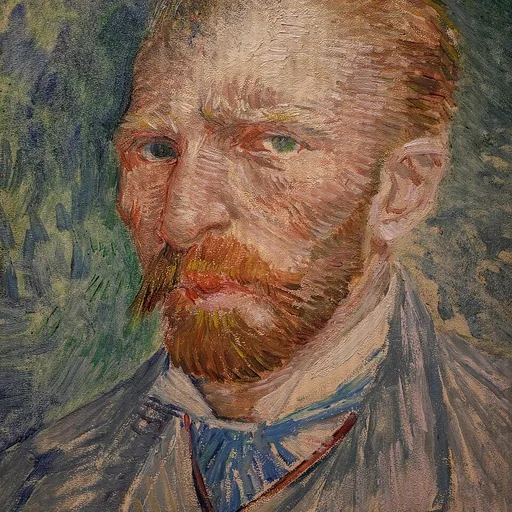
Vincent Willem van Gogh was a Dutch Post-Impressionist painter who is among the most famous and influential figures in the history of Western art.