Artwork
Scheveningen Woman with Wheelbarrow
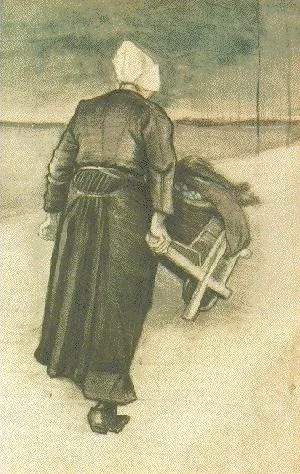
Scheveningen Woman with Wheelbarrow is an unspecified painting by the Realist artist Vincent van Gogh. It dates from 1883 and is held in the collection of the Kröller-Müller Museum.
About this work
Overview
Vincent van Gogh completed Scheveningen Woman with Wheelbarrow in 1883, during his early Dutch period. The oil on canvas measures a modest size and is now part of the collection at the Kröller‑Müller Museum in Otterlo. The work captures a quiet moment of everyday labor on a coastal road, rendered in a restrained palette.
Subject & Meaning
The scene depicts a woman dressed in a long dress and apron, her head covered by a white cap, as she pushes a wheelbarrow loaded with sand or earth along a road that recedes toward a small cluster of buildings. By turning her back to the viewer, van Gogh emphasizes the anonymity of rural work and the continuity of daily routines in the fishing village of Scheveningen.
Technique & Style
Executed with loose, expressive brushwork, the painting relies on muted earth tones that contrast with the brighter whites of the woman's cap and the wheelbarrow. Van Gogh’s handling of paint creates a sense of movement, while the simplified forms and limited color range reflect his early interest in realism before his later, more vivid experiments.
History & Provenance
After its creation, the canvas entered private collections before being acquired by the Kröller‑Müller Museum, where it has been displayed since the mid‑20th century. The museum’s holdings of van Gogh’s early works provide context for his artistic development, and this piece contributes to the understanding of his formative years in the Netherlands.
Artist & collection
Artist
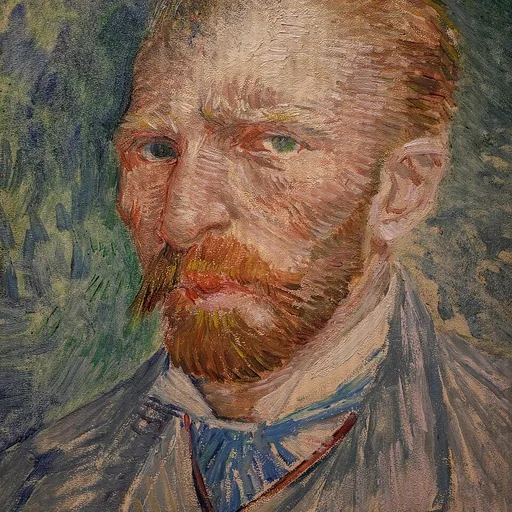
Vincent Willem van Gogh was a Dutch Post-Impressionist painter who is among the most famous and influential figures in the history of Western art.

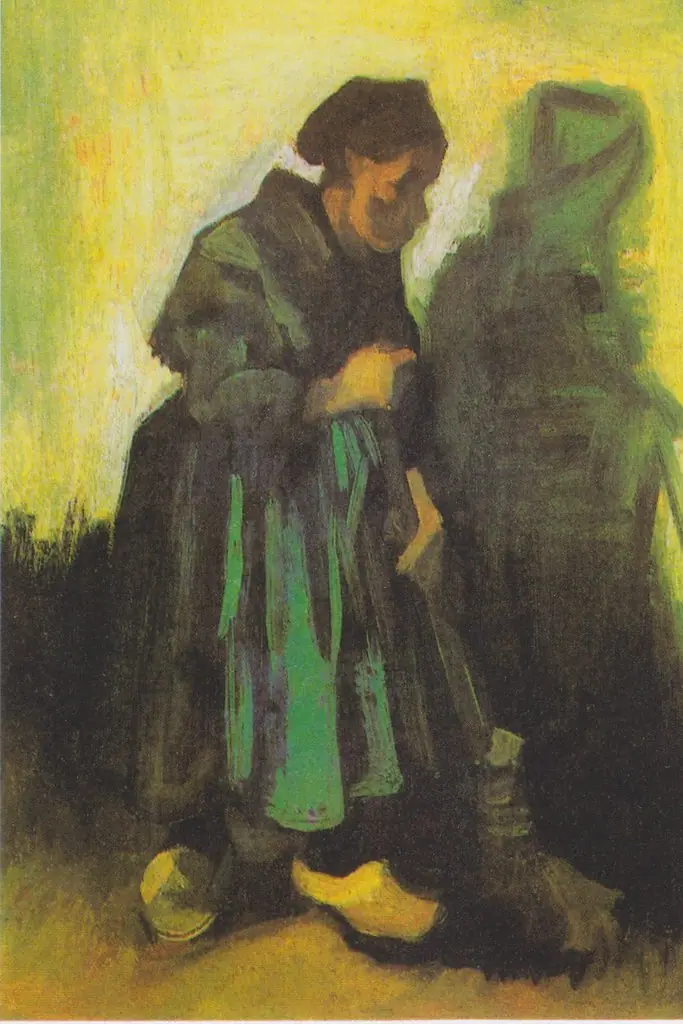 Woman with a Broom
 Sacagiu
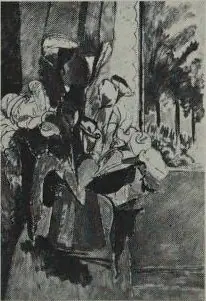 Bouquet of Flowers on a Veranda
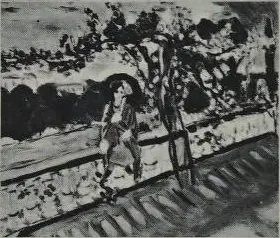 La promenade
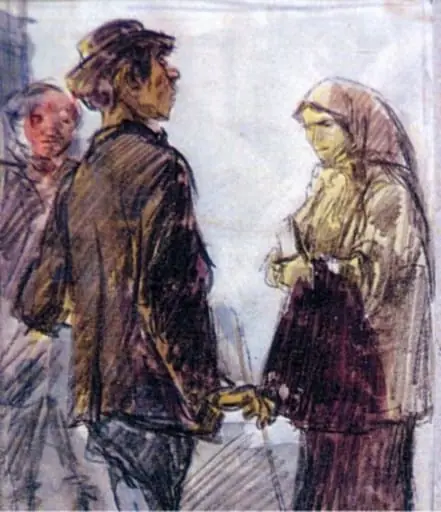 Ilustrație la romanul „Baltagul” de Mihail Sadoveanu
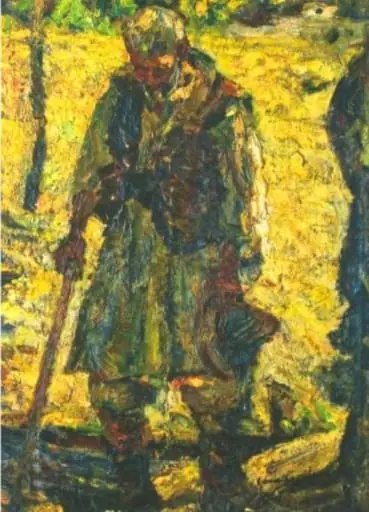 Bătrân
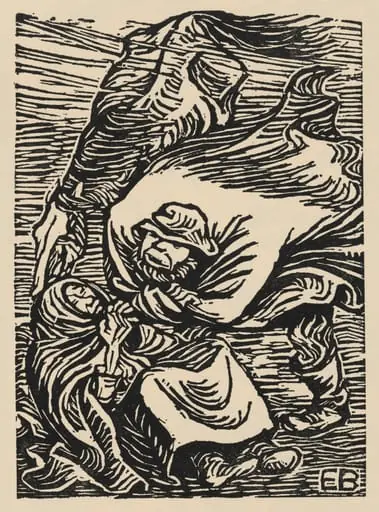 Gruppe im Sturm (Couple in a Storm) from Deutsche Graphiker der Gegenwart (German Printmakers of Our Time)
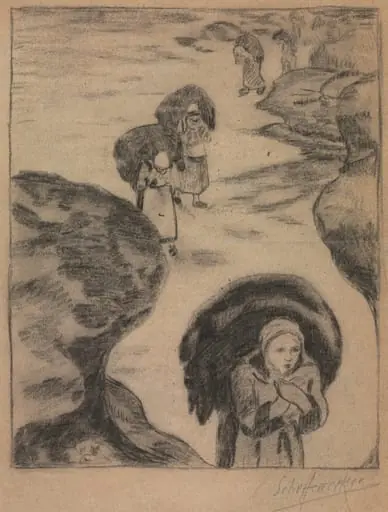 Seaweed Gatherers, Yport
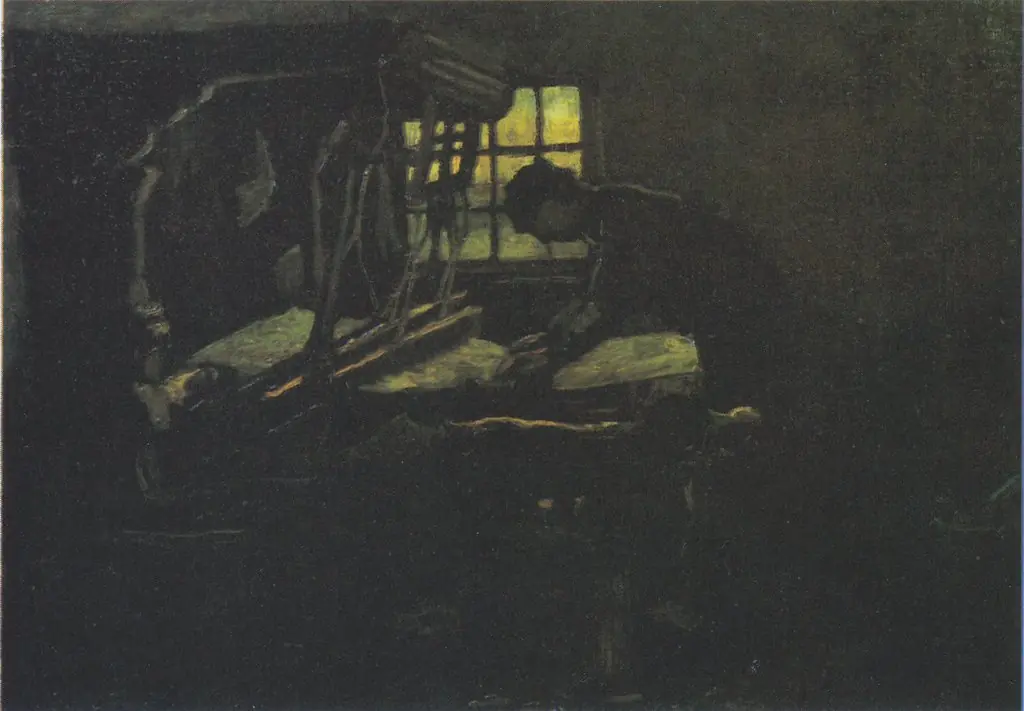 Weaver Arranging Threads
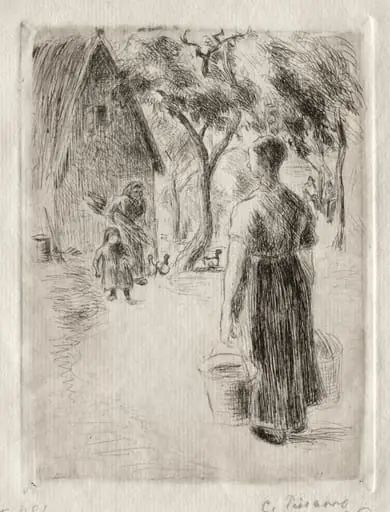 Peasant Woman Carrying Buckets
 Sailors' Wives
 A Woman Emptying a Wheelbarrow (Femme vidant une brouette)