Artwork
Bătrân
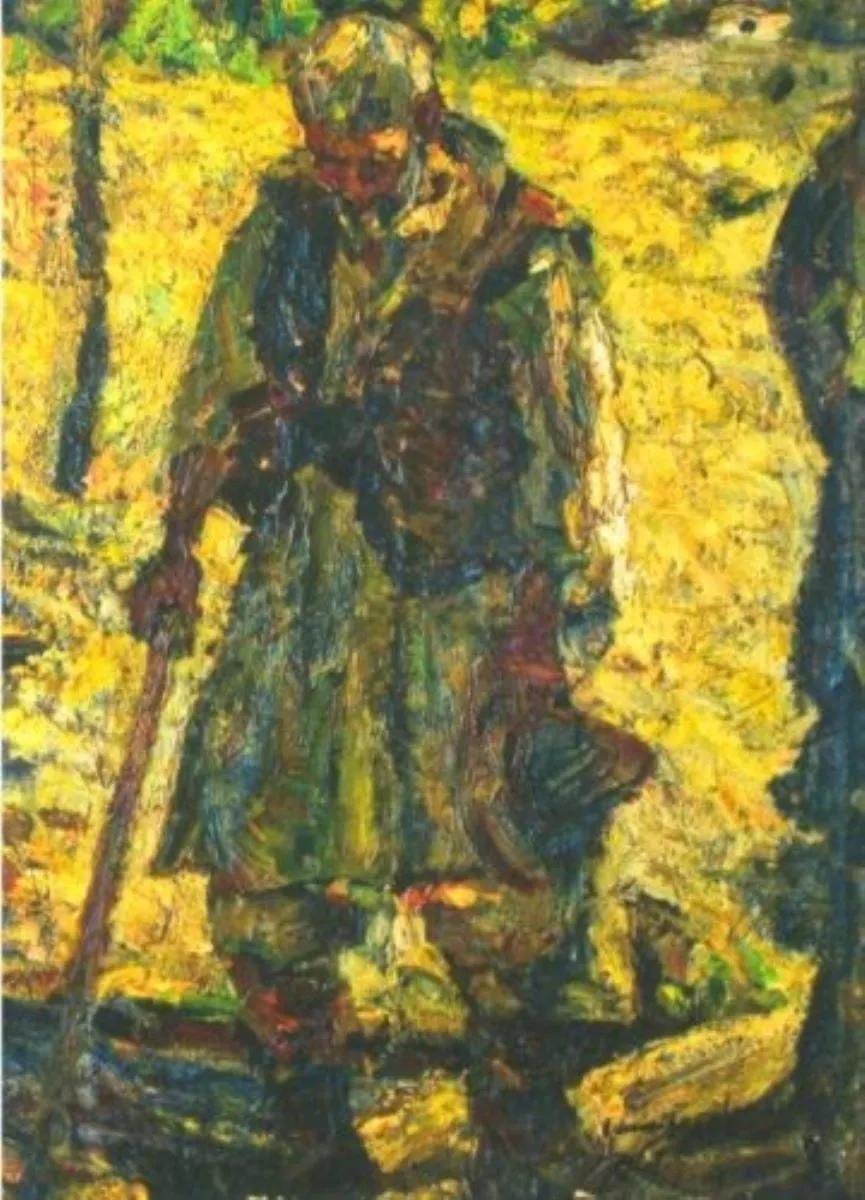
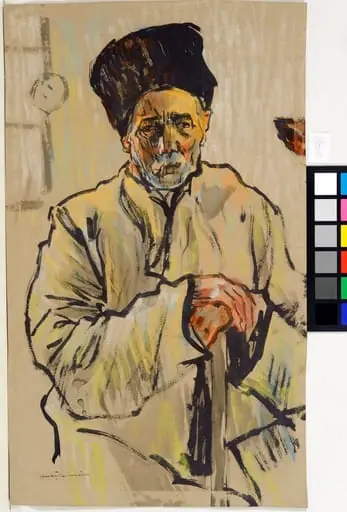
Bătrân is an unspecified painting by Rudolf Schweitzer-Cumpăna. It dates from 1936 and is held in the collection of the Argeș County Museum.
About this work
Overview
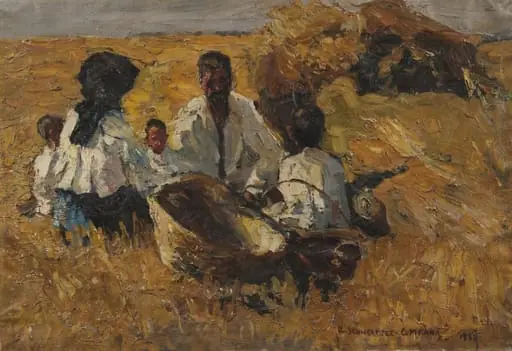
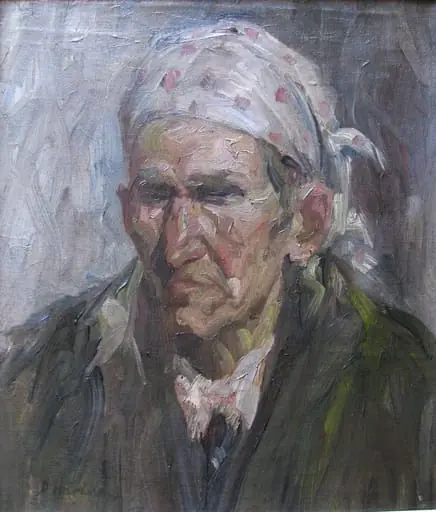
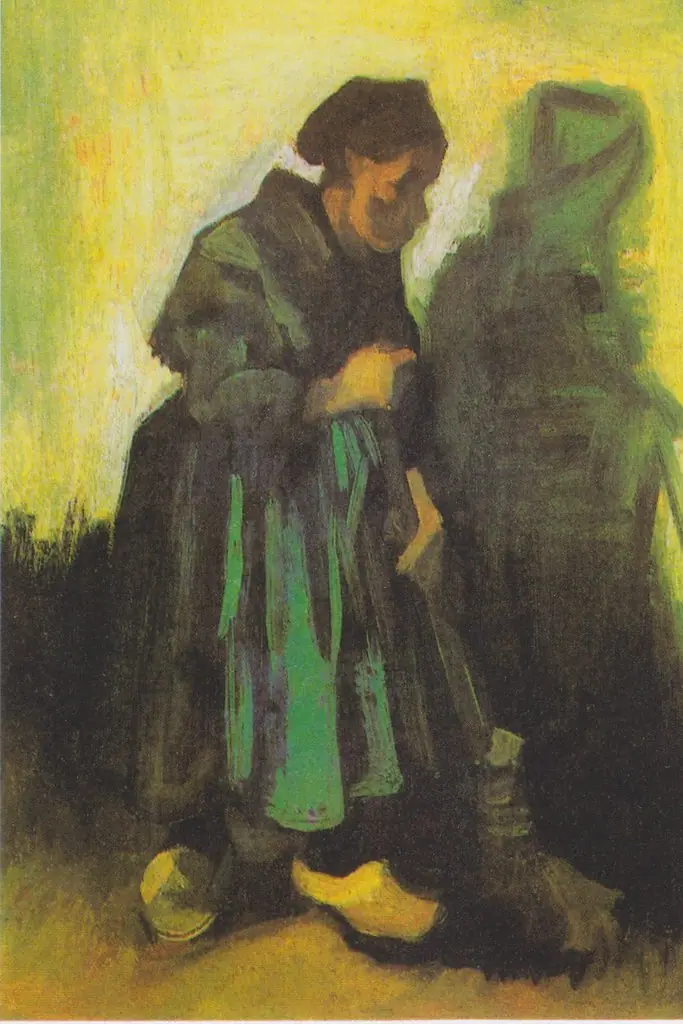
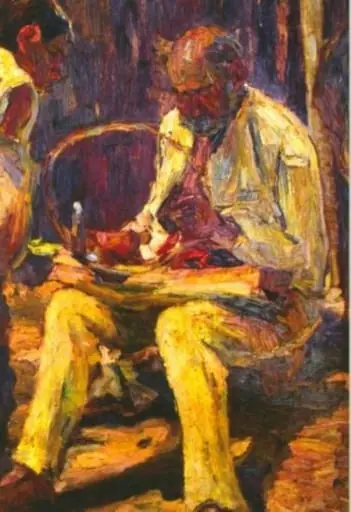
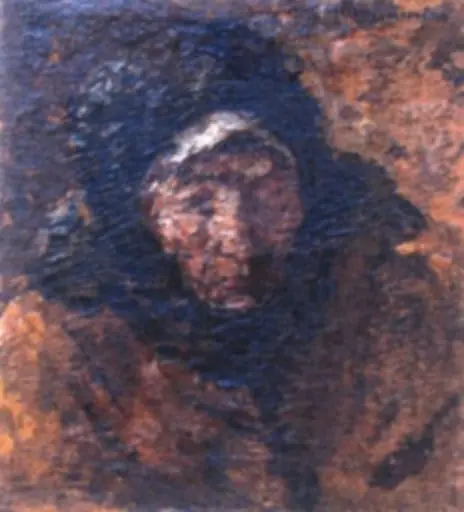
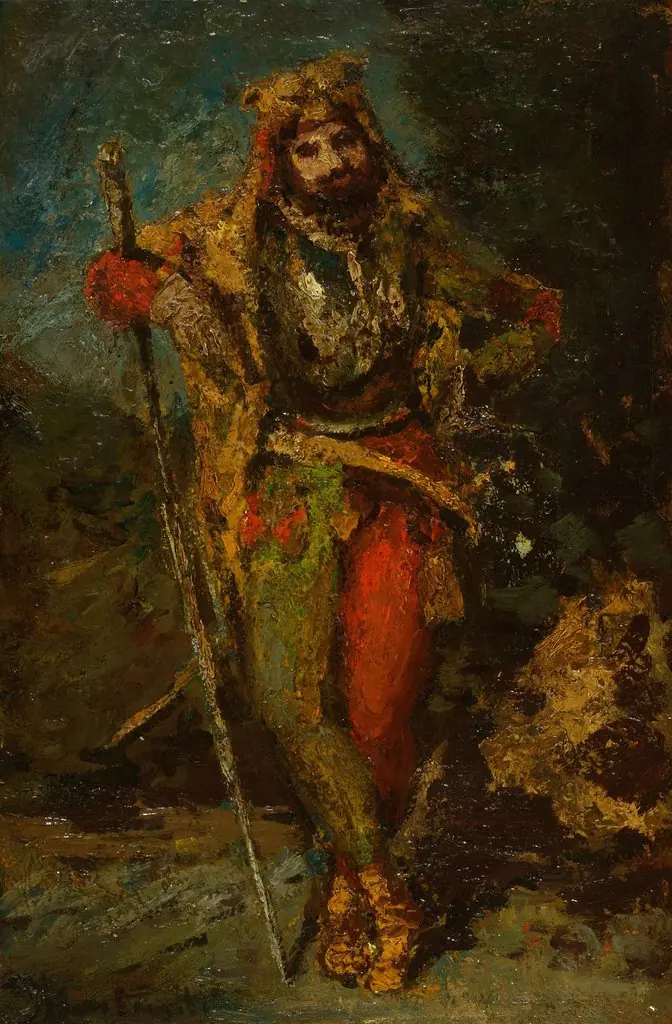
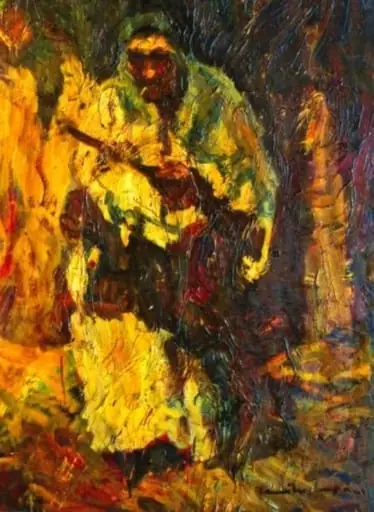
Created around 1936 by Rudolf Schweitzer-Cumpăna, Bătrân is a portrait of an elderly figure rendered with vigorous, tactile brushwork.
Created around 1936 by Rudolf Schweitzer-Cumpăna, Bătrân is a portrait of an elderly figure rendered with vigorous, tactile brushwork. The subject stands against a luminous background, their form emerging through dense layers of pigment. The painting’s energy comes not from detail but from the physicality of its surface, where paint is applied with urgency and weight, suggesting a direct, unmediated encounter with the subject.
Subject & Meaning
The figure, likely an aging rural individual, is depicted with a slumped posture and indistinct facial features, emphasizing physical burden over identity. The lack of clear expression invites contemplation of endurance rather than narrative. The muted, earth-toned clothing and the absence of context ground the figure in a quiet, unadorned reality, evoking themes of labor, time, and resilience without overt symbolism.
Technique & Style
Schweitzer-Cumpăna employs thick, uneven impasto to build form through texture rather than line. Colors—olive greens, ochres, and browns—are applied in bold, irregular strokes that catch light unpredictably, creating a sense of movement and volume. The rough handling of paint gives the surface a tactile, almost sculptural quality, reinforcing the physical presence of the subject and the immediacy of the artist’s hand.
History & Provenance
Bătrân was painted during Schweitzer-Cumpăna’s formative years in Romania, a period when he was developing a personal style rooted in regional realism but influenced by modernist experimentation. The work remained in private hands for much of the 20th century, with limited public exposure until later scholarly interest in interwar Romanian art brought renewed attention to his oeuvre.
Context
In 1930s Romania, artists were navigating between traditional folk motifs and European modernism. Schweitzer-Cumpăna’s approach in Bătrân reflects this tension: the subject’s rural attire aligns with nationalist cultural currents, while the expressive brushwork aligns with broader interwar trends in emotional, material-driven painting, distinct from academic conventions.
Legacy
Though not widely exhibited during his lifetime, Bătrân has become a touchstone in discussions of Romanian modernist portraiture. Its raw technique and emotional restraint have influenced later generations seeking to convey dignity through materiality rather than idealization. The work remains a quiet but significant example of how personal vision could emerge within a national artistic dialogue.
Artist & collection
Artist
Rudolf Schweitzer-Cumpăna was a Romanian painter. Born in Pitești into an ethnic German family, he finished high school in his native town before attending the Royal Academy of Arts at Berlin from 1904 to 1909, studying…