Artwork
Self-Portrait
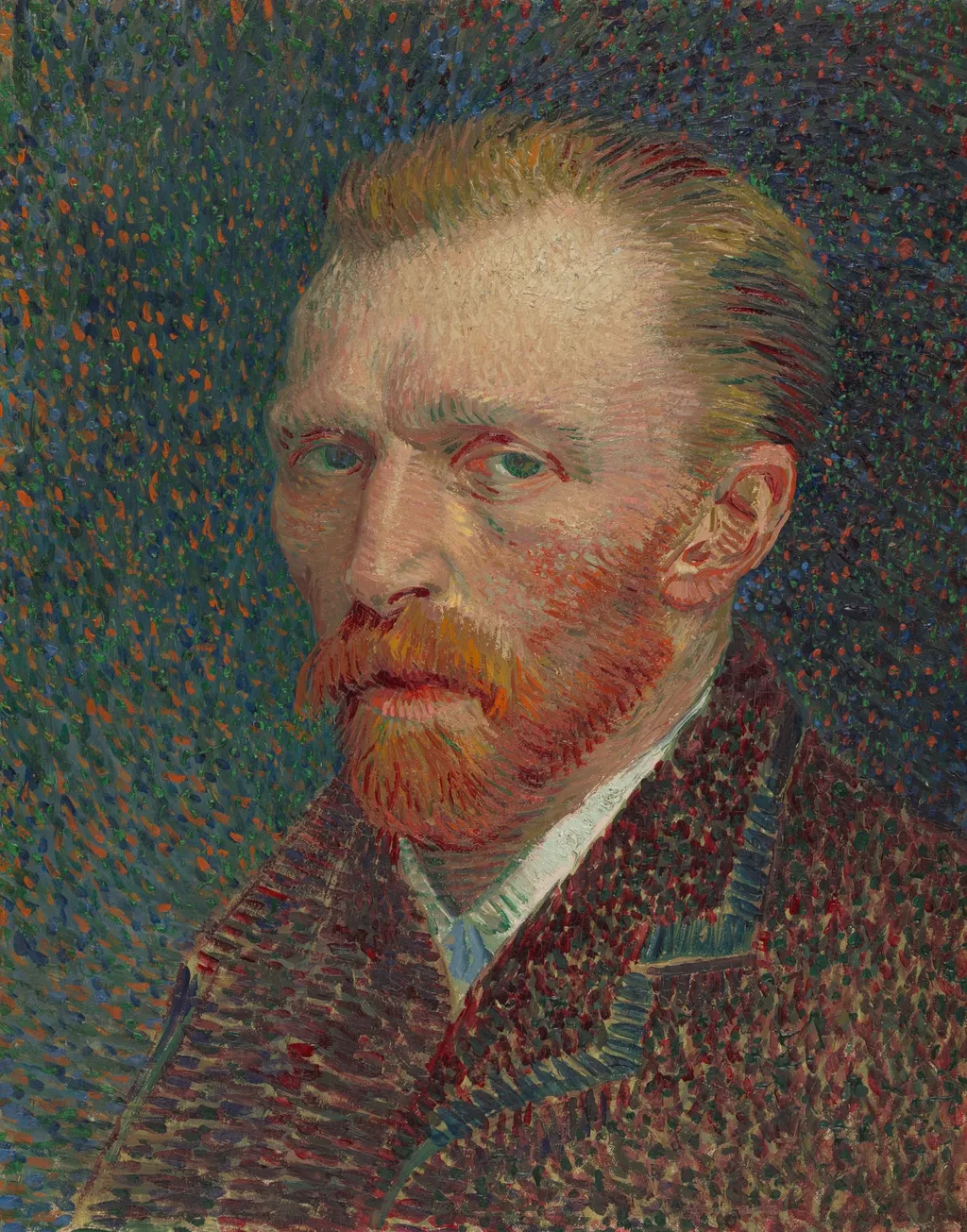
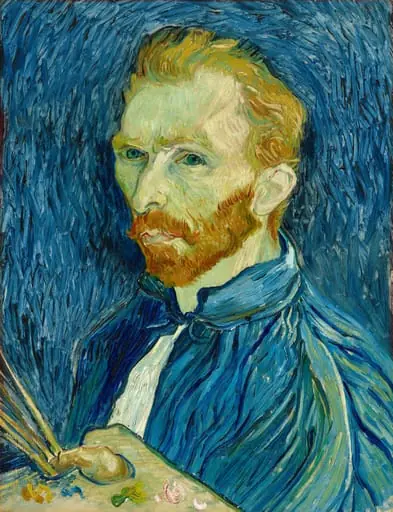
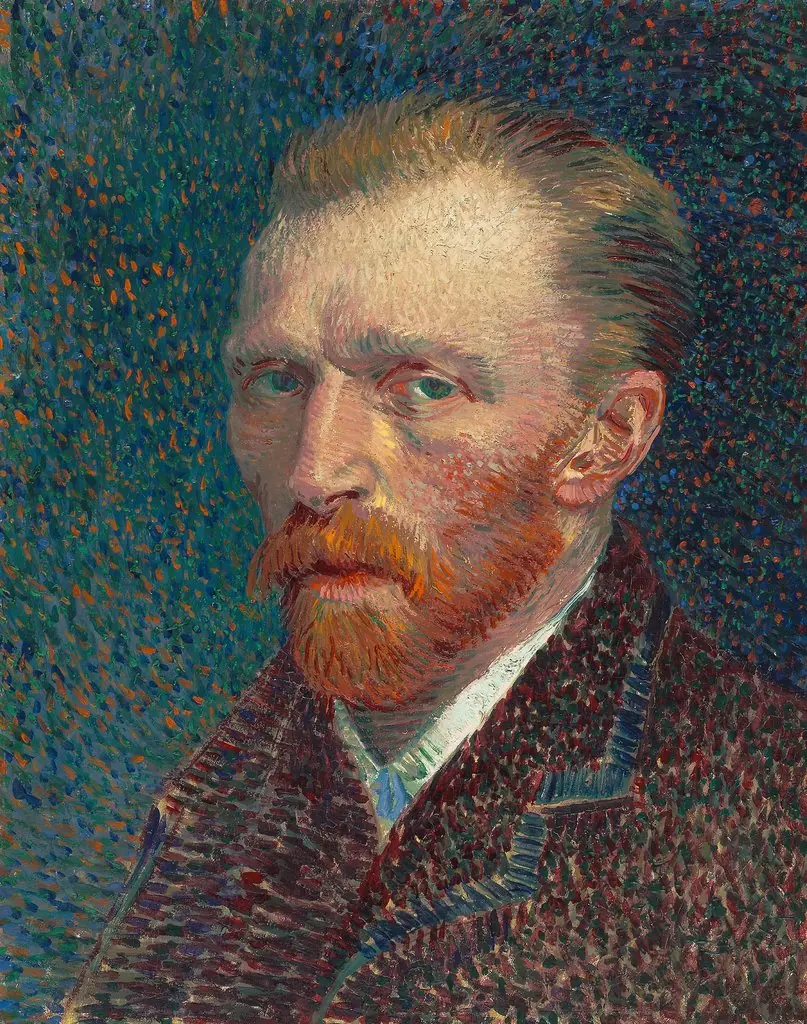
Self-Portrait is an oil painting by the Impressionist artist Vincent van Gogh. It dates from 1887 and is held in the collection of the Art Institute of Chicago.
About this work
Overview
Painted in 1886 shortly after Vincent van Gogh arrived in Paris, this self-portrait is one of nearly two dozen he made during his two-year stay.
Painted in 1886 shortly after Vincent van Gogh arrived in Paris, this self-portrait is one of nearly two dozen he made during his two-year stay. Executed on a small, prepared artist’s board rather than canvas, it reflects his early experimentation with the vibrant palette and broken brushwork he encountered among French Impressionists and Neo-Impressionists. The work captures a moment of artistic transition, as he moved away from the muted tones of his Dutch period toward a more expressive style.
Subject & Meaning
Van Gogh turned to self-portraiture not only as a practical means to practice painting without a model but as a way to explore identity and inner life. His direct gaze, fixed and unflinching, conveys a sense of introspection and resolve. He valued the human face as a vessel of emotion, once stating that the soul behind a person’s eyes held more significance than even the grandest architecture. Here, his own eyes—deep green and intensely focused—anchor the composition as the emotional core.
Technique & Style
The surface is built from dense, short strokes of pigment, each dabbed or tapped into place with deliberate energy. This technique echoes the pointillist method of Georges Seurat, though Van Gogh transformed it from a scientific exercise into a visceral, emotional language. Colors—greens, reds, blues, and oranges—are applied in layered dots and dashes that create a vibrating surface. The texture is tactile, with paint sitting thickly on the board, foreshadowing his later use of impasto.
History & Provenance
Created during Van Gogh’s time in Paris, where he lived with his brother Theo, an art dealer, the painting was made in the midst of his rapid artistic evolution. It predates his move to Arles in 1888 and represents a transitional phase before his style became more expansive and turbulent. The small scale and humble support suggest it was a working study rather than a commissioned piece, likely kept by the artist or his brother.
Context
Van Gogh’s arrival in Paris exposed him to a new artistic environment: the works of Monet, Pissarro, and Seurat, as well as Japanese prints, all of which reshaped his approach to color and form. He absorbed these influences quickly, abandoning his earlier somber palette. This portrait reflects his engagement with contemporary movements while asserting his personal vision—using new techniques not for imitation, but to convey psychological depth.
Legacy
Though painted early in his career, this work reveals the foundations of Van Gogh’s mature style. The emotional intensity of his gaze and the physicality of his brushwork became defining traits in his later paintings. His self-portraits, including this one, remain key to understanding his artistic development and his relentless pursuit of expressing inner experience through paint.
Own this work as a print
Artist & collection
Artist
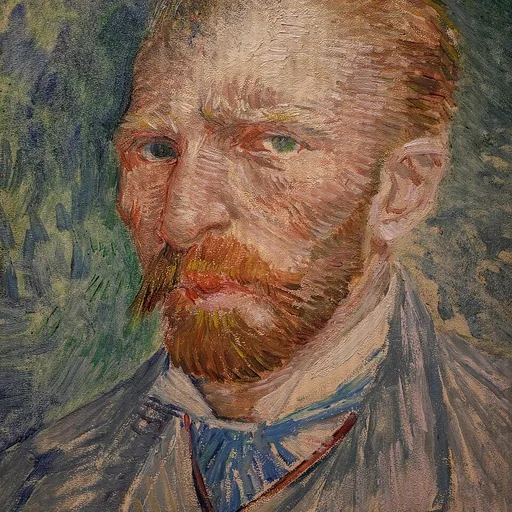
Vincent Willem van Gogh was a Dutch Post-Impressionist painter who is among the most famous and influential figures in the history of Western art.