Artwork
Winter (The Vicarage Garden under Snow)
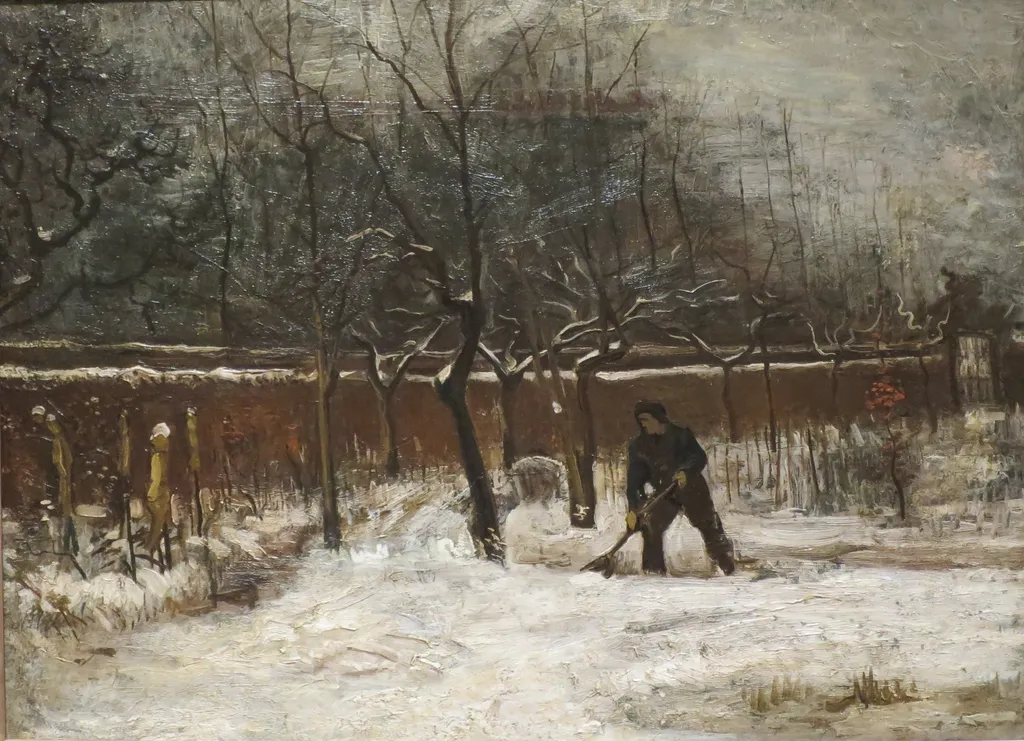
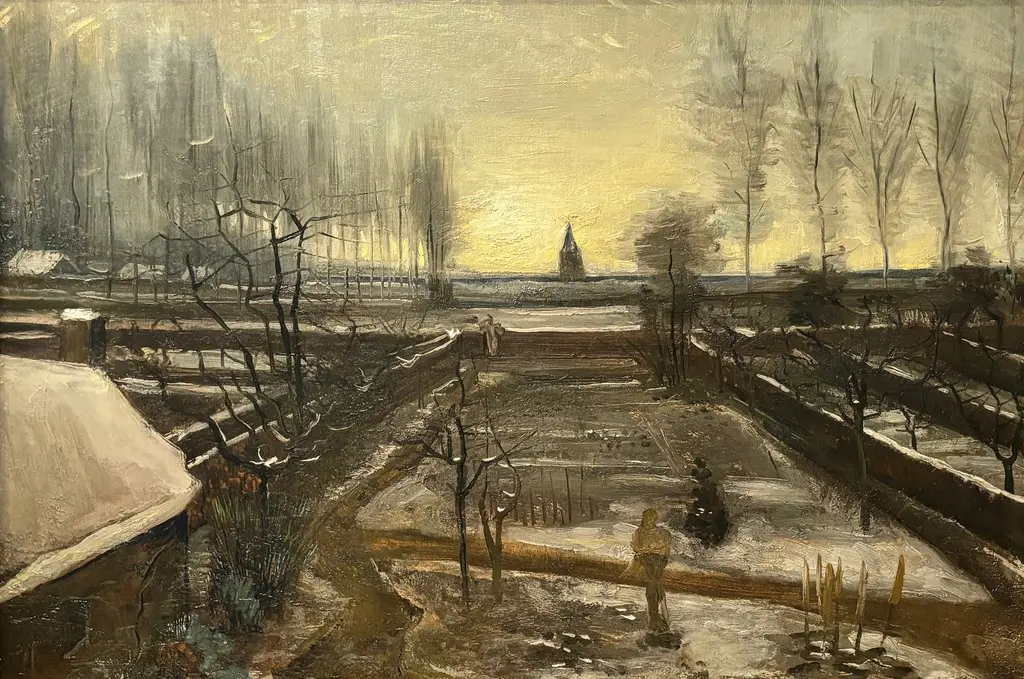
Winter (The Vicarage Garden under Snow) is an oil painting by the Post-Impressionist artist Vincent van Gogh. It dates from 1893 and is held in the collection of the Norton Simon Museum.
About this work
Overview
Vincent van Gogh painted Winter (The Vicarage Garden under Snow) in 1893 using oil on canvas. The work portrays a snow‑covered courtyard belonging to a clergy house, with a garden and a solitary plant visible amid the winter landscape. It is part of the collection of the Norton Simon Museum.
Subject & Meaning
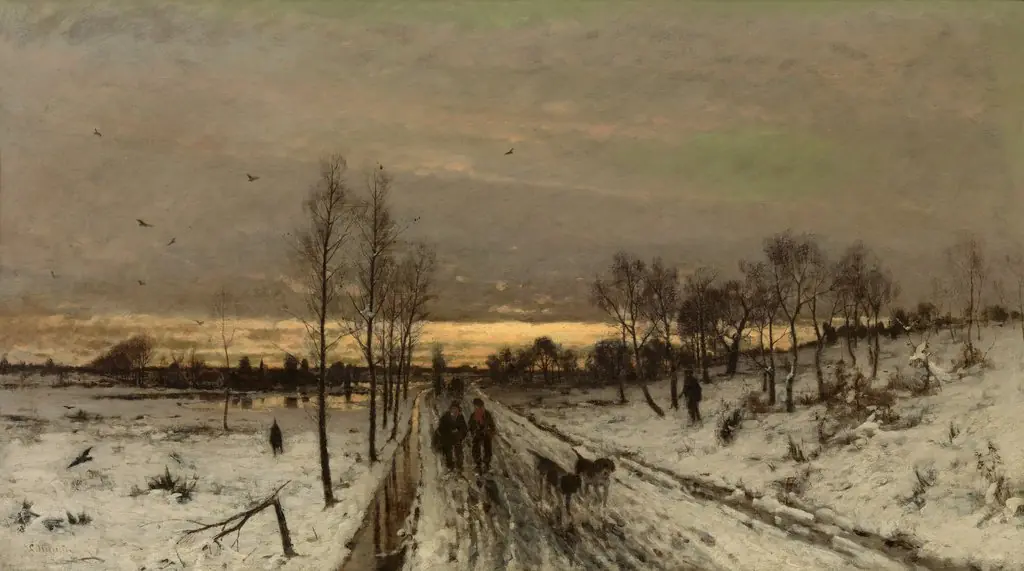
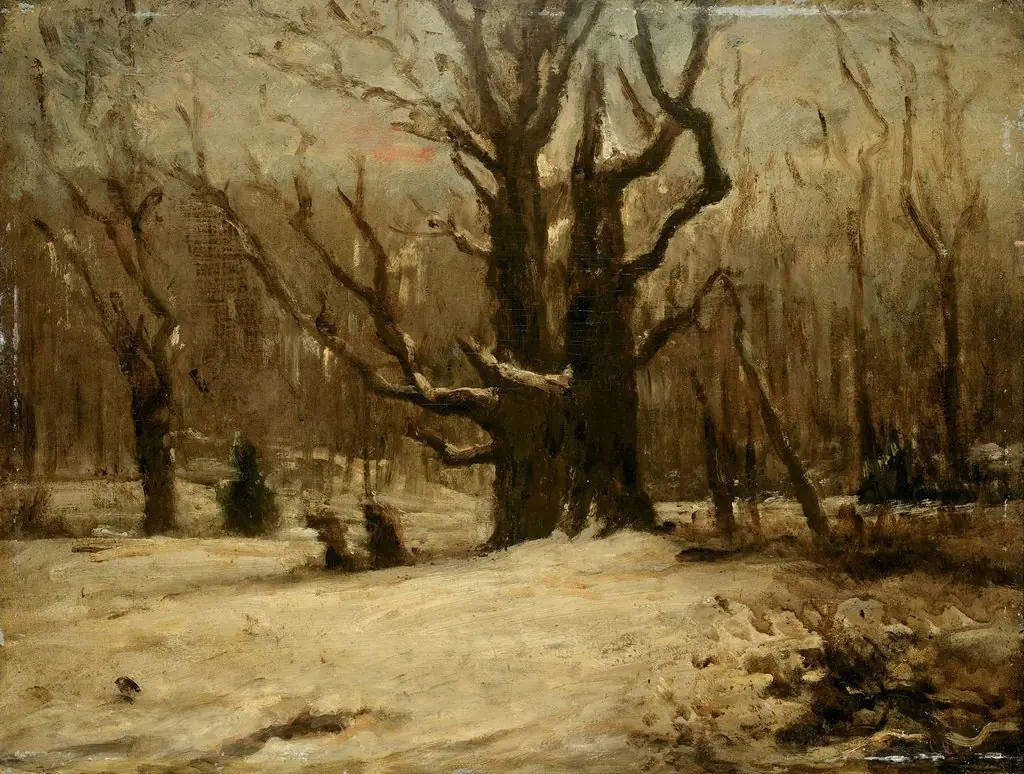
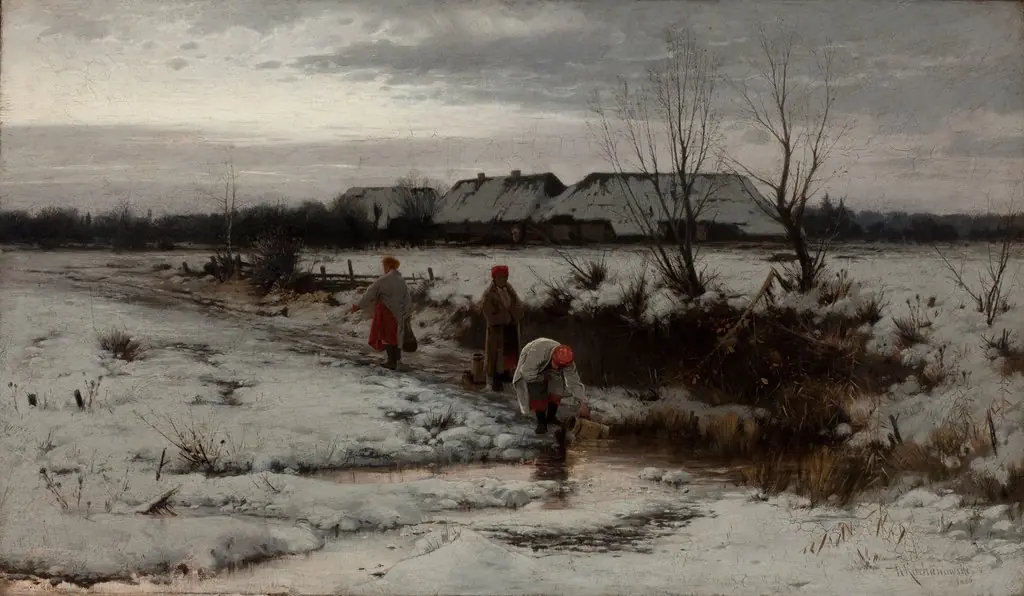
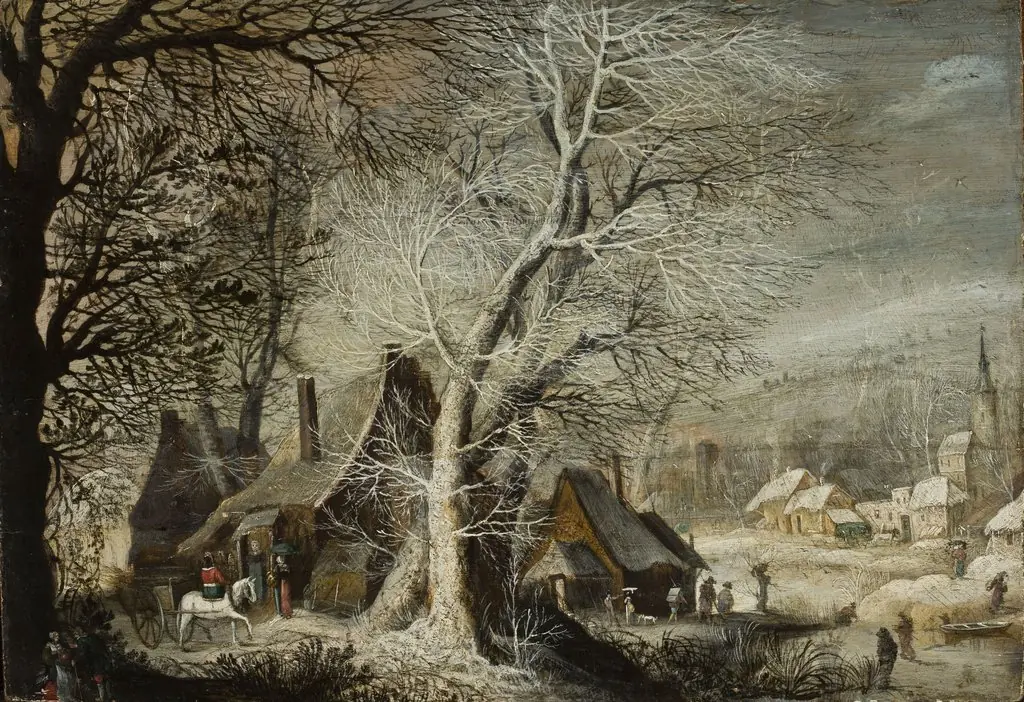
The composition centers on a yard blanketed in deep snow, where a man in dark clothing shovels near a fence while another figure in a yellow coat stands farther back. The stark, leafless trees and the muted sky emphasize the quiet, cold atmosphere of a rural winter scene.
Technique & Style
Van Gogh employs short, choppy brushstrokes that build a thick, impasto surface, giving the snow a piled, tactile quality. The visible texture of the paint and the rough handling of form convey the biting chill and the weight of the snowfall, while the limited palette reinforces the subdued mood.
History & Provenance
Created during van Gogh’s later period, the painting entered the Norton Simon Museum’s holdings, where it remains on display. Its acquisition history reflects the museum’s focus on 19th‑century European art and its commitment to preserving works from the artist’s final years.
Context
The work belongs to van Gogh’s series of winter scenes, a time when he explored the effects of light and atmosphere in cold weather. The depiction of a vicarage garden connects to his interest in everyday rural life, echoing the genre tradition of portraying ordinary labor and domestic settings.
Artist & collection
Artist
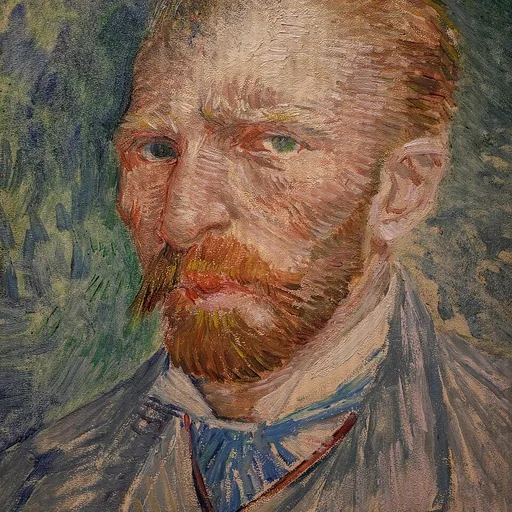
Vincent Willem van Gogh was a Dutch Post-Impressionist painter who is among the most famous and influential figures in the history of Western art.