Artwork
Madonna and Child with two Saints
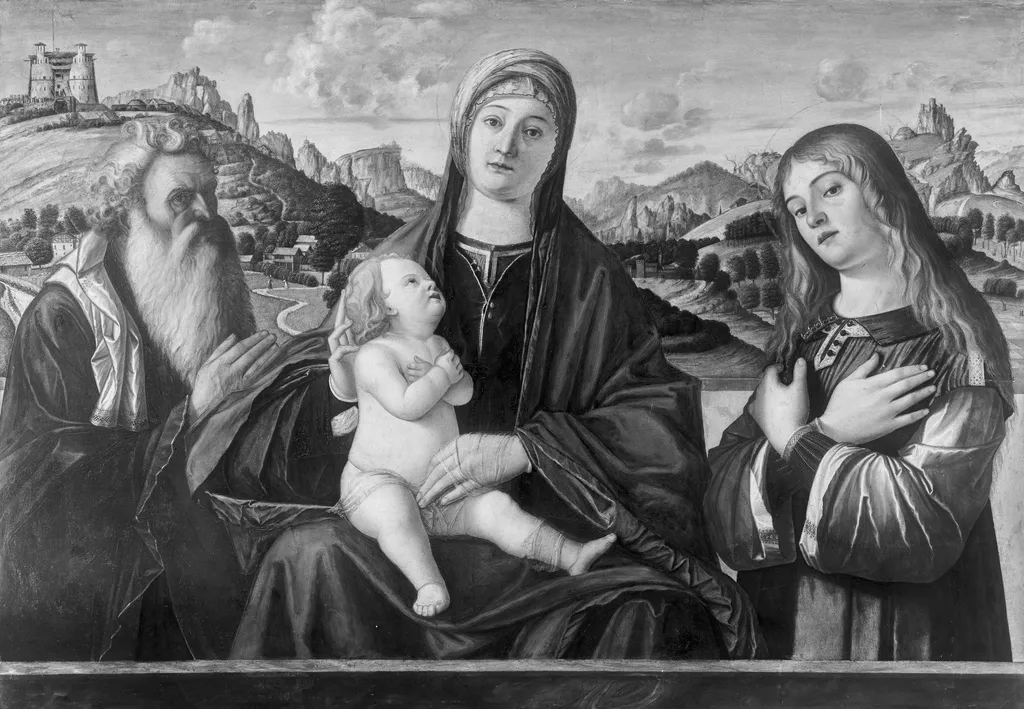
Madonna and Child with two Saints is a paint painting by the Early Renaissance artist Vittore Carpaccio. It dates from 1496 and is held in the collection of the Gemäldegalerie Berlin.
About this work
Overview
Madonna and Child with two Saints is a 1496 tempera painting by Vittore Carpaccio, a Venetian early Renaissance artist. The work belongs to the religious genre and is housed at the Gemäldegalerie Berlin.
Subject & Meaning
The painting depicts a serene scene of the Virgin Mary centrally positioned, holding the Christ Child, accompanied by two saints: one kneeling beside Mary and another not visually described here but implied in the title. The Christ Child reaches out to the kneeling saint, conveying a sense of gentle interaction.
Technique & Style
Carpaccio's style, influenced by his mentor Gentile Bellini, Antonello da Messina, and Early Netherlandish painting, is characterized by precise architectural details and vibrant coloration. The use of chiaroscuro creates sharp depth, separating the figures through contrasting light and shadow.
History & Provenance
Created in 1496, the painting's provenance is traced to its current location at the Gemäldegalerie Berlin, though the path of ownership leading there is not detailed here.
Context
Reflecting early Renaissance Venetian art, the piece adheres to period stylistic conventions while incorporating Carpaccio's distinctive blend of influences, notably in its architectural backdrop featuring a distant tower and winding road set against a rocky landscape.
Legacy
While specific lasting impacts or notable exhibitions of *Madonna and Child with two Saints* are not highlighted, the work contributes to the broader understanding of Carpaccio's contribution to the early Renaissance, particularly in Venice.
Artist & collection
Artist
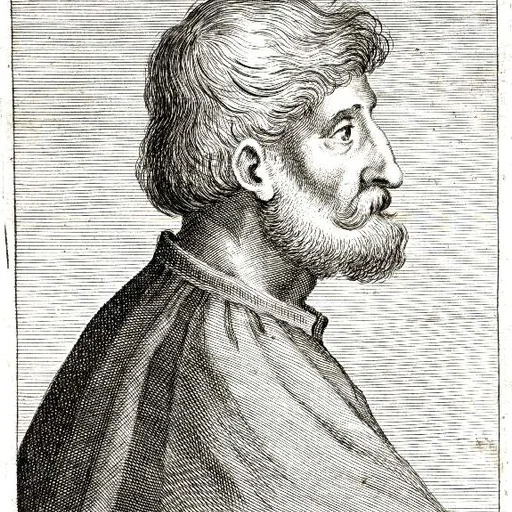
Vittore Carpaccio (UK: kar-PATCH-ee-oh, US: -PAHTCH-, Italian: ; c. 1460/65 – c. 1525) was an Italian painter of the Venetian school who studied under Gentile Bellini. Carpaccio was largely influenced by the style of…

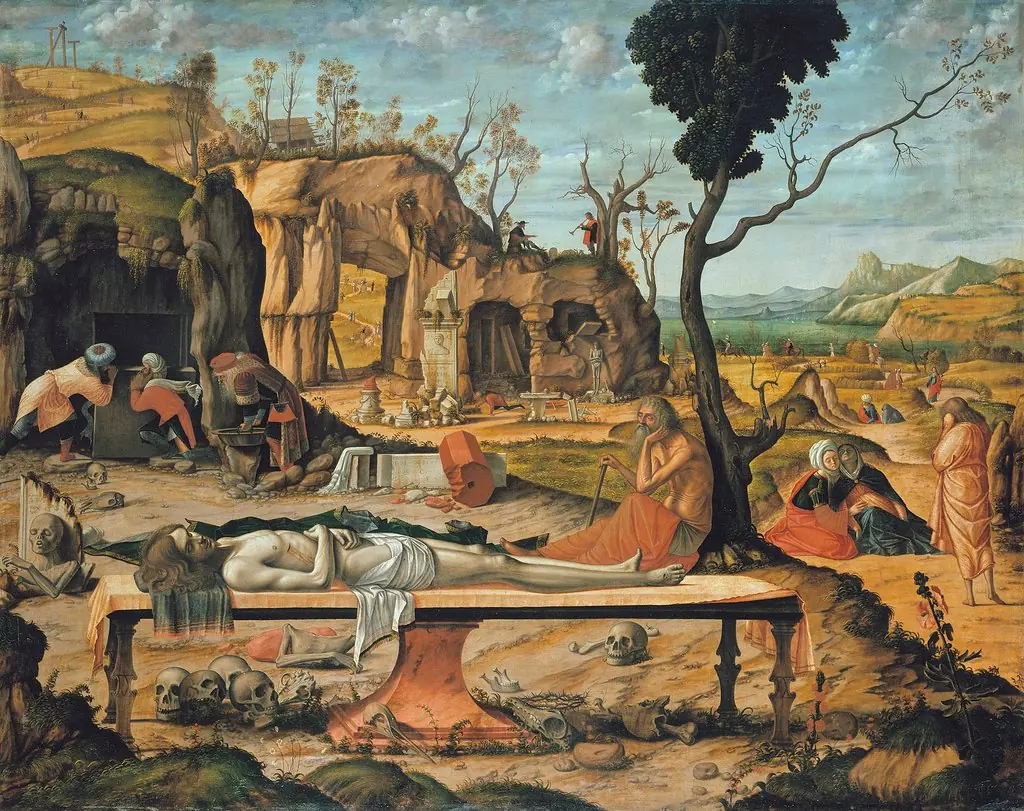
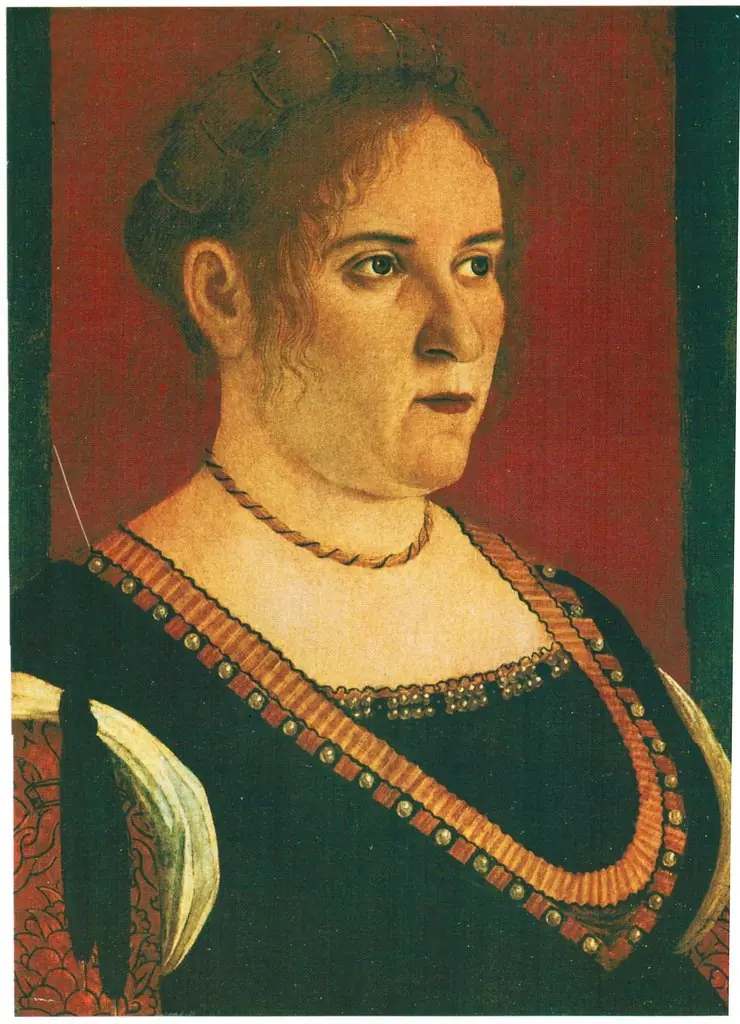
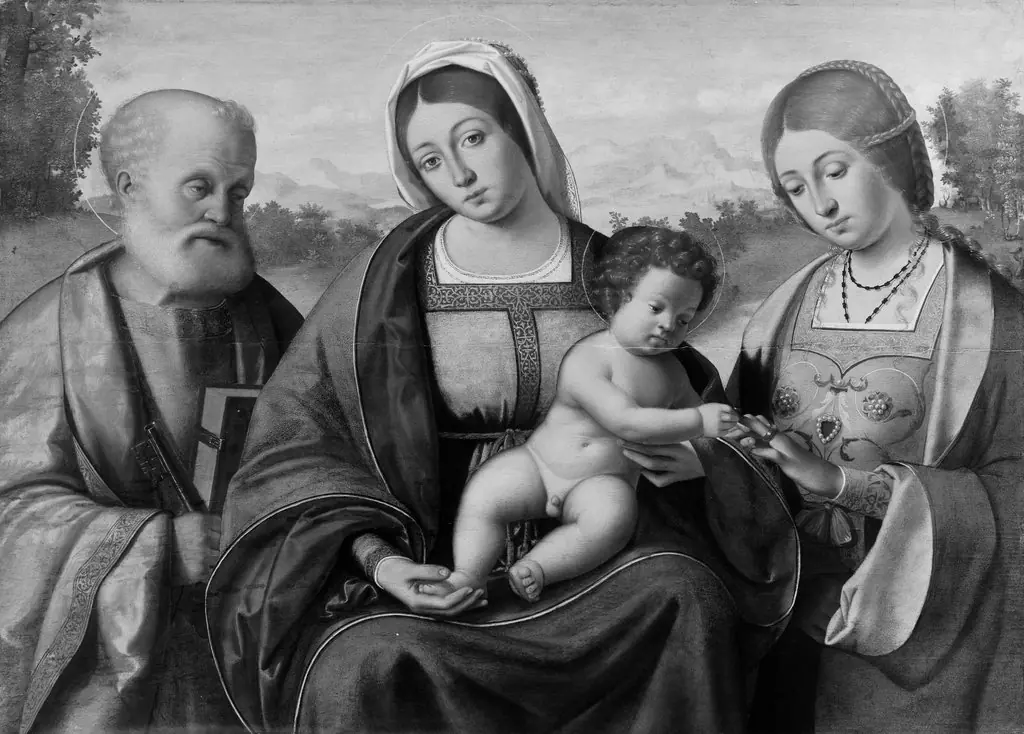 The engagement of Saint Catherine
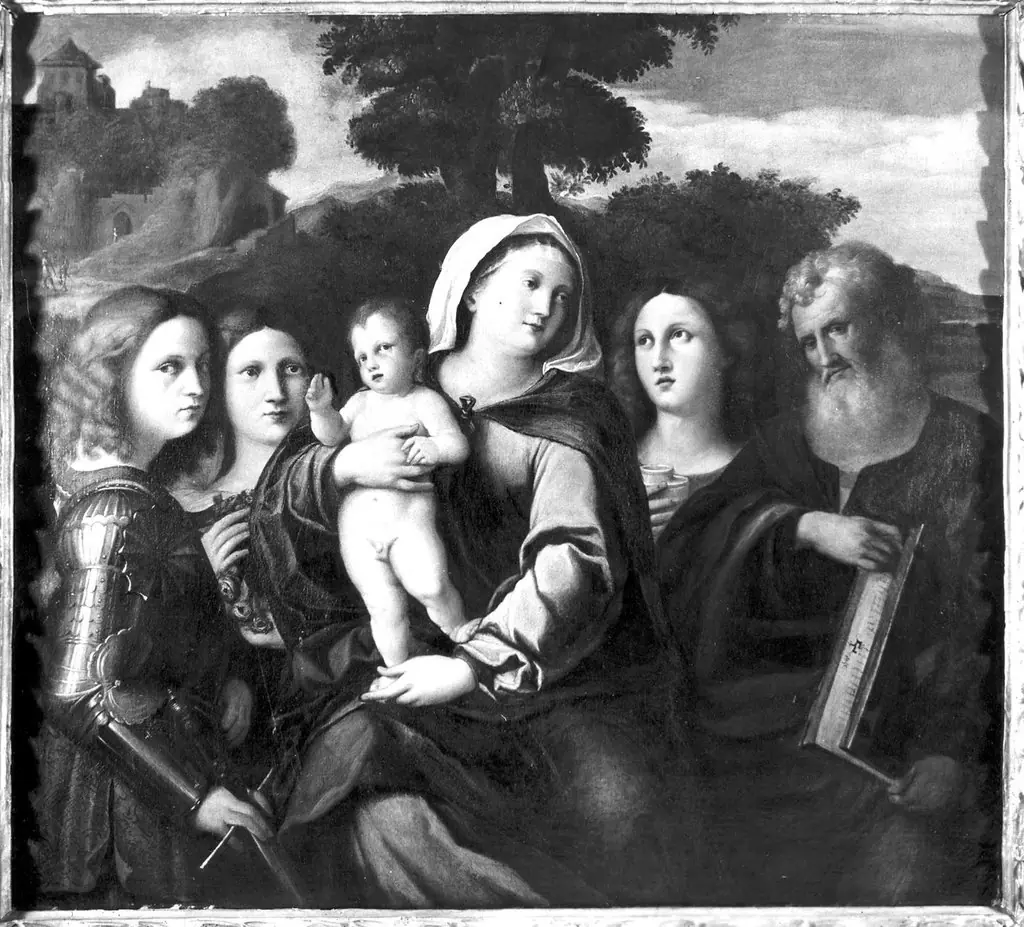 Mary with the Child and four Saints in front of a Landscape
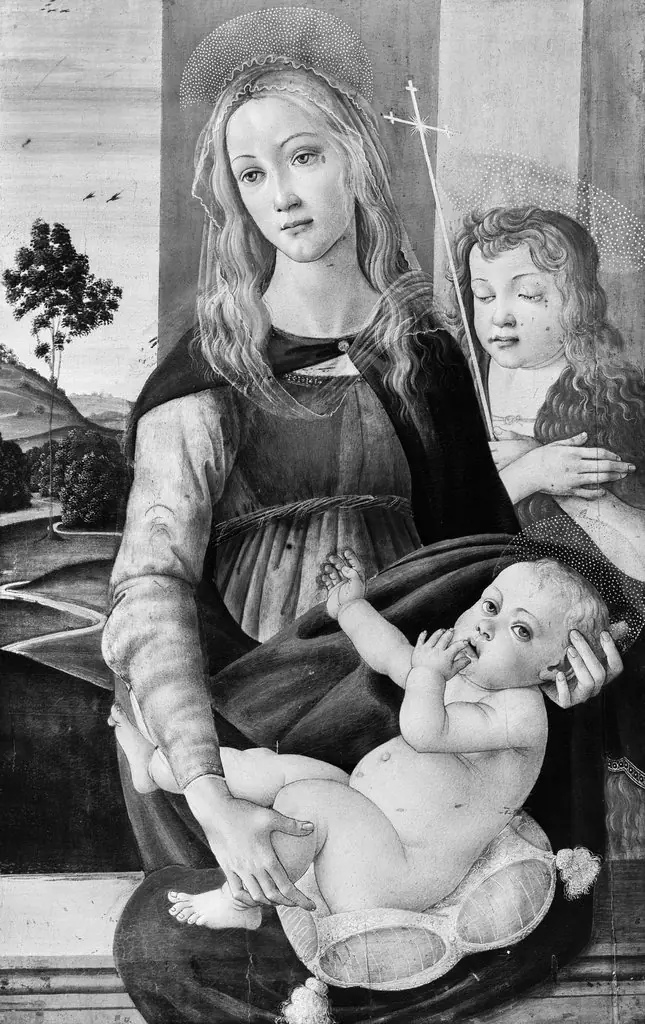 Virgin and Child with young st. John
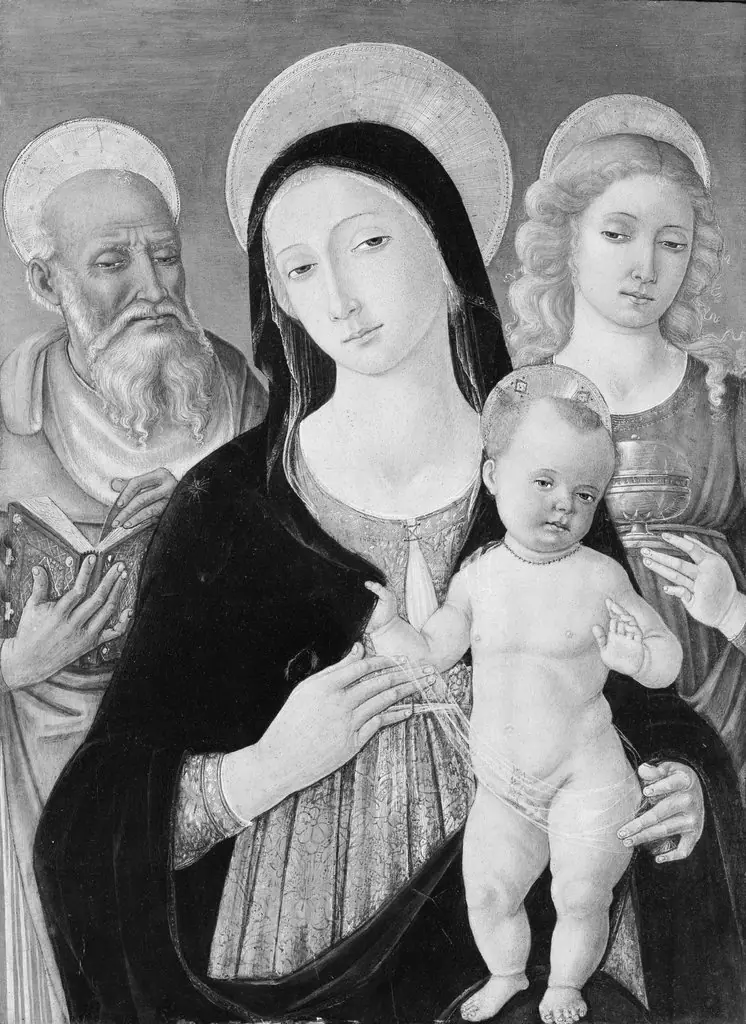 Madonna and Child with Saints Jerome and Mary Magdalen
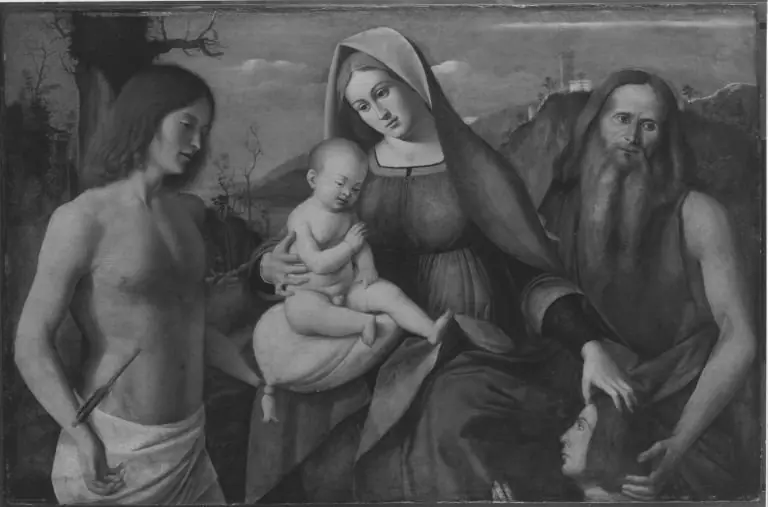 Madonna and Child, Saints Jeronimo, Sebastian und a donor
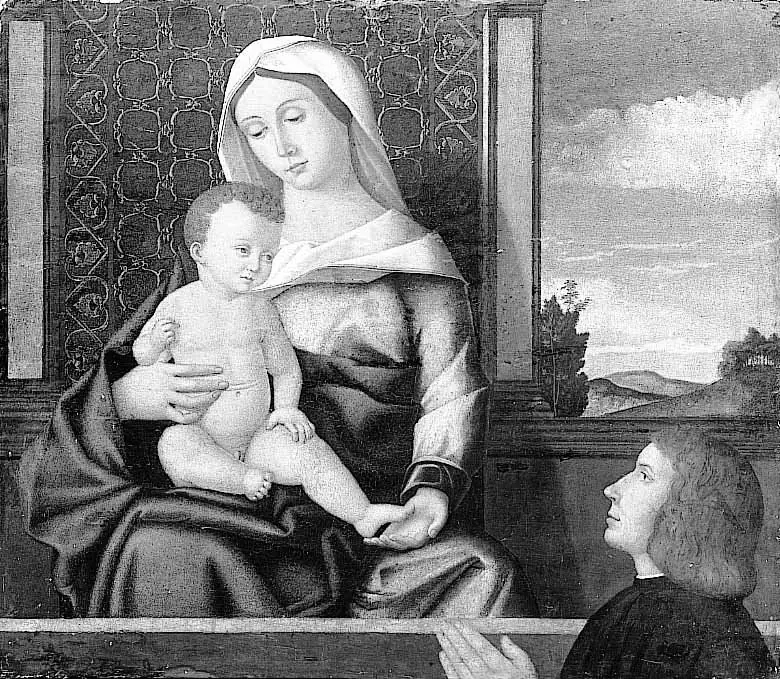 The Virgin and Child with a Donor
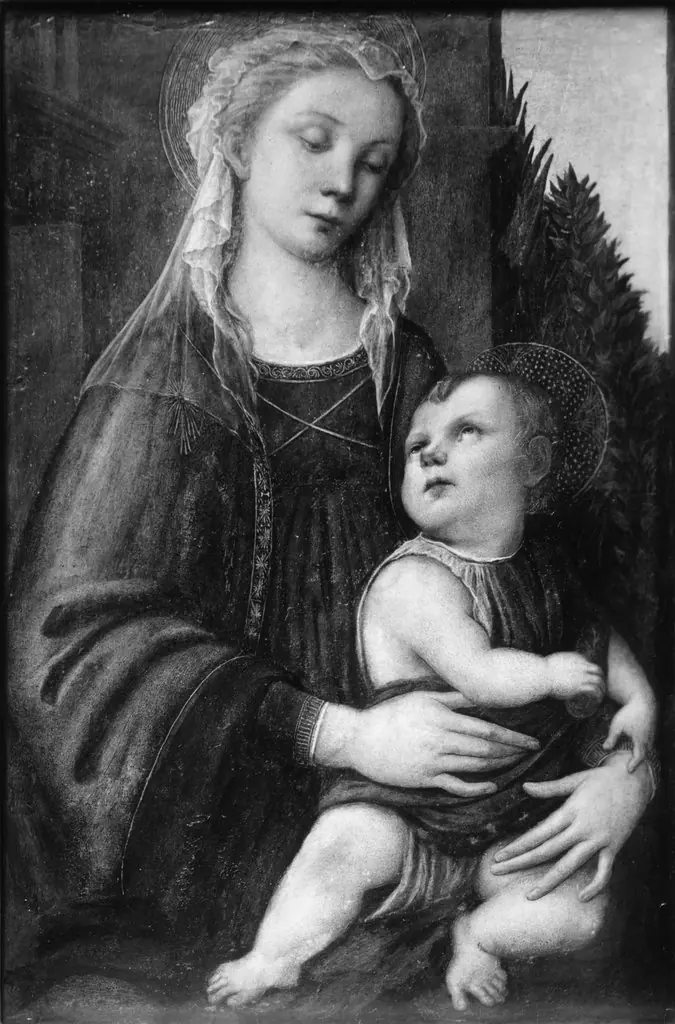 Madonna and Child
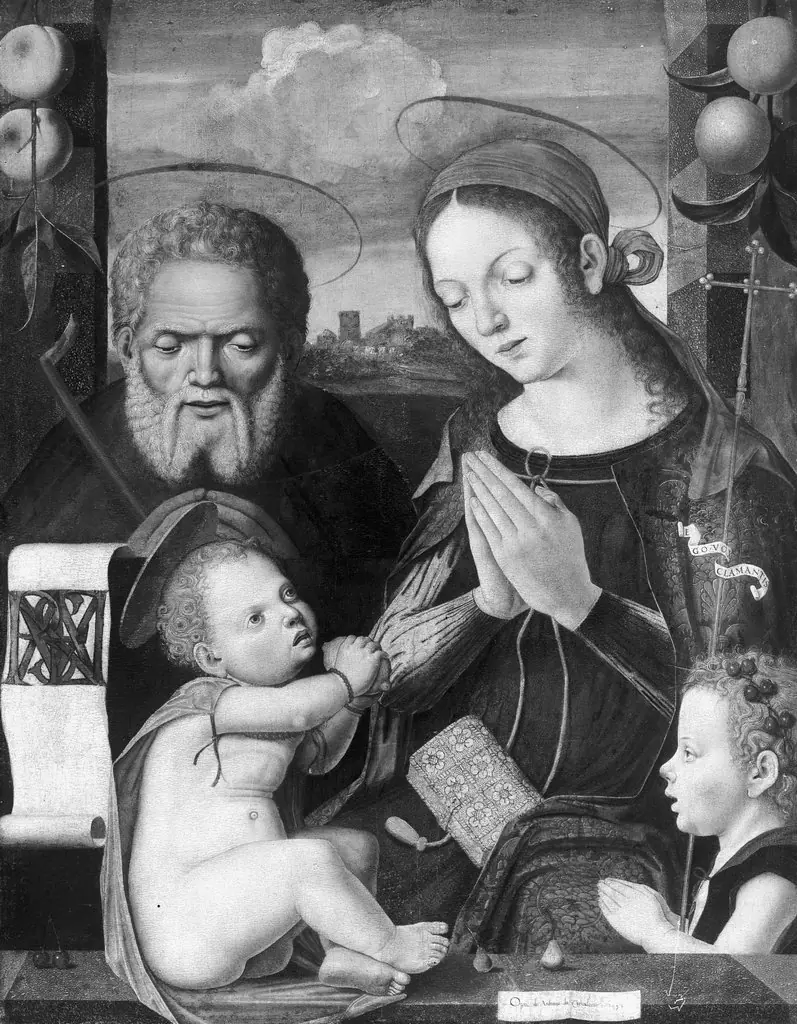 The Holy Family with little John
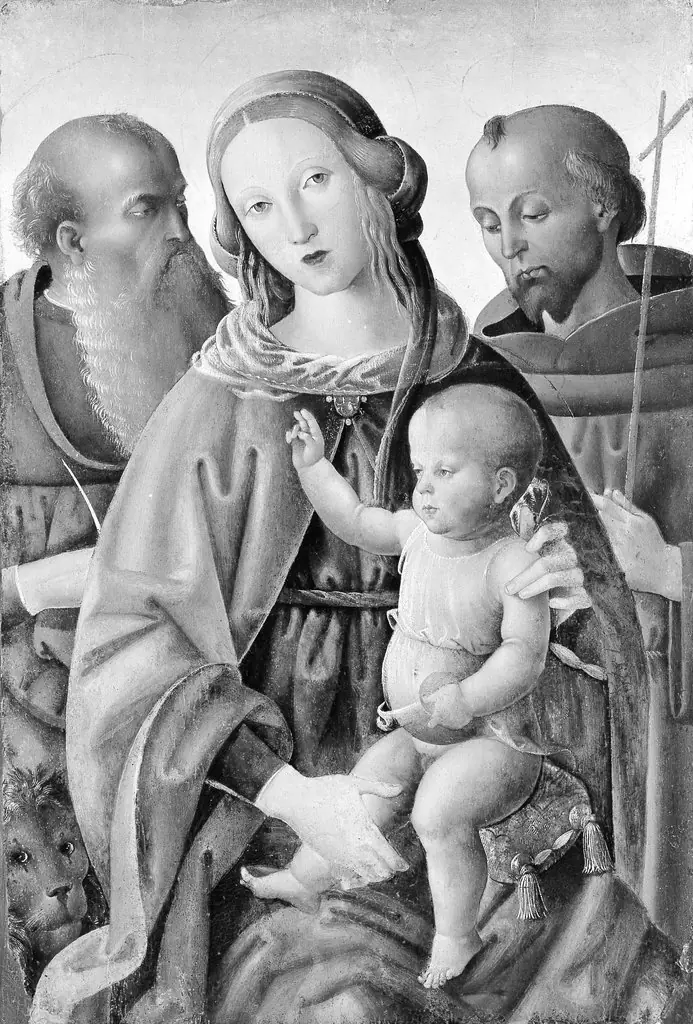 Madonna and Child with Saints Jerome and Francis
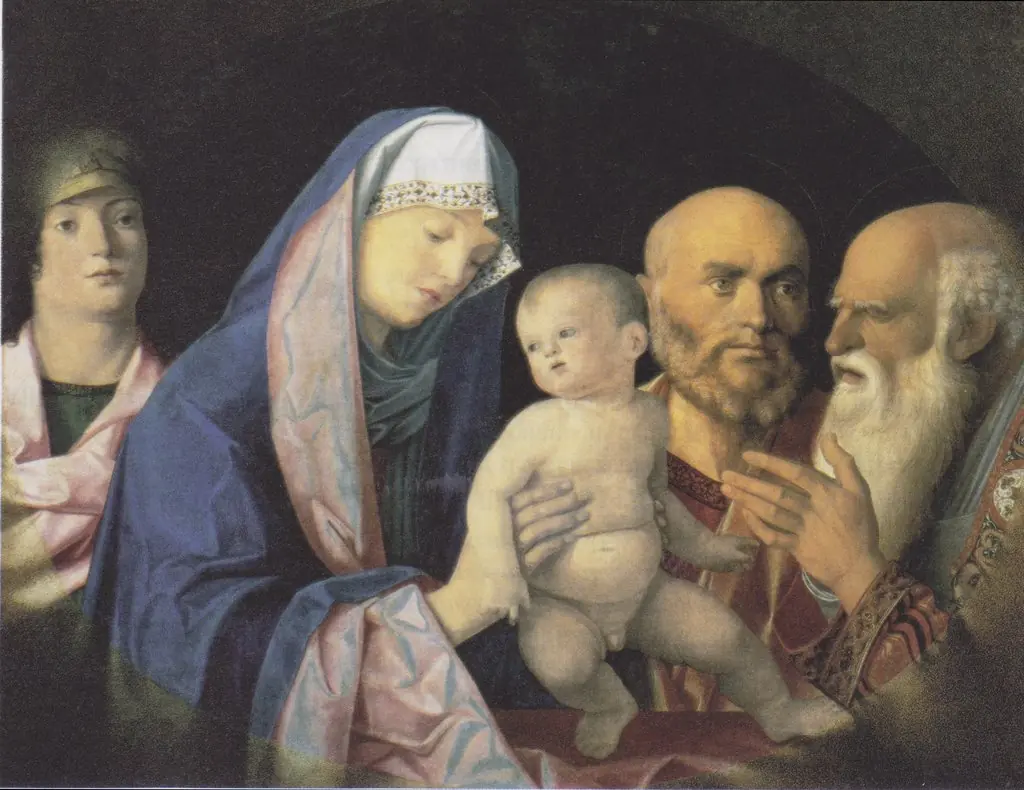 Presentation of Jesus