Artwork
The Holy Family with little John
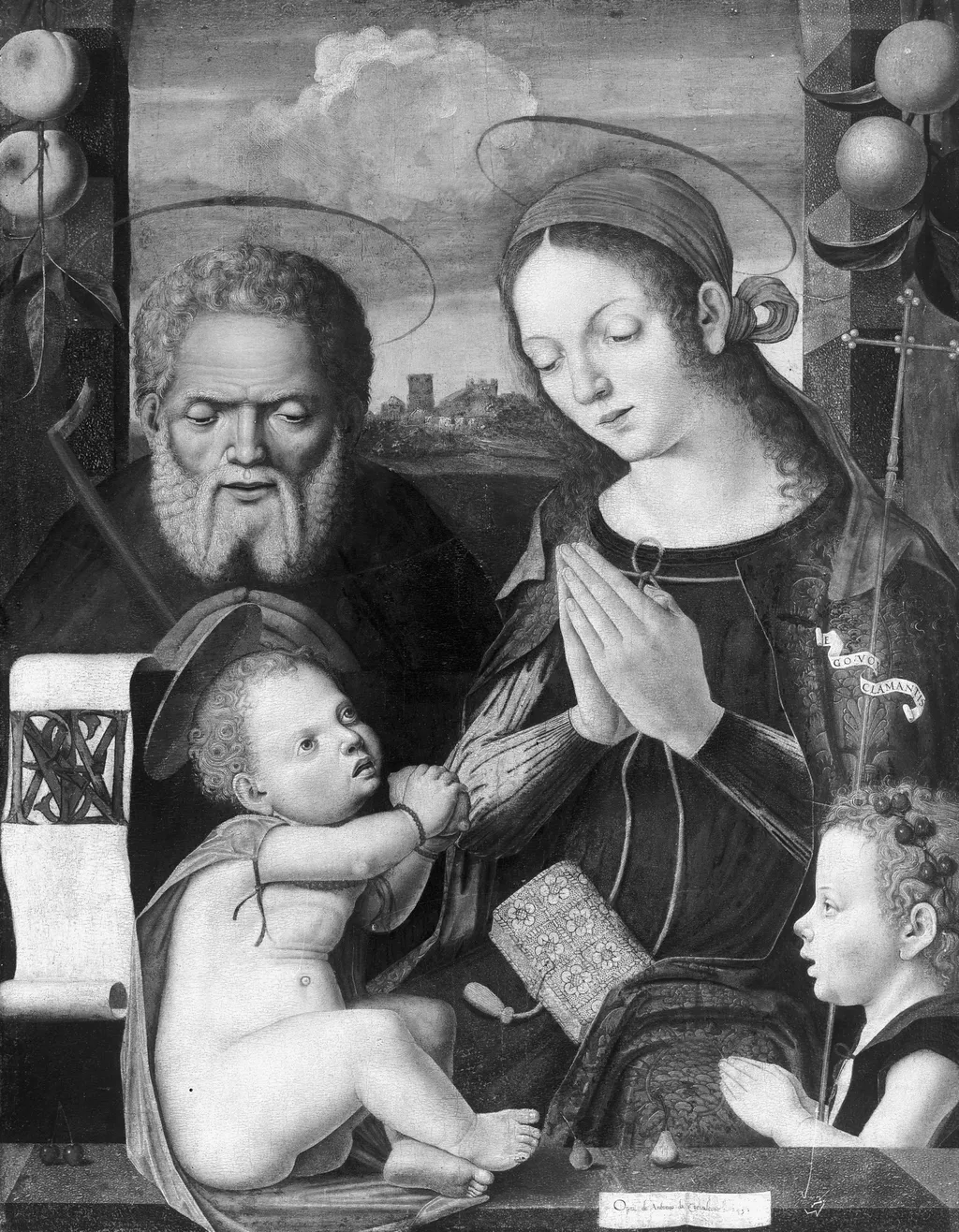
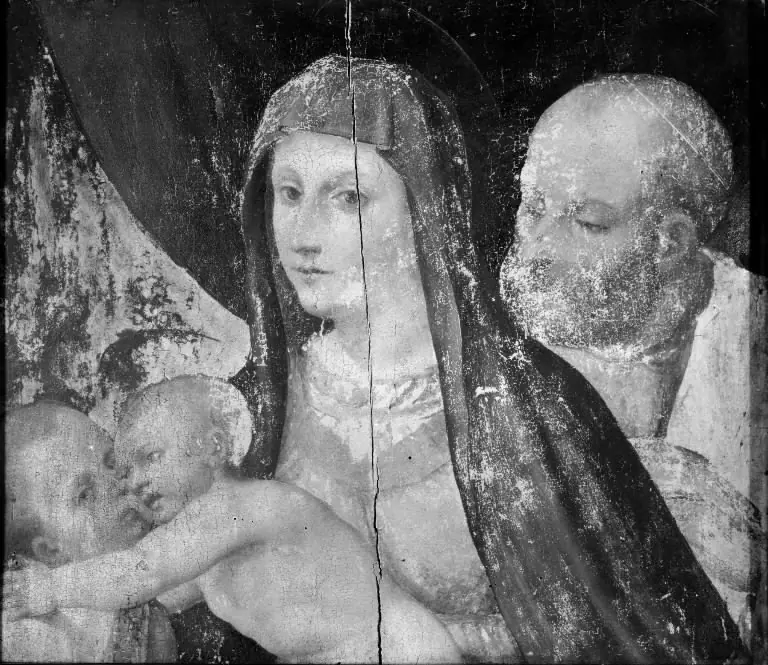
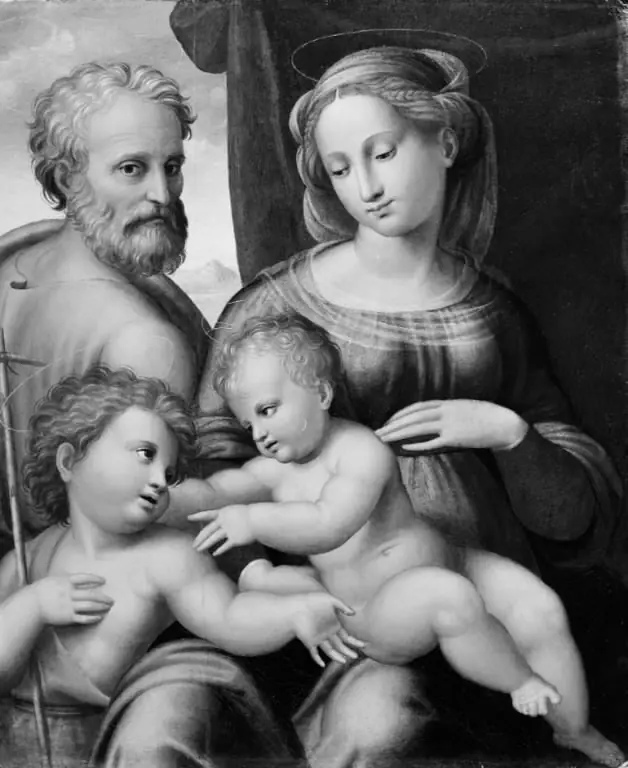
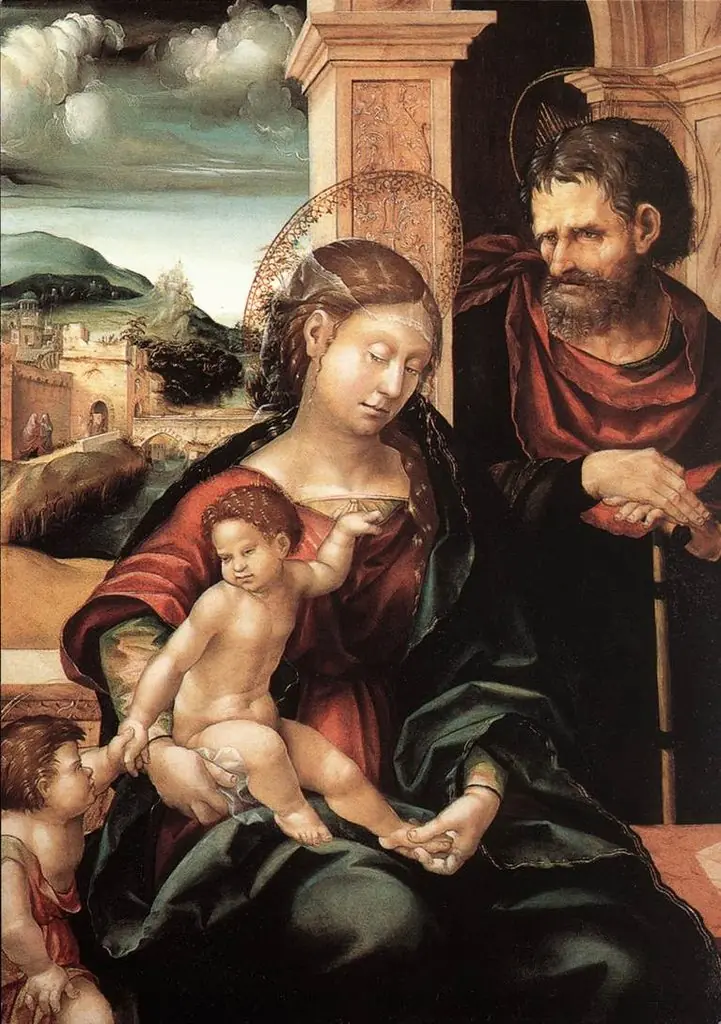
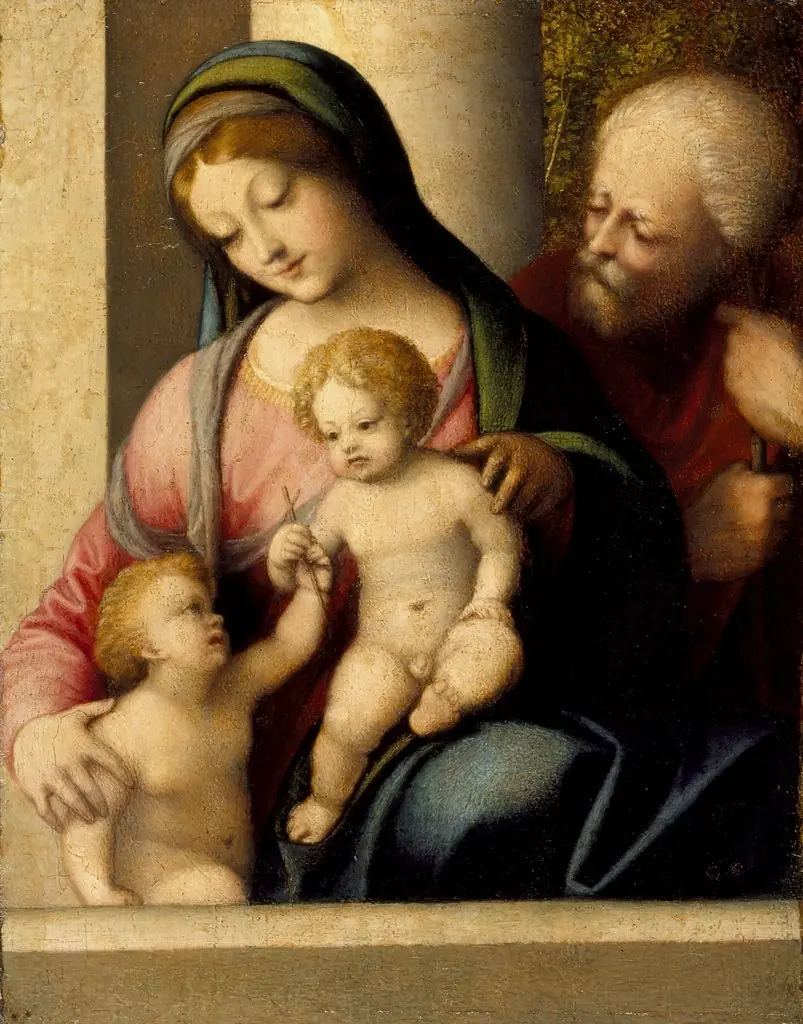
The Holy Family with little John is a paint painting by the Early Renaissance artist Antonio Leonelli. It dates from 1453 and is held in the collection of the Gemäldegalerie Berlin.
About this work
Overview
Executed in tempera or oil on panel, it reflects the quiet piety characteristic of early Renaissance religious art in northern Italy.
Painted in 1453 by Antonio Leonelli, this devotional panel depicts the Holy Family alongside the young John the Baptist. Executed in tempera or oil on panel, it reflects the quiet piety characteristic of early Renaissance religious art in northern Italy. The work is part of the Gemäldegalerie Berlin’s collection, where it remains a modest but carefully rendered example of regional devotional painting from the mid-15th century.
Subject & Meaning
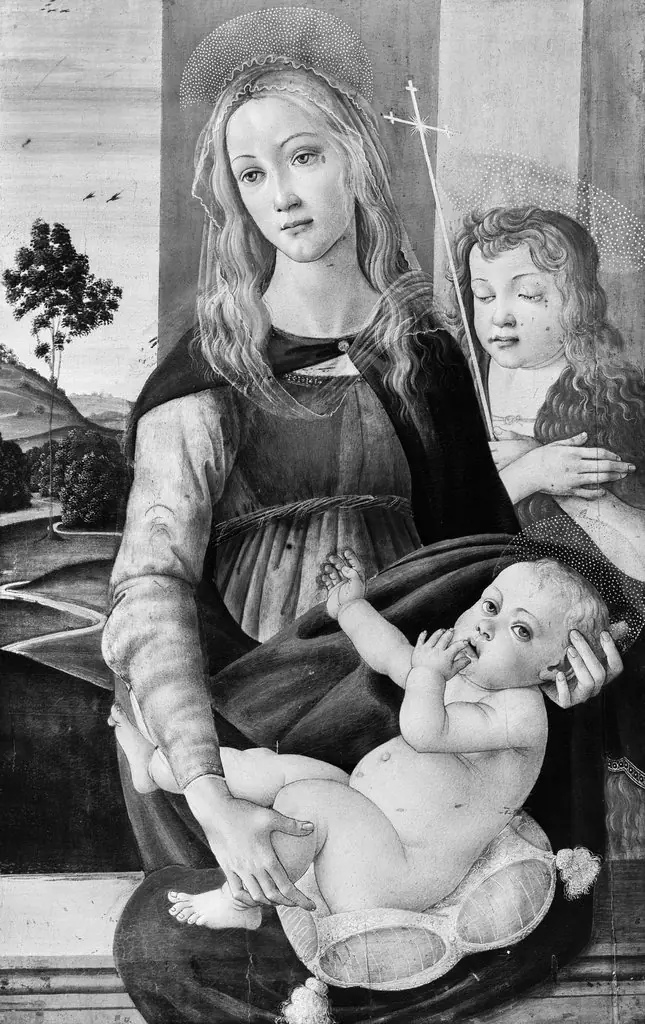
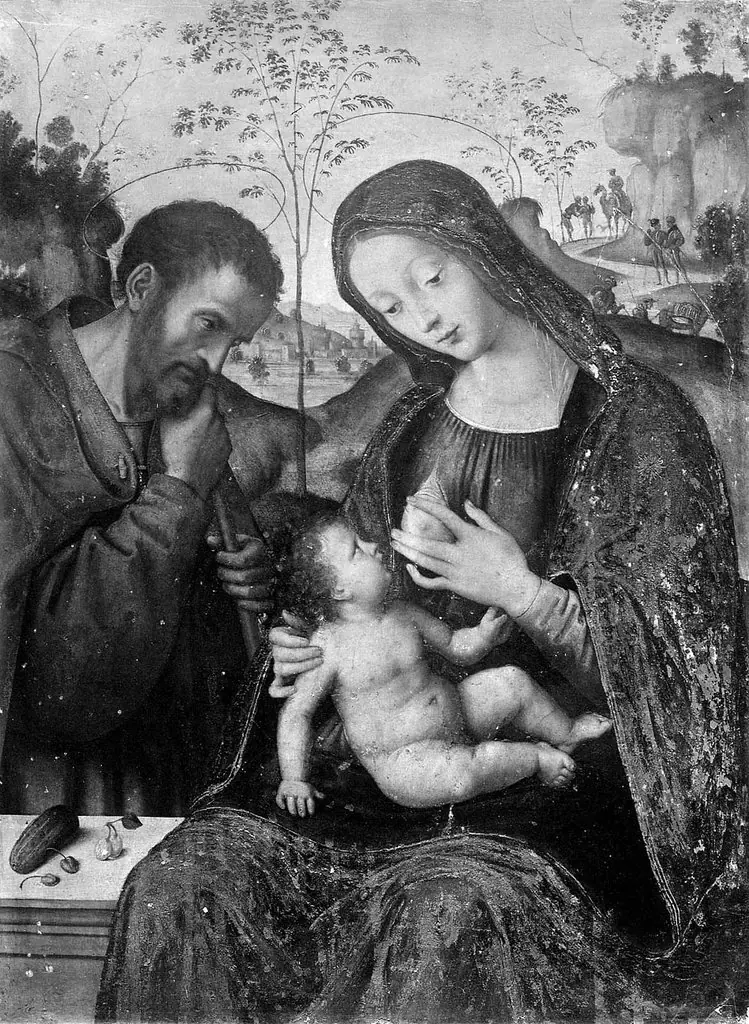
The composition centers on Mary seated in prayer, with the infant Jesus on her lap, engaged with a length of string—a symbol of Christ’s future sacrifice. Joseph stands silently behind her, his gaze downward, conveying contemplation. The young John the Baptist, positioned to the right, observes Jesus with reverent hands clasped, foreshadowing his role as prophet and baptizer. The scene emphasizes familial tenderness and spiritual anticipation rather than grandeur.
Technique & Style
Leonelli employs subtle chiaroscuro to model the figures with soft volume, enhancing their three-dimensionality without dramatic contrast. The figures are arranged in a compact, intimate group, framed by a window revealing a distant landscape. His style shows clear affinities with Ferrarese painting, particularly in the delicate facial features and restrained use of color, reflecting the influence of artists like Cosmè Tura without overt stylistic flourish.
History & Provenance
The painting’s early history is undocumented, but it entered the Gemäldegalerie Berlin’s collection in the 19th century, likely through acquisitions of Italian Renaissance works. Its attribution to Leonelli, a Bolognese painter active in the 1450s, is based on stylistic comparison with other regional works. No records of its original commission or location survive, suggesting it may have been created for private devotion rather than public worship.
Context
In mid-15th-century Bologna, religious imagery often emphasized personal piety and domestic intimacy, reflecting broader devotional trends in northern Italy. Leonelli’s work aligns with a local tradition that favored quiet, emotionally restrained scenes over theatrical narratives. The inclusion of John the Baptist as a child, rather than an adult, reflects a growing interest in the early lives of biblical figures, particularly in mendicant-influenced circles.
Legacy
Though Leonelli was not a major figure in the broader Renaissance canon, this painting exemplifies the quiet, localized styles that flourished outside Florence and Venice. It contributes to understanding how religious themes were adapted in smaller urban centers, where artists synthesized regional influences into personal, intimate expressions of faith. The work remains a quiet testament to the devotional culture of its time.
Artist & collection
Artist
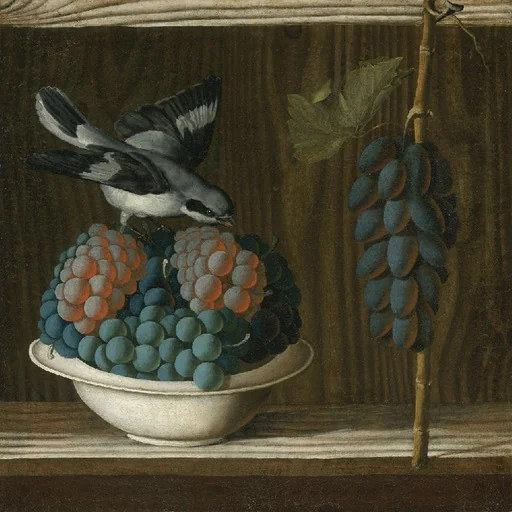
Antonio Leonelli or Antonio da Crevalcore (c. 1438–1441, in Crevalcore – after 1515 or 1525, in Bologna) was an Italian painter, mainly of still-life painting and some sacred subjects. Leonalli is considered by many to…