Artwork
The Rat Catcher
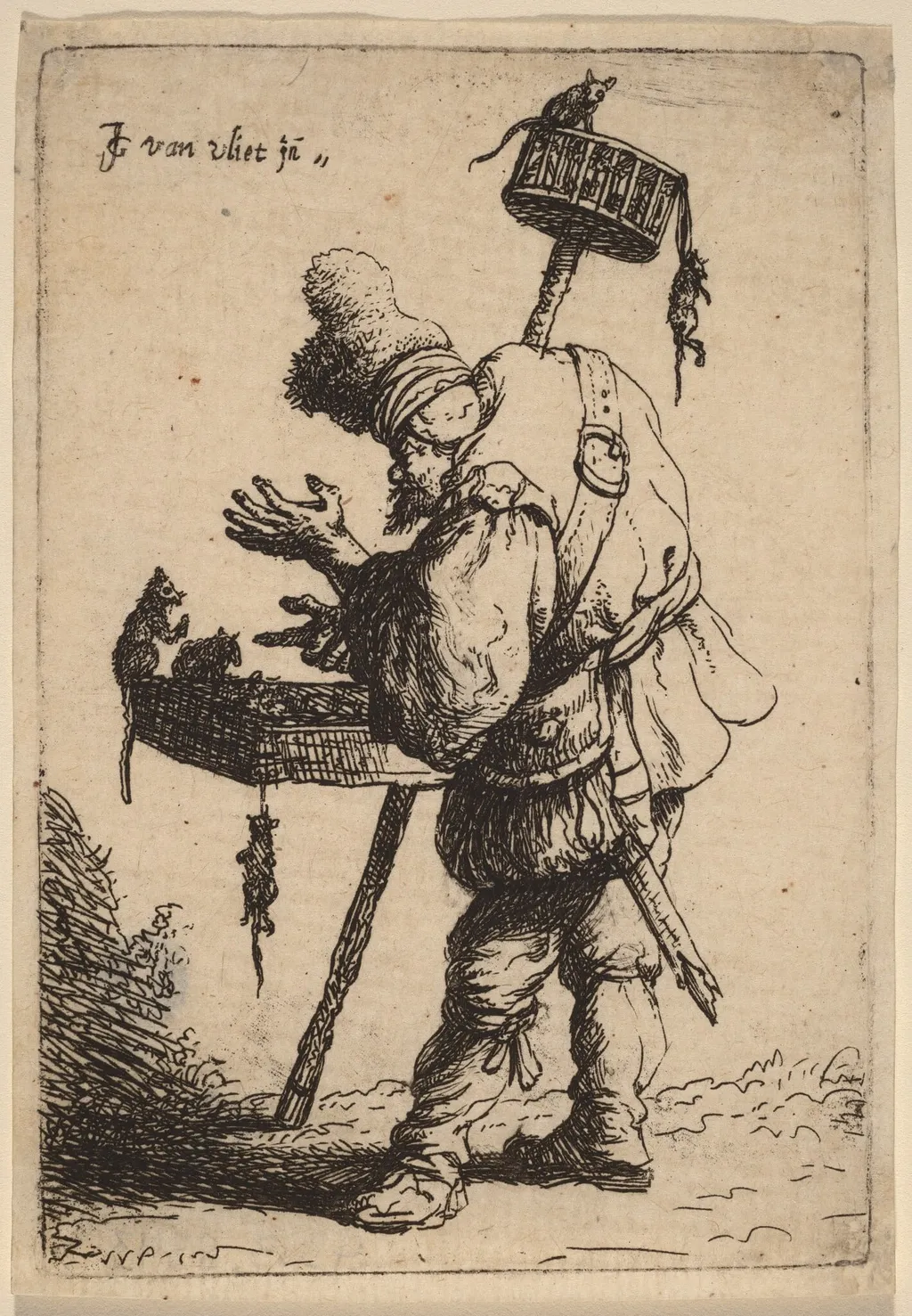
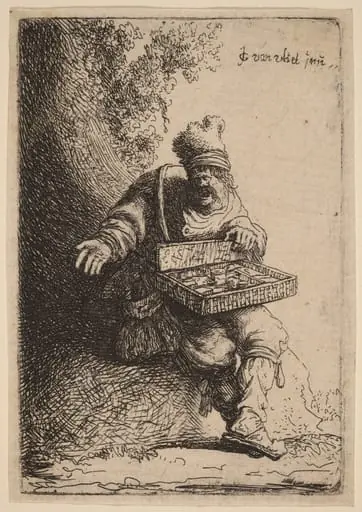
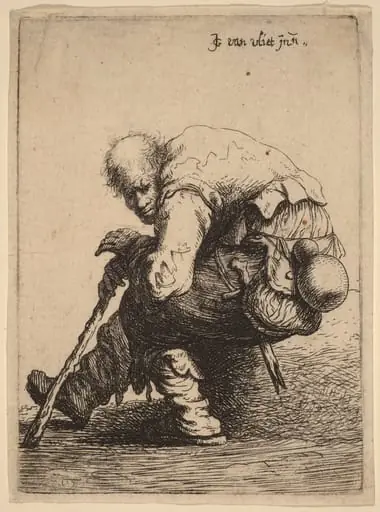
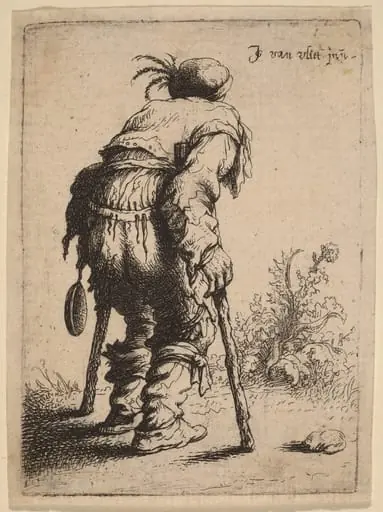
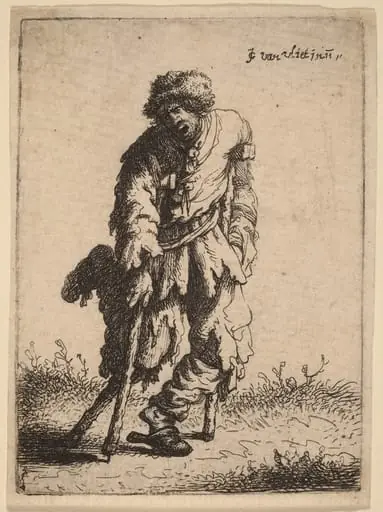
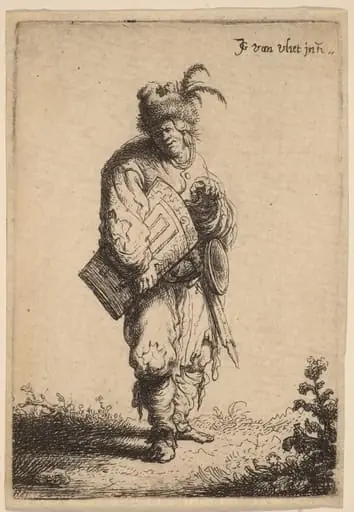
The Rat Catcher is an ink print by the Baroque artist Johannes van Vliet. It dates from 1632 and is held in the collection of the National Gallery of Art.
About this work
Overview
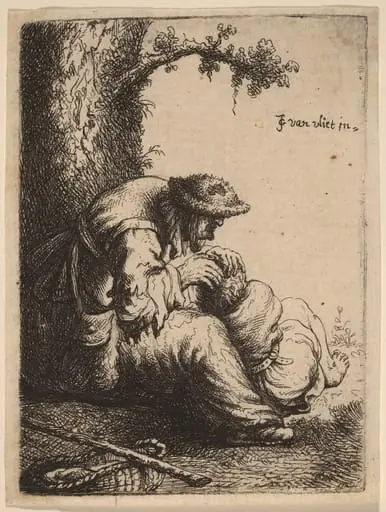
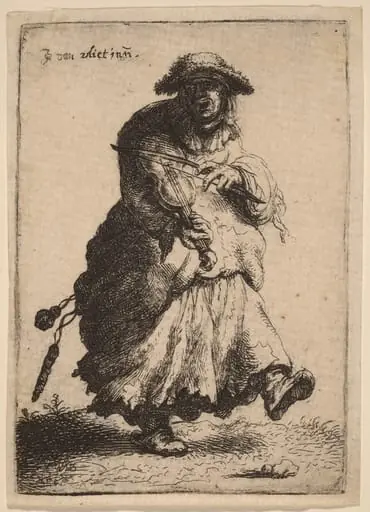
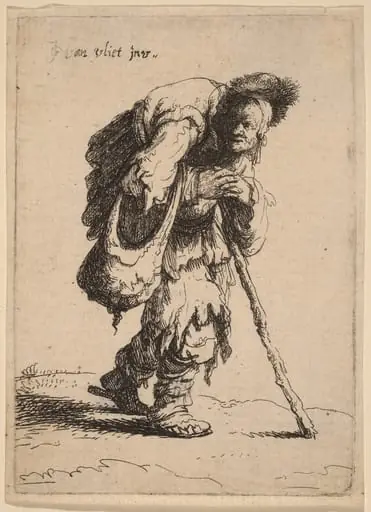
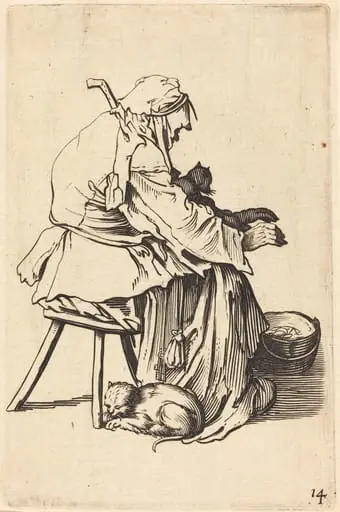
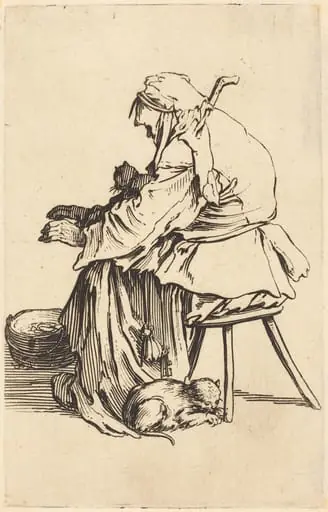
Johannes van Vliet’s 1632 etching, titled The Rat Catcher, presents a solitary figure burdened with a basket brimming with rats. The composition captures the man’s strained posture, arms extended as if supporting an oppressive load, while a cat perches inside the basket, observing the vermin below. A single rat clings to the catcher’s hat, adding a touch of irony to the scene.
Subject & Meaning
The work juxtaposes the practical task of pest control with a visual metaphor for toil and responsibility. By emphasizing the weight of the basket and the man’s effort, van Vliet suggests that the act of catching rats transcends mere occupation, hinting at broader themes of labor, burden, and perhaps societal pestilence.
Technique & Style
Executed in etching, the image is rendered with vigorous, uneven lines that convey immediacy and texture. The scratchy incisions create a raw, almost urgent atmosphere, reinforcing the physical strain of the figure and the chaotic nature of the rats within the confined space.
History & Provenance
Created in the early seventeenth century, The Rat Catcher reflects van Vliet’s engagement with everyday subjects during the Dutch Golden Age. While specific ownership records are scarce, the print has been catalogued among his oeuvre and appears in several collections of Dutch printmaking from the period.
Context
In the 1630s, Dutch artists frequently depicted genre scenes that highlighted ordinary labor and domestic life. Van Vliet’s choice of a rat catcher aligns with this tradition, offering a glimpse into the urban concerns of the time, where vermin control was a common municipal issue.
Artist & collection