Artwork
The Fall into Infinity
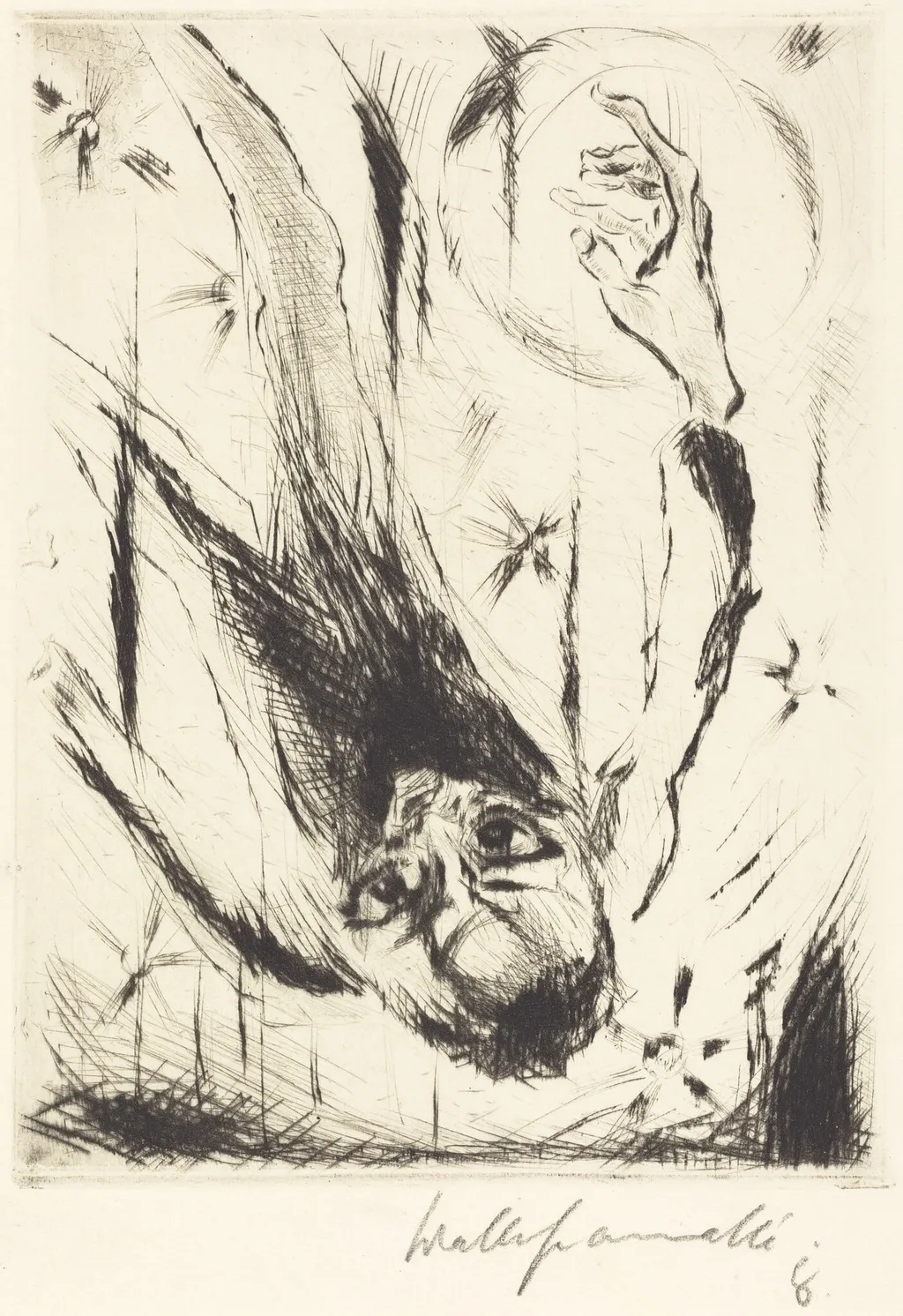
The Fall into Infinity is an ink print by Walter Gramatté. It dates from 1918 and is held in the collection of the National Gallery of Art.
About this work
Overview
Walter Gramatté’s 1918 dry‑point print, *The Fall into Infinity*, presents a solitary figure suspended in a dramatic plunge. Executed in stark black on laid paper, the composition captures a moment of suspended motion, the inverted body confronting the viewer with outstretched arms and a raised right hand, set against a chiaroscuro‑like backdrop of interwoven light and shadow.
Subject & Meaning
The central figure appears to be falling upside down, eyes fixed on the audience, suggesting a confrontation with the self or an existential descent. The gesture of the raised hand and the tension of the outstretched limbs convey a sense of yearning or resistance, inviting interpretations of personal crisis, spiritual surrender, or the struggle against an unseen force.
Technique & Style
Gramatté employed dry‑point, incising lines directly into the paper’s surface and printing them in deep black.
Gramatté employed dry‑point, incising lines directly into the paper’s surface and printing them in deep black. The resulting marks are bold and expressive, with the texture of the laid paper adding subtle tonal variation. The interplay of dense lines and lighter areas creates a dynamic sense of movement, echoing expressionist concerns with emotional intensity and the visual dramatization of inner states.
History & Provenance
Created in the final year of World War I, the print emerges from a period when Gramatté’s work was increasingly shaped by his wartime experiences and deteriorating health. It forms part of a larger body of introspective, symbolically charged prints that the artist produced during this tumultuous time, reflecting his personal and cultural anxieties.
Context
As a German expressionist associated with magic realism, Gramatté often infused natural motifs with mystical overtones. *The Fall into Infinity* aligns with this approach, using a solitary human form to explore broader metaphysical themes. The work’s stark monochrome palette and dramatic composition resonate with contemporary explorations of the human psyche amid the upheavals of early‑twentieth‑century Europe.
Artist & collection

Artist
Walter Gramatté (8 January 1897 in Berlin – 9 February 1929 in Hamburg) was a German expressionist painter who specialized in magic realism.

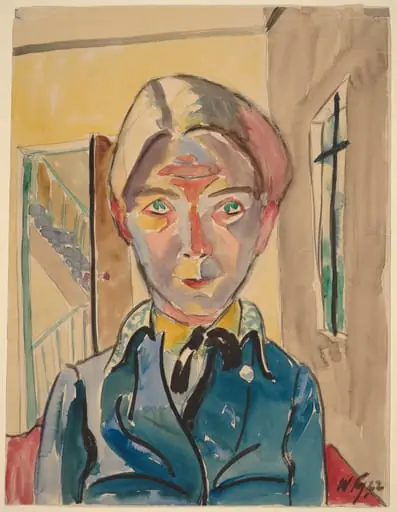 Self-Portrait in Front of Stairs (Selbst vor Treppe)
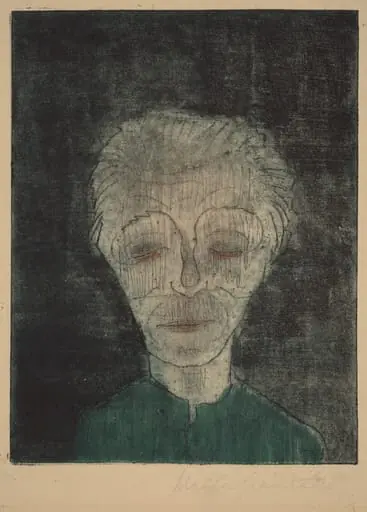 Tired Man (Self-Portrait)
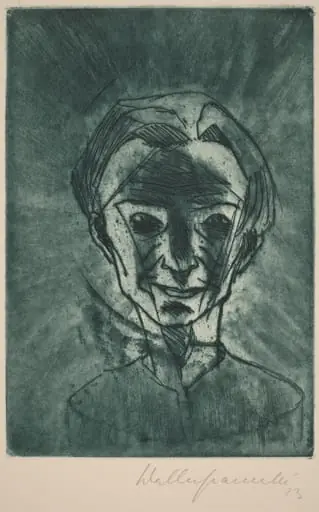 Smiling Head, Self-portrait (Lächelnder Kopf, Selbstporträt)
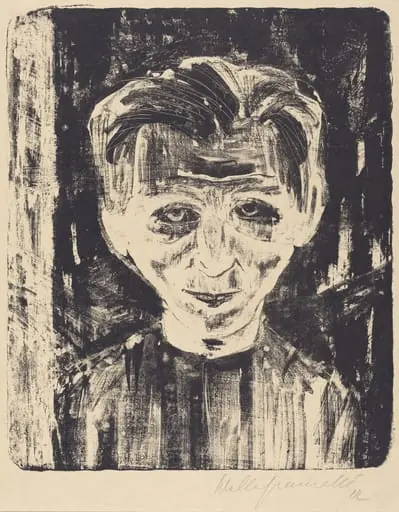 Self-Portrait
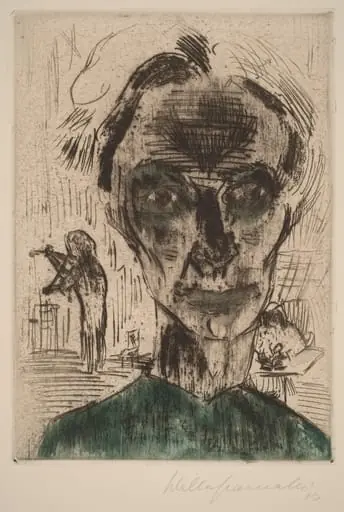 Man in a Room, Self-portrait
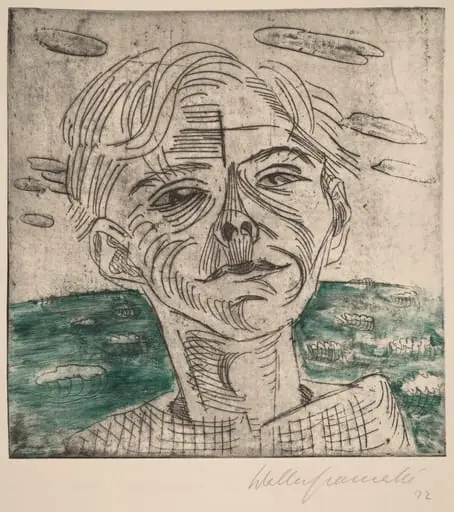 Man at the Sea, Self-portrait (Mann am Meer, Selbstporträt)
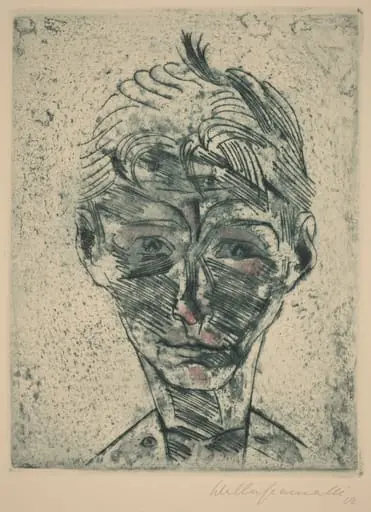 Bust of a Young Man, Self-portrait (Knabenkopf, Selbstporträt)
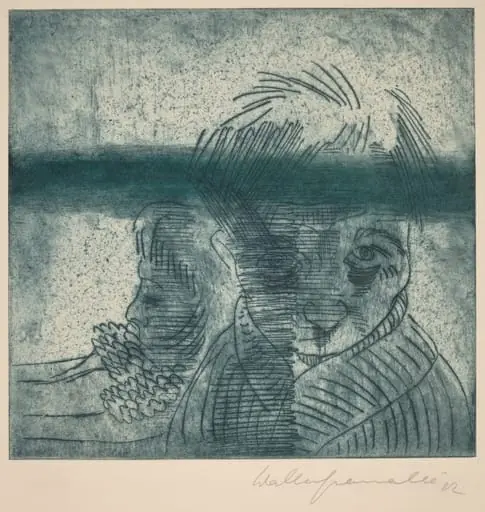 The Couple, Self-Portrait with Wife (Das Paar, Selbstporträt mit Frau)
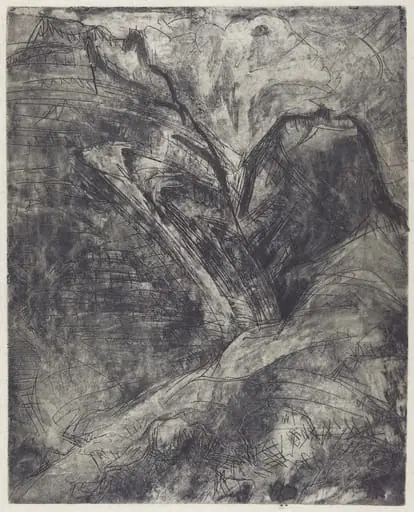 Mountains (Berge)
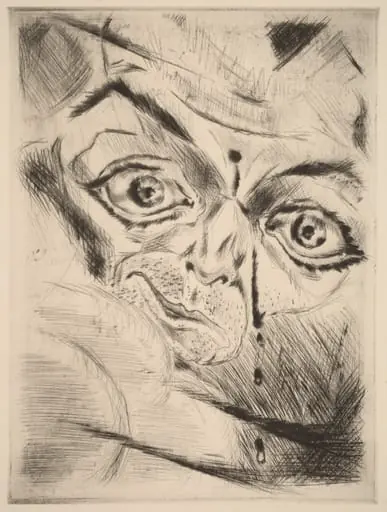 Peter with a Gunshot Wound in His Forehead
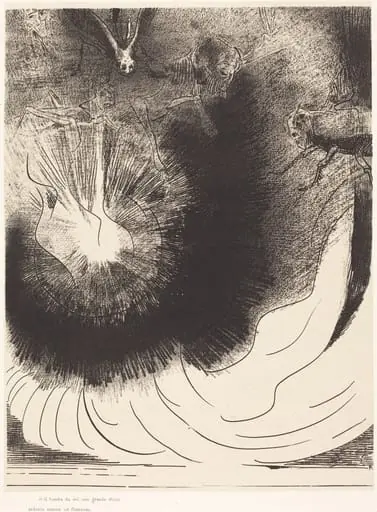 Et il tombe du ciel une grande etoile ardente (And there fell a great star from heaven burning as it were a lamp)
![Newborn in a Bonnet (Le nouveau-né au bonnet], by Eugène Carrière](https://artifactworldgallery.com/img/eugene-carriere--newborn-in-a-bonnet-le-nouveau-ne-au-bonnet--230a39adbc28b475-w320.webp) Newborn in a Bonnet (Le nouveau-né au bonnet]
Newborn in a Bonnet (Le nouveau-né au bonnet]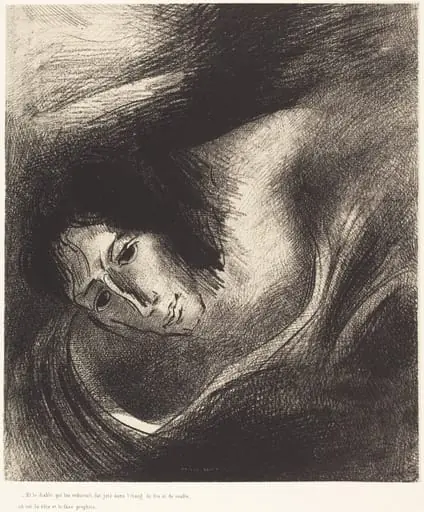 Et le diable qui les seduisait, fut jete dans l'etang de feu et de soufre, ou es la b ete et le faux prophete (And the devil thatdeceived them was cast into the lake of fire and brimstone, where the beast and the false prophet are)
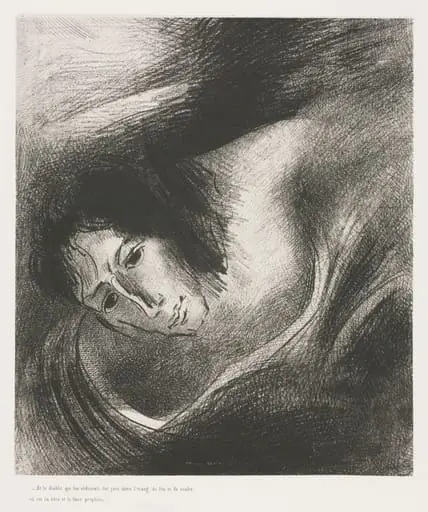 And the Devil That Deceived Them was Cast into the Lake of Fire and Brimstone, Where the Beast and the False Prophet Are
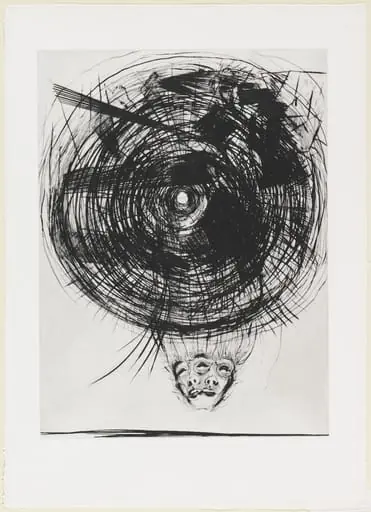 Untitled
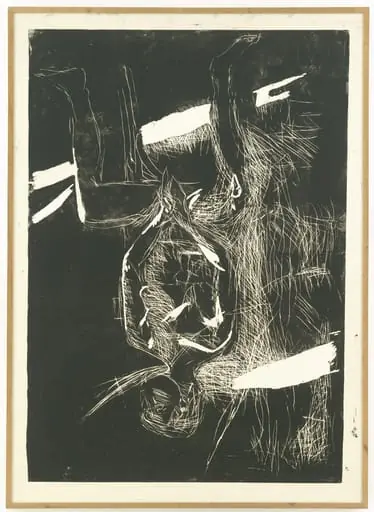 Untitled
 Untitled
 Cheval aile (Winged Horse)
 Girl with Hand
 The Fall of Man (Der Sündenfall)