Artwork
Salomeea
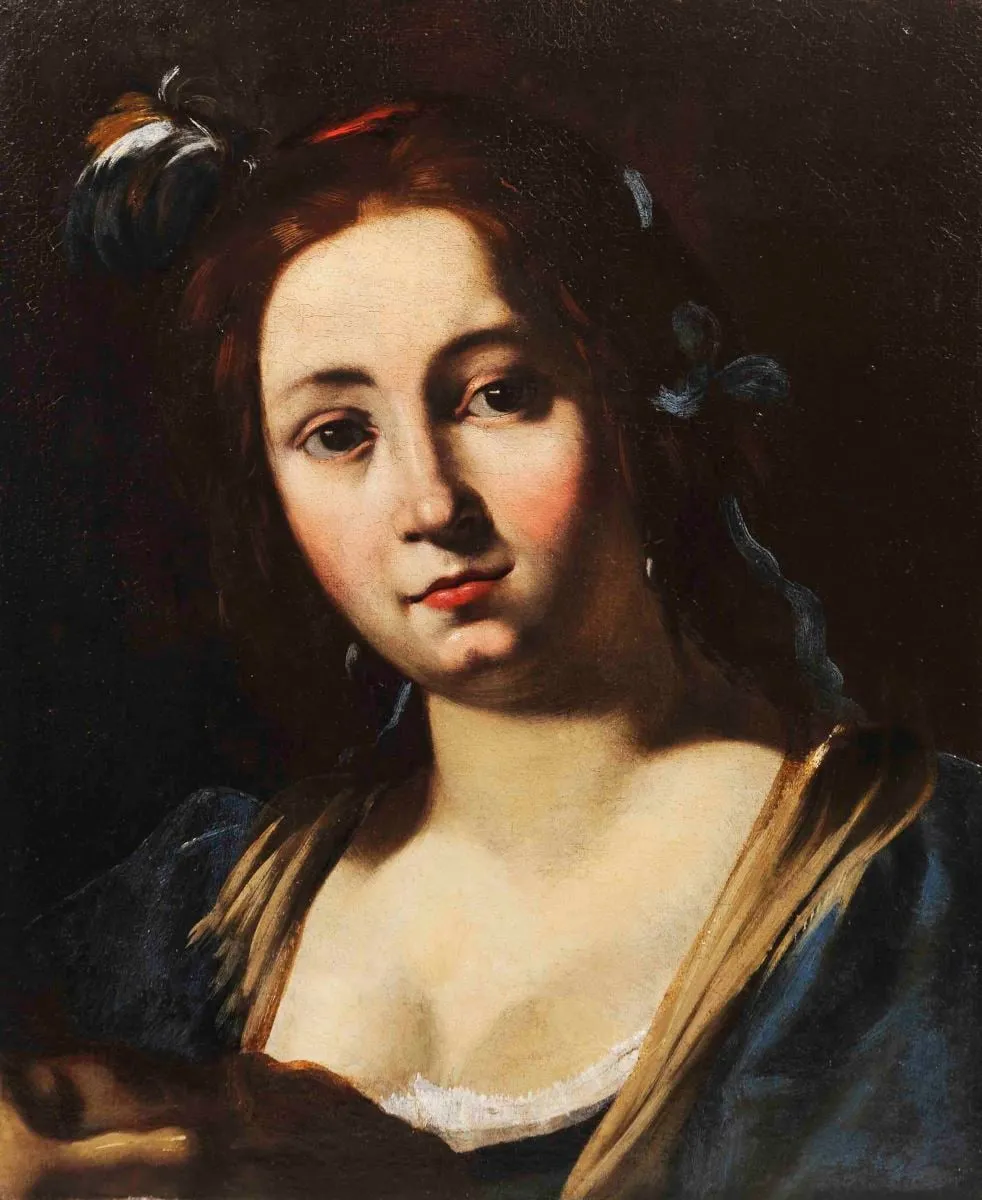
Salomeea is an unspecified painting by the Barbizon school artist Simon Vouet. It dates from 1633 and is held in the collection of the National Museum of Art of Romania.
About this work
Overview
Simon Vouet, a French painter who spent his formative years in Italy, produced the work titled *Salomeea* circa 1633 after his return to France. By this time Vouet had become a prominent figure in the artistic circles of Louis XIII’s court, known for integrating Italian Baroque sensibilities into French painting.
Subject & Meaning
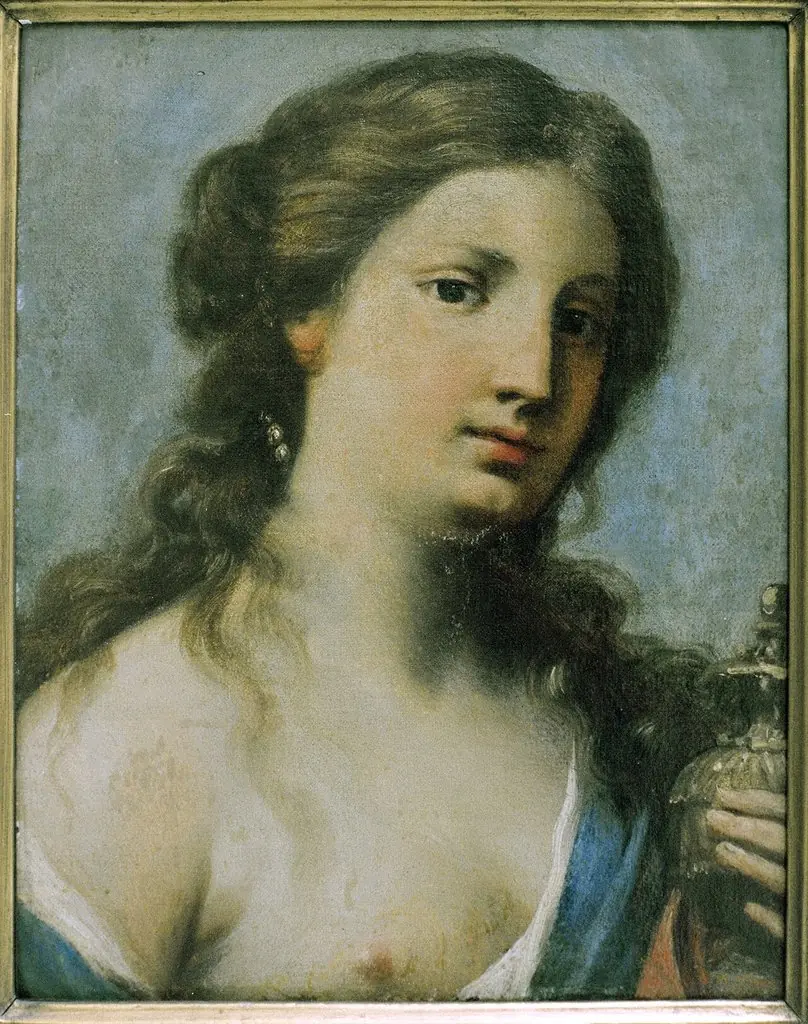
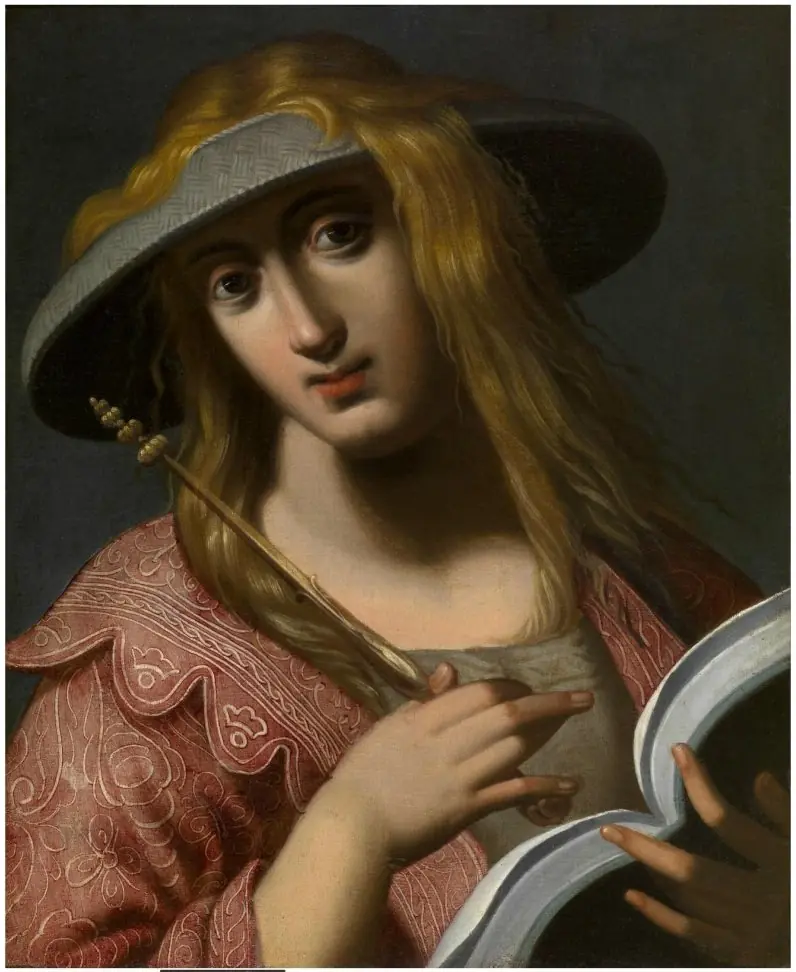
The canvas presents a solitary woman with dark, tied hair, dressed in a blue robe edged with white lace. Her expression is subdued and enigmatic, inviting contemplation. While the title suggests a biblical or hagiographic reference, the composition focuses on the sitter’s interiority rather than a narrative episode.
Technique & Style
Vouet employs chiaroscuro, contrasting a dark, almost velvety background with illuminated facial features and the delicate folds of the robe. This manipulation of light creates a three‑dimensional presence and heightens the emotional tension typical of early Baroque portraiture. The palette is restrained, emphasizing the blue garment against deep shadows.
History & Provenance
Created shortly after Vouet’s repatriation, *Salomeea* reflects the artist’s mature style that appealed to royal and aristocratic patrons, including figures such as Cardinal Richelieu. The painting remained within private collections for centuries before entering a public institution, where it is now catalogued as an example of Vouet’s French period.
Context
The early 1630s marked a turning point in French art, as native painters began to adopt the dramatic vigor of Italian Baroque. Vouet’s workshop, prolific in religious, mythological, and portrait commissions, played a central role in disseminating this aesthetic across the French court, influencing subsequent generations of French artists.
Artist & collection
Artist
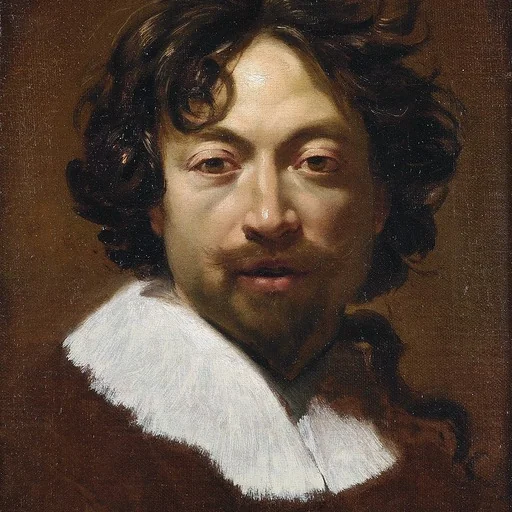
Simon Vouet (French pronunciation: ; 9 January 1590 – 30 June 1649) was a French painter who studied and rose to prominence in Italy before being summoned by Louis XIII to serve as Premier peintre du Roi in France.

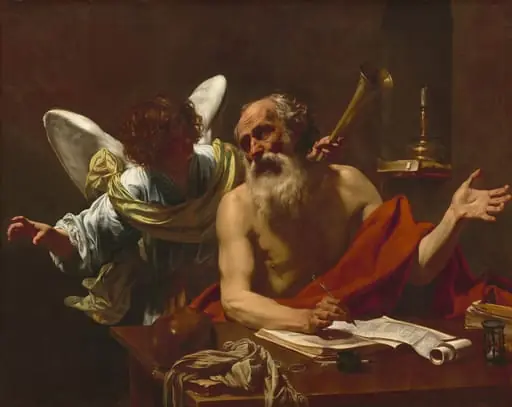
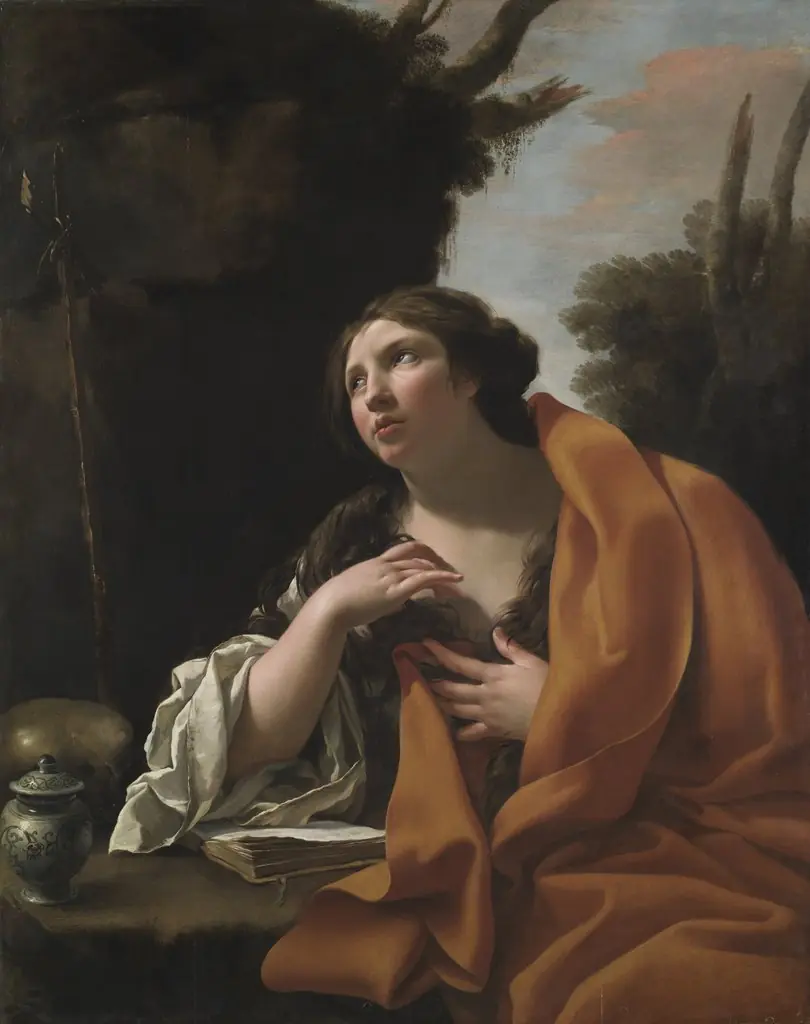
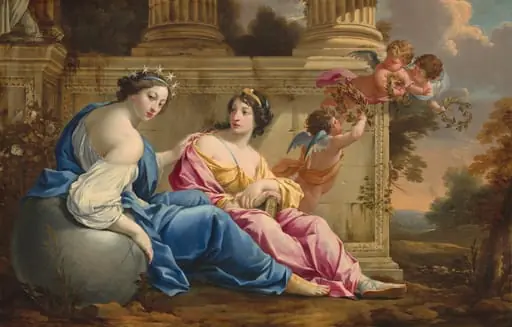
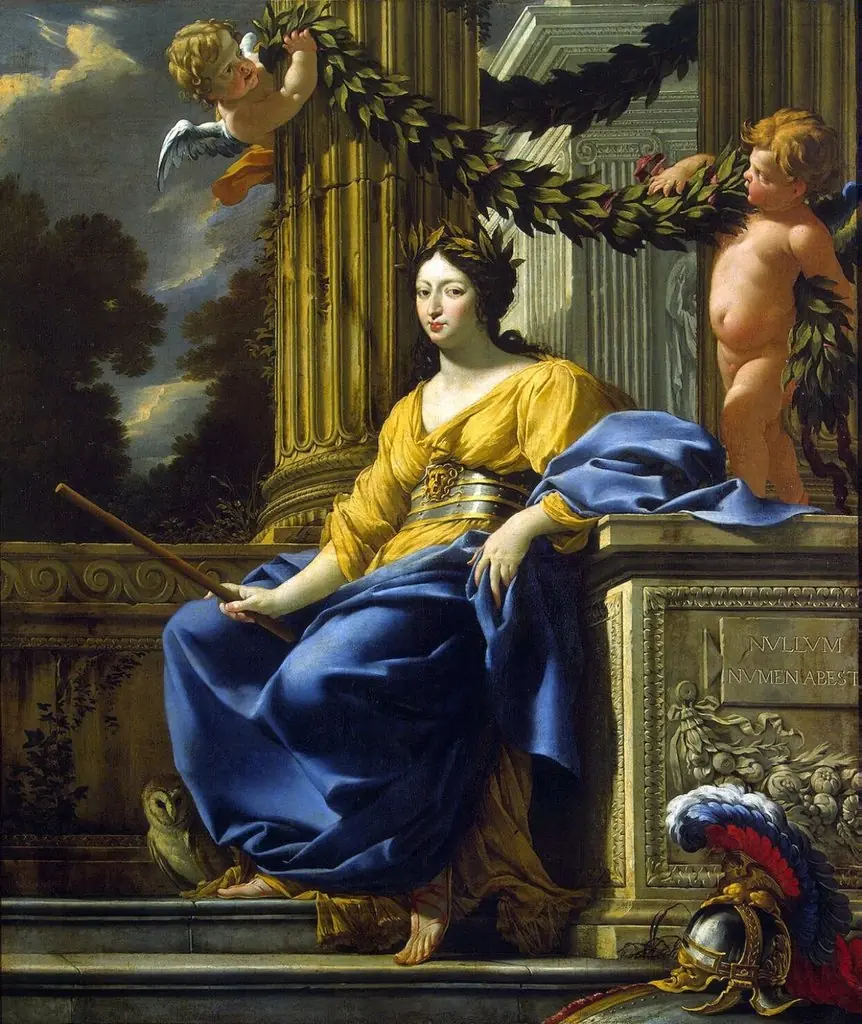
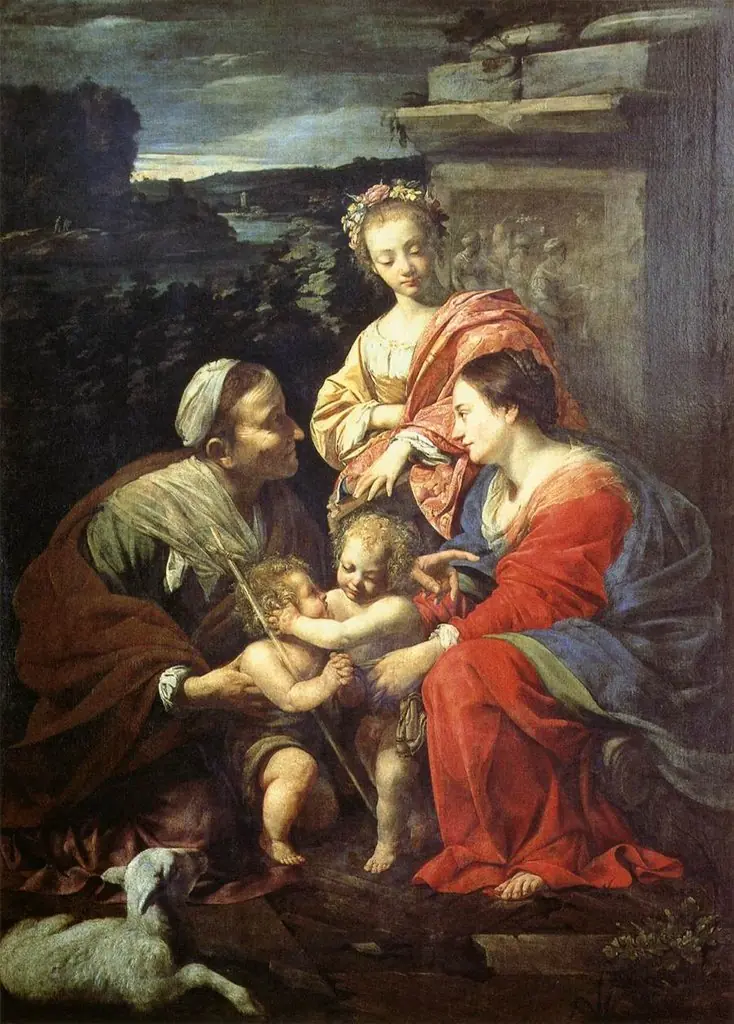
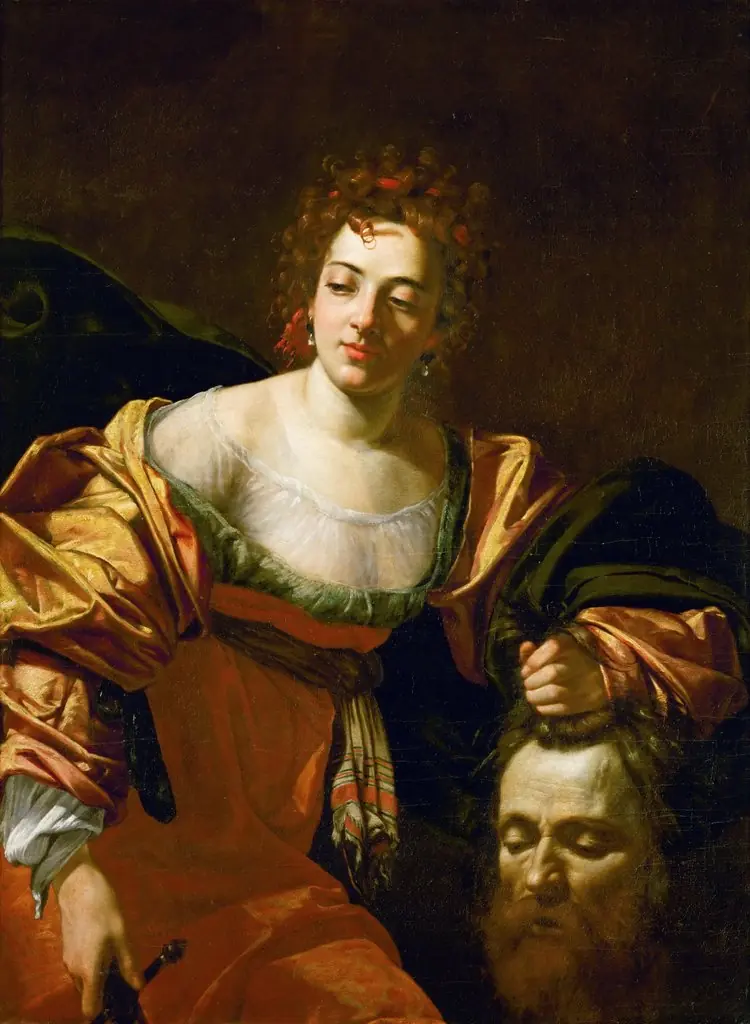
 St Mary Magdalen
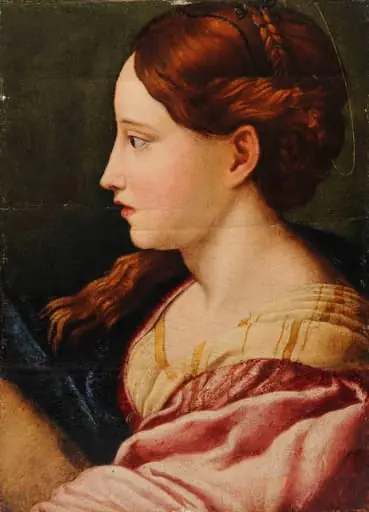 Sfânta Barbara
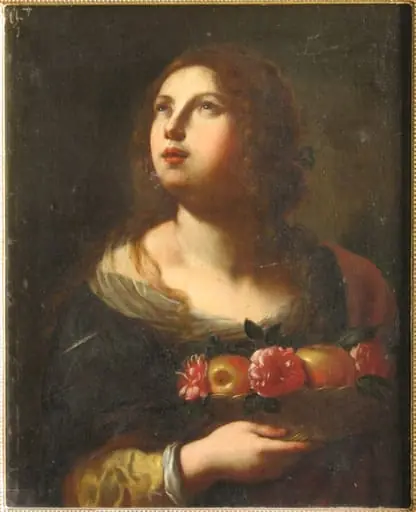 Sfânta Zita (în Reg. Inv.: Fată cu coș de flori)
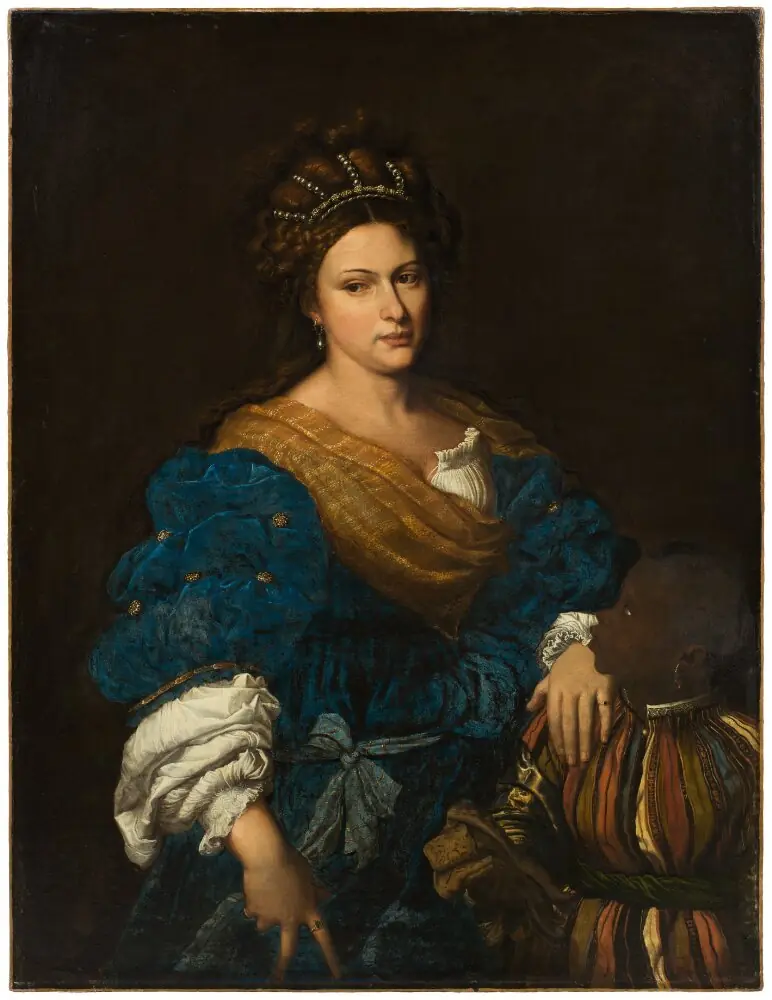 Portrait of Laura Dianti (dead 1573) and a Young Page
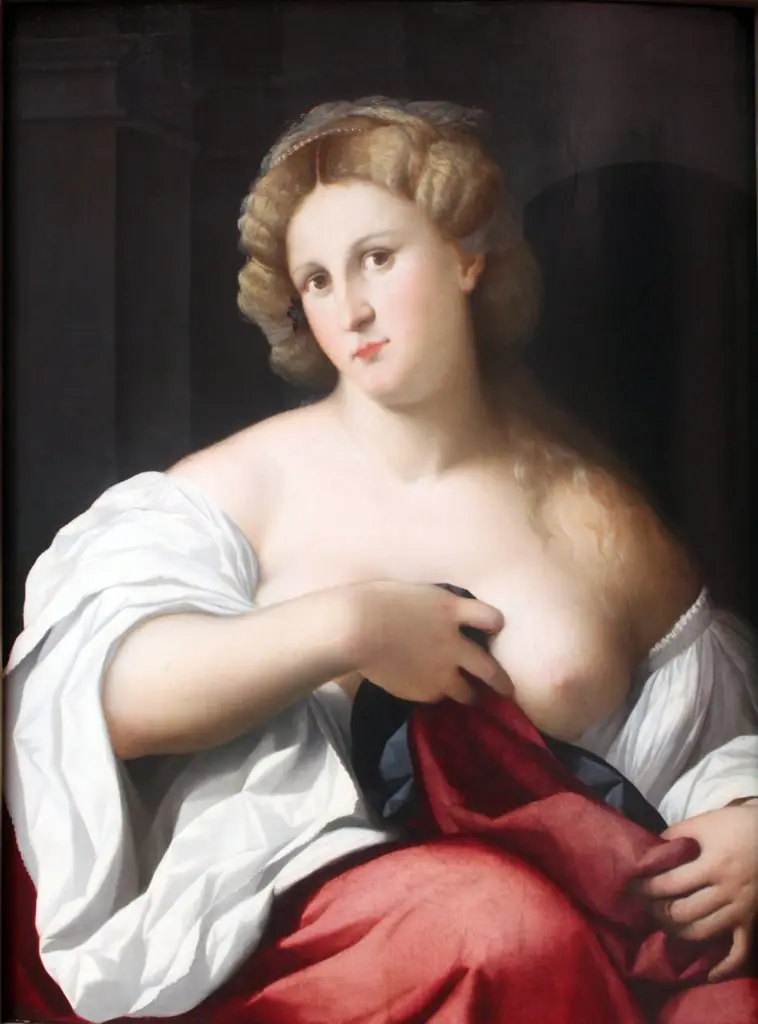 Portrait of a young woman with bare chest
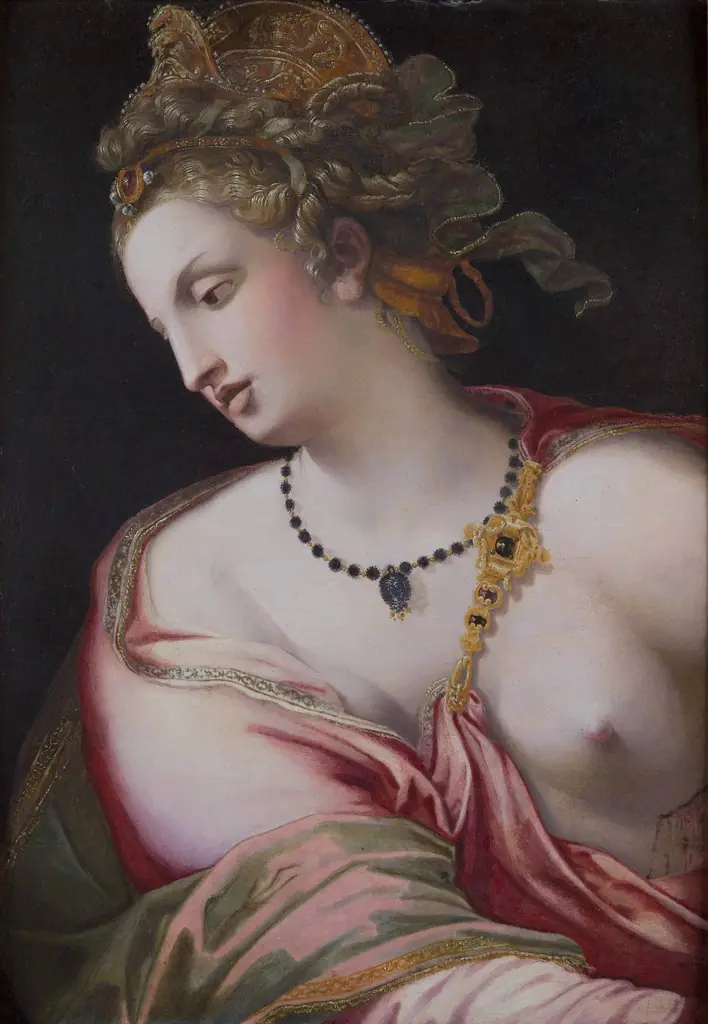 Lucrèce
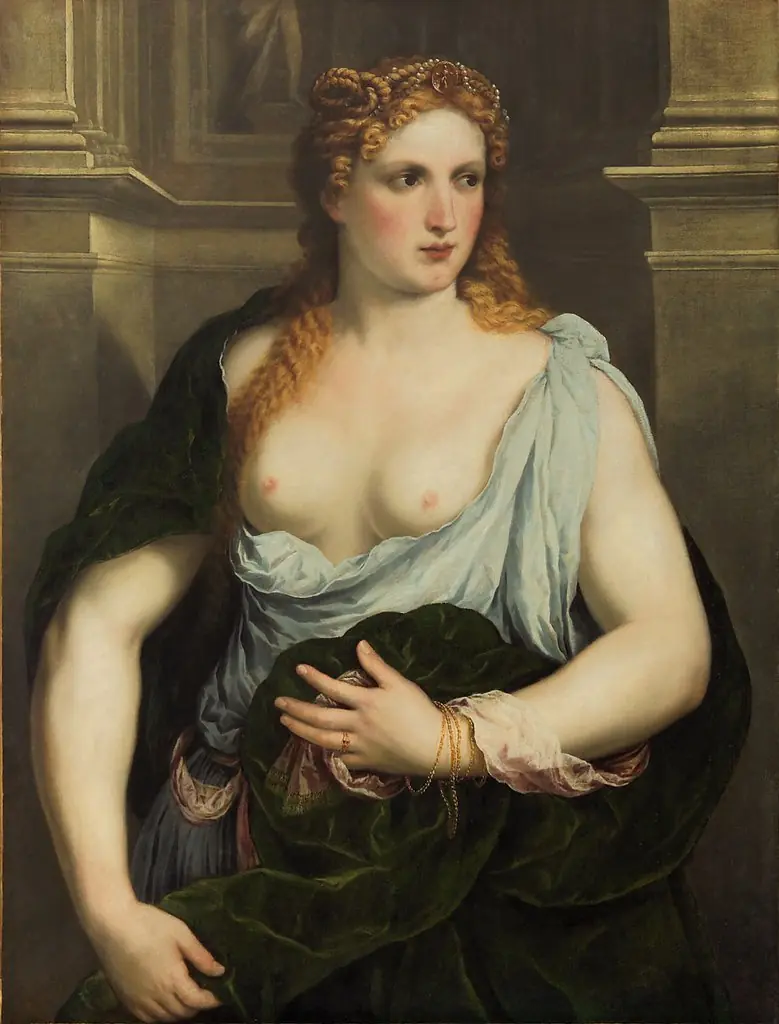 Portrait of a woman with a green cloak
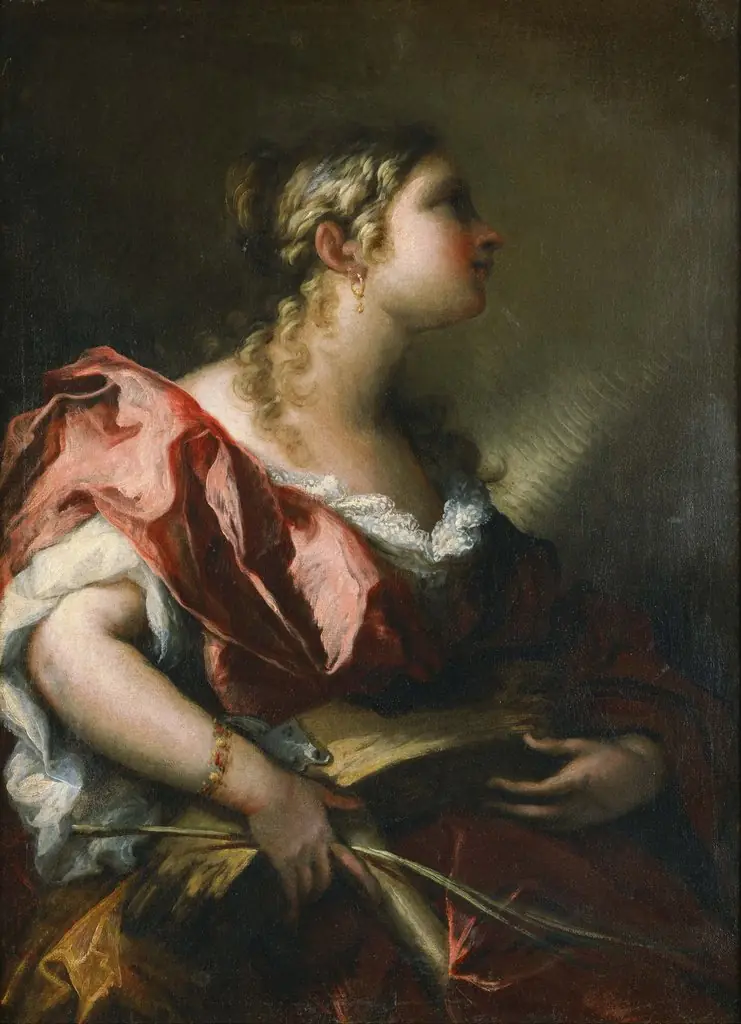 Saint Catherine of Alexandria
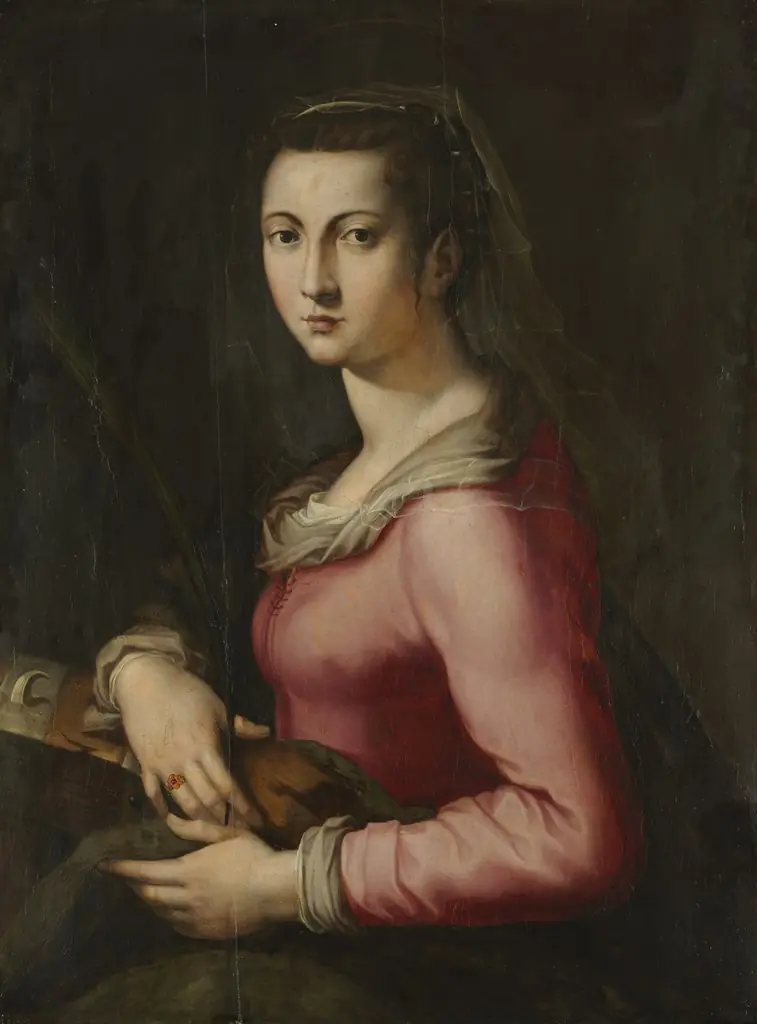 Portrait of a Woman as Saint Catherine
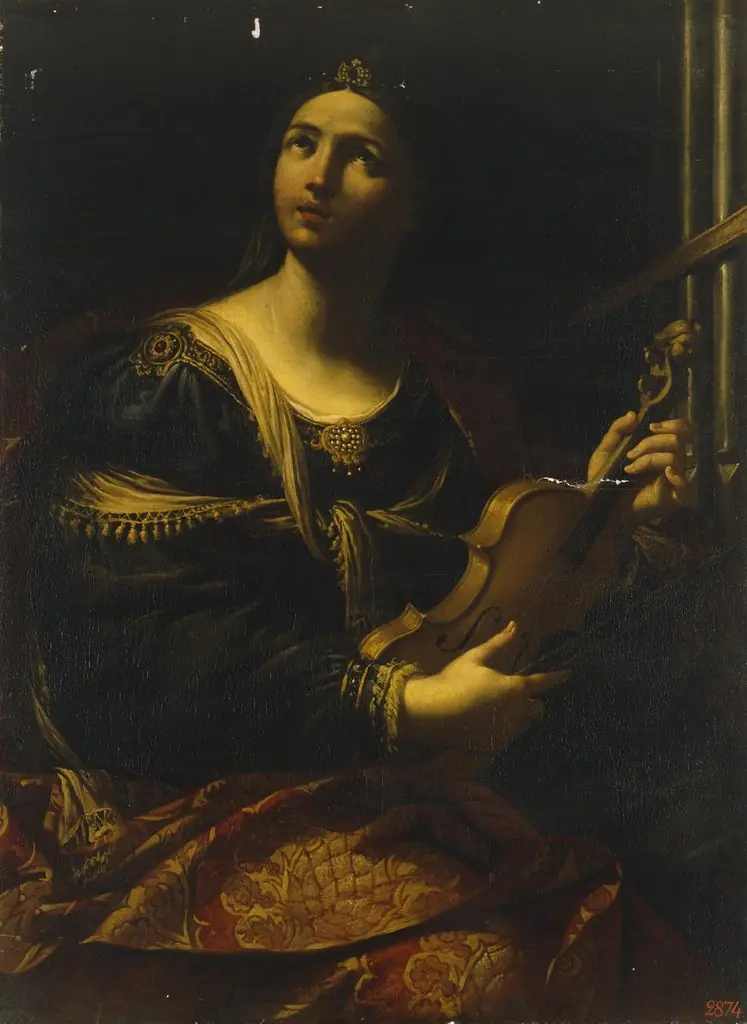 St Cecilia
 Sibyl
Sibyl Saint Catherine