Artwork
La Vie muette
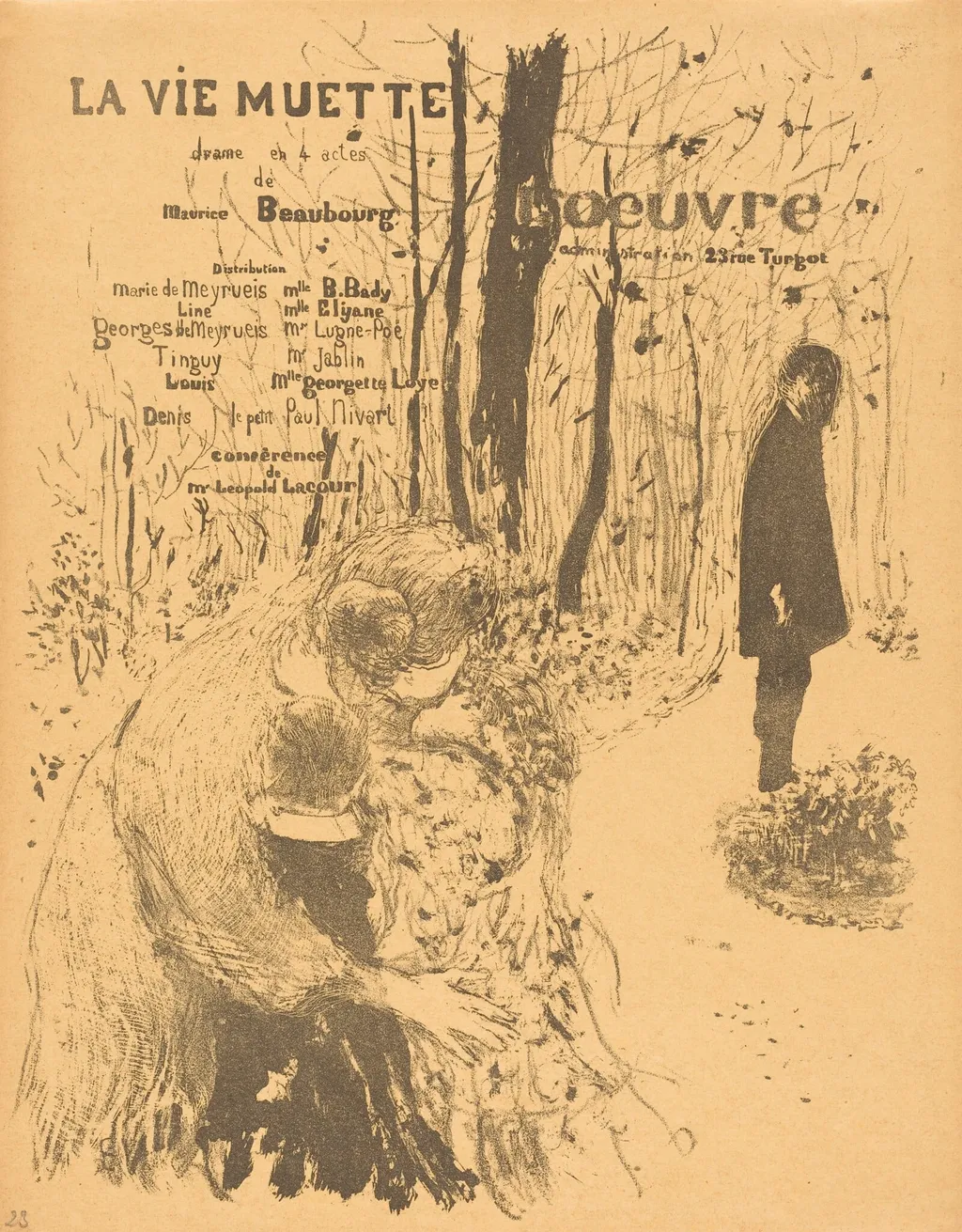
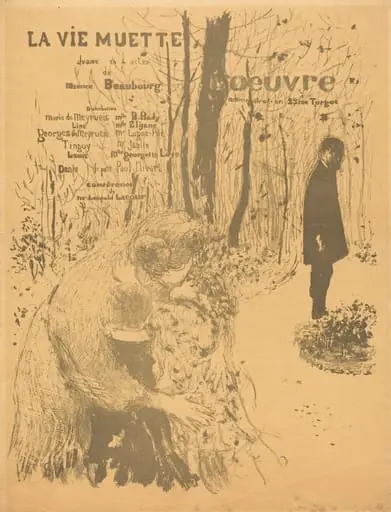
La Vie muette is an ink print by the Impressionist artist Édouard Vuillard. It dates from 1894 and is held in the collection of the National Gallery of Art.
About this work
Overview
Unlike his more crowded interior scenes, this work shifts outdoors, capturing a solitary figure in a natural setting.
Created in 1894, *La Vie muette* is a lithograph by Édouard Vuillard, made during his involvement with Les Nabis, a group of French artists interested in symbolic form and decorative composition. Unlike his more crowded interior scenes, this work shifts outdoors, capturing a solitary figure in a natural setting. The medium allowed Vuillard to explore subtle tonal gradations and delicate line work, aligning with the group’s interest in printmaking as a vehicle for intimate expression.
Subject & Meaning
The print portrays a woman seated on a bench, enveloped by dense foliage. Her face is obscured, and her posture—still, slightly hunched—suggests inward reflection rather than narrative action. The absence of clear identity or context invites contemplation of solitude itself. The title, meaning 'The Silent Life,' reinforces the theme of quietude, positioning the figure not as a portrait but as an emblem of private, unspoken experience within the natural world.
Technique & Style
Vuillard employed lithography to achieve soft, atmospheric effects, using the stone’s grain to render foliage as delicate, feathery washes. The woman’s form is defined by restrained contours, contrasting with the loose, blurred edges of the surrounding vegetation. Muted grays and ochres dominate, avoiding bold color in favor of tonal harmony. This approach reflects Nabi principles—flattened space, emphasis on pattern, and emotional resonance through restraint rather than detail.
History & Provenance
Produced during Vuillard’s most active period in printmaking, *La Vie muette* was likely part of a limited run intended for collectors and fellow artists. It emerged from a circle of Nabi collaborators who exchanged prints as artistic statements rather than commercial products. The work remained within private hands in France through the early 20th century, later entering institutional collections as interest in Post-Impressionist printmaking grew.
Context
In the 1890s, Parisian artists increasingly turned to intimate, non-narrative subjects as a reaction against academic realism. Vuillard, influenced by Japanese woodcuts and Symbolist poetry, sought to convey mood through composition and tone. *La Vie muette* fits within this shift—its quietness mirrors contemporaneous literary and musical explorations of inner life, positioning the viewer as a witness to unspoken moments rather than a participant in drama.
Legacy
Though less known than Vuillard’s interior scenes, *La Vie muette* exemplifies his ability to extend Nabi aesthetics beyond the domestic sphere. Its emphasis on atmosphere over detail influenced later generations of printmakers interested in emotional subtlety. The work remains a quiet benchmark in French printmaking, valued for its restraint and its evocation of solitude as a visual condition rather than a literary trope.
Artist & collection
Artist
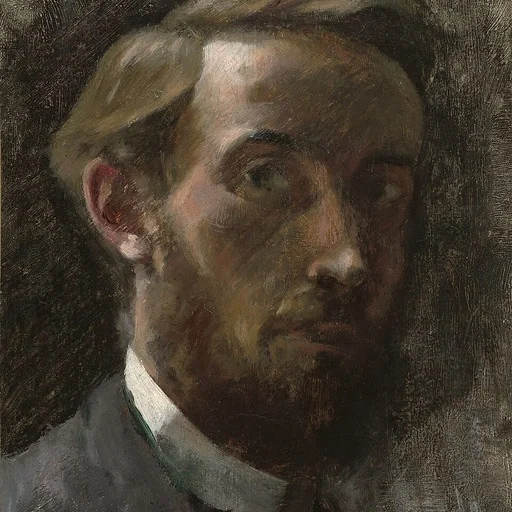
Jean-Édouard Vuillard (French: ; 11 November 1868 – 21 June 1940) was a French painter, decorative artist, and printmaker.

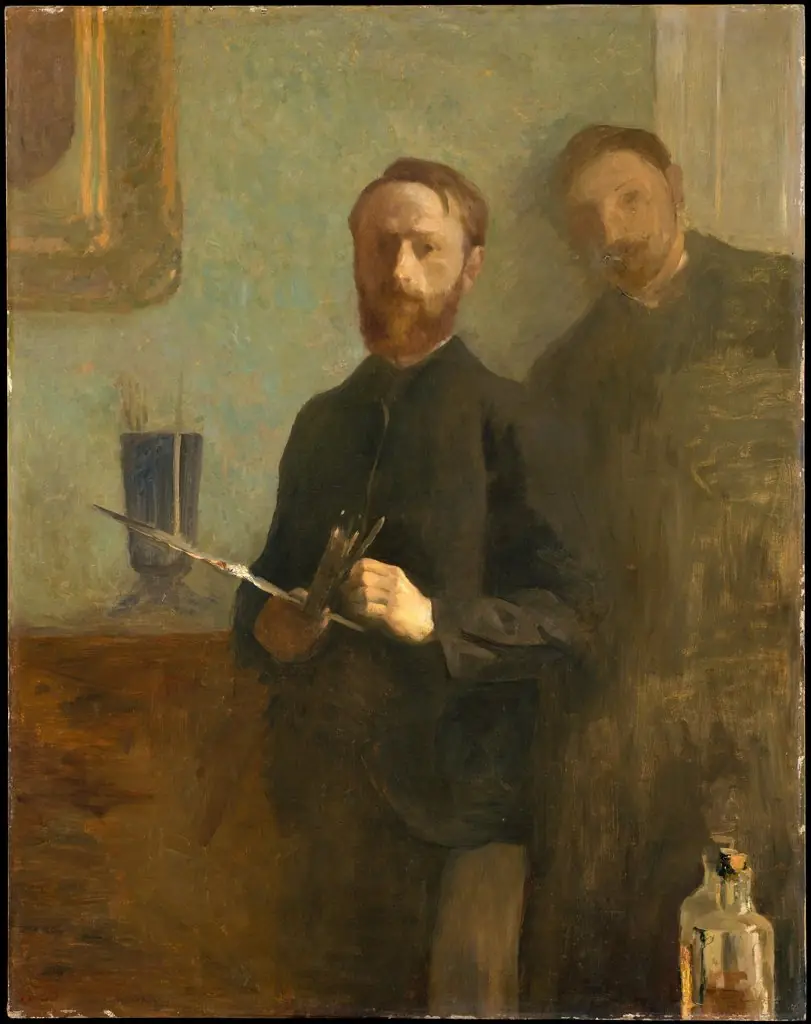
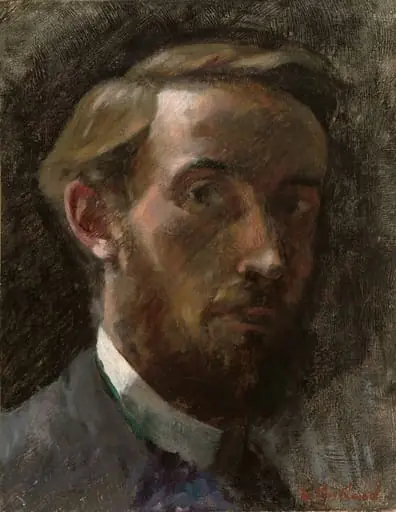
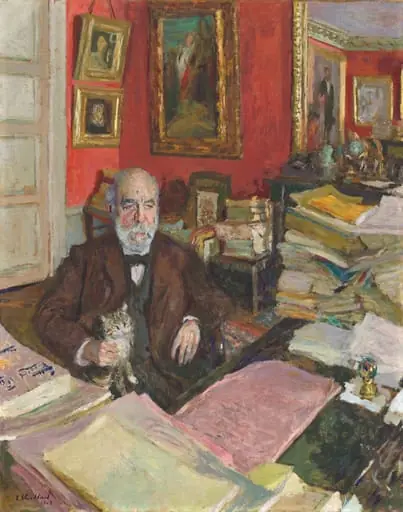
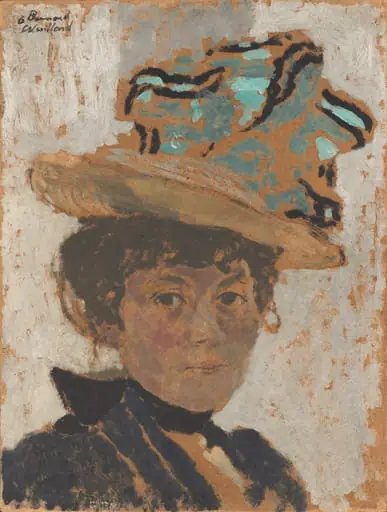
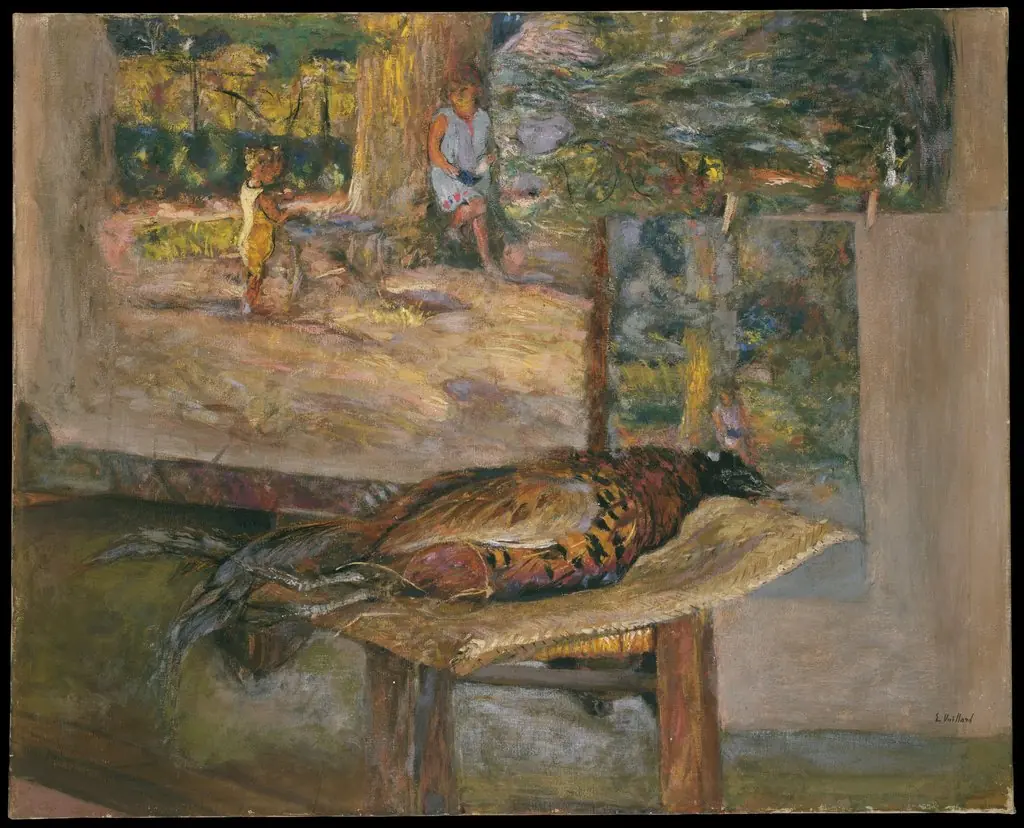
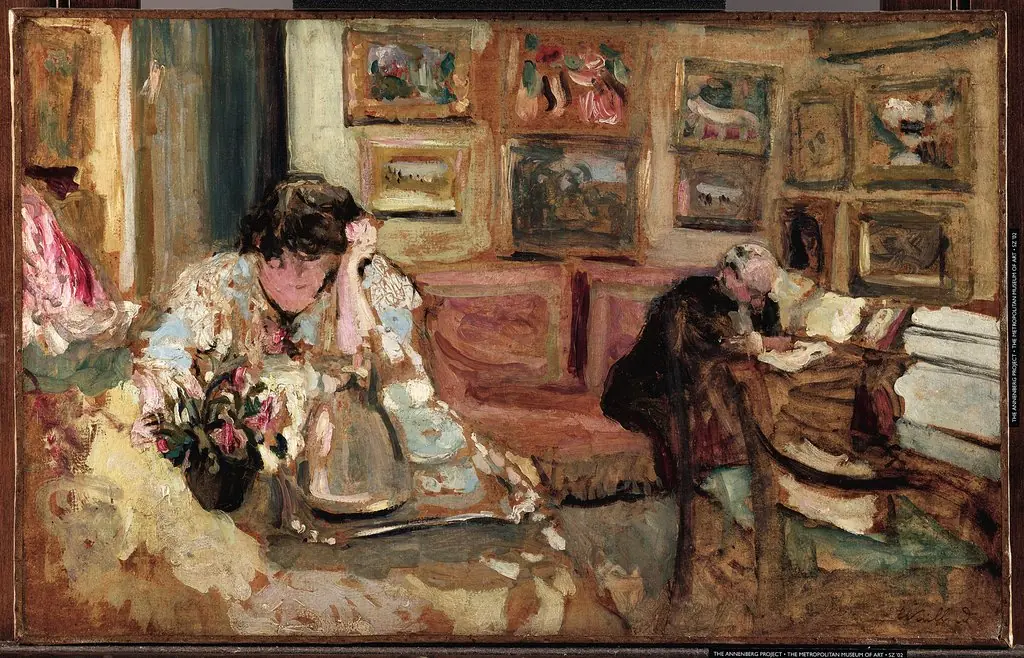
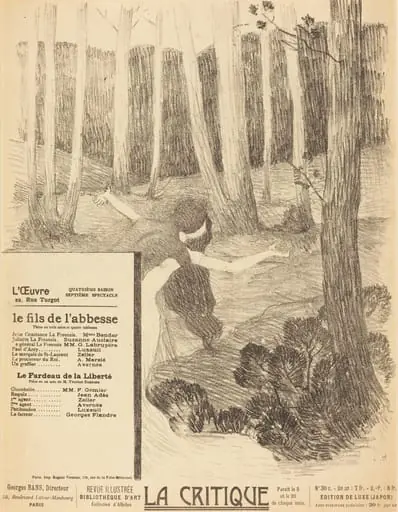 Le Fils de l'abbesse; Le Fardeau de la liberté
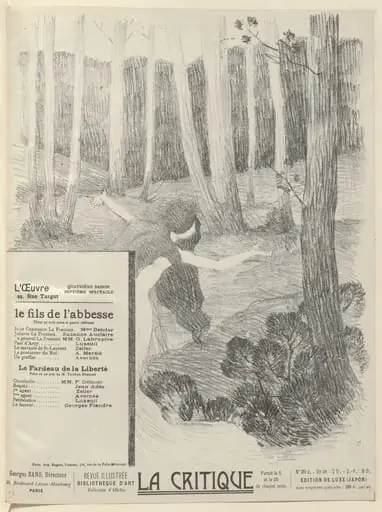 Untitled
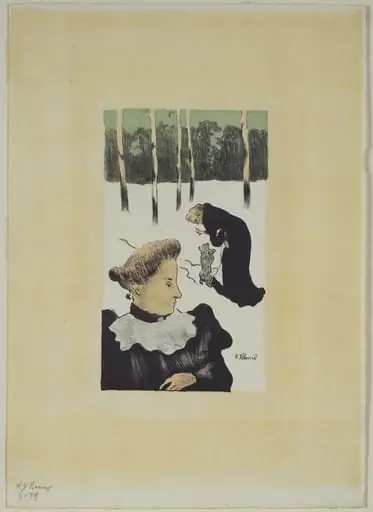 Untitled
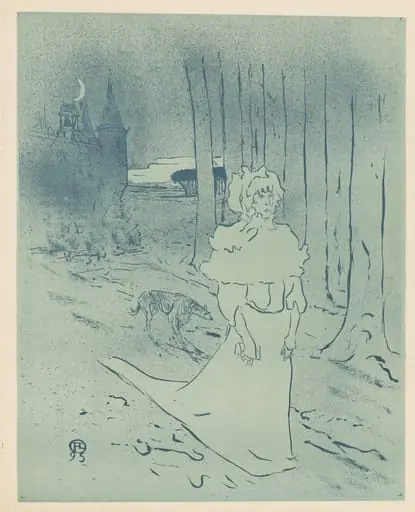 The Manor Lady or the Omen (La chatelaine ou le tocsin)
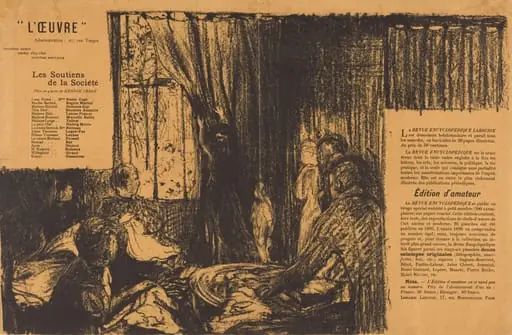 Les Soutiens de la société
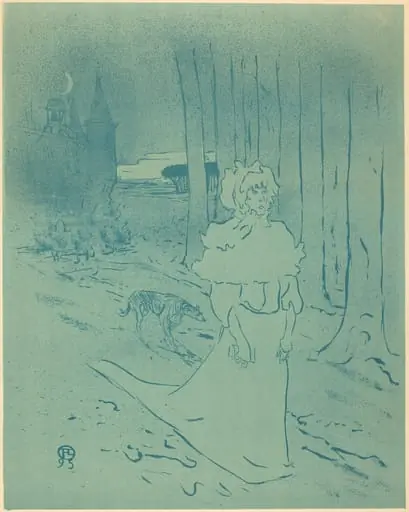 The Manor Lady or the Omen (La chatelaine ou le tocsin)
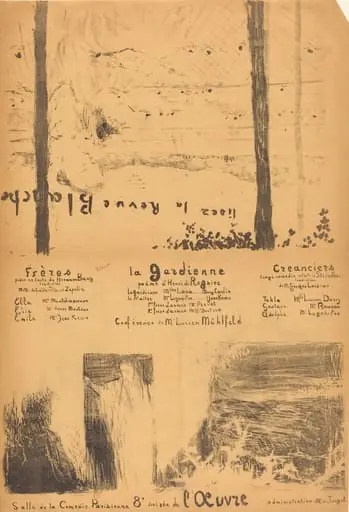 Frères; La Gardienne; Créanciers
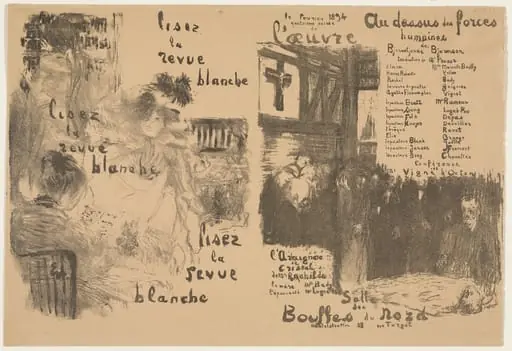 Untitled
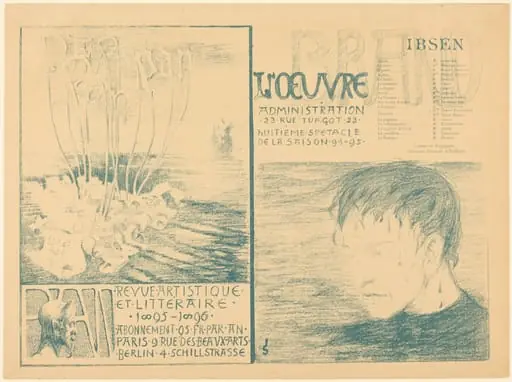 Brand
Brand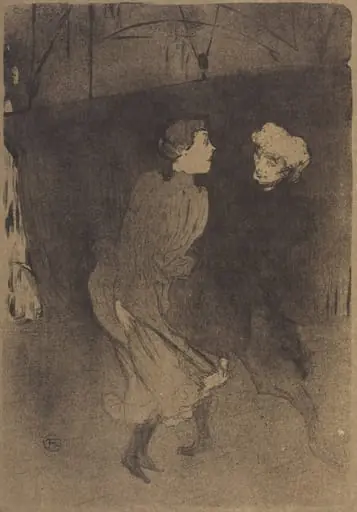 Dress Rehearsal at the Folies-Bergere (Répétition générale aux Folies-Bergère)
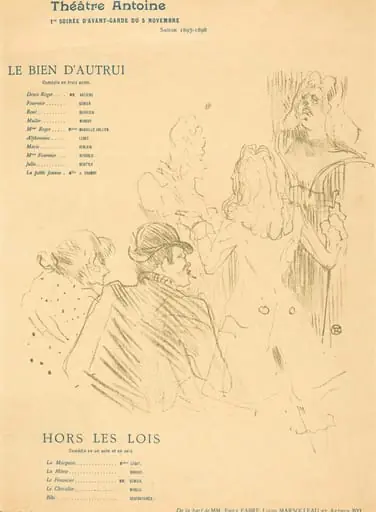 Le Bien d'autrui; Hors Les Lois
 La Vie muette