Artwork
Dress Rehearsal at the Folies-Bergere (Répétition générale aux Folies-Bergère)
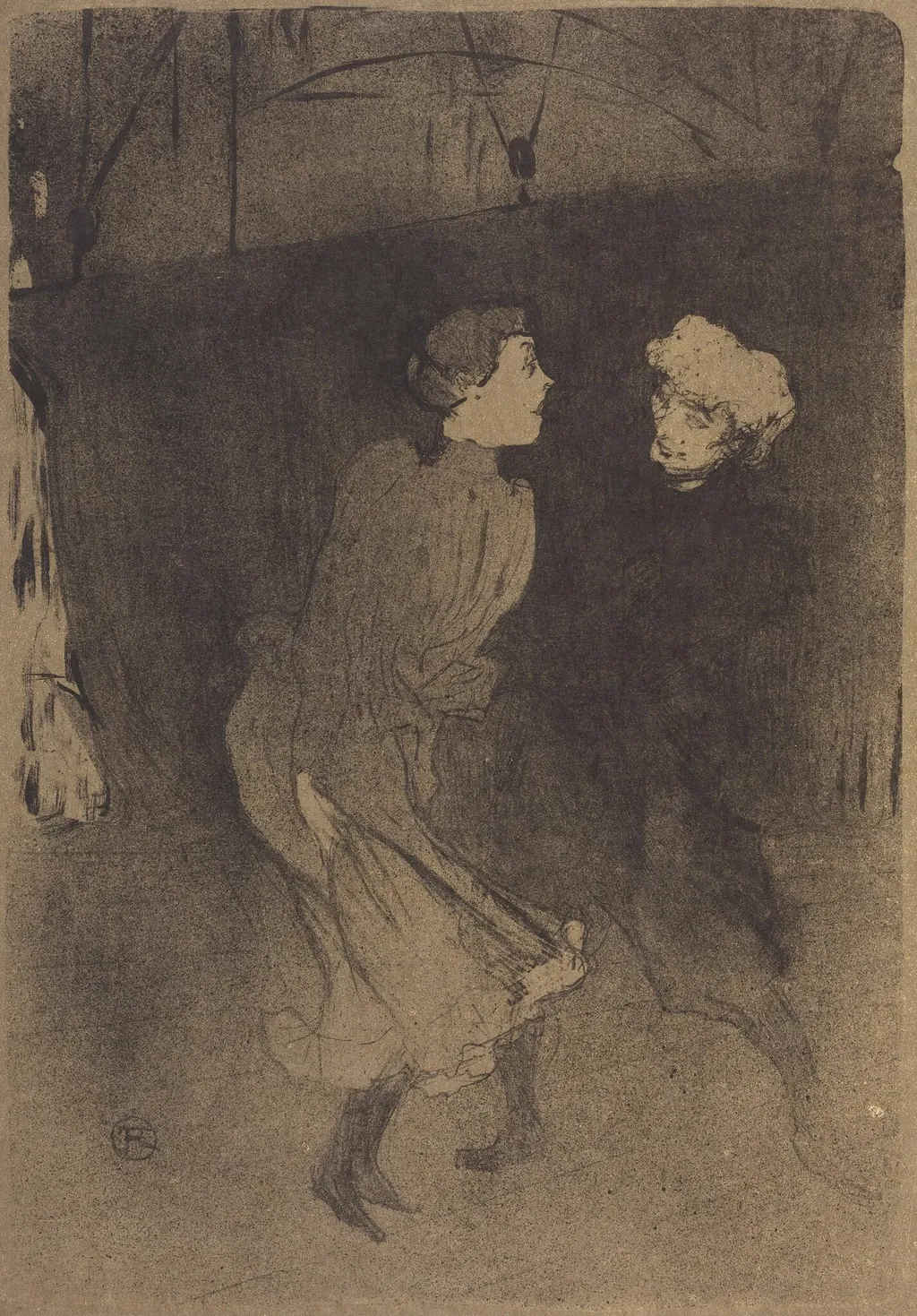
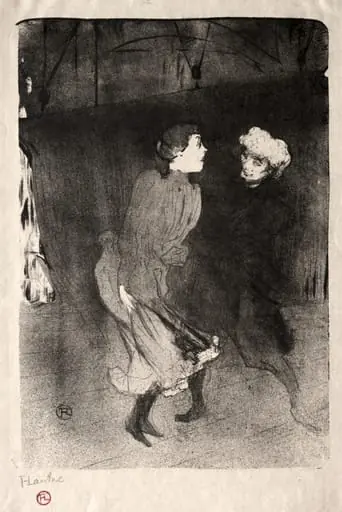
Dress Rehearsal at the Folies-Bergere (Répétition générale aux Folies-Bergère) is an ink print by the Impressionist artist Henri de Toulouse-Lautrec. It dates from 1893 and is held in the collection of the National Gallery of Art.
About this work
Overview
The work is part of his broader engagement with Parisian nightlife, rendered through the immediacy of printmaking.
Created in 1893, this lithograph by Henri de Toulouse-Lautrec captures a quiet moment behind the scenes at the Folies-Bergère, a Parisian cabaret known for its vibrant performances. Rather than focusing on the spectacle of the stage, Toulouse-Lautrec turns his attention to the unguarded preparations of performers, revealing the rhythm of life outside the spotlight. The work is part of his broader engagement with Parisian nightlife, rendered through the immediacy of printmaking.
Subject & Meaning
Two women are shown in a dim backstage space: one seated, arms resting on her knees, the other standing with a blurred, indistinct face. Their postures suggest exhaustion or contemplation, contrasting with the energy of the performances to come. The vague outline of a curtain and scattered props hints at the theatrical world just beyond. The image conveys solitude within a bustling environment, emphasizing the human presence behind the spectacle.
Technique & Style
Toulouse-Lautrec employed lithography to achieve sharp, fluid lines that mimic the spontaneity of sketching. His use of bold contours and minimal shading creates a sense of motion and atmosphere without detail. The blurred figure and loose, rapid strokes reflect his interest in capturing fleeting moments, a hallmark of his graphic work. The monochrome palette enhances the moodiness of the scene, focusing attention on form and gesture.
History & Provenance
The print was produced during a period when Toulouse-Lautrec was deeply embedded in the Parisian entertainment scene, frequently attending rehearsals and performances at the Folies-Bergère. He made numerous lithographs of the venue, often commissioned or privately circulated. This particular image was likely part of a series documenting backstage life, reflecting his personal connection to the performers and his rejection of aristocratic norms in favor of urban subcultures.
Context
In the 1890s, Parisian cabarets like the Folies-Bergère were centers of popular entertainment, blending music, dance, and theatricality for mixed audiences. Toulouse-Lautrec’s work emerged alongside the rise of poster art and print culture, offering an intimate counterpoint to the grandeur of official art. His focus on performers and backstage moments challenged traditional subject matter, aligning with broader shifts toward realism and modern life in late 19th-century art.
Legacy
Toulouse-Lautrec’s lithographs, including this one, helped redefine printmaking as a medium for modern expression. His ability to distill movement and emotion with minimal lines influenced generations of illustrators and graphic artists. By documenting the unseen corners of nightlife, he preserved a transient cultural world, offering a quiet, humanistic record of performance culture that continues to inform depictions of theater and urban life.
Artist & collection
Artist
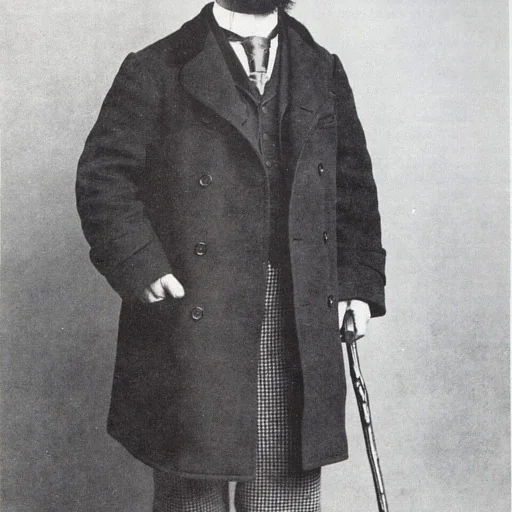
Comte Henri Marie Raymond de Toulouse-Lautrec-Montfa (24 November 1864 – 9 September 1901), known as Toulouse-Lautrec (French: ), was a French painter, printmaker, draughtsman, caricaturist, and illustrator.

 Emilienne d'Alecon and Mariquita of the Follies-Bergère
 Le Rydeack
 The Visitor
 Yahne and Mayer in "L'age difficile" (Yahne et Mayer dans "L'age difficile")
 Parisian Woman (The Effect of the Night)
 At the Cafe des Ambassadeurs (Aux Ambassadeurs)
 The Encounter (Recontre)
 A Woman Passing By
 Rosita Mauri
 Miss Cumberlege