Artwork
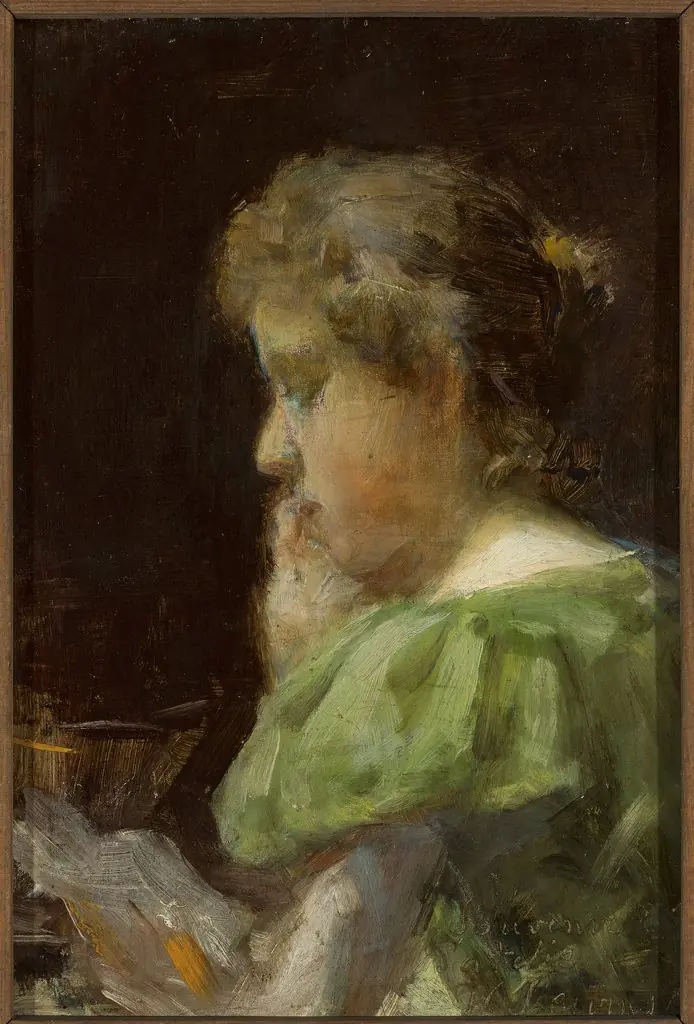
Head of a brunette
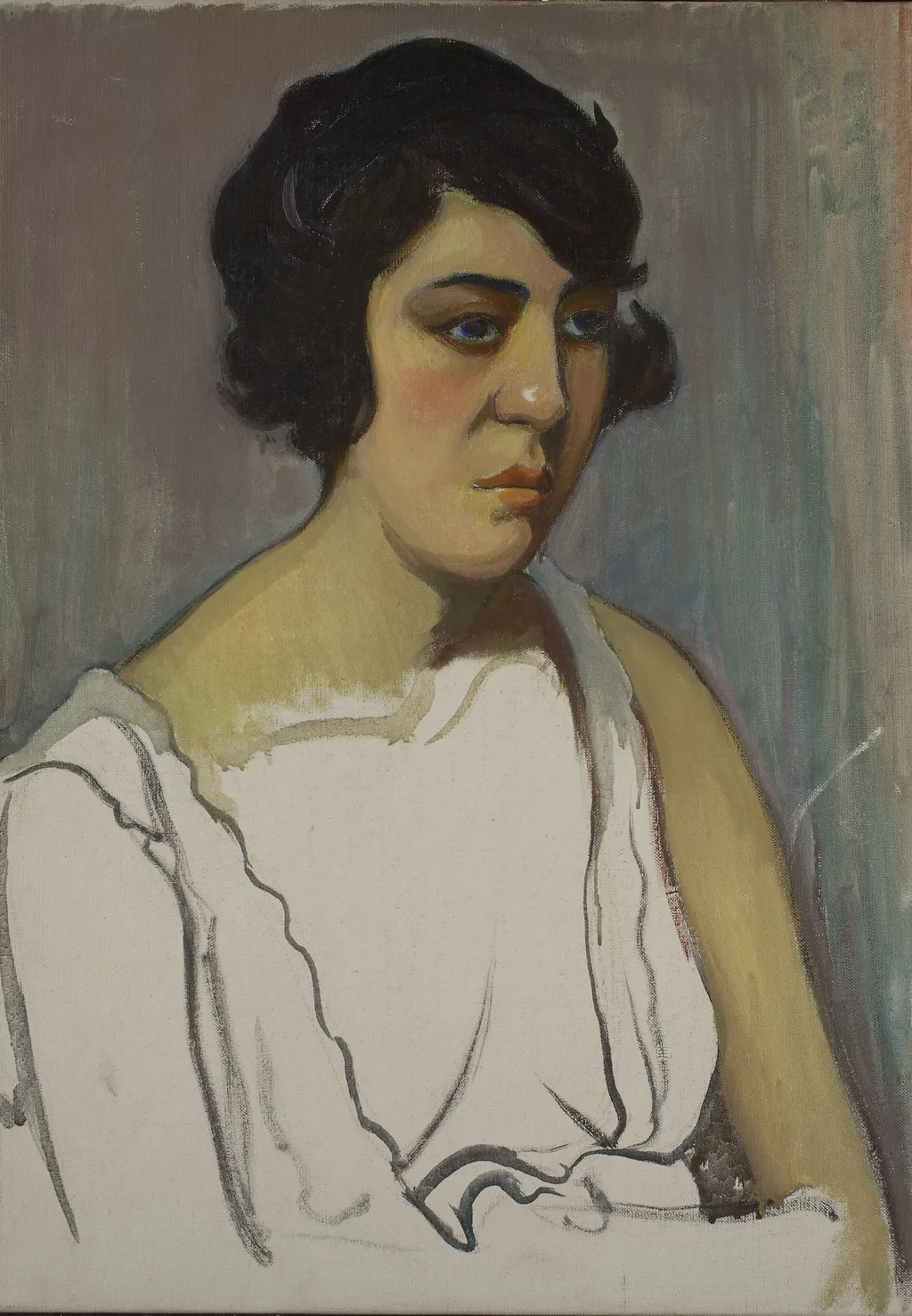
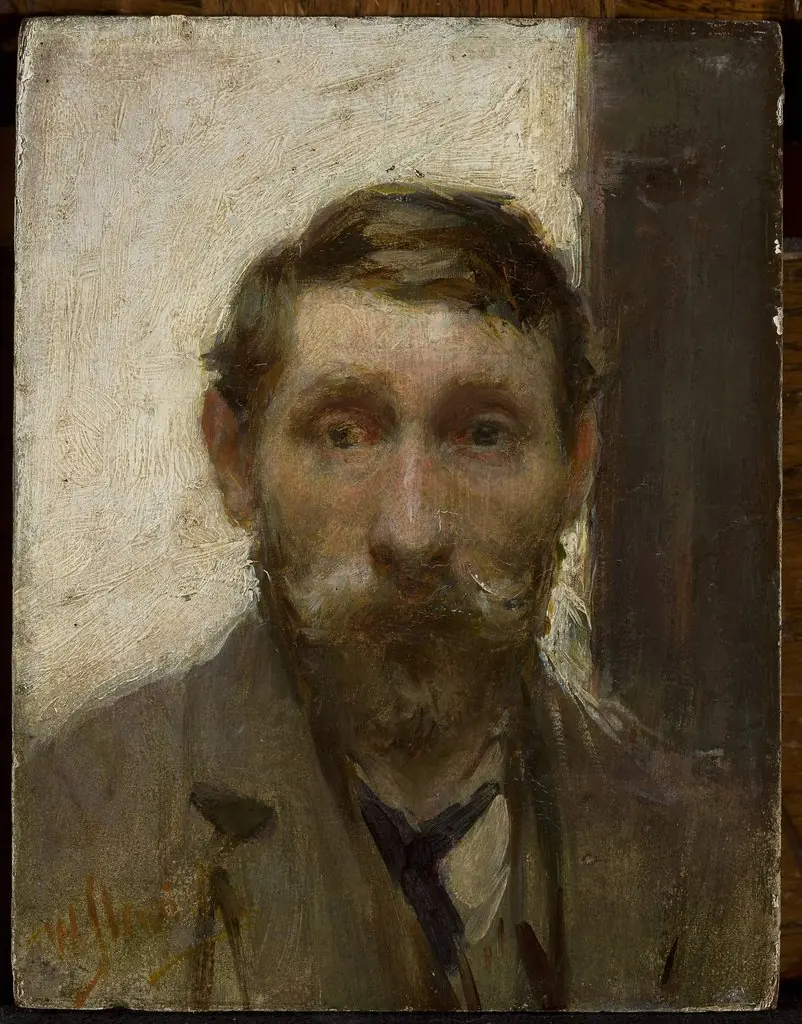
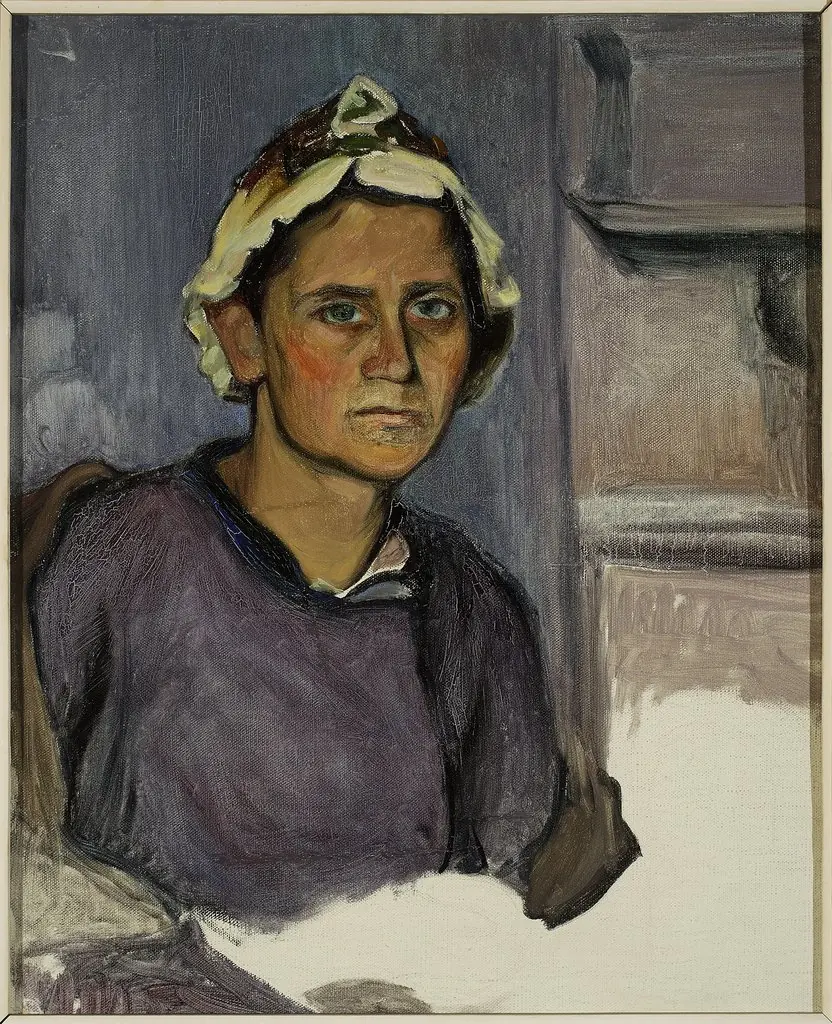
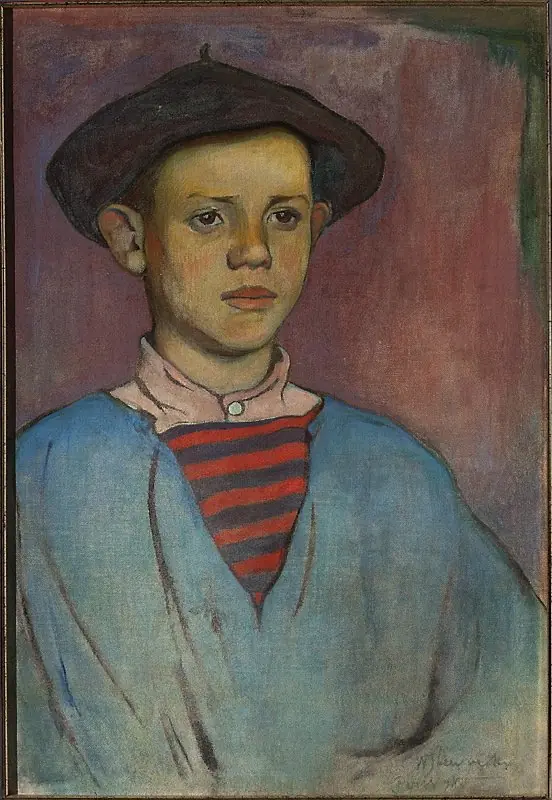
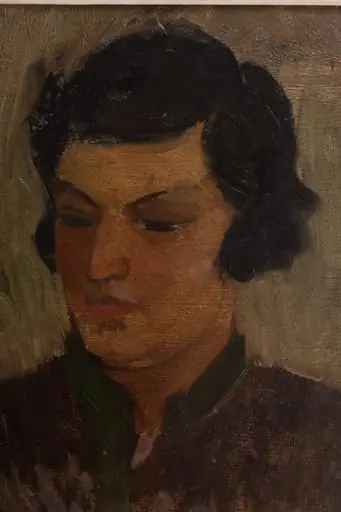
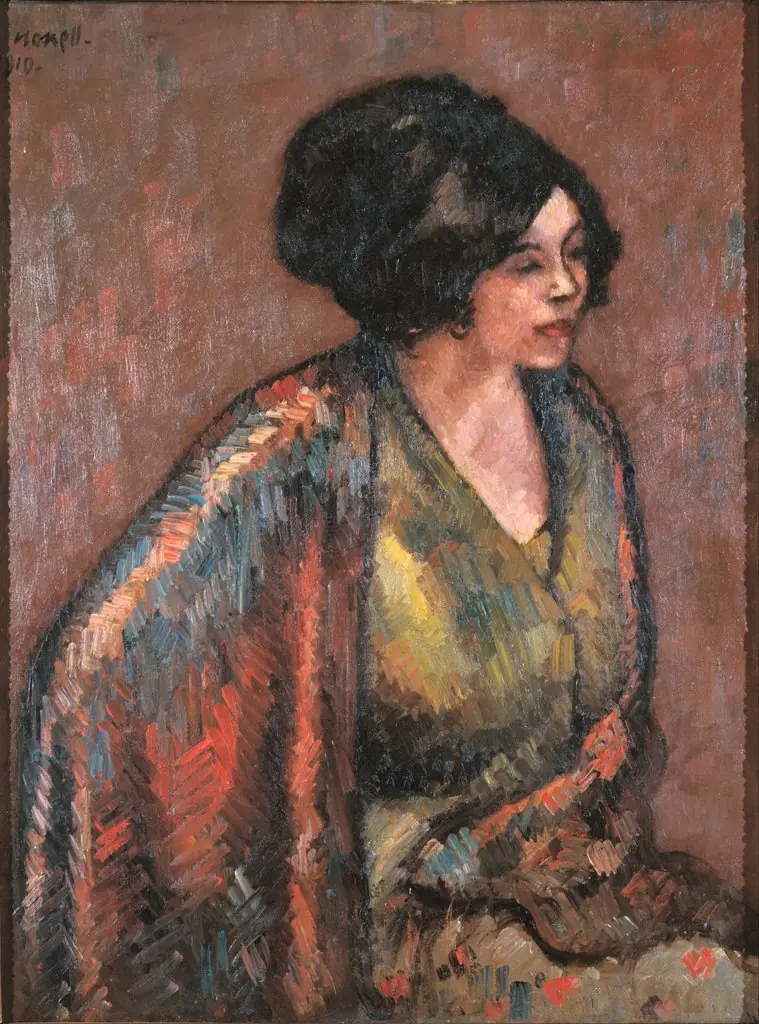
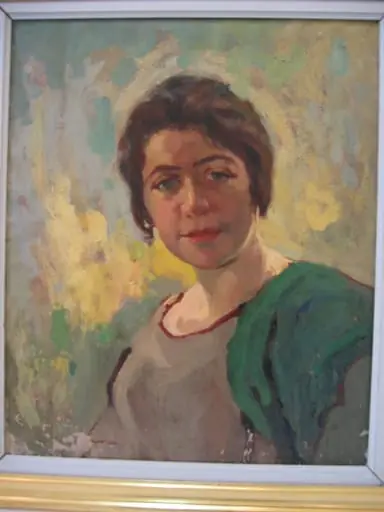
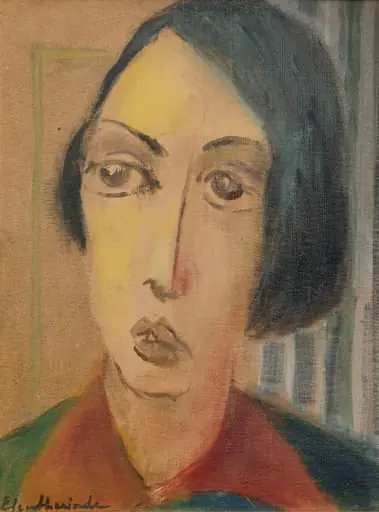
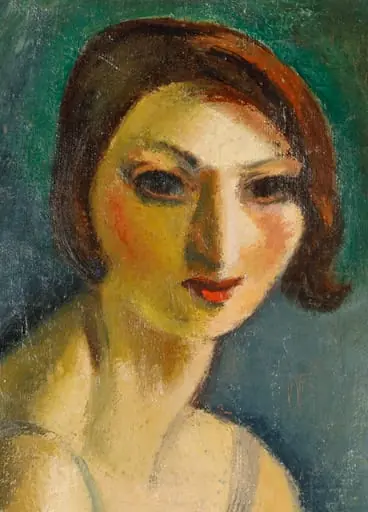
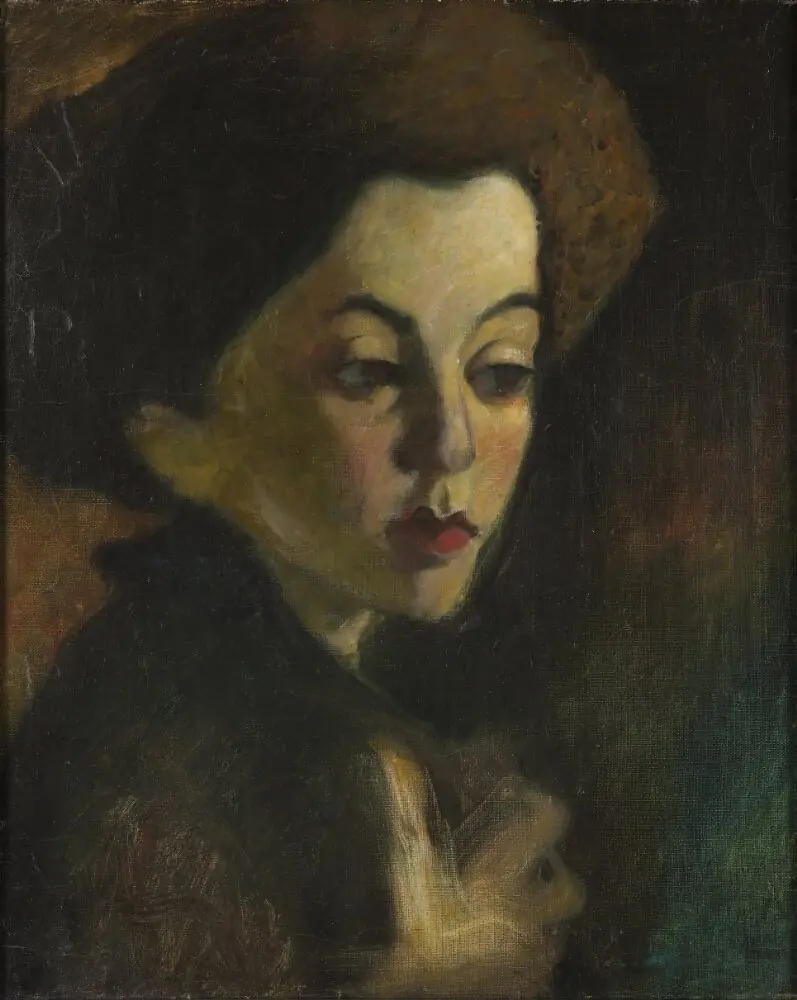
Head of a brunette is an oil painting by the Post-Impressionist artist Władysław Ślewiński. It dates from 1900 and is held in the collection of the National Museum in Warsaw.
About this work
Overview
Painted in 1900 by Polish artist Władysław Ślewiński, this oil portrait captures a woman with dark hair and a simple white dress.
Painted in 1900 by Polish artist Władysław Ślewiński, this oil portrait captures a woman with dark hair and a simple white dress. The work reflects Ślewiński’s engagement with Post-Impressionism, shaped by his time studying under Paul Gauguin. It resides in the National Museum in Warsaw, part of a broader body of work tied to the Young Poland cultural movement that sought to redefine national artistic identity at the turn of the century.
Subject & Meaning
The subject is a woman depicted with quiet intensity, her dark bob hairstyle and exposed shoulder suggesting a modern, intimate realism. The absence of ornate detail or symbolic context directs focus to her presence alone. Rather than idealizing or narrating, Ślewiński emphasizes individuality and stillness, aligning with Post-Impressionist interests in psychological depth over narrative spectacle.
Technique & Style
Ślewiński employs chiaroscuro to model the face and shoulder with subtle gradations of light and shadow, lending volume without harsh contrast. The brushwork is controlled yet expressive, particularly in the rendering of hair and fabric. The muted background, devoid of detail, isolates the figure and enhances the focus on form. Color is restrained, favoring earth tones and soft whites to support the tonal structure.
History & Provenance
Created in 1900, the painting entered the collection of the National Museum in Warsaw, where it remains today. Ślewiński, active in both Poland and Brittany, produced this work during a period of intense artistic exchange with French Post-Impressionists. Its preservation in a major Polish institution underscores its significance within the national canon of early 20th-century painting.
Context
This portrait emerged during the Young Poland movement, a cultural revival that embraced modern European styles while asserting Polish identity. Ślewiński’s synthesis of Gauguin’s color and form with local sensibilities positioned him as a bridge between international trends and domestic artistic aspirations. The work reflects a broader shift toward introspective portraiture in Polish art at the time.
Legacy
Though not widely exhibited outside Poland, the painting exemplifies Ślewiński’s contribution to the evolution of Polish modernism. Its quiet realism and formal discipline distinguish it from more theatrical contemporaries. It continues to serve as a reference point for studies of Post-Impressionism in Central Europe and the development of portraiture beyond academic conventions.
Artist & collection
Artist
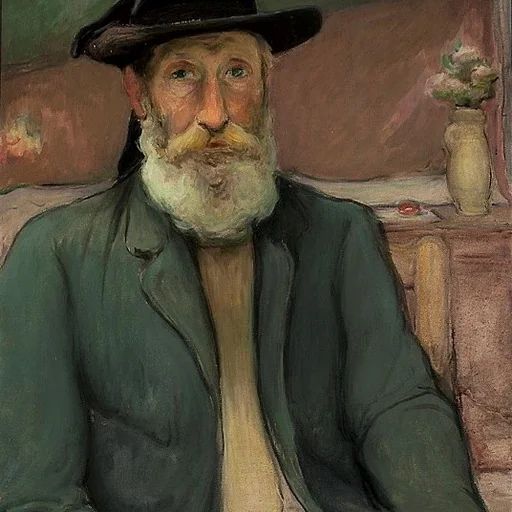
Władysław Ślewiński (1 June 1856 – 24 March 1918) was a Polish painter. He was one of Gauguin's students and a leading artist of the Young Poland movement.