Artwork
Ruins at the Vistula River bank – Janowiec
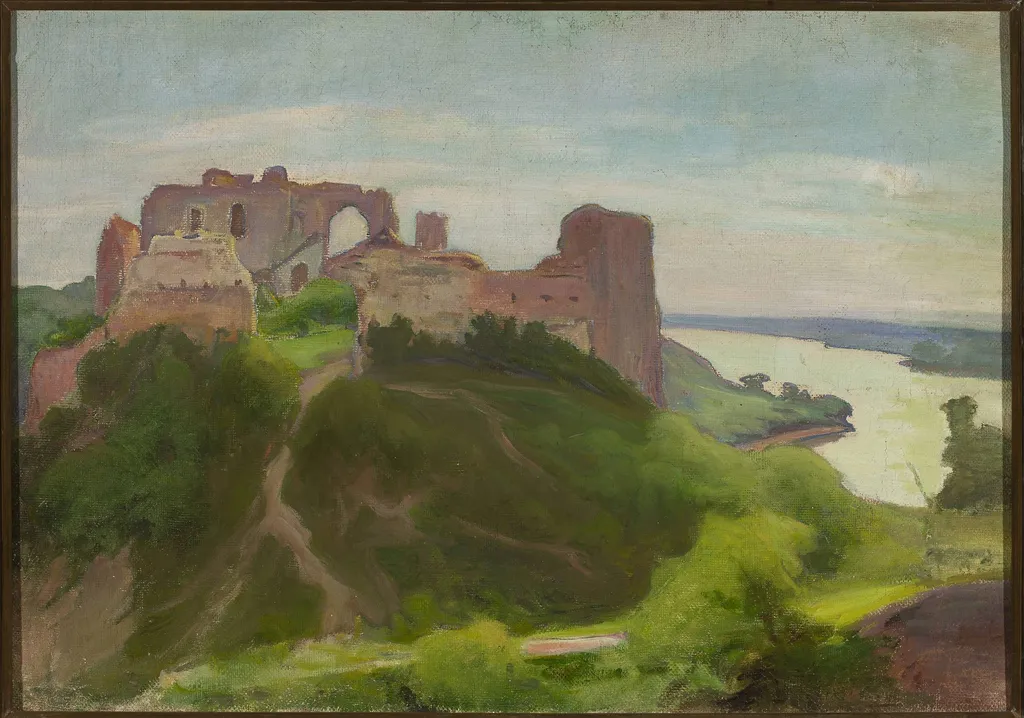
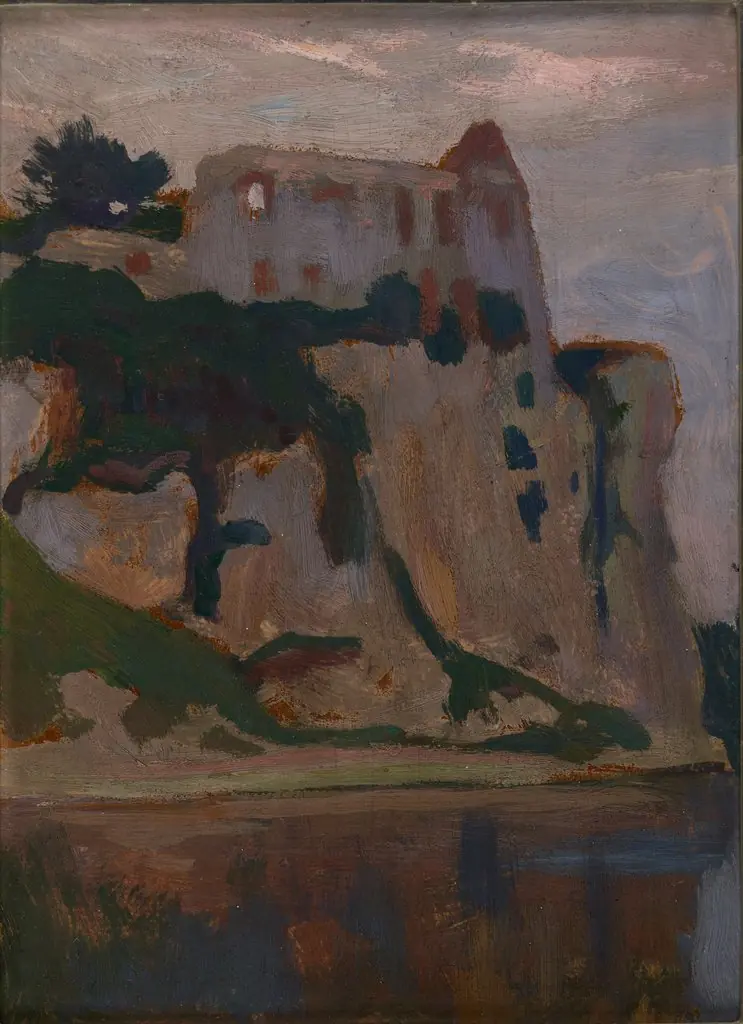
Ruins at the Vistula River bank – Janowiec is an oil painting by the Post-Impressionist artist Władysław Ślewiński. It dates from 1906 and is held in the collection of the National Museum in Warsaw.
About this work
Overview
Władysław Ślewiński painted *Ruins at the Vistula River bank – Janowiec* in 1906 using oil on canvas. The work is part of the National Museum in Warsaw’s collection and represents a quiet moment in the Polish countryside. Ślewiński, trained under Paul Gauguin, merged post-impressionist approaches with local subject matter, creating a landscape that balances observation with emotional tone.
Subject & Meaning
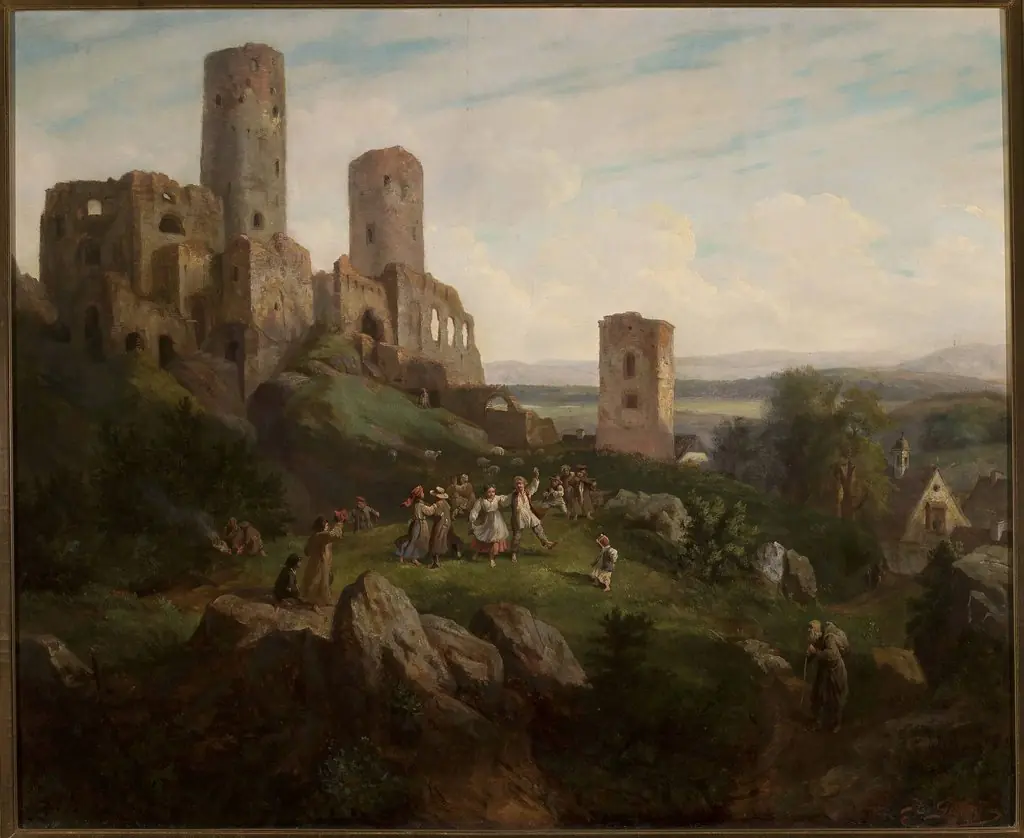
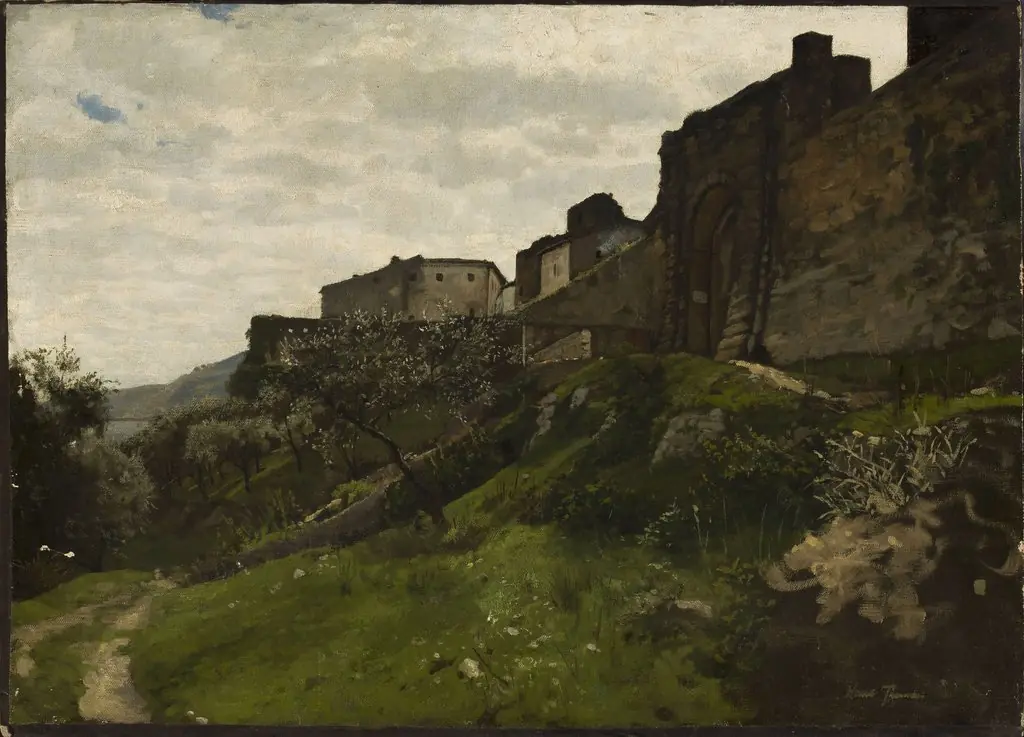
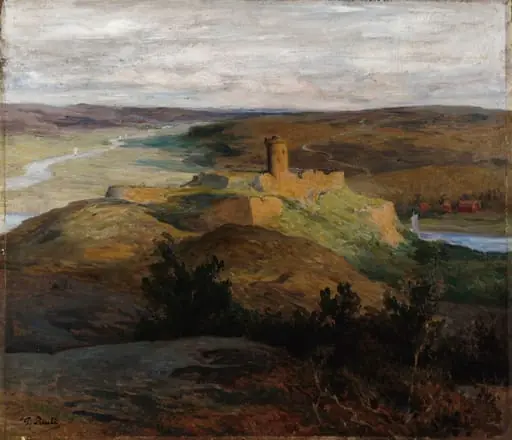
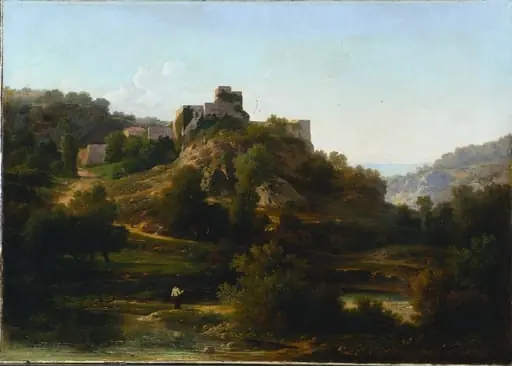
The painting portrays the crumbling remains of a stone structure on a hill overlooking the Vistula River near Janowiec.
The painting portrays the crumbling remains of a stone structure on a hill overlooking the Vistula River near Janowiec. Its arches and windows, weathered by time, suggest a forgotten monastery or manor. The surrounding trees and water frame the ruins without drama, inviting contemplation rather than narrative. The scene evokes a sense of quiet endurance, where nature reclaims human traces without judgment.
Technique & Style
Ślewiński employed visible, deliberate brushwork to build texture across the landscape. His palette is restrained—dominated by muted greens, earthy browns, and soft grays—reflecting Gauguin’s influence in its tonal harmony. Forms are simplified, not rendered with photographic detail, emphasizing mood over precision. The brushstrokes lend a tactile quality, reinforcing the painting’s meditative atmosphere.
History & Provenance
Created in 1906, the painting emerged during Ślewiński’s mature period, after his time in Brittany and return to Poland. It was acquired by the National Museum in Warsaw in the early 20th century and has remained in its collection since. The work reflects the artist’s commitment to depicting Poland’s rural heritage during a time of national cultural revival.
Context
As part of the Young Poland movement, Ślewiński sought to define a modern Polish artistic identity rooted in local landscapes and traditions. While European modernism emphasized abstraction or symbolism, he grounded his innovations in the physical reality of the Polish countryside. This painting aligns with broader efforts to find spiritual value in the nation’s quiet, often overlooked places.
Legacy
Though not widely exhibited outside Poland, the painting remains a key example of Ślewiński’s synthesis of post-impressionist technique and national subject matter. It influenced later Polish landscape painters who valued emotional resonance over spectacle. Its quiet dignity continues to resonate within Polish art history as a testament to understated observation.
Artist & collection
Artist
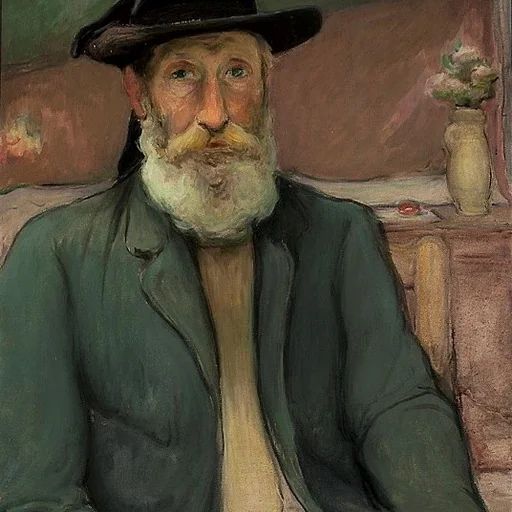
Władysław Ślewiński (1 June 1856 – 24 March 1918) was a Polish painter. He was one of Gauguin's students and a leading artist of the Young Poland movement.