Artwork
Self-portrait
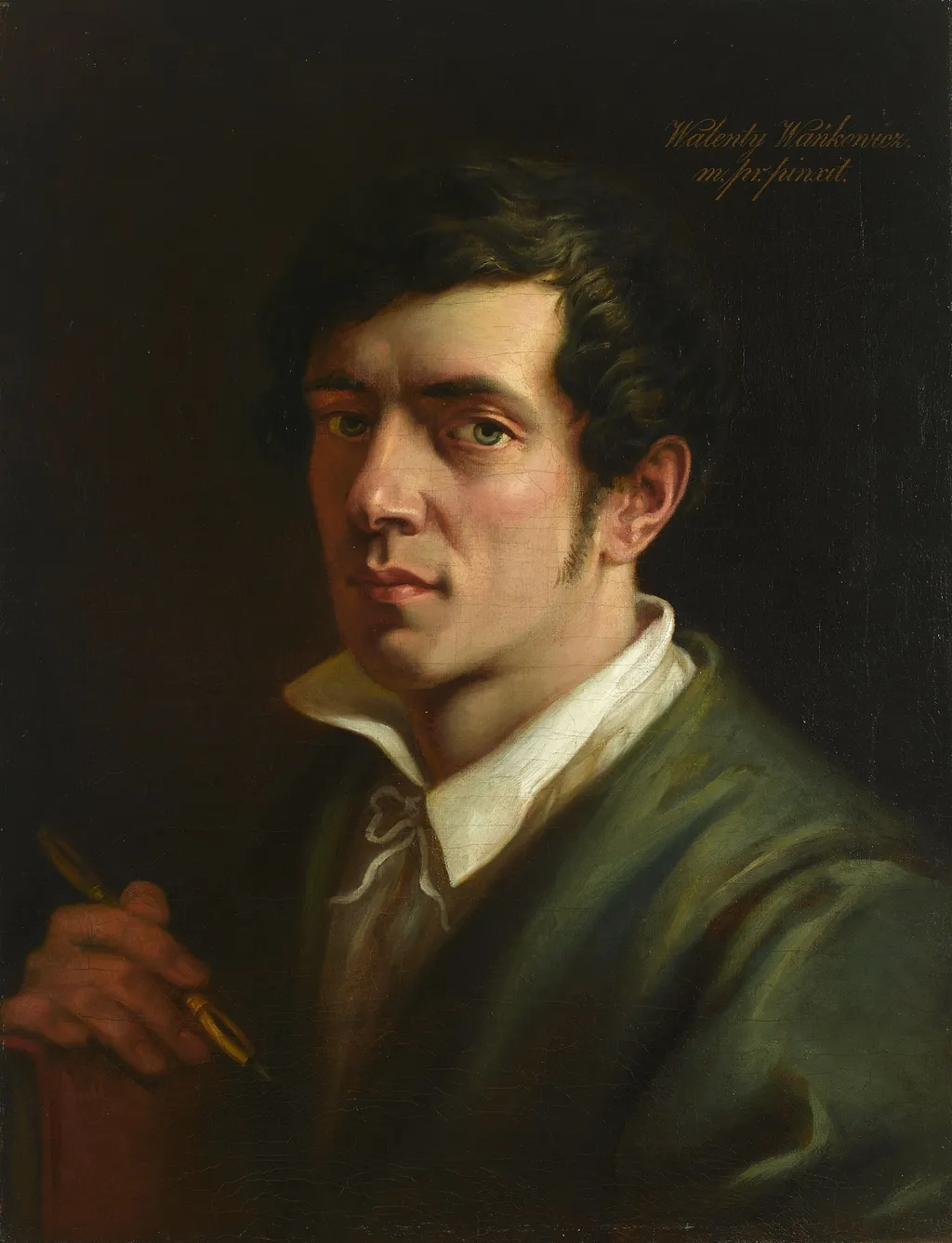
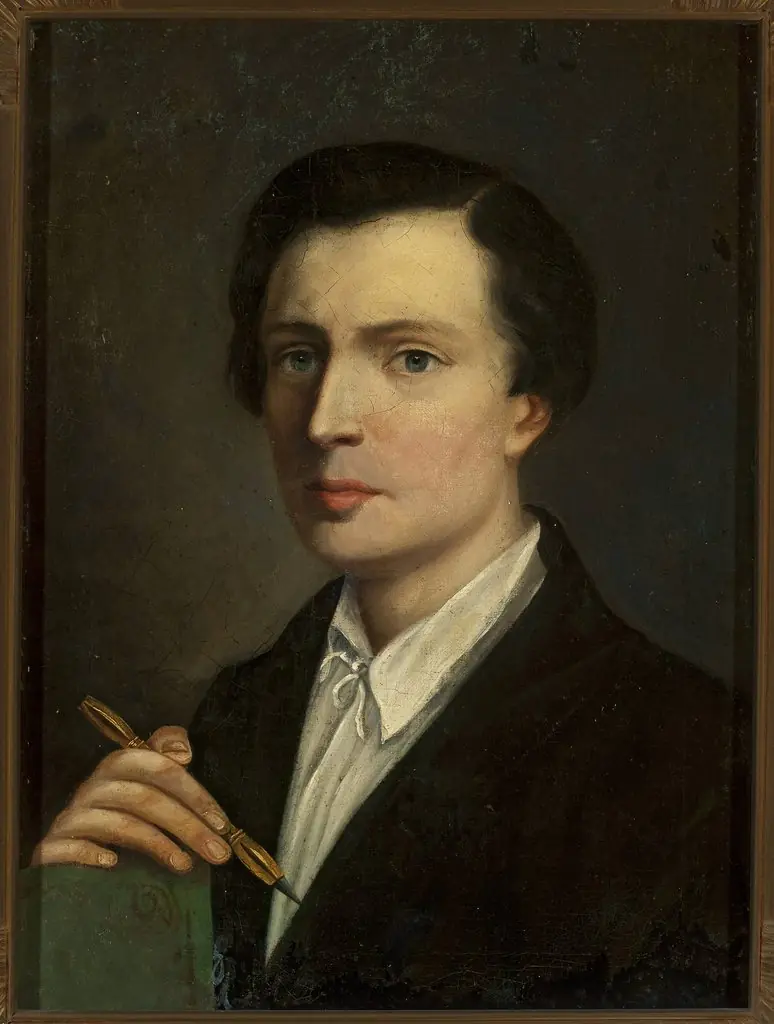
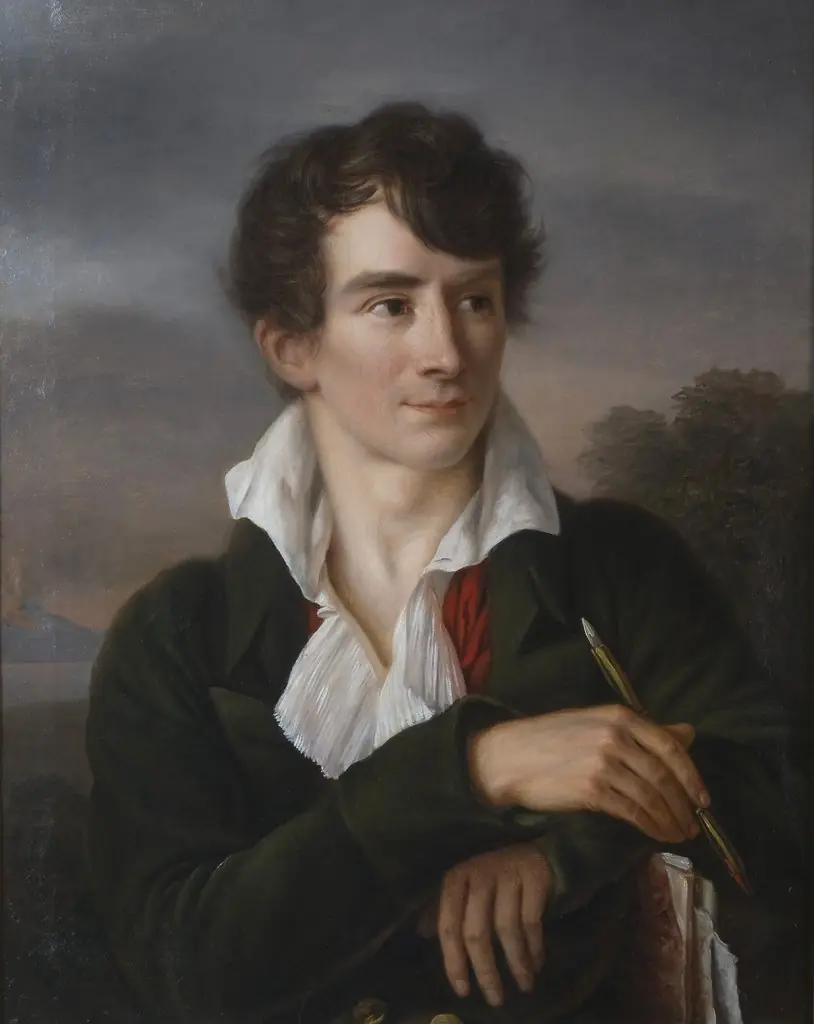
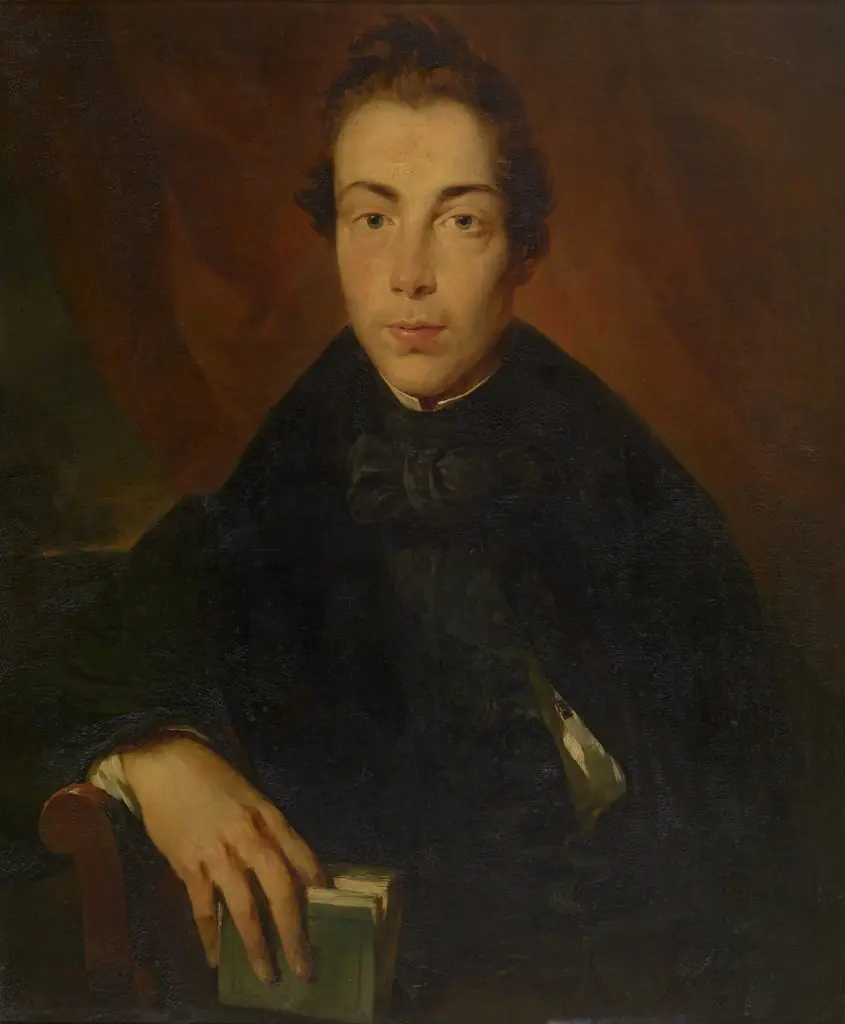
Self-portrait is an oil painting by Walenty Wańkowicz. It dates from 1831 and is held in the collection of the National Museum in Warsaw.
About this work
Overview
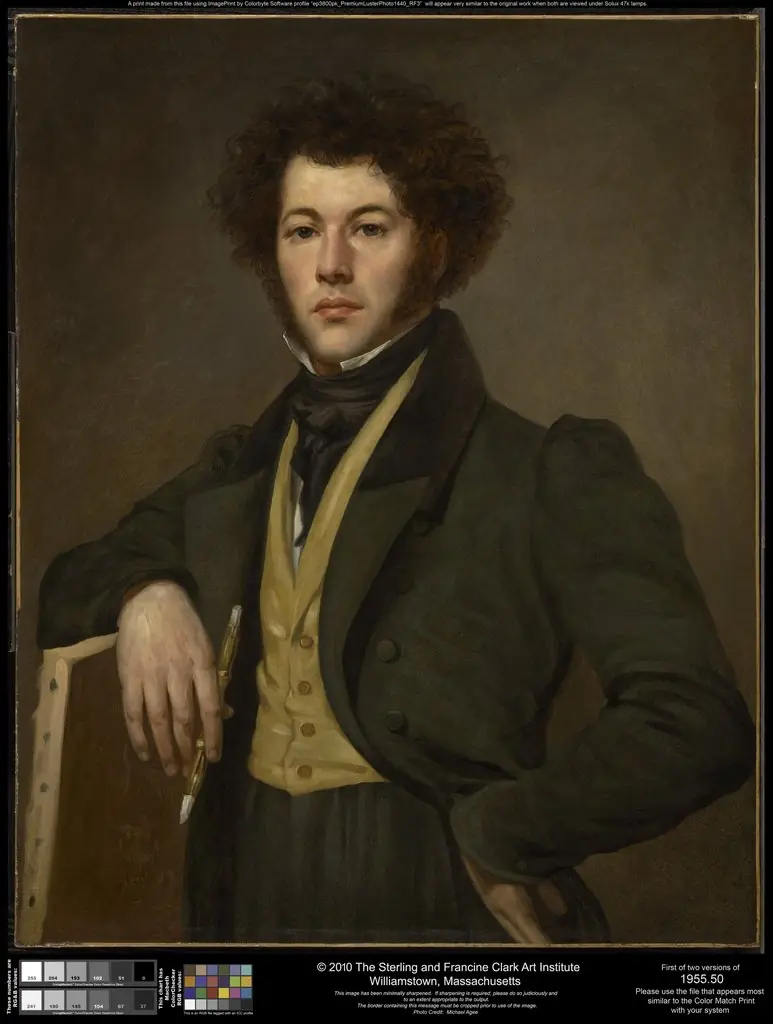
Created circa 1831, this oil painting is a self‑portrait by the Polish painter Walenty Wańkowicz (1799‑1868). Executed in a conventional portrait format, the work is part of the National Museum in Warsaw’s holdings. It presents the artist at an adult age, rendered with a restrained palette and a focus on facial expression.
Subject & Meaning
The canvas shows a man with dark hair, a neatly trimmed beard and a serious gaze. He is dressed in a green jacket over a high‑collared white shirt, and his left hand rests on a brush or pen, suggesting his identity as a working artist. The direct stare and composed posture convey a sense of professional confidence.
Technique & Style
Wańkowicz employs a clear chiaroscuro scheme, using a dark, undefined background to isolate the illuminated face. The lighting creates a subtle modelling of features, while the brushwork remains smooth in the flesh tones and more textured in the clothing. The overall effect is a controlled realism typical of early‑19th‑century academic portraiture.
History & Provenance
The painting entered the collection of Warsaw’s National Museum, where it remains on display. Wańkowicz, trained in Polotsk, Vilnius and St Petersburg, signed the work in the upper corner, confirming its status as an autograph self‑portrait. Its accession reflects the museum’s focus on preserving key examples of Polish art from the partition era.
Own this work as a print
Artist & collection
Artist
Walenty Wilhelm Wańkowicz (February 14, 1799 in Kałużyce - May 12, 1842 in Paris) was a Polish painter.