Artwork
Self-portrait
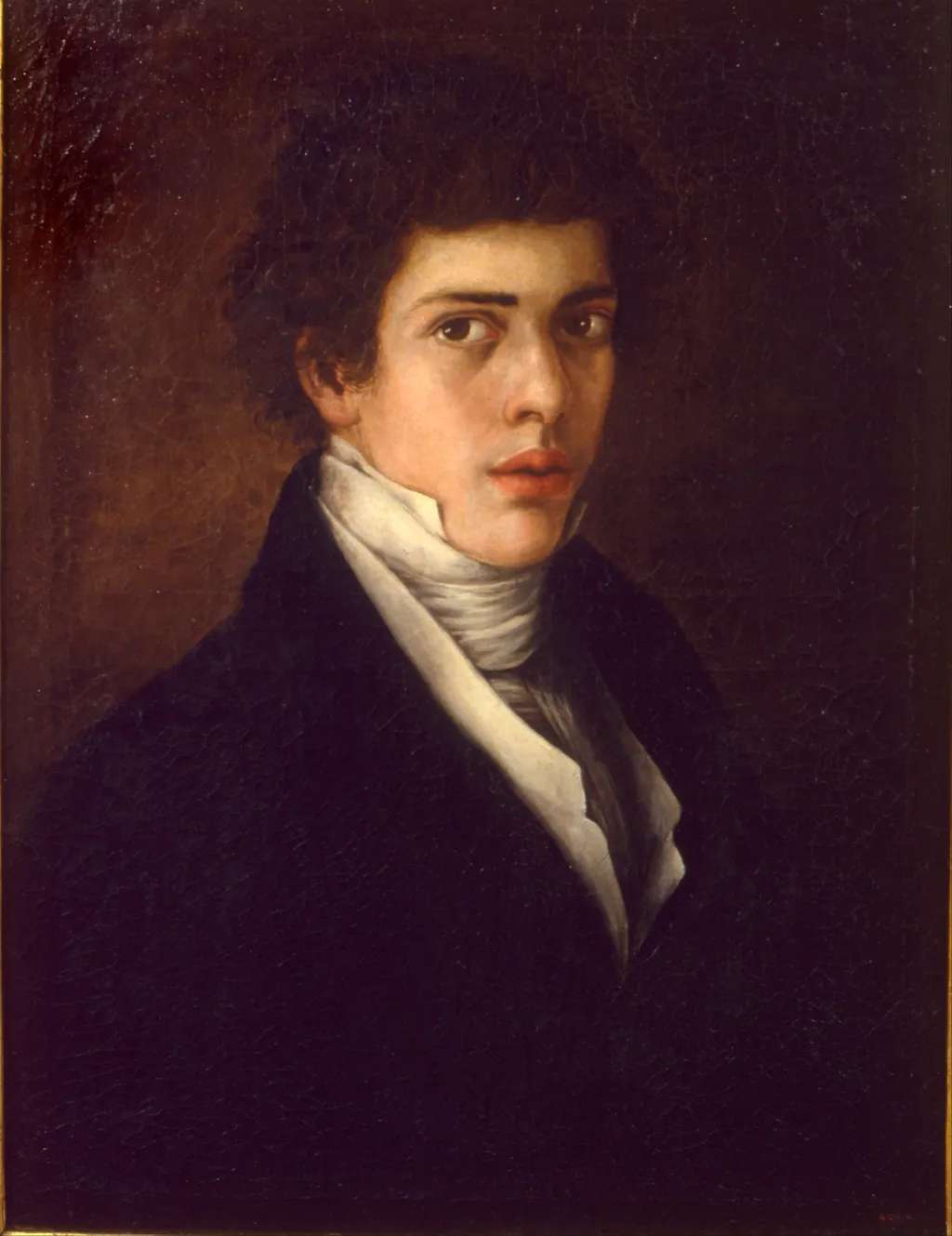
Self-portrait is an oil painting by Antonio María Esquivel. It dates from 1824 and is held in the collection of the Museu Nacional d'Art de Catalunya.
About this work
Overview
Painted in 1824, this oil-on-canvas self-portrait by Antonio María Esquivel presents the artist in formal attire, rendered with quiet precision.
Painted in 1824, this oil-on-canvas self-portrait by Antonio María Esquivel presents the artist in formal attire, rendered with quiet precision. It belongs to the collection of the Museu Nacional d'Art de Catalunya and reflects the artist’s engagement with Romantic portraiture traditions in early 19th-century Spain. The composition emphasizes psychological presence over theatricality, aligning with the era’s shift toward introspective self-representation.
Subject & Meaning
Esquivel depicts himself with a composed, unsmiling expression, his gaze turned slightly away from the viewer, suggesting contemplation rather than direct engagement. His dark coat and white cravat signal professional identity, likely referencing his role as a painter within academic circles. The absence of symbolic objects or elaborate setting directs focus to the individual’s demeanor, conveying a sense of personal gravity and artistic seriousness.
Technique & Style
The painting employs a restrained palette dominated by blacks, grays, and off-whites, with subtle modeling of light to define the contours of the face and fabric. Brushwork is controlled, avoiding overt expressionism, yet the texture of the cravat and the softness of the skin reveal careful observation. The dark, indistinct background isolates the figure, a common Romantic device to heighten psychological intensity without narrative distraction.
History & Provenance
Created in 1824, the portrait entered the Museu Nacional d'Art de Catalunya’s collection through institutional acquisitions focused on Catalan and Spanish artists of the 19th century. While little is documented about its immediate post-painting history, its preservation in a major public collection underscores its recognition as a representative example of Esquivel’s portraiture and the broader Spanish Romantic tradition.
Context
In the 1820s, Spanish artists were navigating the legacy of Neoclassicism and the emerging emotional depth of Romanticism. Esquivel’s self-portrait reflects this transition: it retains formal discipline but introduces a personal, inward-looking tone. Such portraits were increasingly used by artists to assert professional identity amid shifting cultural and political landscapes in post-Napoleonic Spain.
Legacy
Though Esquivel is not widely known outside Spain, this self-portrait remains a significant document of his artistic persona and the period’s visual culture. It contributes to the understanding of how Spanish painters used self-representation to negotiate identity within a changing artistic environment, offering a quiet counterpoint to more flamboyant Romantic expressions elsewhere in Europe.
Artist & collection
Artist
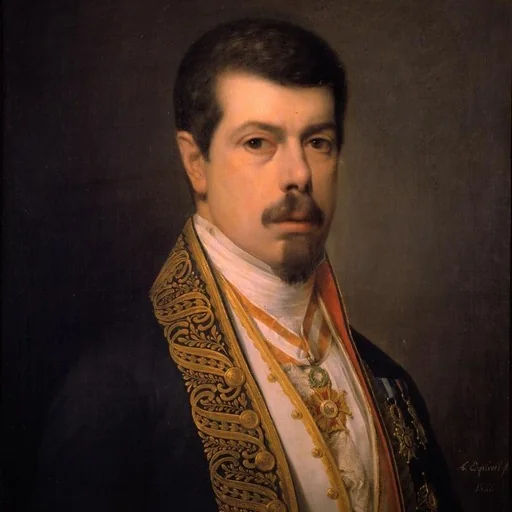
Antonio María Esquivel y Suárez de Urbina (8 March 1806 – 9 April 1857) was a Spanish painter in the Romantic style who specialized in portraits.

 Silkkitehtailija Carl Edvin Lundgren
 Portrait of a Man
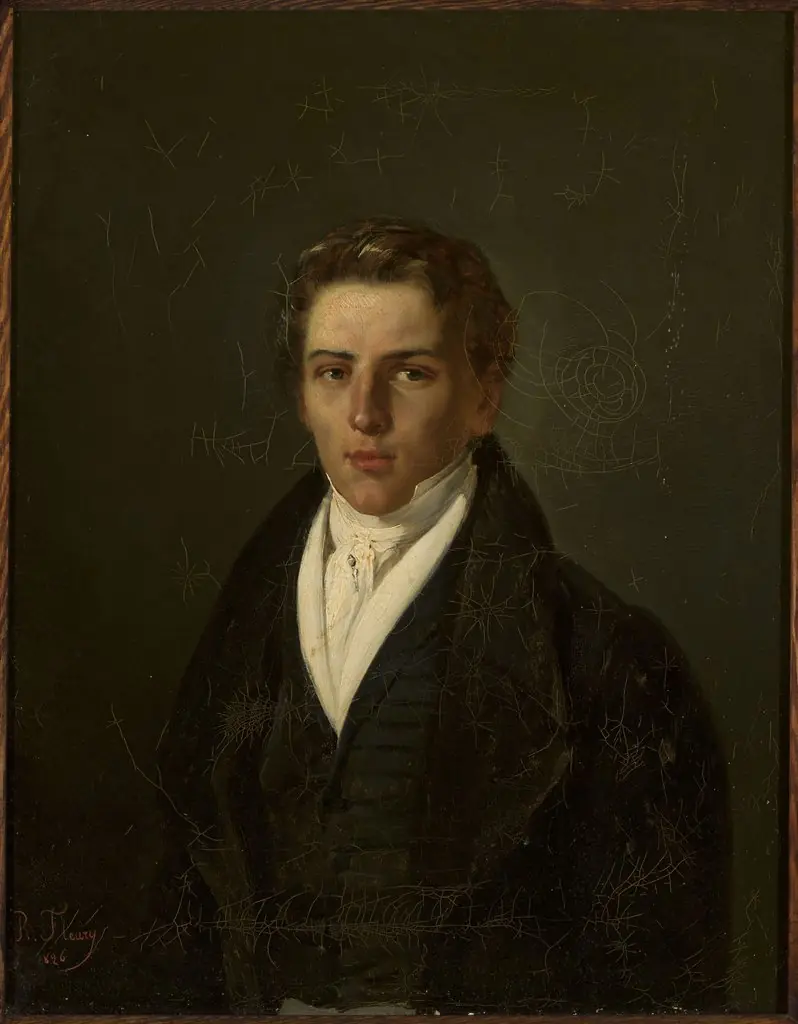 Portrait of a young man
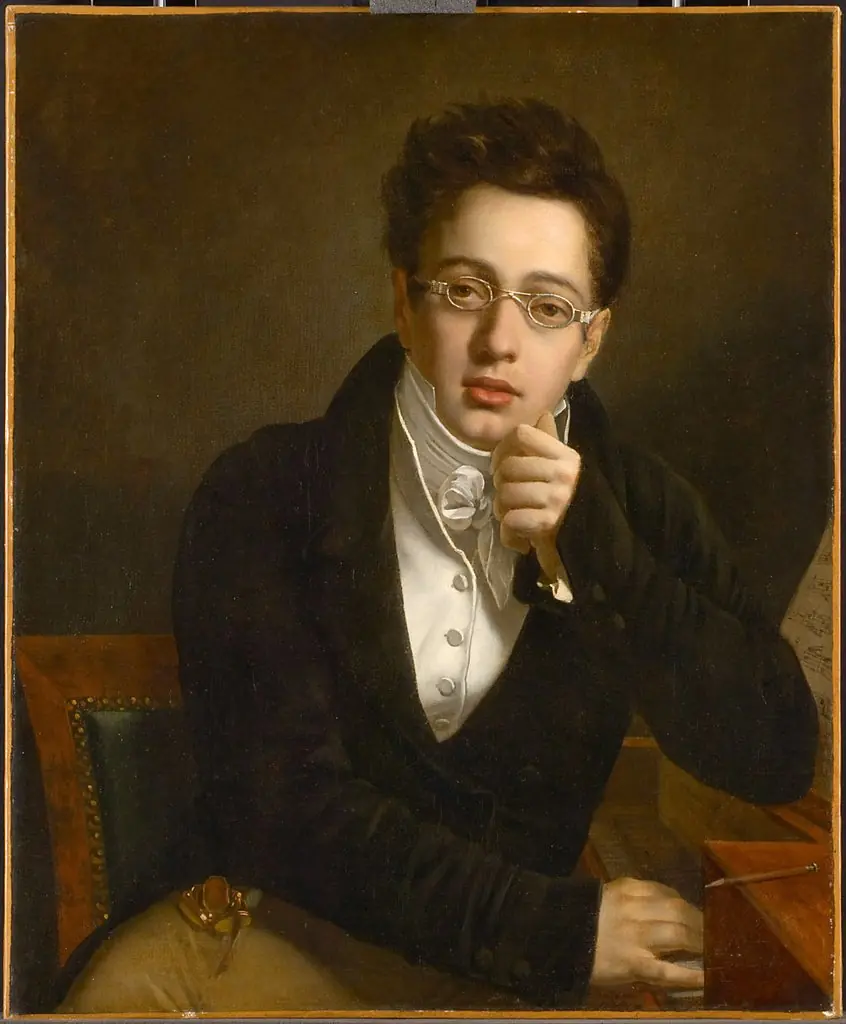 Gemälde: Der junge Schubert
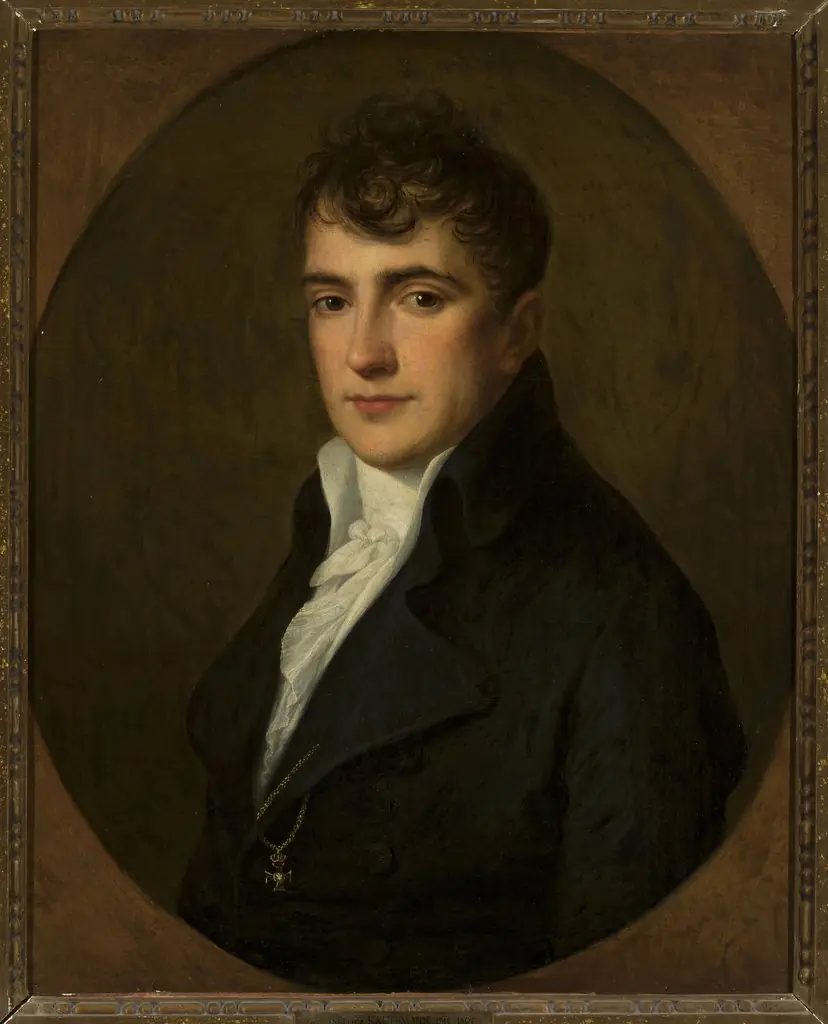 Portrait of Wojciech Męciński
 Count Alexander Ivanovich Sollogoub (1788–1844)
 Portrait of Count Paweł Sołtyk, castellan of Sandomierz
 Portrait of Franciszek Ksawery Andrychewicz
 Portrait of Józef Szymanowski
 Gabriel de Aristizábal (copia)
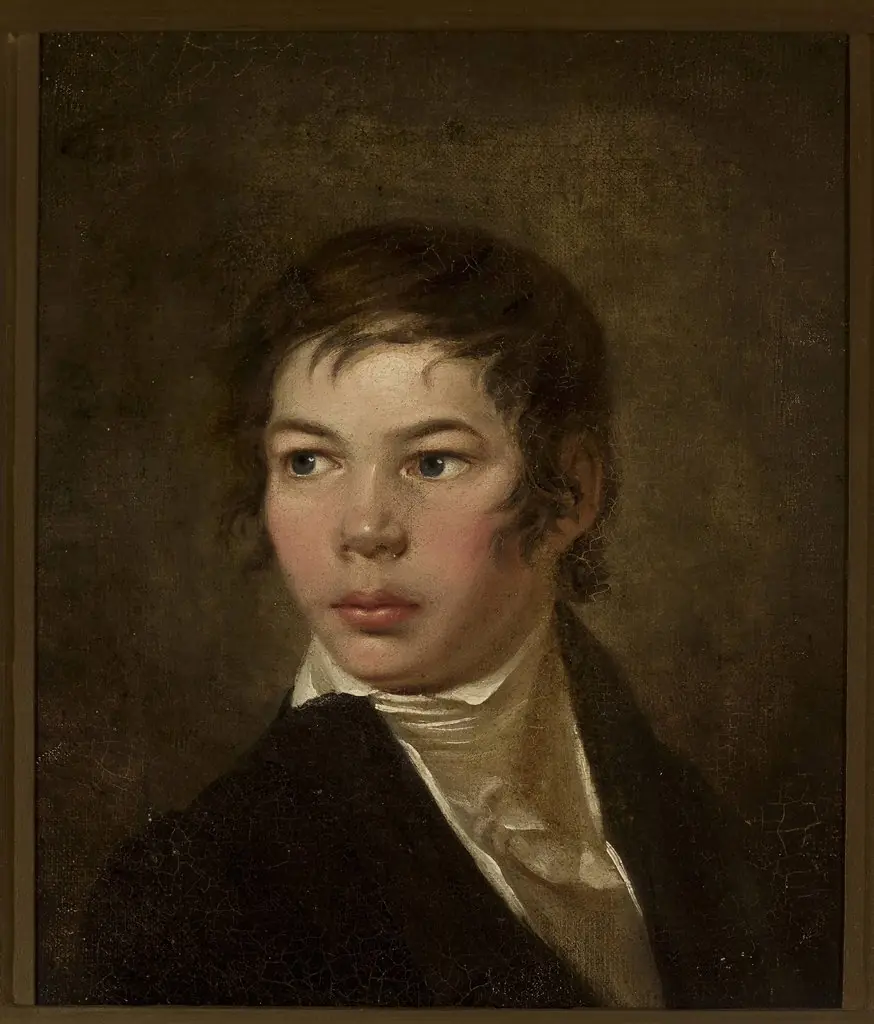 Portrait of Edward Jan Römer (1806–1878)
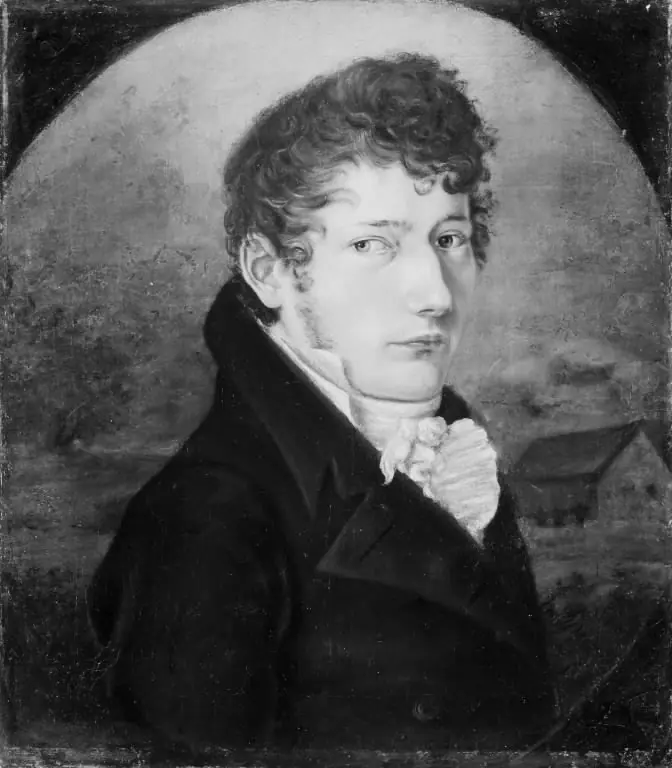 Portrait of a Young Man