Artwork
Landscape
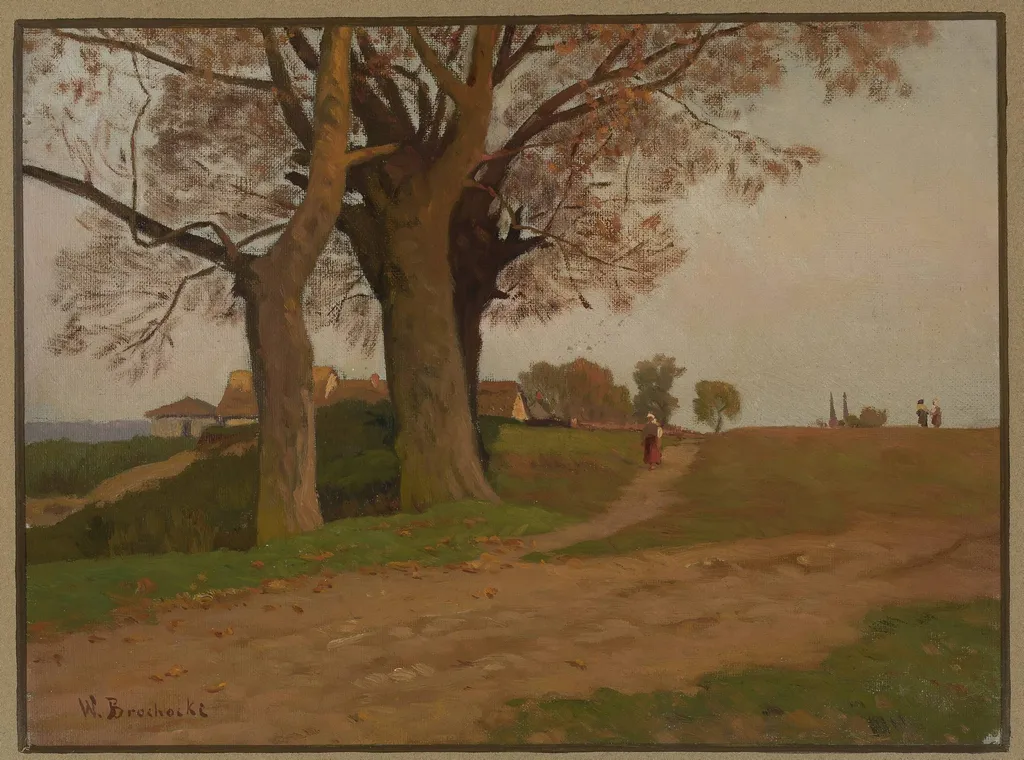
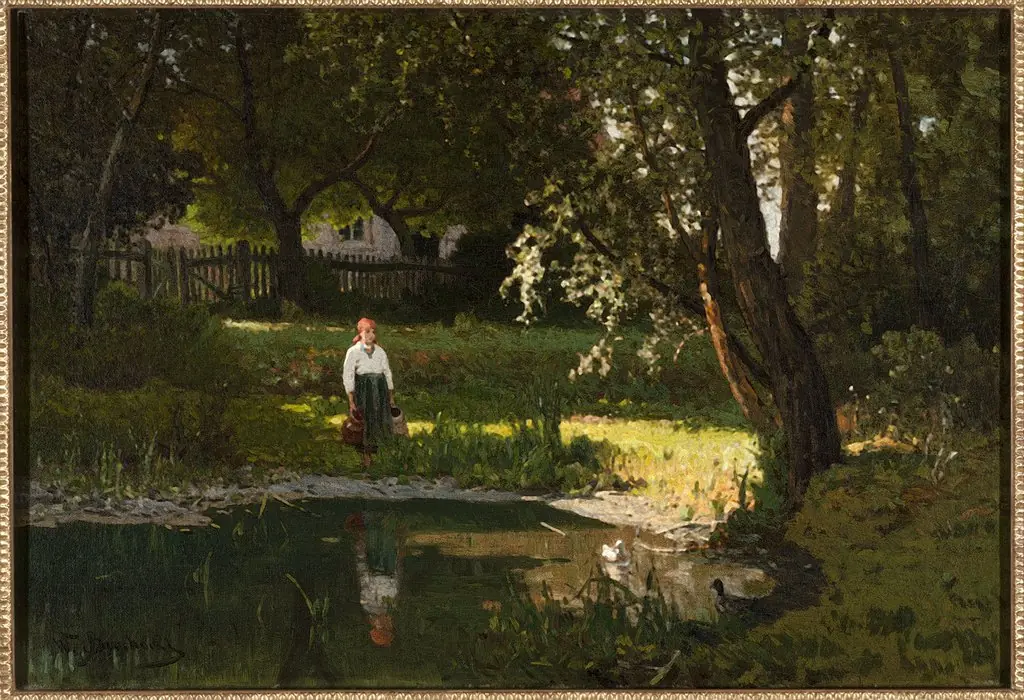
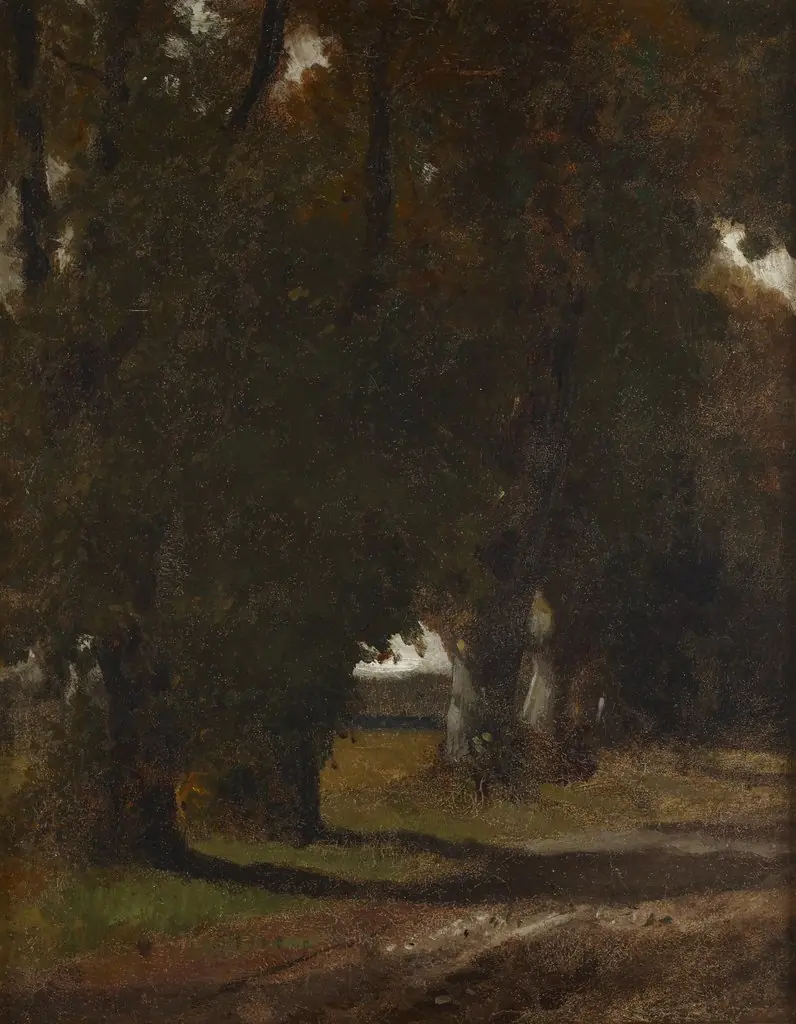
Landscape is an oil painting by Walery Brochocki. It dates from 1895 and is held in the collection of the National Museum in Warsaw.
About this work
Overview
The muted tones and soft lighting suggest a tranquil, early autumn atmosphere, characteristic of Brochocki’s observational approach to the natural world.
Painted around 1895, this oil-on-canvas landscape by Walery Brochocki depicts a quiet rural scene in Poland. It is part of the collection at the National Museum in Warsaw. The composition centers on a winding dirt path cutting through tall grass, flanked by scattered trees and distant dwellings. The muted tones and soft lighting suggest a tranquil, early autumn atmosphere, characteristic of Brochocki’s observational approach to the natural world.
Subject & Meaning
The painting presents an unidealized view of the Polish countryside, emphasizing solitude and the passage of time. A lone path invites the viewer’s gaze inward, while bare trees and fading foliage hint at seasonal change. The modest houses in the distance imply human presence without intrusion, reinforcing a sense of quiet endurance. The scene carries no narrative, instead evoking stillness and the subtle rhythms of rural life.
Technique & Style
Brochocki employs oil paint with restrained brushwork to build texture in grass, bark, and sky. Chiaroscuro is used subtly to model form, particularly in the large foreground tree, where light catches its thick trunk and scattered leaves. Depth is achieved through atmospheric perspective, with cooler hues receding into the horizon. The palette is earth-toned, with muted greens and browns, avoiding dramatic contrast in favor of tonal harmony.
History & Provenance
The painting entered the National Museum in Warsaw’s collection in the early 20th century, likely acquired during a period of renewed interest in Polish landscape traditions. Brochocki, active in the late 19th century, was known for his regional scenes, and this work reflects his consistent focus on the Polish countryside. Its provenance remains unbroken since acquisition, with no documented exhibitions prior to the 1950s.
Context
Created during a time when Polish artists were redefining national identity through depictions of the land, this work aligns with a broader movement away from romanticized vistas toward intimate, everyday views. Brochocki’s approach echoes the realism of the Munich School and the Polish Kapist tradition, emphasizing local topography and quiet observation over grandeur or symbolism.
Legacy
Though not widely exhibited today, the painting remains a representative example of late 19th-century Polish landscape painting. It contributes to the understanding of how regional artists documented their environment with quiet precision. Brochocki’s work, including this piece, is studied for its role in preserving the visual character of rural Poland during a period of political fragmentation.
Artist & collection

 Landscape
 Landscape
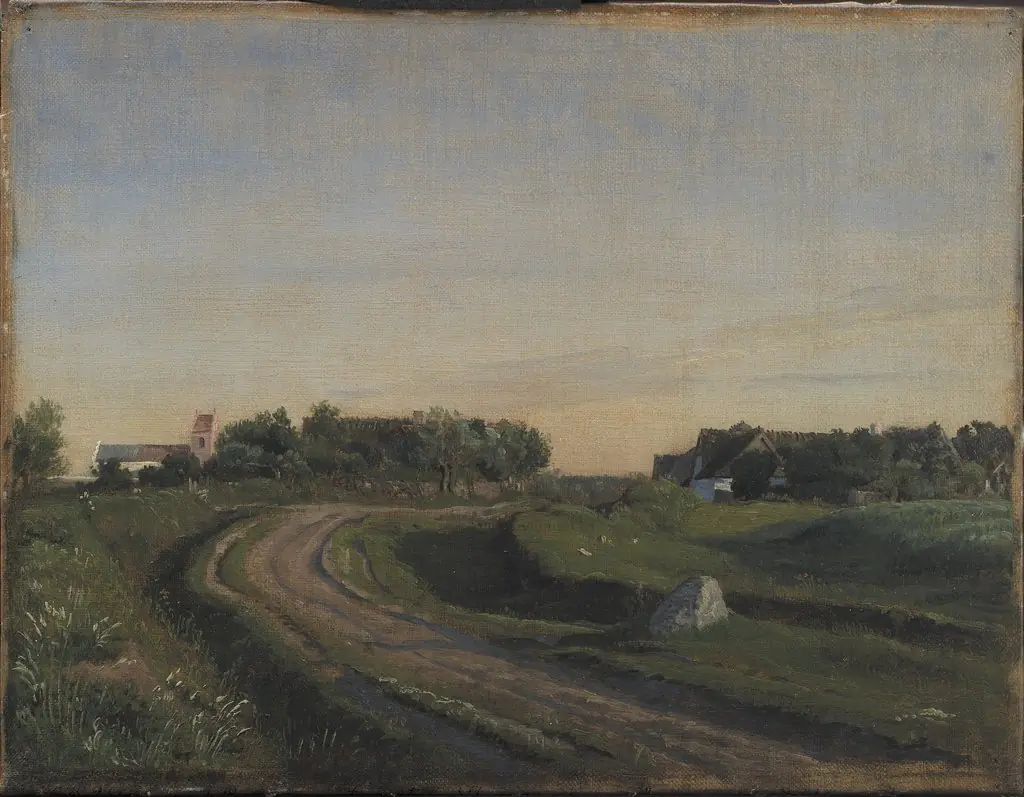 Vejby with the Church seen from the North. Evening Light. Zealand
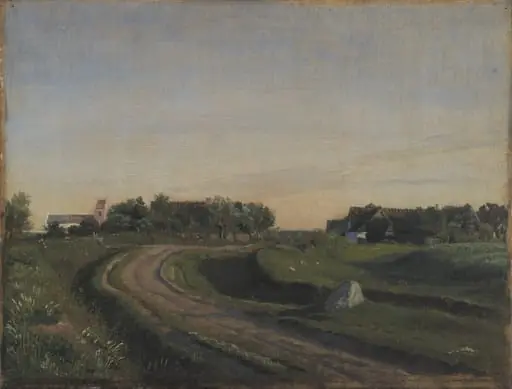 Vejby with the Church seen from the North. Evening Light. Zealand
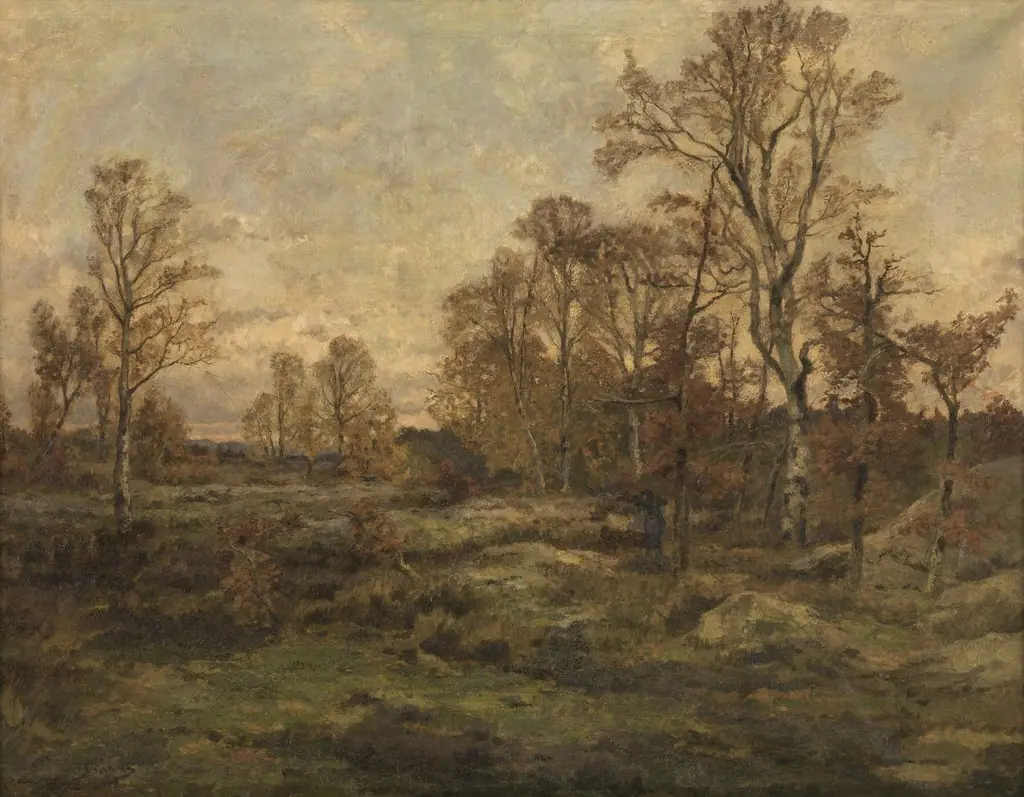 The Forest of Fontainebleau - Autumn Evening
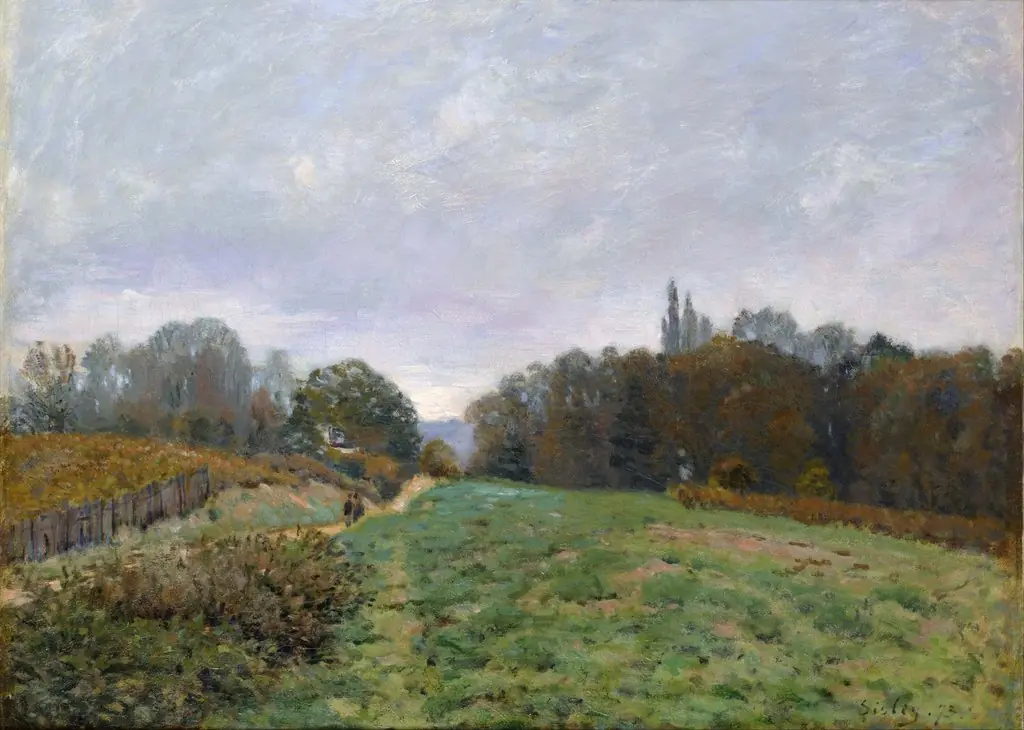 Landscape at Louveciennes
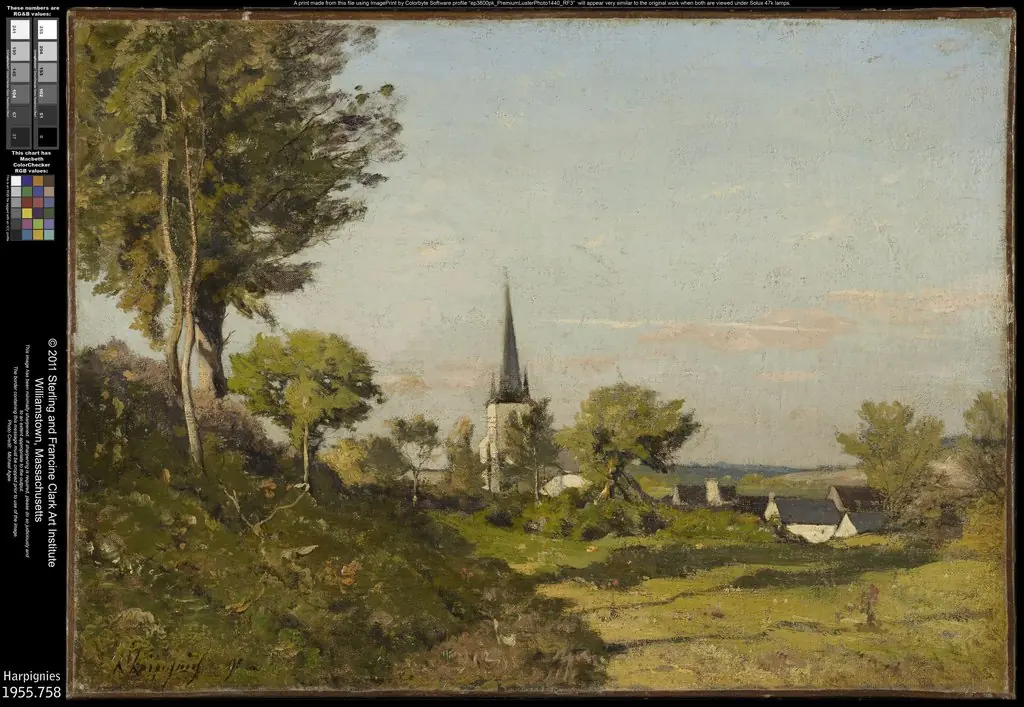 Landscape with a Church
 Environs of Gruyéres, Switzerland
 Landscape with a bunch of trees
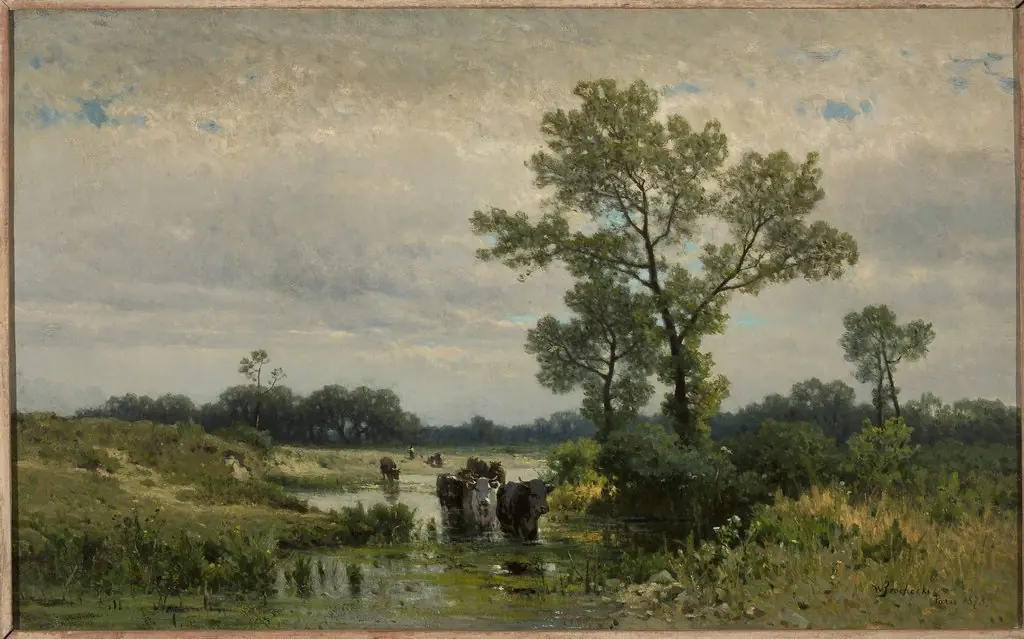
 Landscape with Cattle
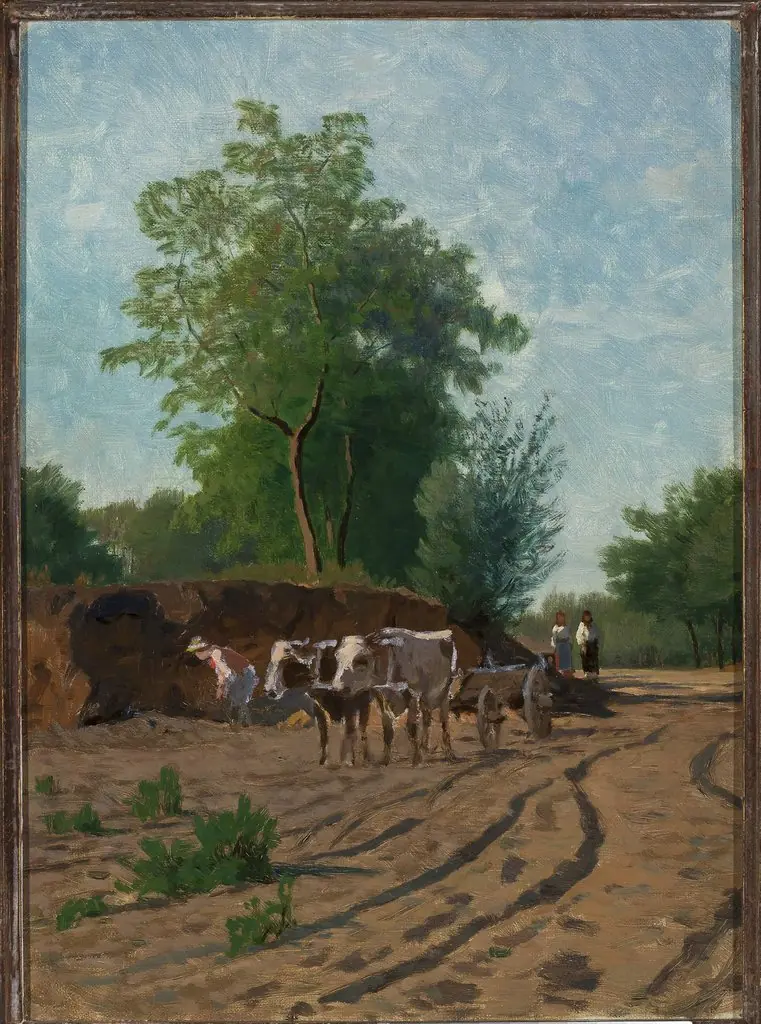
 Sunny Lane
 Road Among Trees