Artwork
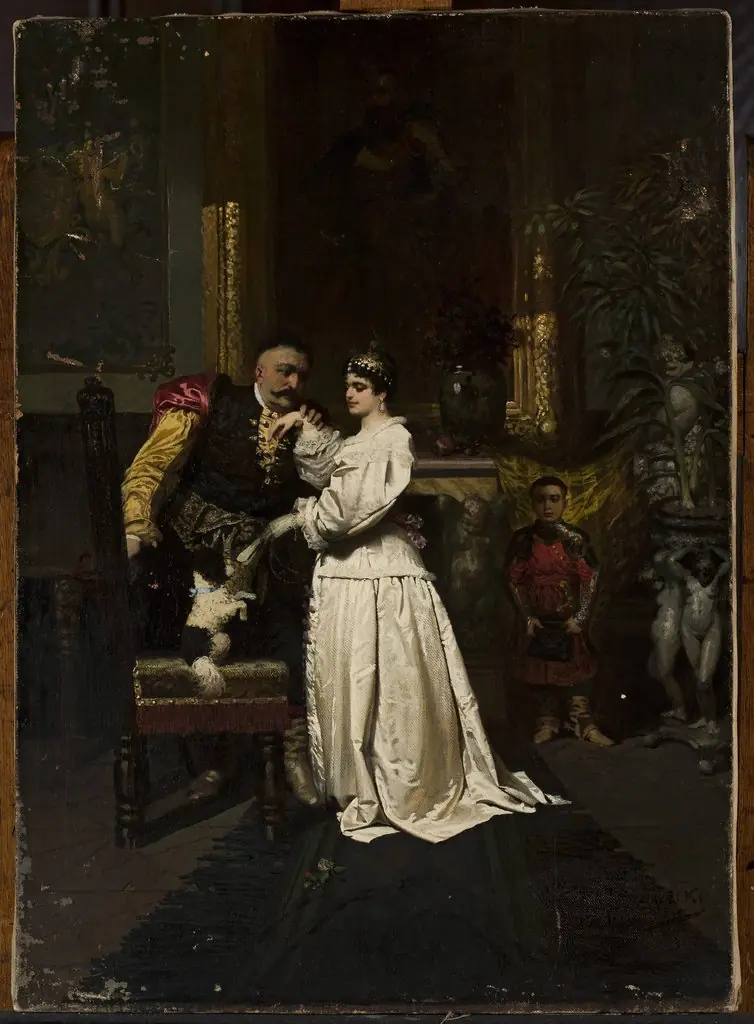
Teofila Sobieska with her sons at the grave of Żółkiewski
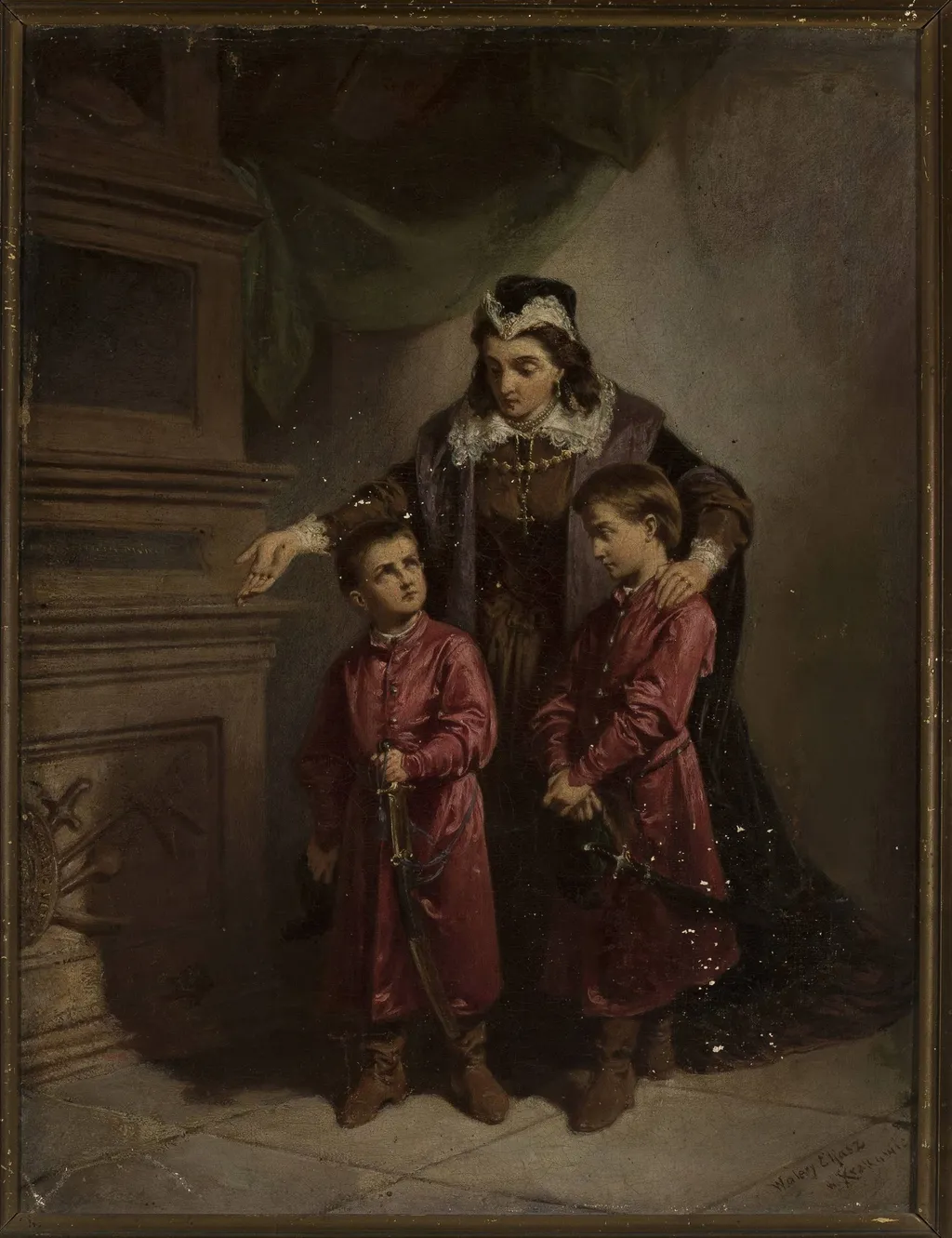
Teofila Sobieska with her sons at the grave of Żółkiewski is an oil painting by the Realist artist Walery Eljasz Radzikowski. It dates from 1866 and is held in the collection of the National Museum in Warsaw.
About this work
Overview
Walery Eljasz‑Radzikowski, a 19th‑century Polish painter, completed an oil canvas in 1866 titled *Teofila Sobieska with her sons at the grave of Żółkiewski*. The work is part of the National Museum in Warsaw’s holdings and exemplifies the realist tendency of its era, portraying a solemn family scene at a tomb.
Subject & Meaning
The composition shows Teofila Sobieska, dressed in a dark robe with a white collar and a modest headpiece, standing beside two young boys in red coats who hold swords. Both children rest close to their mother, who leans on a stone monument, while a faint light falls on the group, underscoring themes of mourning, lineage, and reverence for the deceased.
Technique & Style
Executed in oil, the painting employs a restrained palette of deep tones contrasted with a subtle illumination that draws attention to the figures. Eljasz‑Radzikowski’s brushwork renders the textures of fabric and metal with clarity, while the overall composition adheres to realist principles, emphasizing accurate detail and a naturalistic portrayal of emotion.
History & Provenance
Created during the period of the Partitions of Poland, the canvas reflects the artist’s engagement with national history and identity. After its completion, the painting entered the collection of the National Museum in Warsaw, where it remains accessible to the public as a representative example of Polish realist art from the mid‑19th century.
Artist & collection
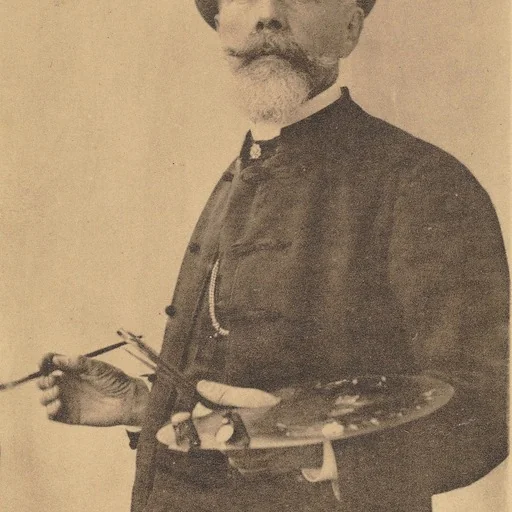
Artist
Walery Eljasz-Radzikowski (13 September 1841 – 23 March 1905) was a Polish painter, illustrator, teacher of fine arts and photographer active during the foreign Partitions of Poland.

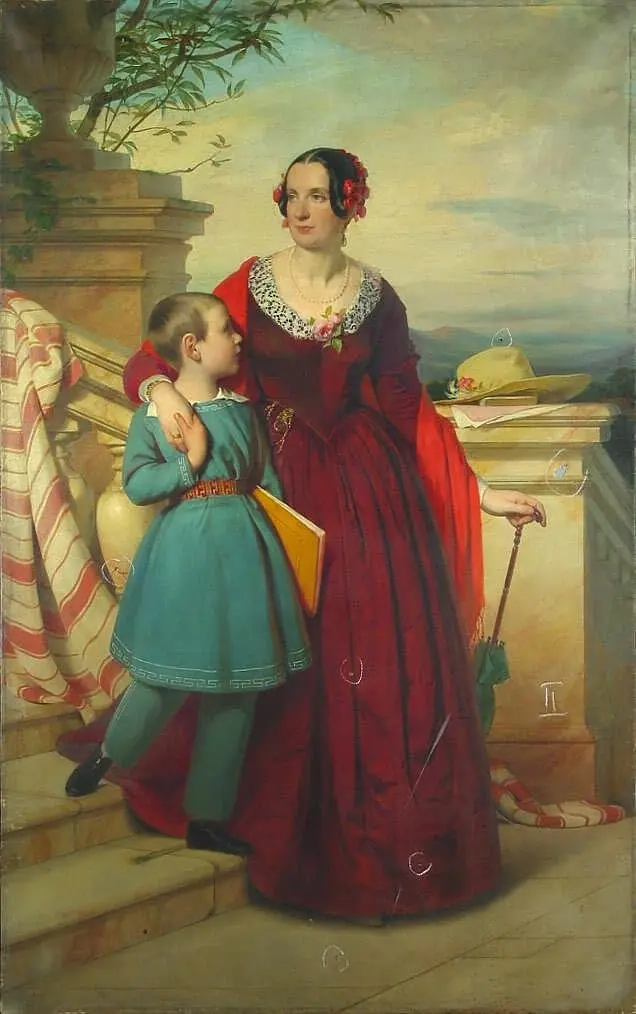 Portrait of I.V. Durnovo with Her Son
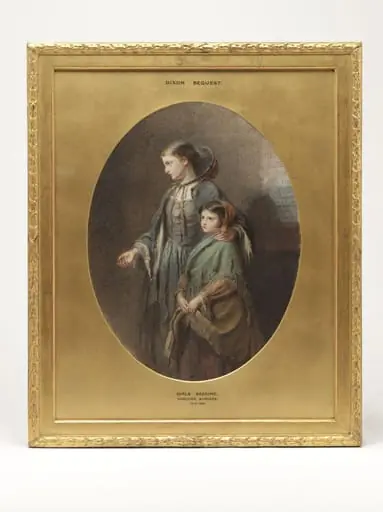 Untitled
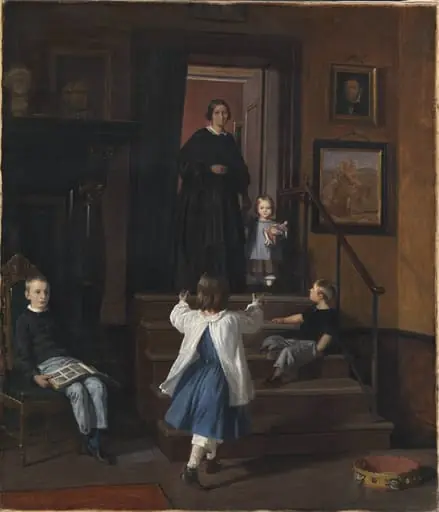 The Artist's Family
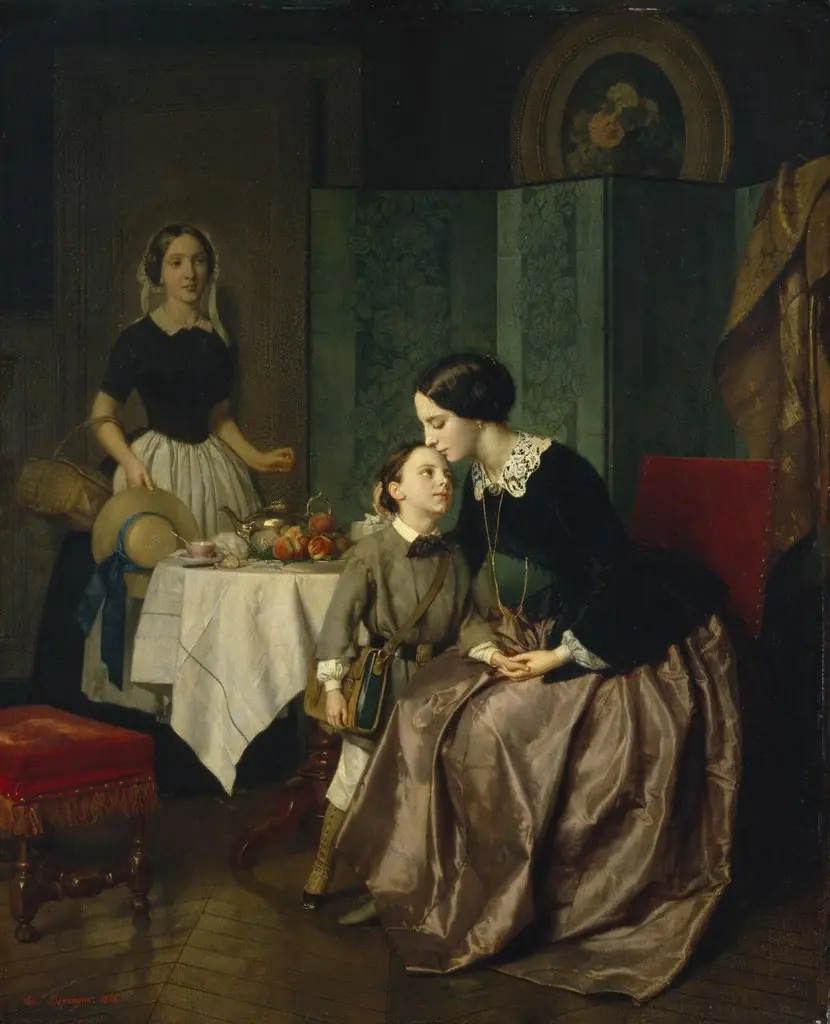 Mother's Instructions
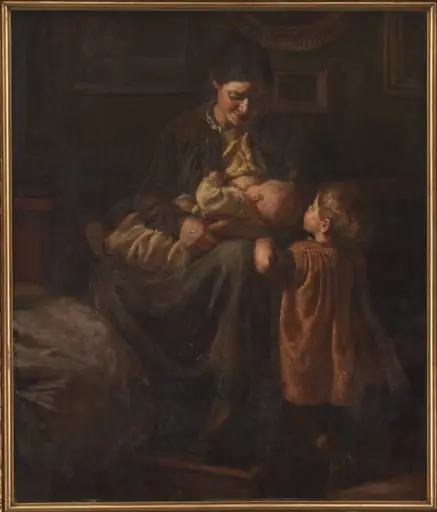 Kunstnerens hustru med to børn
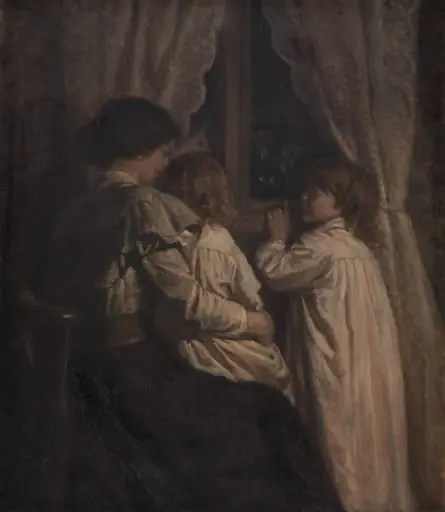 The Children Saying Good Night to their Stars
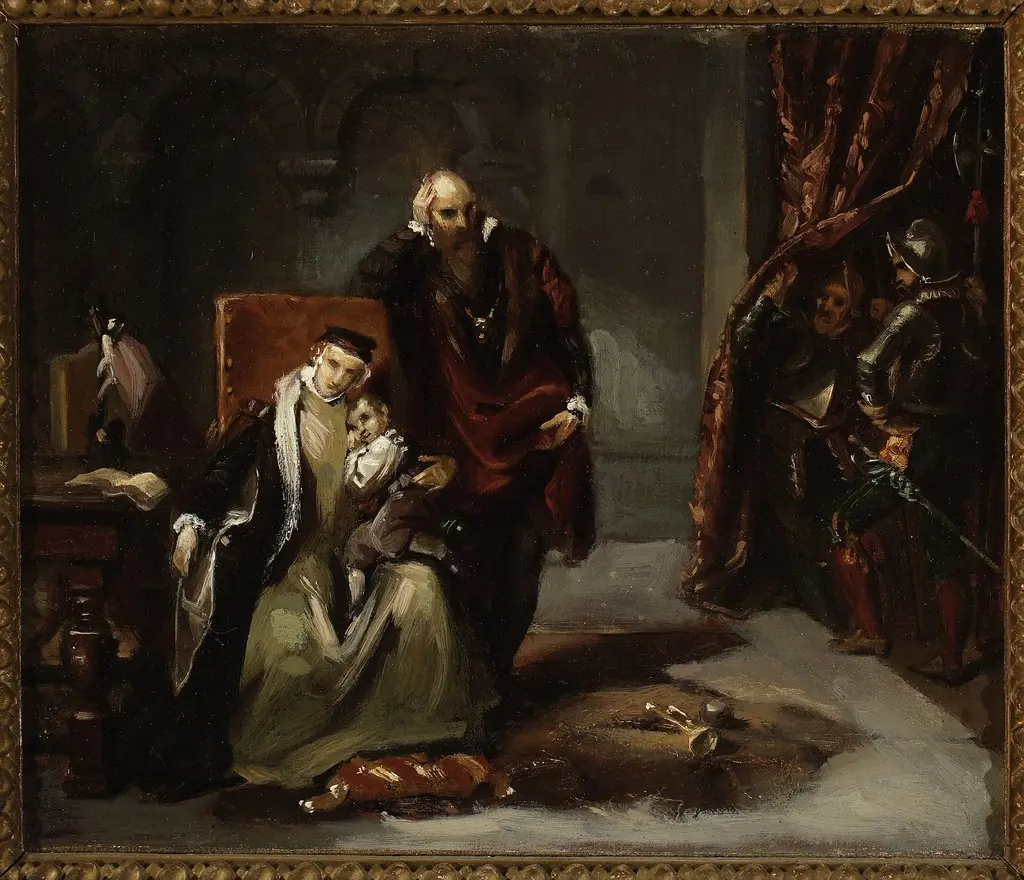 Catherine Jagiellon with her son Sigismund imprisoned in the Gripshom Castle (sketch)
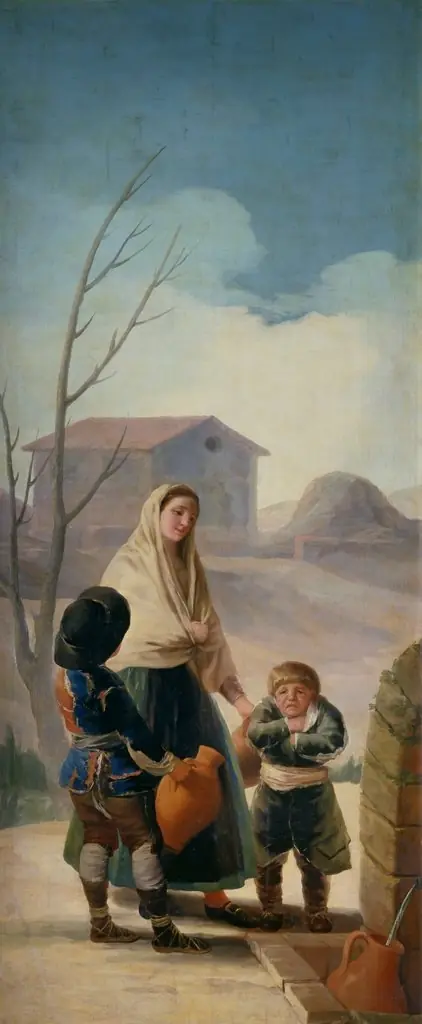 The Poor at the Fountain
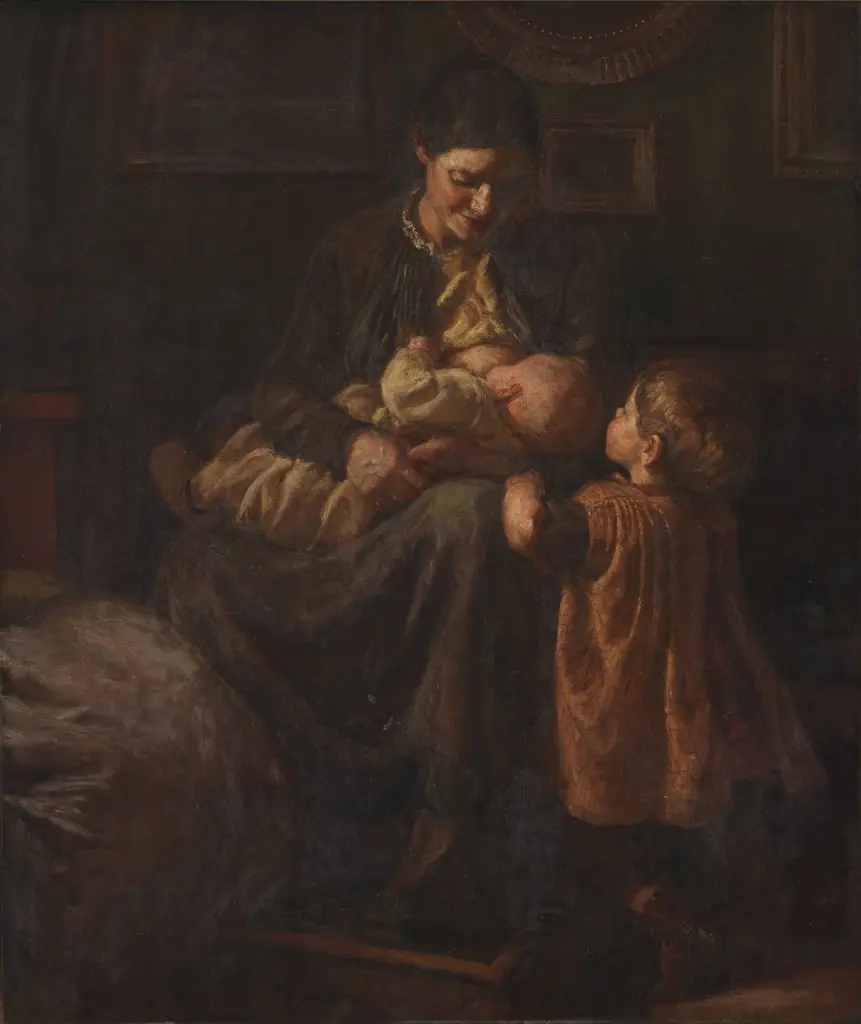 Kunstnerens hustru med to børn
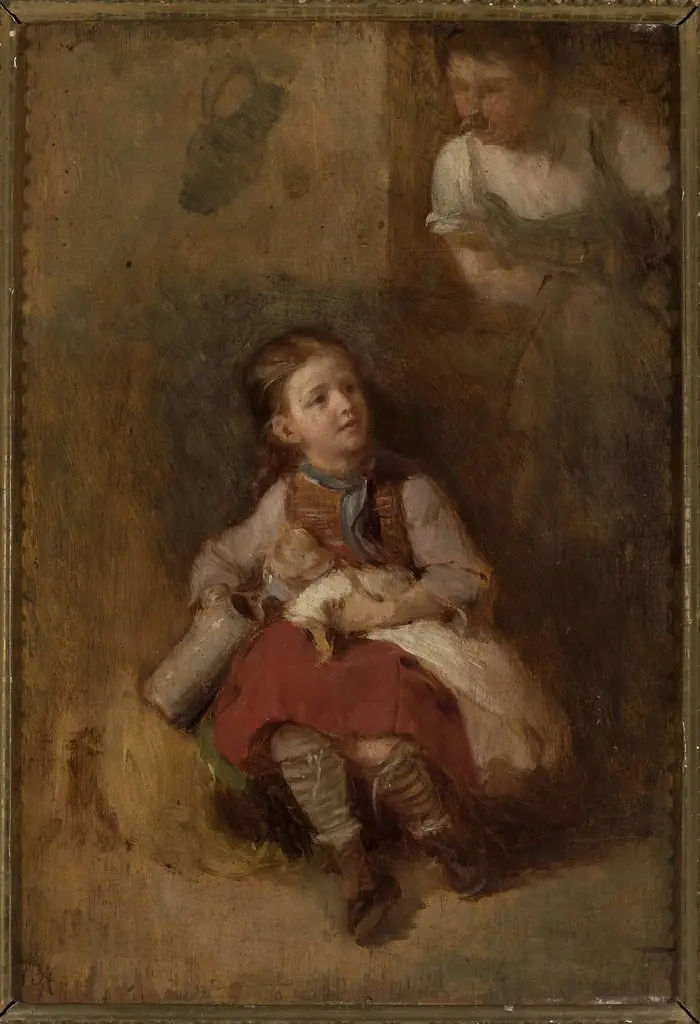 Girl with a doll
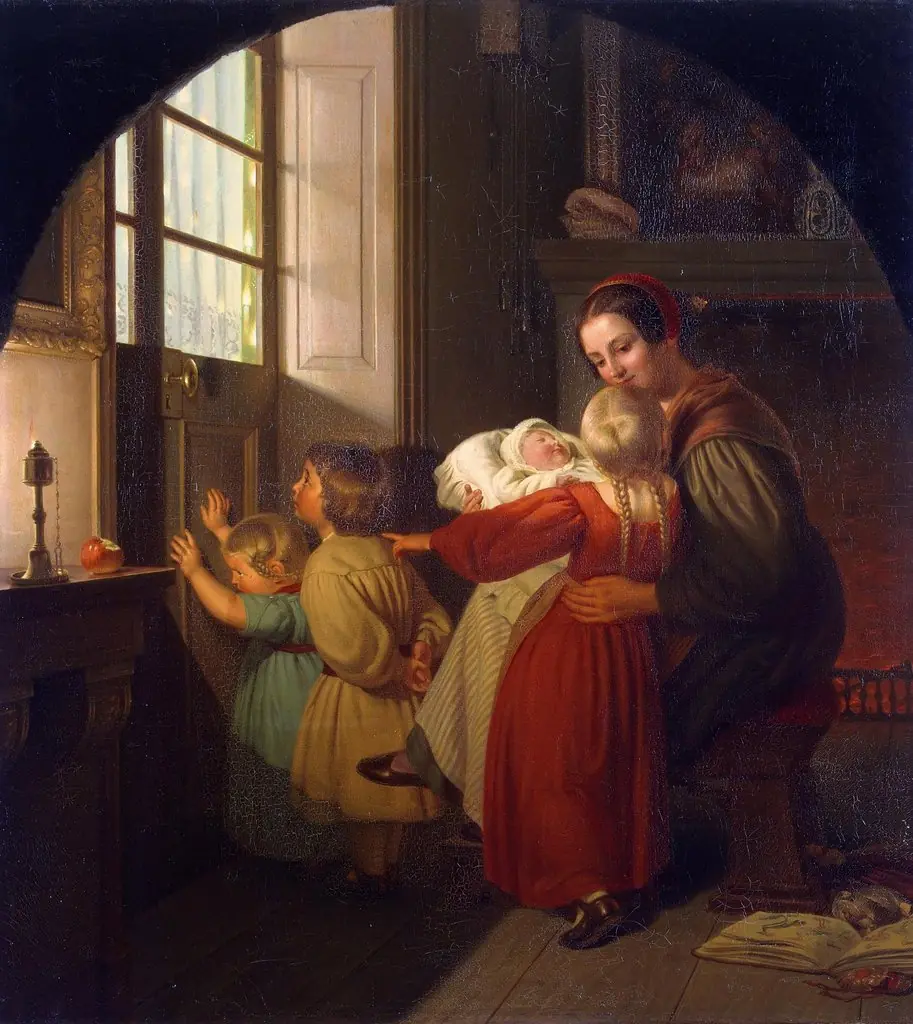 Children Expecting the Christmas Feast
 King John III Sobieski and Marysieńka