Artwork
Guy Little Theatrical Photograph
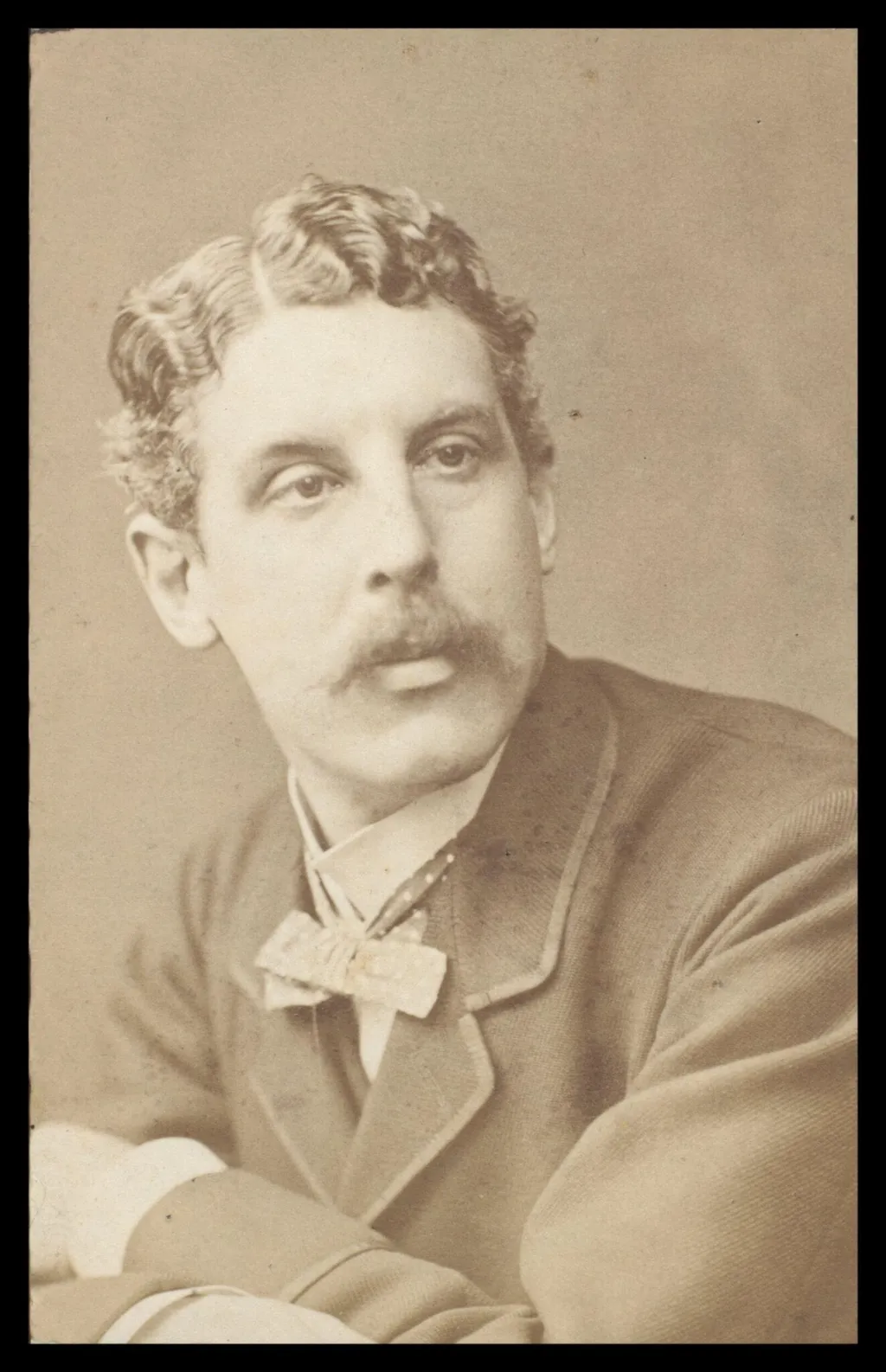
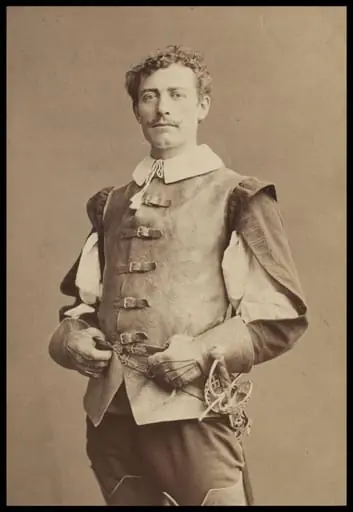
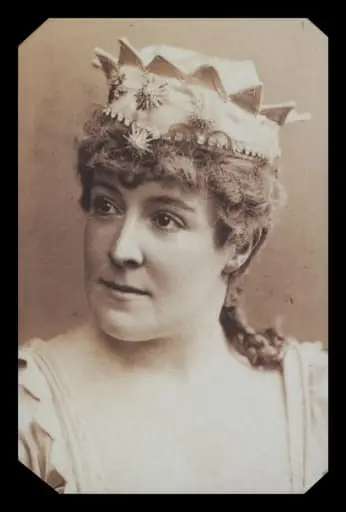
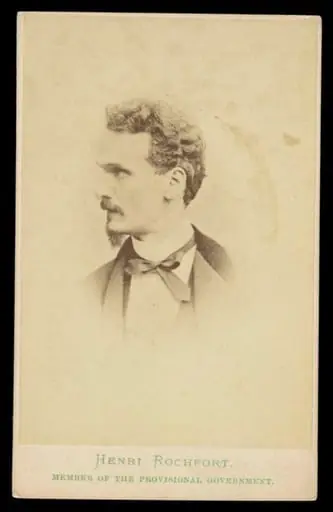
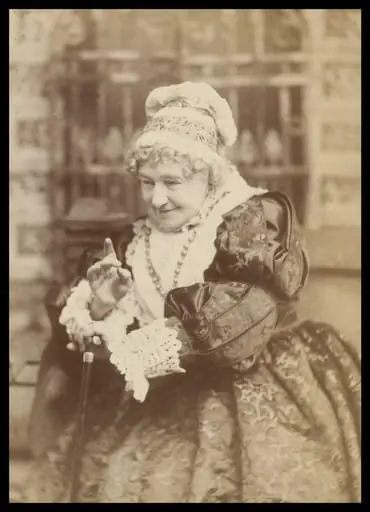
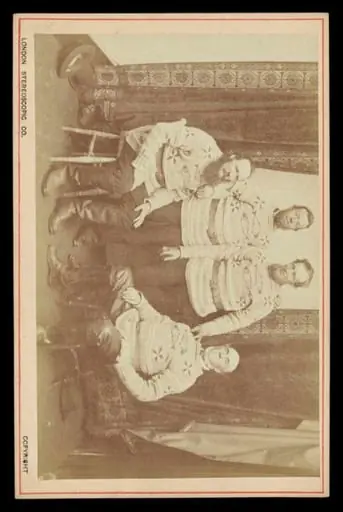
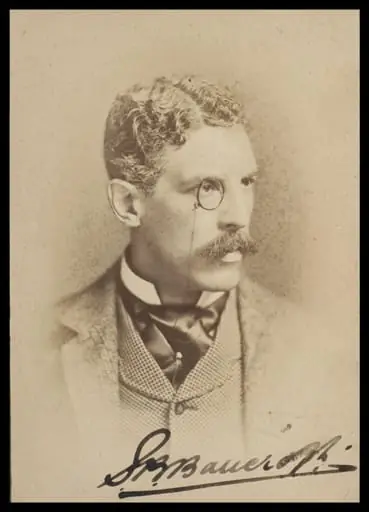
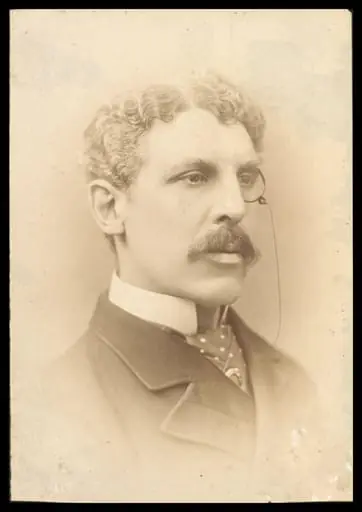
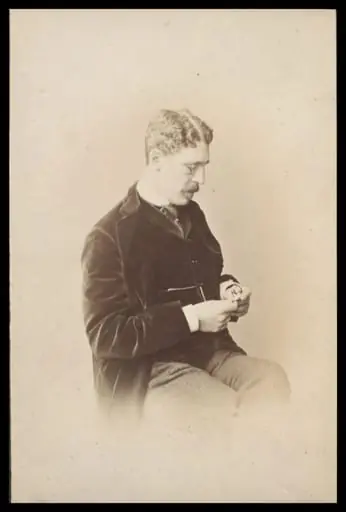
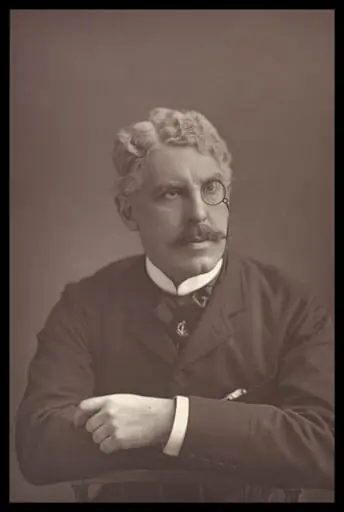
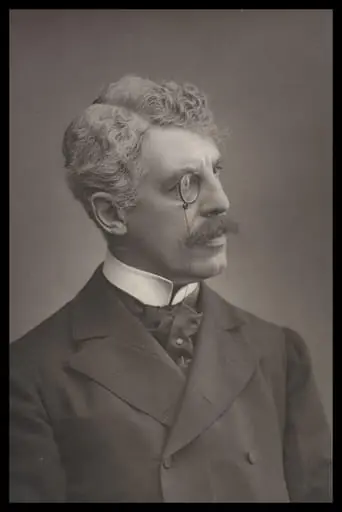
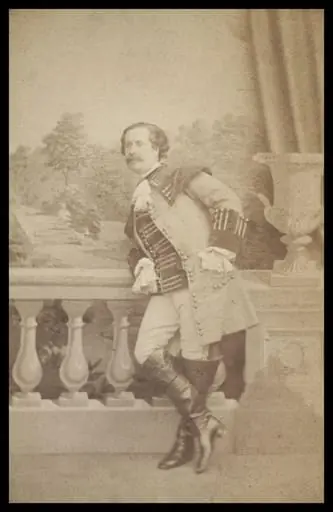
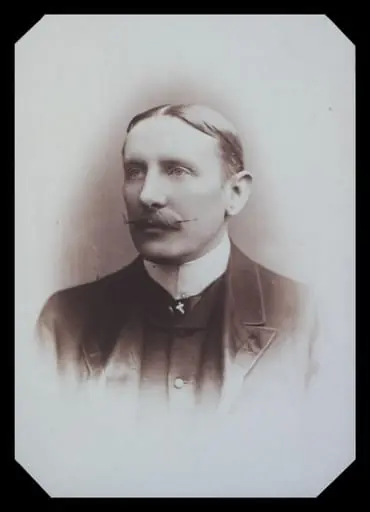
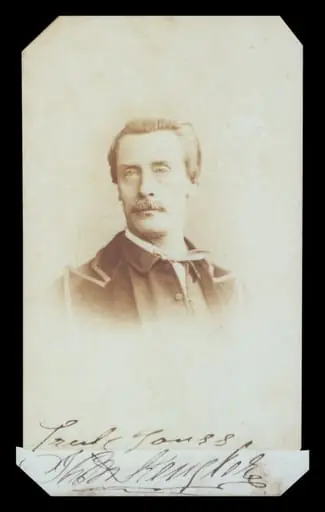
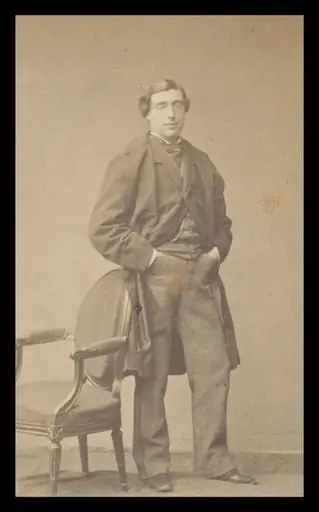
Guy Little Theatrical Photograph is a photographic photography by the Impressionist artist London Stereoscopic and Photographic Company. It dates from 1861 and is held in the collection of the Victoria and Albert Museum. This black-and-white albumen print on card is a theatrical portrait of actor Squire Bancroft, originally produced as a carte de visite.
About this work
Overview
It was later removed from its original backing and mounted in an album compiled by Guy Tristram Little, a legal professional and avid collector of ephemera.
This black-and-white albumen print on card is a theatrical portrait of actor Squire Bancroft, originally produced as a carte de visite. It was later removed from its original backing and mounted in an album compiled by Guy Tristram Little, a legal professional and avid collector of ephemera. The photograph is part of a larger bequest to the Victoria and Albert Museum, reflecting late 19th-century practices of collecting and preserving photographic portraiture.
Subject & Meaning
Squire Bancroft was a prominent Victorian actor known for his refined stage presence and association with the London theatre scene. His portrait, like many of its kind, served both as a personal memento for fans and as a public affirmation of his professional identity. These images circulated widely, transforming actors into accessible cultural figures and reinforcing the growing connection between theatre and popular visual culture.
Technique & Style
The photograph is an albumen print made from a glass negative, a standard method in mid-to-late 19th-century photography. Printed on thin paper and mounted on stiff card, it adheres to the carte de visite format, measuring approximately 2.5 by 4 inches. The composition is formal, with Bancroft posed in theatrical attire, emphasizing his stage persona while maintaining the restrained aesthetic typical of studio portraiture of the era.
History & Provenance
The photograph was collected and re-mounted by Guy Tristram Little, who assembled extensive albums of theatrical and visual ephemera. After his death in 1953, his collection was bequeathed to the V&A. Little also served as executor for Gabrielle Enthoven, whose private theatre collection became the foundation of the museum’s theatrical holdings. This image thus entered institutional care through a chain of dedicated private collectors.
Context
During the 1860s, cartes de visite became a mass phenomenon, with millions produced annually. Actors, artists, and royalty were common subjects, and collecting these small portraits was a widespread social habit. By the 1870s, larger cabinet cards replaced them, and by the 1890s, postcards and more informal studio portraits gained favor. This photograph captures a moment when photography intersected with celebrity culture and domestic leisure.
Legacy
The survival of this image within Little’s curated albums ensures its preservation beyond its original commercial purpose. It now contributes to the V&A’s understanding of how Victorian audiences engaged with theatre through visual media. Such collections document the transition of photography from novelty to cultural archive, revealing the social rituals of image consumption in the 19th century.
Artist & collection
Artist
London Stereoscopic and Photographic Company
They snapped portraits for London’s theater crowd in the 1800s, turning actors and dancers into instant celebrities.