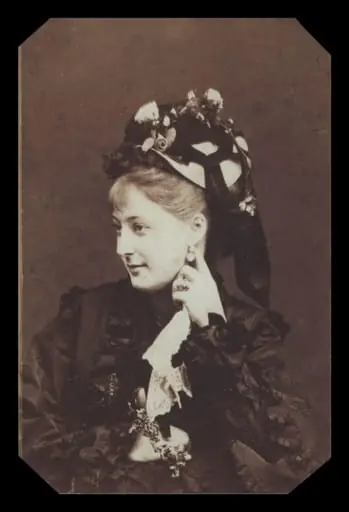
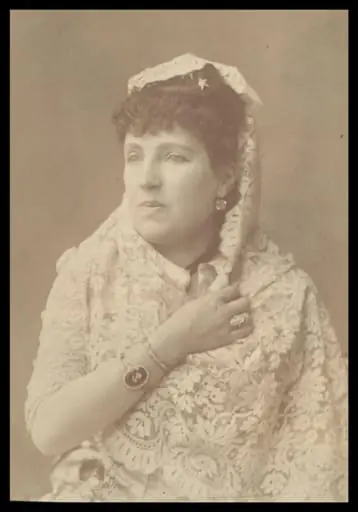
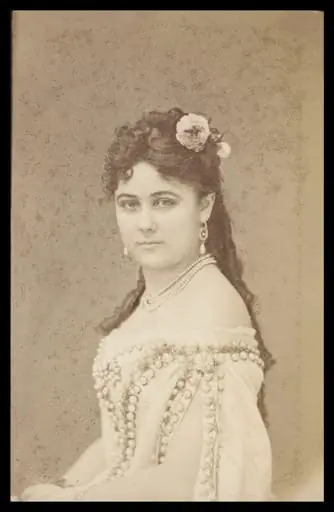
Artwork
Guy Little Theatrical Photograph
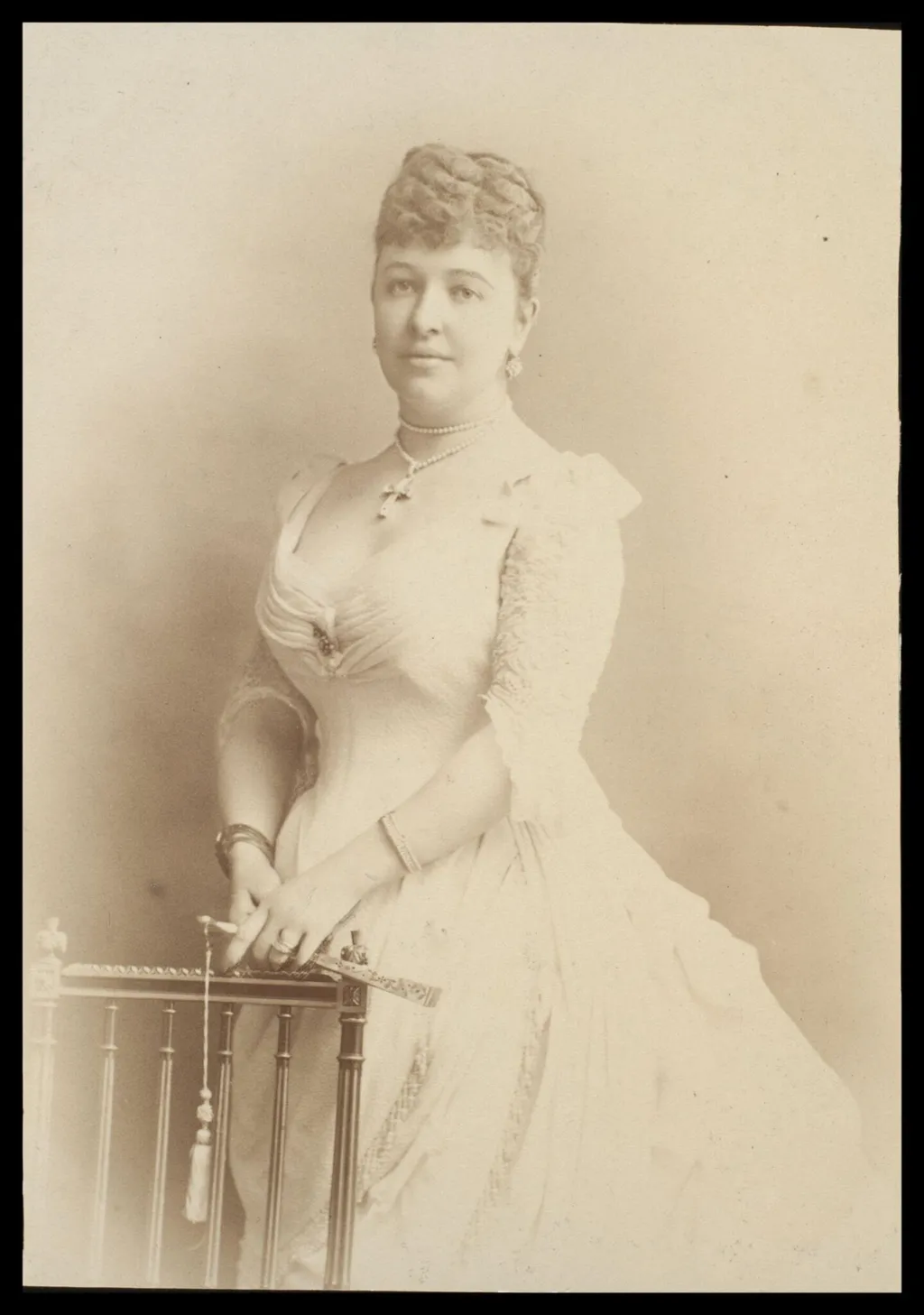
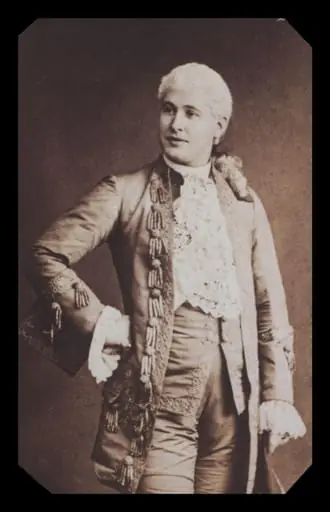
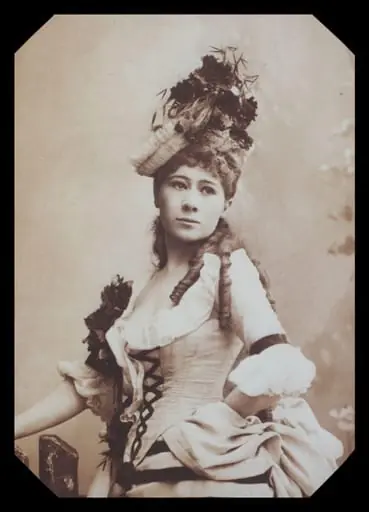
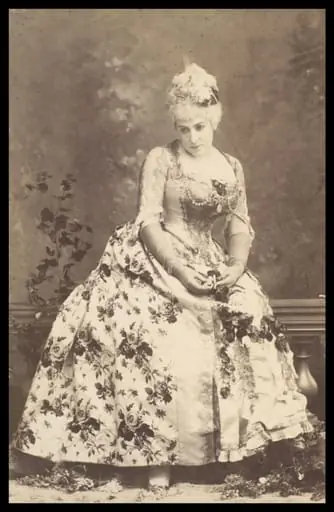
Guy Little Theatrical Photograph is a photographic photography by Walery. It dates from 1850 and is held in the collection of the Victoria and Albert Museum.
About this work
Overview
Taken by the studio of Walery, it belongs to a private collection assembled by Guy Tristram Little, a solicitor and avid collector of ephemera.
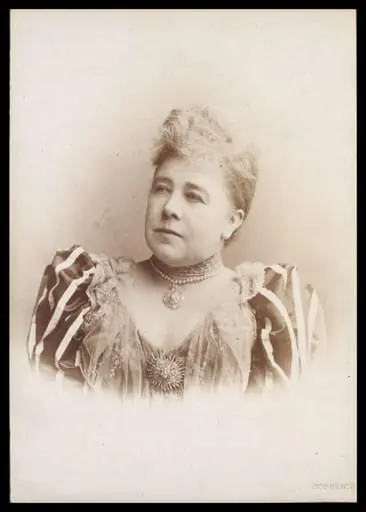
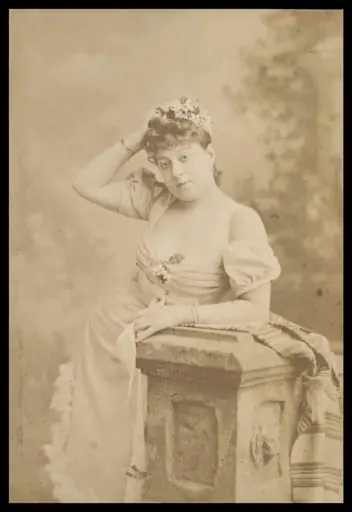
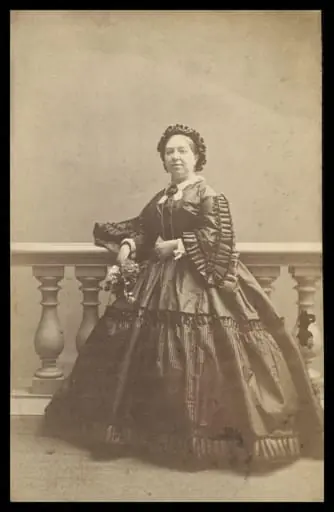
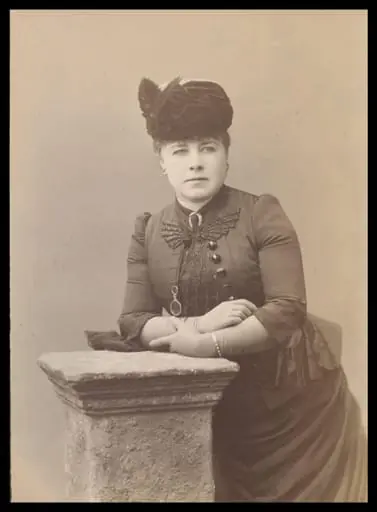
This photograph of Emma Albani was produced as a carte de visite, a small albumen print mounted on card, typical of mid-to-late 19th-century photographic practice. Taken by the studio of Walery, it belongs to a private collection assembled by Guy Tristram Little, a solicitor and avid collector of ephemera. After his death in 1953, the collection was bequeathed to the Victoria and Albert Museum, where it forms part of a broader archive of theatrical and popular visual culture.
Subject & Meaning
Emma Albani, a celebrated Canadian soprano of the Victorian era, was frequently photographed in costume to reinforce her public persona as a leading opera performer. This image captures her in theatrical attire, aligning with the custom of using portraiture to market performers to admirers. Such photographs served not only as mementos but also as cultural artifacts that linked audiences to the world of high art through accessible, mass-produced imagery.
Technique & Style
The photograph was made using the albumen printing process on glass negatives, a standard method before the rise of gelatin silver prints. The small format—roughly the size of a visiting card—was designed for easy handling and collection. Walery’s studio employed careful lighting and posed compositions to emphasize the subject’s elegance, typical of theatrical portraiture that balanced realism with idealized presentation.
History & Provenance
The image was once part of a personal album compiled by Guy Tristram Little, who removed the original card mounts and reorganized the photographs into thematic volumes. Little, a partner in a London law firm, was also the executor of Gabrielle Enthoven’s estate, whose extensive theatrical memorabilia became the foundation of the V&A’s Theatre Collections. His contribution preserved a significant slice of Victorian visual culture.
Context
Cartes de visite emerged in the 1860s as a cultural phenomenon, enabling the middle class to collect images of celebrities, royalty, and artists. Their affordability and portability made them social objects—exchanged, displayed, and archived in albums. By the 1880s, they were gradually replaced by larger cabinet cards and later postcards, reflecting shifts in both technology and public taste for personal imagery.
Legacy
Little’s collection, now held by the V&A, offers insight into how Victorian audiences engaged with performance and identity through photography. These small images, once common household items, now serve as historical records of celebrity culture, photographic practice, and the material habits of collectors. Their preservation underscores the value of ephemeral media in understanding 19th-century social life.
Artist & collection
Artist
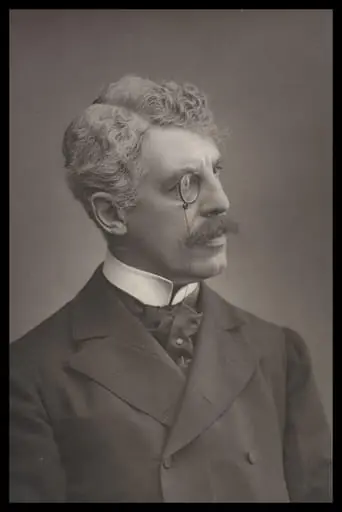
These black-and-white photographs preserve the gestures and costumes of 19th-century actors.