Artwork
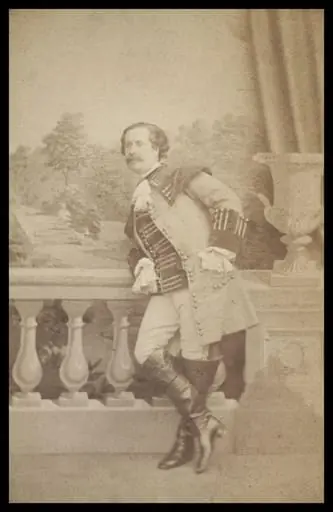
Guy Little Theatrical Photograph
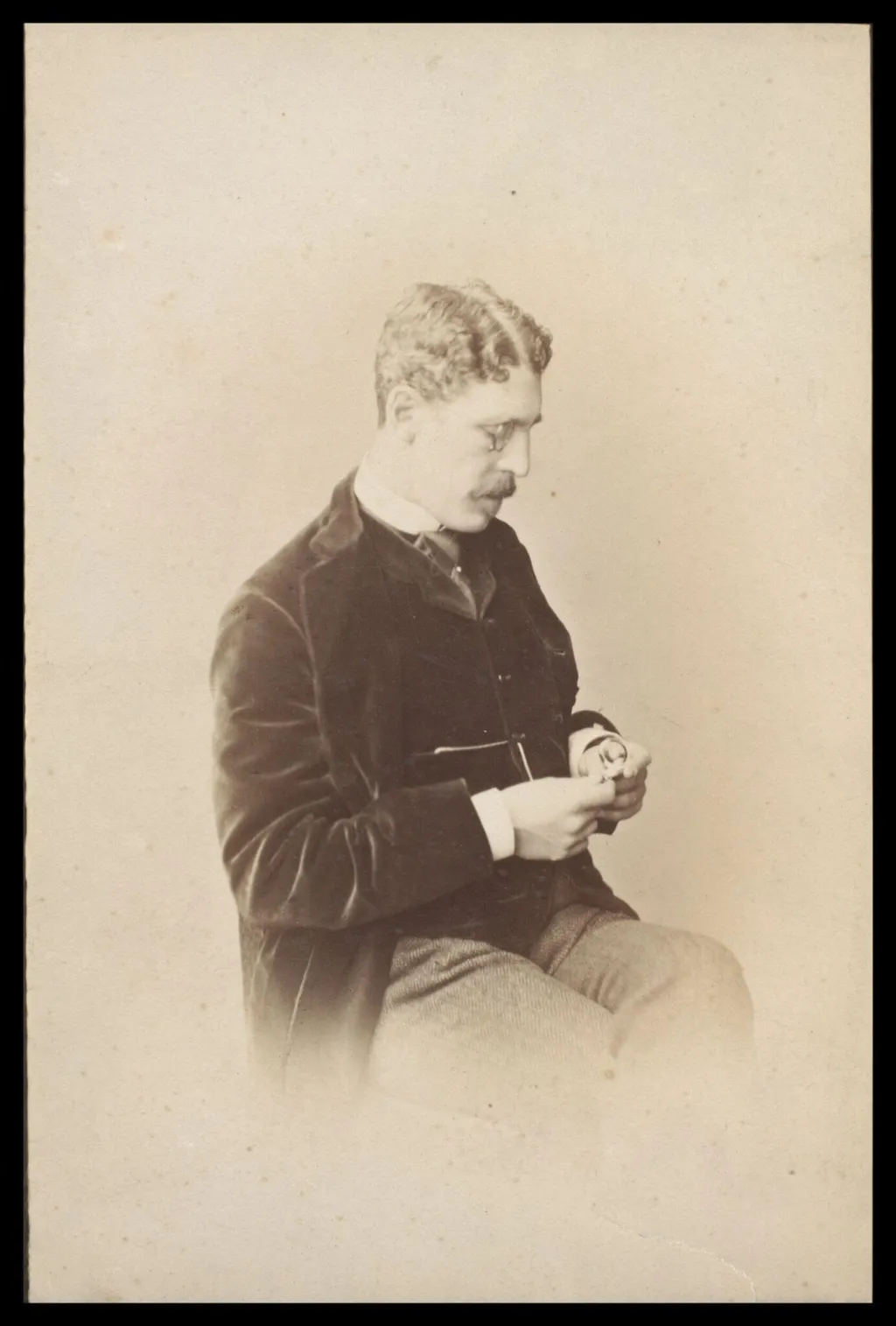
Guy Little Theatrical Photograph is a photographic photography by the Impressionist artist Window & Grove. It dates from 1861 and is held in the collection of the Victoria and Albert Museum.
About this work
Overview
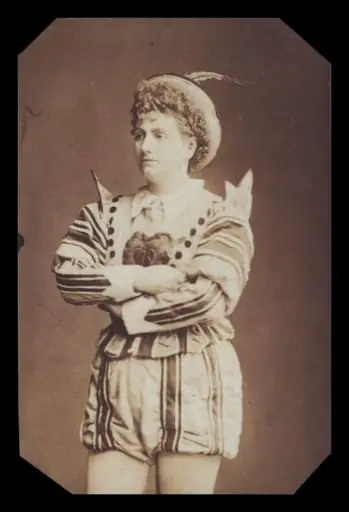
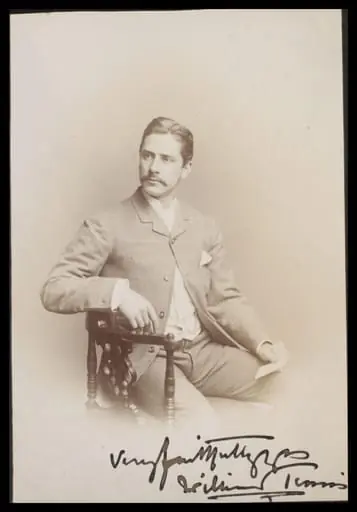
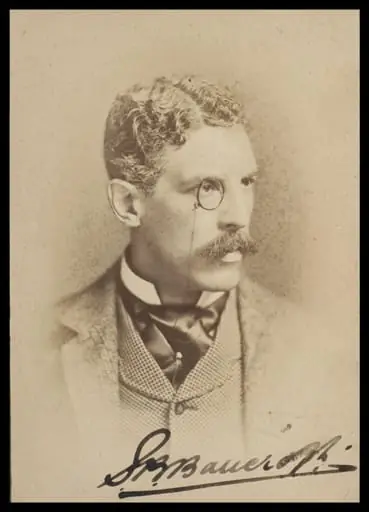
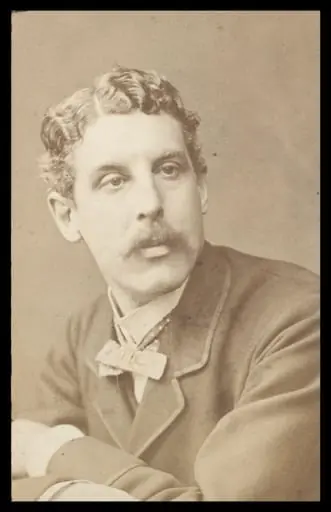
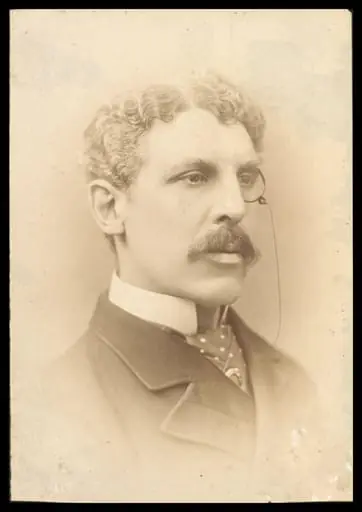
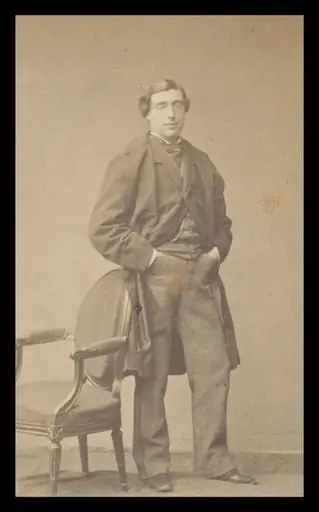
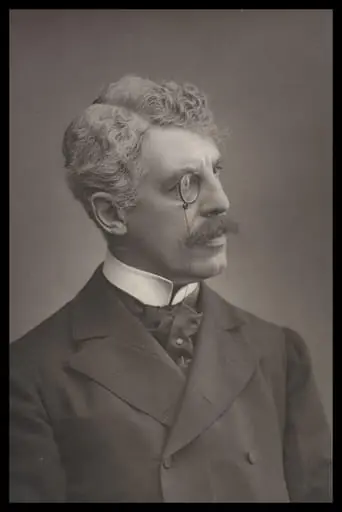
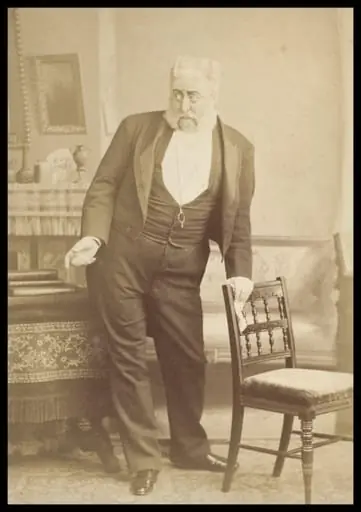
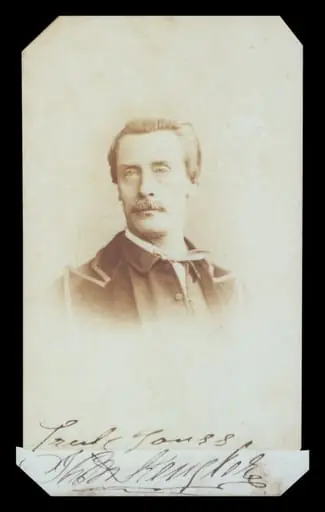
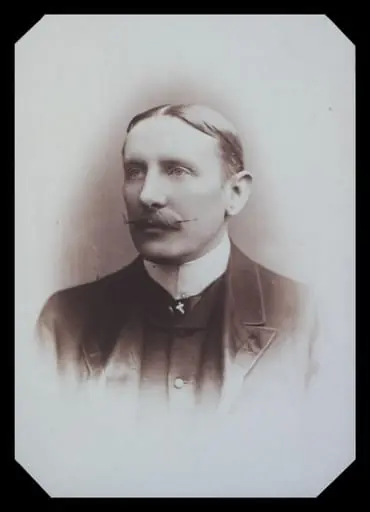
Taken by the studio Window & Grove, it depicts the actor Squire Bancroft in a formal pose, typical of mid-to-late 19th-century theatrical portraiture.
This photograph is one of many small albumen prints collected by Guy Tristram Little, a solicitor and avid archivist of popular visual culture. Taken by the studio Window & Grove, it depicts the actor Squire Bancroft in a formal pose, typical of mid-to-late 19th-century theatrical portraiture. The image was originally produced as a carte de visite, a format widely circulated among Victorian audiences as affordable collectibles.
Subject & Meaning
Squire Bancroft, a leading actor of the Victorian stage, is portrayed with composed directness, facing the camera without theatrical gesture. The image captures him in everyday attire rather than costume, reflecting a shift toward personal celebrity over character representation. Such portraits served as tangible connections between performers and their public, reinforcing the growing cultural presence of actors as recognizable figures beyond the stage.
Technique & Style
The photograph is an albumen print on card, made from a glass negative using the standard process of the era. Its small scale—typical of cartes de visite—allowed for mass production and easy handling. The lighting is even, the background plain, and the focus entirely on the sitter’s face and upper body, emphasizing clarity and likeness over artistic flourish, consistent with commercial portraiture of the time.
History & Provenance
The photograph was once part of a personal album assembled by Guy Little, who meticulously removed such prints from their original mounts and reorganized them. Little, a partner in a London law firm, inherited and preserved the theatrical collection of Gabrielle Enthoven, whose donations became foundational to the V&A’s Theatre Collections. His efforts ensured the survival of thousands of these ephemeral images.
Context
Cartes de visite emerged in the 1860s as a cultural phenomenon, blending photography with the Victorian habit of collecting. They were exchanged like social tokens, displayed in albums, and used to commemorate public figures. By the 1880s, larger cabinet cards replaced them, and by the 1890s, postcards and newer photographic formats diminished their popularity, making these small prints relics of a specific moment in visual and social history.
Legacy
Little’s collection, now held by the V&A, preserves a vast archive of theatrical portraiture that would otherwise have been lost. These images document not only individual performers but also the mechanics of fame, consumer culture, and the democratization of image-making in the 19th century. They remain vital resources for understanding how theatre intersected with emerging mass media.
Artist & collection
Artist
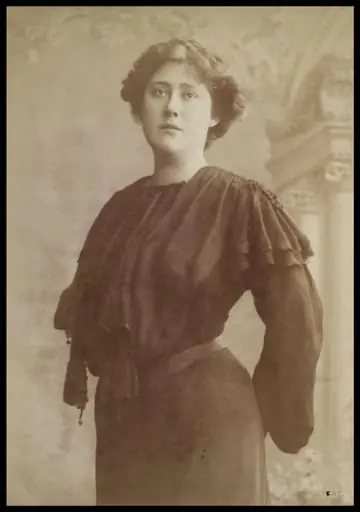
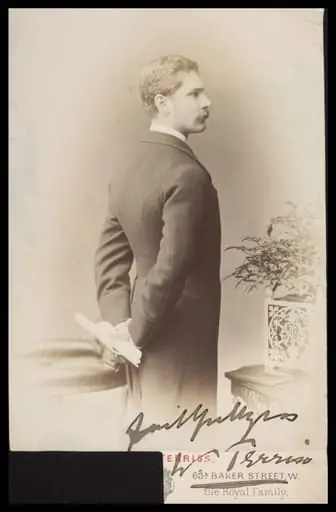
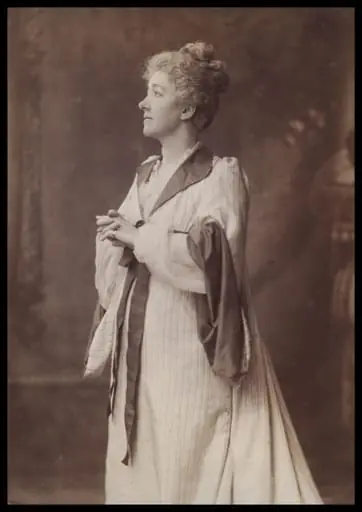
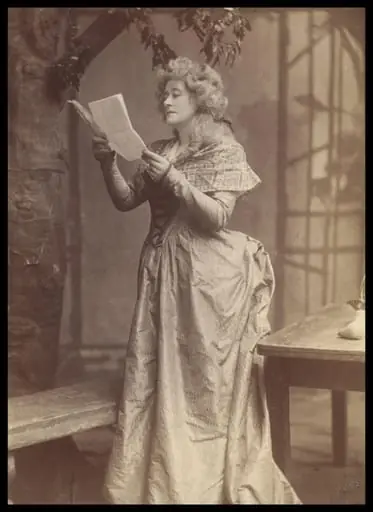
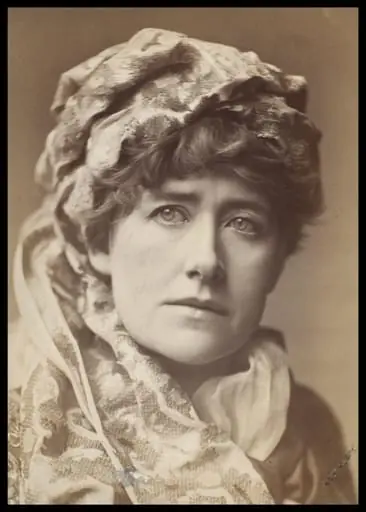
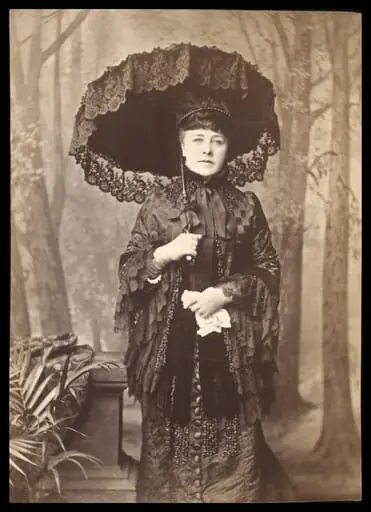
These photos freeze moments from late-19th-century and early-20th-century theater.