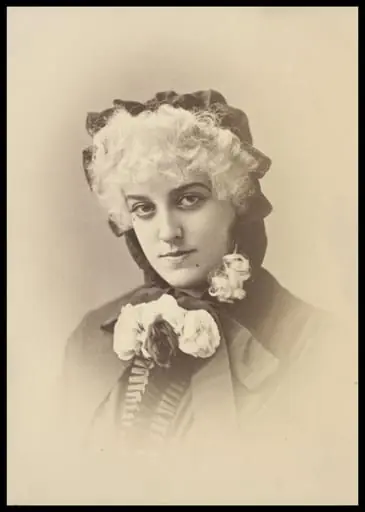
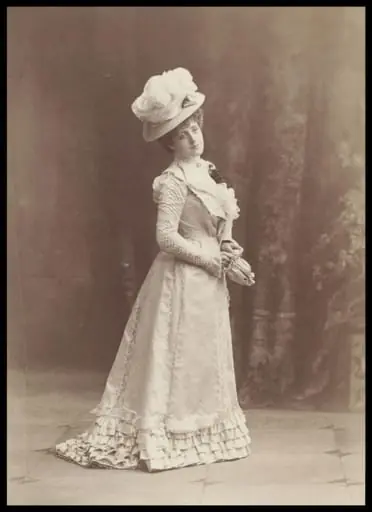
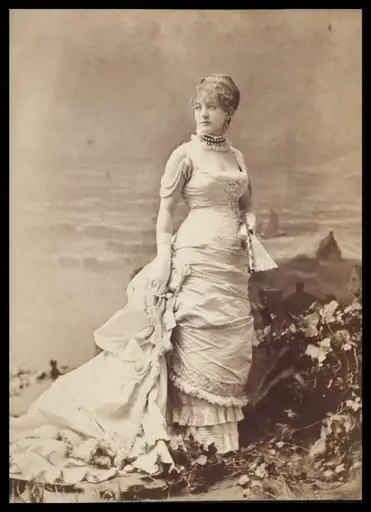
Artwork
Guy Little Theatrical Photograph
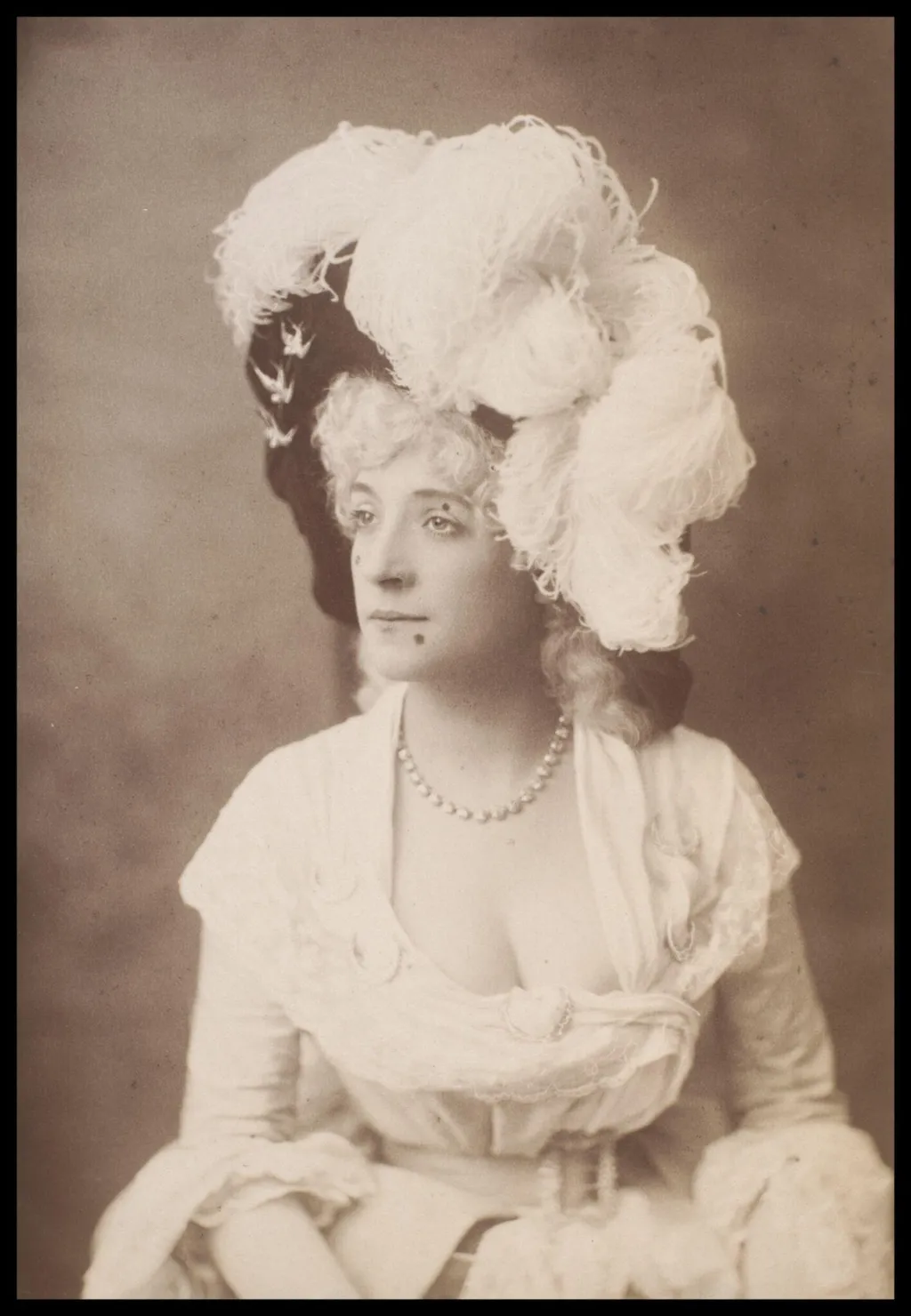
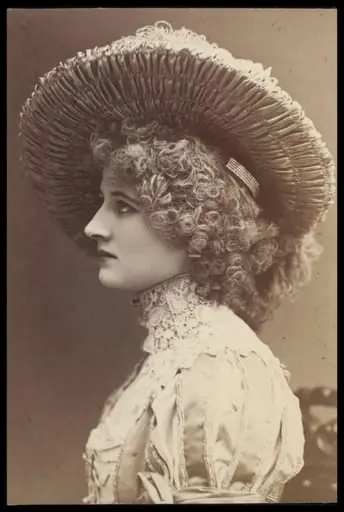
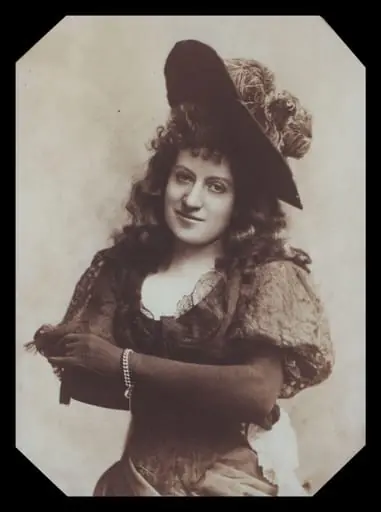
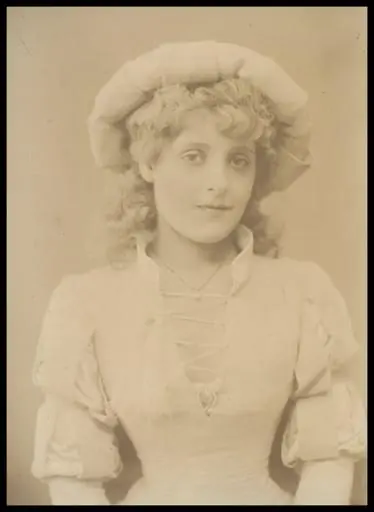
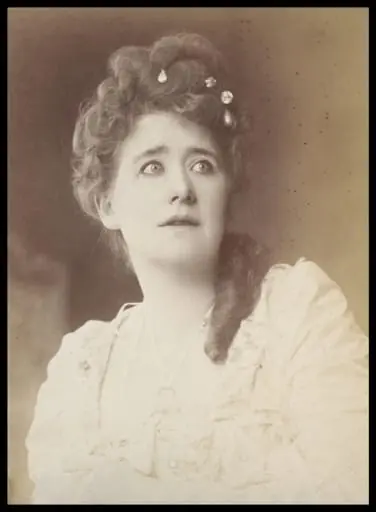
Guy Little Theatrical Photograph is a photographic photography by the Impressionist artist Samuel Alex Walker. It dates from 1886 and is held in the collection of the Victoria and Albert Museum.
About this work
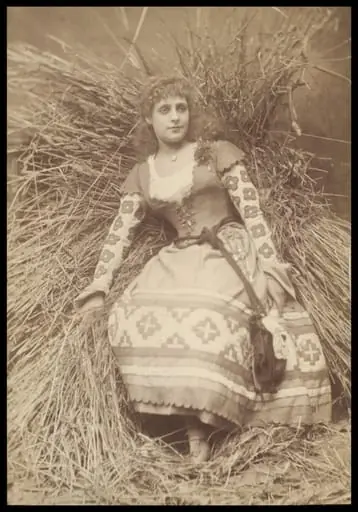
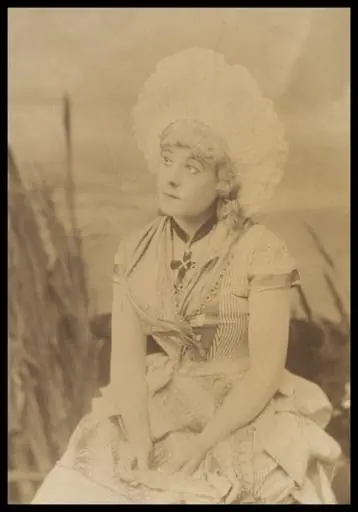
In 1886, Samuel Alex Walker made a photograph of Miss Wadman dressed for a stage role.
In 1886, Samuel Alex Walker made a photograph of Miss Wadman dressed for a stage role. It’s called *Guy Little Theatrical Photograph*. The work mixes Impressionism and Realism in one shot.
Walker used a glass negative to print this on stiff card. That was standard for studio photos back then. The image captures Miss Wadman as Indiana from the play *Indiana at the Avenue*.
Look up the Victoria and Albert Museum to see it.
Overview
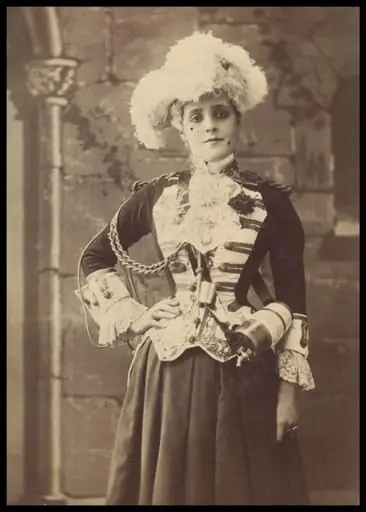
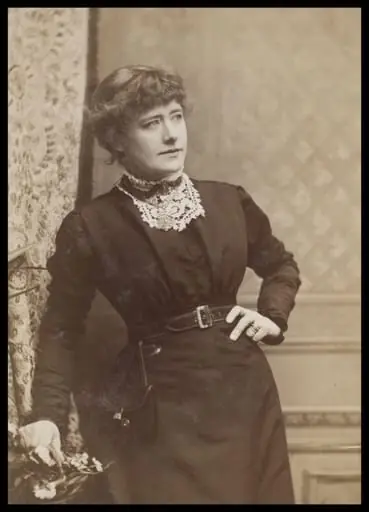
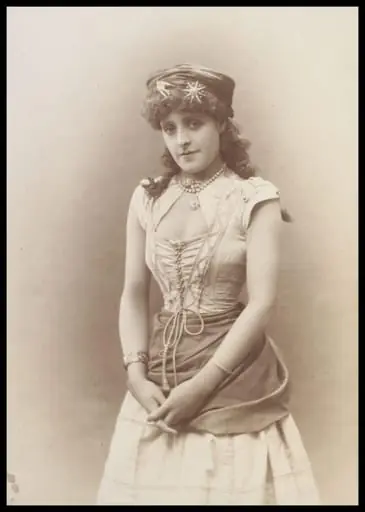
This photograph, taken in 1886 by Samuel Alex Walker, depicts actress Miss Wadman in costume as the character Indiana from the play Indiana at the Avenue. Produced as a cabinet card, it features an albumen print on stiff card stock, a common format for theatrical portraits in the late 19th century. The image was later collected and mounted by Guy Tristram Little, whose personal archive of theatrical photographs was bequeathed to the V&A, forming part of its foundational theatre holdings.
Subject & Meaning
The portrait captures Miss Wadman in character as Indiana, a role tied to a popular stage production of the era. Such images served both as promotional tools and personal mementos, allowing audiences to connect with performers beyond the live performance. The costume and pose reflect the dramatic tone of the play, reinforcing the character’s emotional presence while aligning with contemporary ideals of theatrical representation.
Technique & Style
The photograph was made using a glass negative and printed in albumen, the standard process for studio portraits at the time. The image is mounted on a cabinet card, larger than earlier cartes de visite, offering greater detail and durability. The composition is formal, with careful lighting and minimal background, focusing attention on the actress’s expression and costume, reflecting the conventions of theatrical photography rather than artistic experimentation.
History & Provenance
The photograph was collected by Guy Tristram Little, a solicitor and avid collector of theatrical memorabilia. He removed the images from their original card mounts and assembled them into albums. After his death in 1953, the collection was donated to the V&A. Little was also the executor of Gabrielle Enthoven’s estate, whose extensive theatrical archive became the core of the museum’s theatre collections.
Context
In the 1880s, cabinet cards replaced cartes de visite as the preferred format for theatrical portraits, reflecting growing public interest in celebrity culture. Photographs like this one were widely circulated, enabling fans to collect images of favorite performers. The practice was supported by professional studios and aligned with broader Victorian trends in visual documentation and personal archiving.
Legacy
The photograph remains part of the V&A’s Theatre and Performance collection, preserving a tangible link to late 19th-century stage culture. Its survival within Little’s curated archive highlights the role of private collectors in safeguarding ephemeral theatrical history. Today, it serves as a primary source for understanding performance, costume, and the visual culture of Victorian theatre.
Artist & collection
Artist
Samuel Walker spent his days tucked in the back rows of London theaters, not on stage but with a camera.