Artwork
Untitled
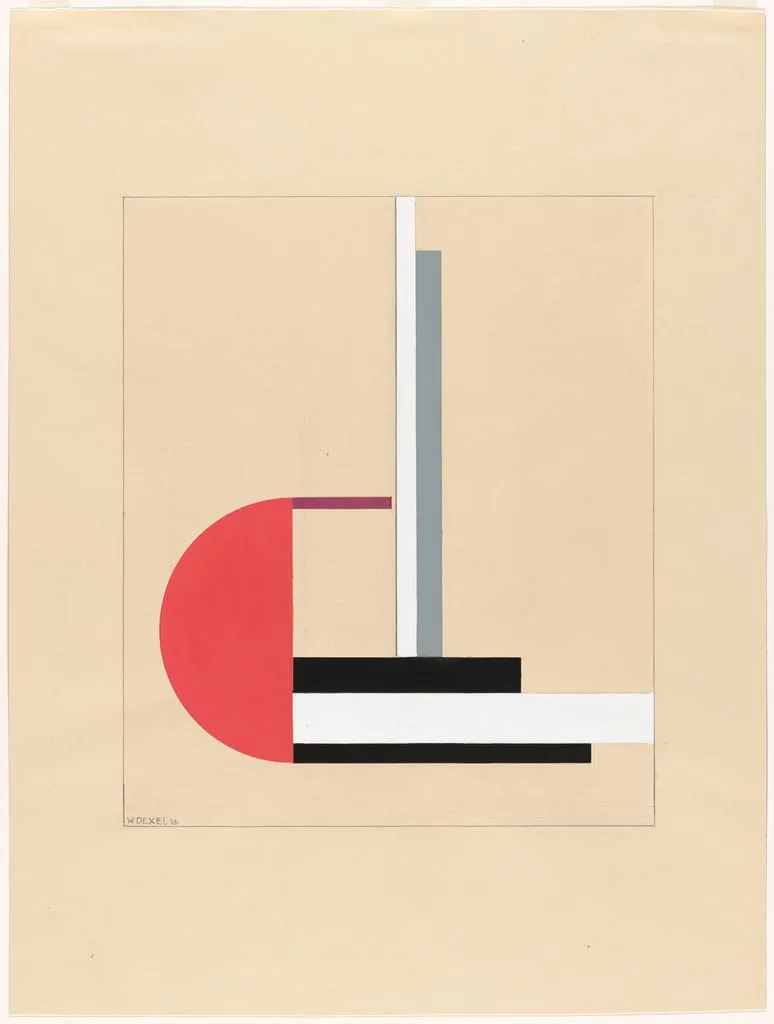
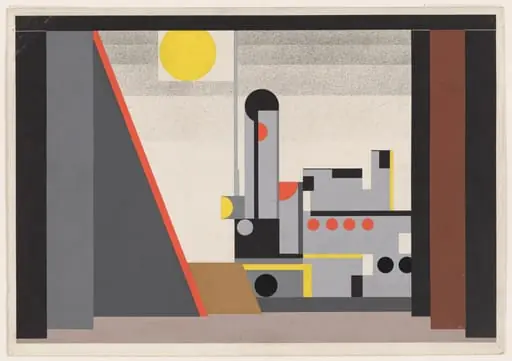
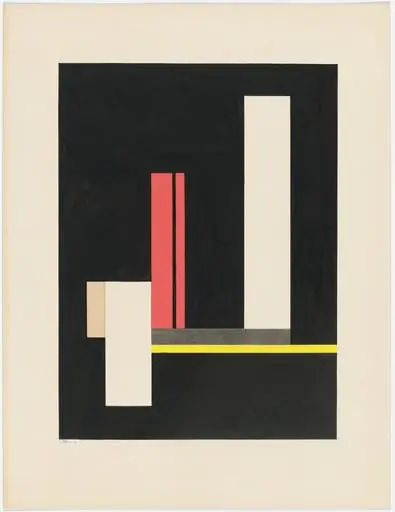
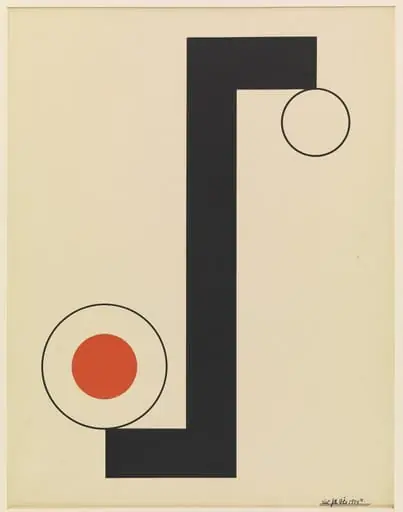
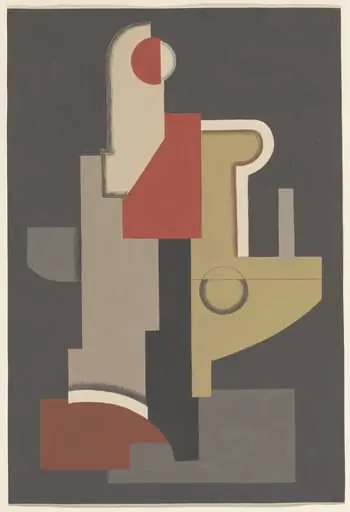
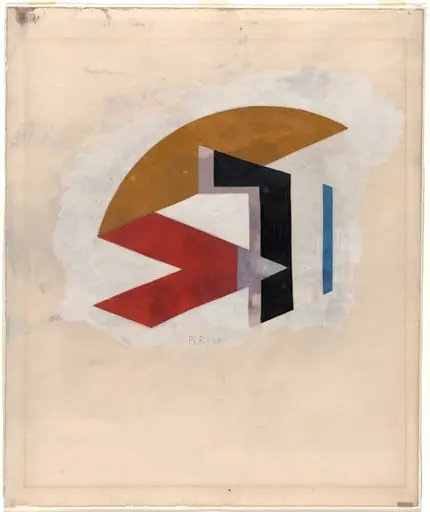
Untitled is a gouache drawing by Walter Dexel. It dates from 1926 and is held in the collection of the Museum of Modern Art.
About this work
Overview
Dexel, active in multiple disciplines including design and museum leadership, approached art with a structured, analytical mindset.
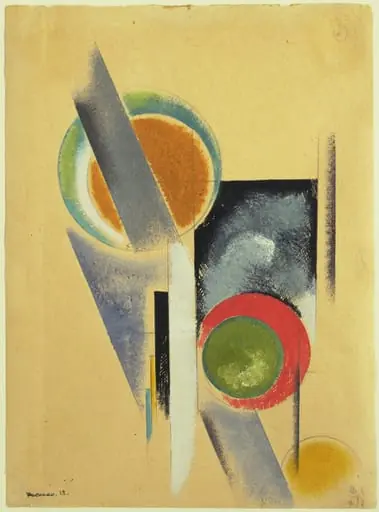
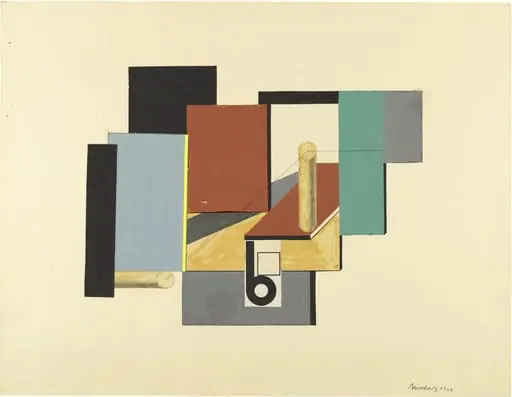
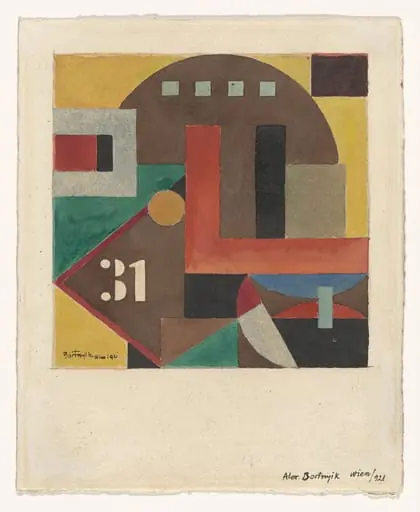
Walter Dexel created this drawing in 1926 using gouache and pencil on paper. It is part of The Museum of Modern Art’s collection and reflects his interest in geometric abstraction during the mid-1920s. Dexel, active in multiple disciplines including design and museum leadership, approached art with a structured, analytical mindset. This work exemplifies his move away from representation toward formal composition.
Subject & Meaning
The composition consists of non-representational forms: a red half-circle, a vertical gray rectangle, two stacked black bars, and a thin pink line linking them. These elements do not depict recognizable objects but instead explore spatial relationships and visual balance. The work invites attention to arrangement, color contrast, and line rather than narrative or symbolism.
Technique & Style
Dexel employed flat, unmodulated gouache to create sharp, clean edges between colors. Pencil lines define boundaries precisely, reinforcing the work’s architectural quality. The light tan background grounds the forms without competing, allowing the primary colors to assert their presence. The overall effect is one of deliberate order, characteristic of early modernist abstraction.
History & Provenance
Executed in 1926, the drawing emerged during Dexel’s period of active engagement with avant-garde visual language in Germany. It entered The Museum of Modern Art’s collection through its early focus on European modernism. While little is documented about its immediate reception, its inclusion in MoMA’s holdings signals its recognition within the broader context of interwar abstraction.
Context
Created during the Weimar Republic, the work aligns with contemporaneous movements like Bauhaus and De Stijl, which emphasized geometry and functional aesthetics. Dexel’s background in graphic design and transportation planning informed his interest in clarity and structure. This piece reflects a broader cultural shift toward abstraction as a means of redefining visual experience in a rapidly modernizing society.
Legacy
Though not widely exhibited, this drawing contributes to understanding Dexel’s role in German modernism beyond his institutional work. It stands as a quiet example of how artists of the era used minimal means to investigate form and color. Its presence in MoMA’s collection ensures its continued reference within studies of early 20th-century non-objective art.
Artist & collection
Artist
Walter Dexel (born 7 February 1890 in Munich, died 8 June 1973 in Braunschweig) was a German painter, commercial graphic designer, and transportation planner.