Artwork
Apple Gathering, Quimperlé
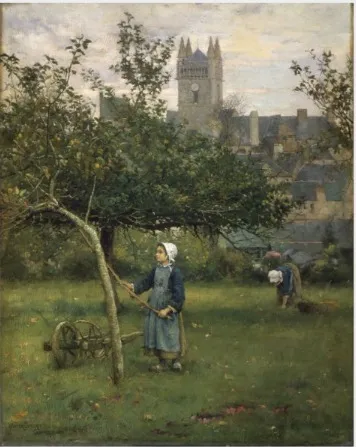
Apple Gathering, Quimperlé is an oil painting by the Impressionist artist Walter Osborne. It dates from 1892 and is held in the collection of the National Gallery of Ireland.
About this work
Overview
Osborne, an Irish artist influenced by French naturalism and Impressionist light, favored unidealized portrayals of ordinary people.
Walter Osborne painted *Apple Gathering, Quimperlé* in 1892 using oil on canvas. The work belongs to a series of rural scenes he produced during travels in Brittany, capturing quiet moments of daily labor. Osborne, an Irish artist influenced by French naturalism and Impressionist light, favored unidealized portrayals of ordinary people. This painting is held in the National Gallery of Ireland’s permanent collection.
Subject & Meaning
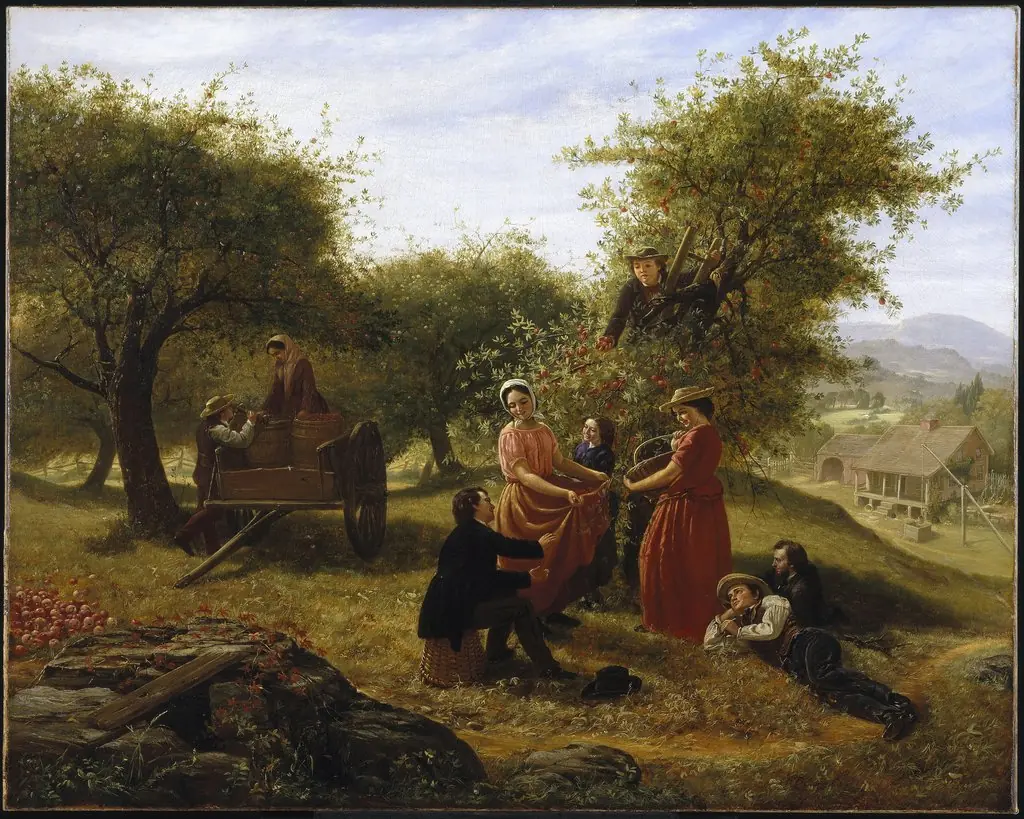
The painting shows a woman in a blue dress and white headscarf collecting apples beneath a fruit-laden tree. Her focused posture suggests deliberate, unhurried work rather than leisure. The setting—a quiet orchard near a distant stone building—implies a modest, self-sustaining rural existence. No narrative drama is present; the meaning lies in the dignity of routine labor and the calm rhythm of seasonal tasks.
Technique & Style
Osborne employed loose, textured brushwork to render foliage and fabric, capturing subtle shifts in light across the field. The palette favors muted greens, soft blues, and earthy tones, with the woman’s dress providing a quiet focal point. Atmospheric perspective softens the background buildings and sky, while the composition avoids sharp lines, favoring a gentle, immersive realism rooted in direct observation.
History & Provenance
Osborne painted this work during a stay in Quimperlé, Brittany, in 1892, part of a broader period of travel that deepened his engagement with peasant life. The painting remained in his possession until his death in 1903. It entered the National Gallery of Ireland’s collection in 1910 through a bequest, where it has remained ever since as a representative example of his later work.
Context
In the late 19th century, Irish artists increasingly looked beyond urban centers to rural life for subject matter. Osborne’s focus on Breton laborers aligned with broader European trends in naturalist painting, echoing the work of Jules Bastien-Lepage. Unlike romanticized depictions of the countryside, his scenes avoided sentimentality, presenting work as integral to the land’s quiet rhythm.
Legacy
Though less known internationally than his Irish contemporaries, Osborne’s quiet, observant style contributed to a more authentic representation of working-class life in Irish art. *Apple Gathering, Quimperlé* exemplifies his commitment to understated realism and remains a touchstone for studies of late 19th-century rural portraiture in the British Isles.
Artist & collection
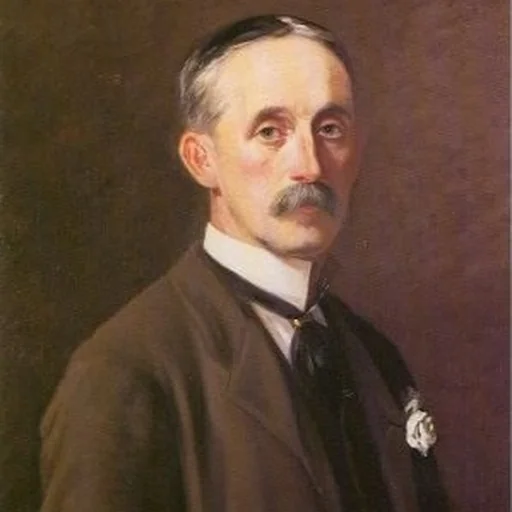
Artist
Walter Frederick Osborne (17 June 1859 – 24 April 1903) was an Irish impressionist and Post-Impressionism landscape and portrait painter, best known for his documentary depictions of late 19th century working class life.

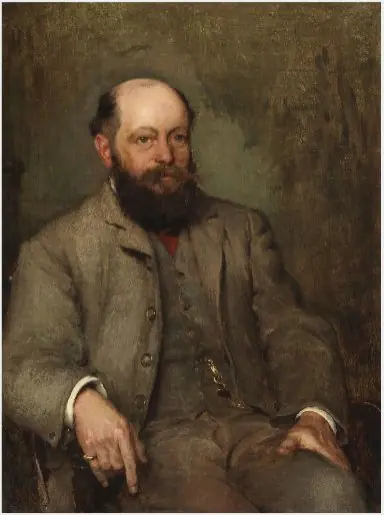 Portrait of Sir Thomas Drew (1838-1910), Architect
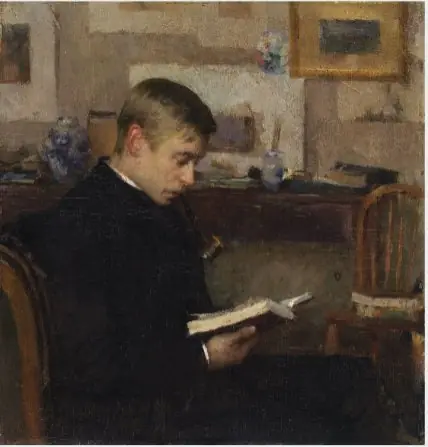 Portrait of Stephen Gwynn (1864-1950), Author
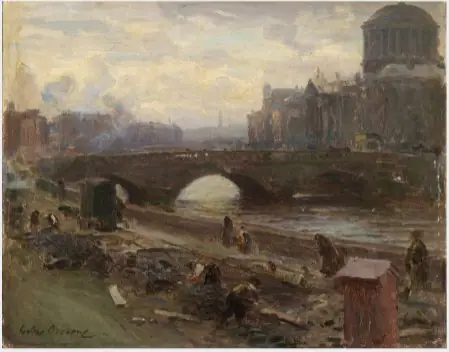 The Four Courts, Dublin
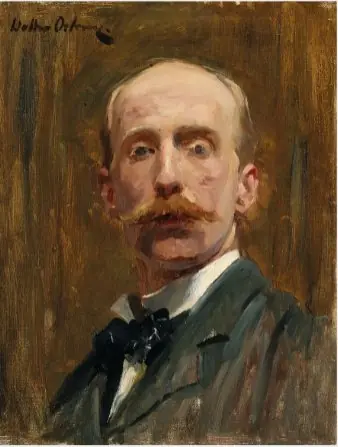 Self-Portrait
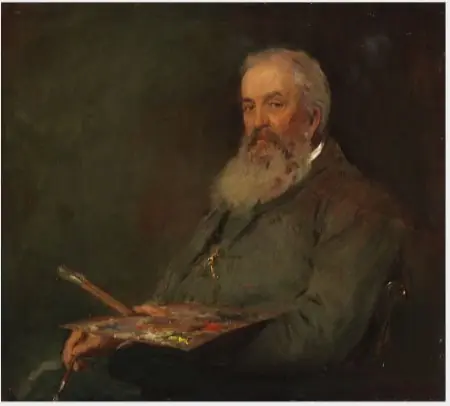 Portrait of Nathaniel Hone (1831-1917), Artist
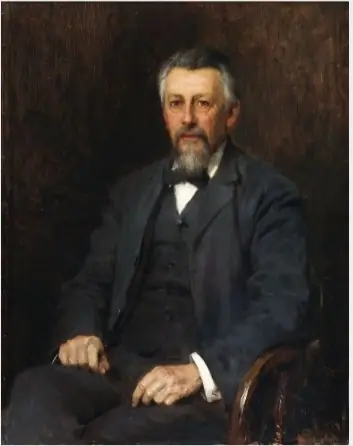 Portrait of Edward Dowden (1843-1913), Poet and Scholar
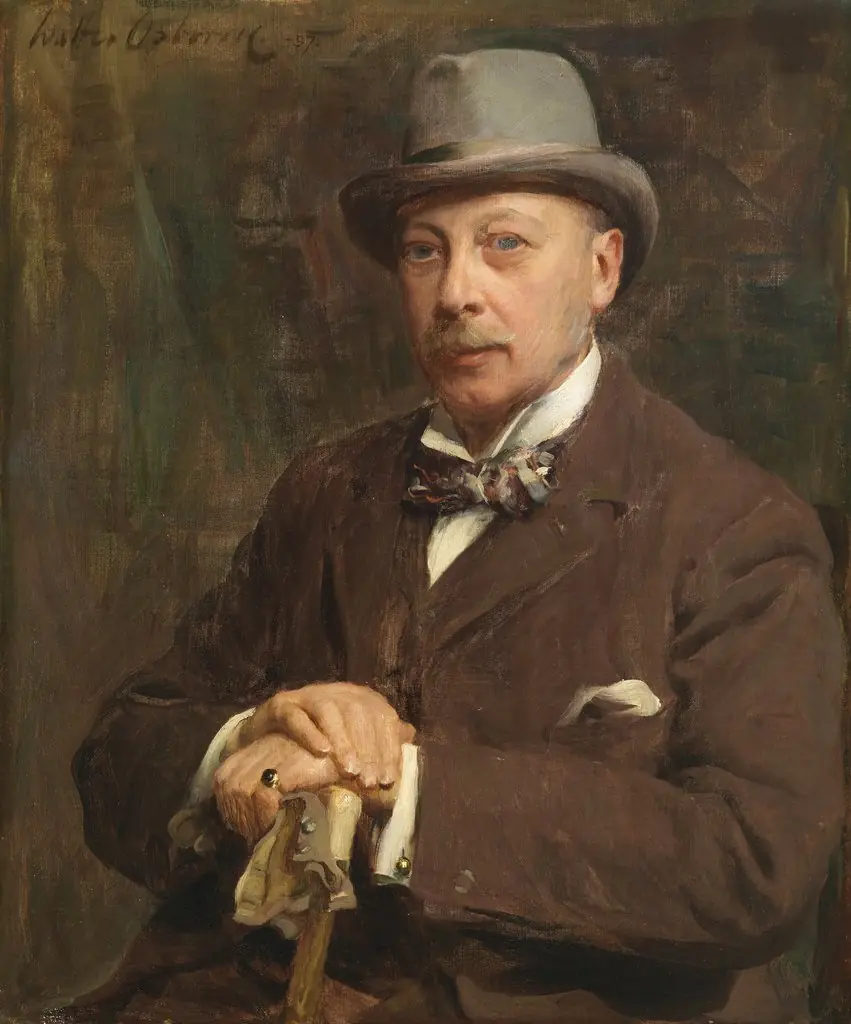 Portrait of a Gentleman
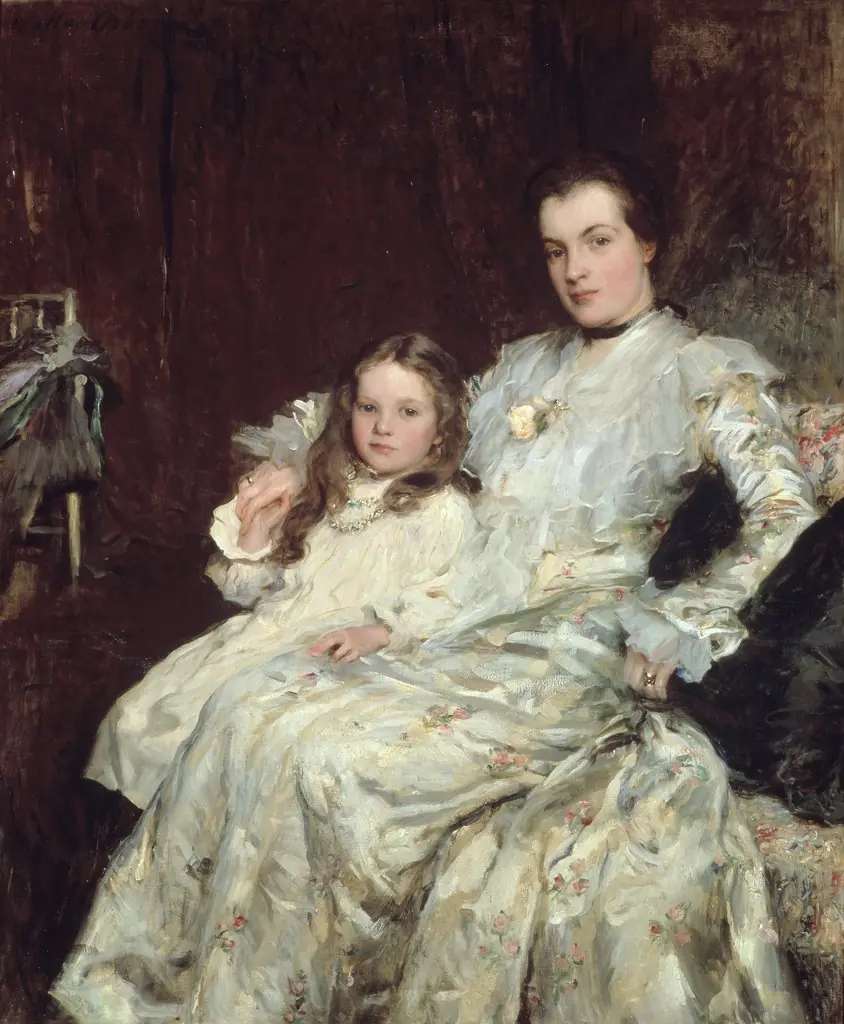 Portrait of Mrs Chadwyck-Healey and her Daughter
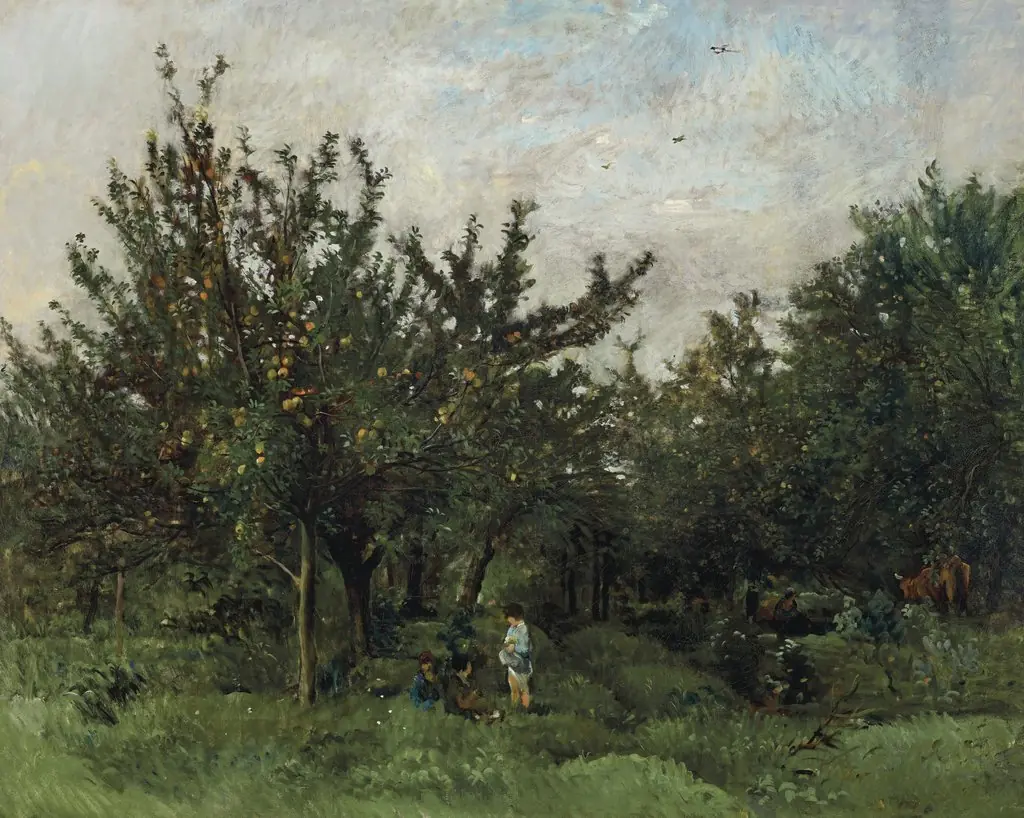 An Apple Orchard
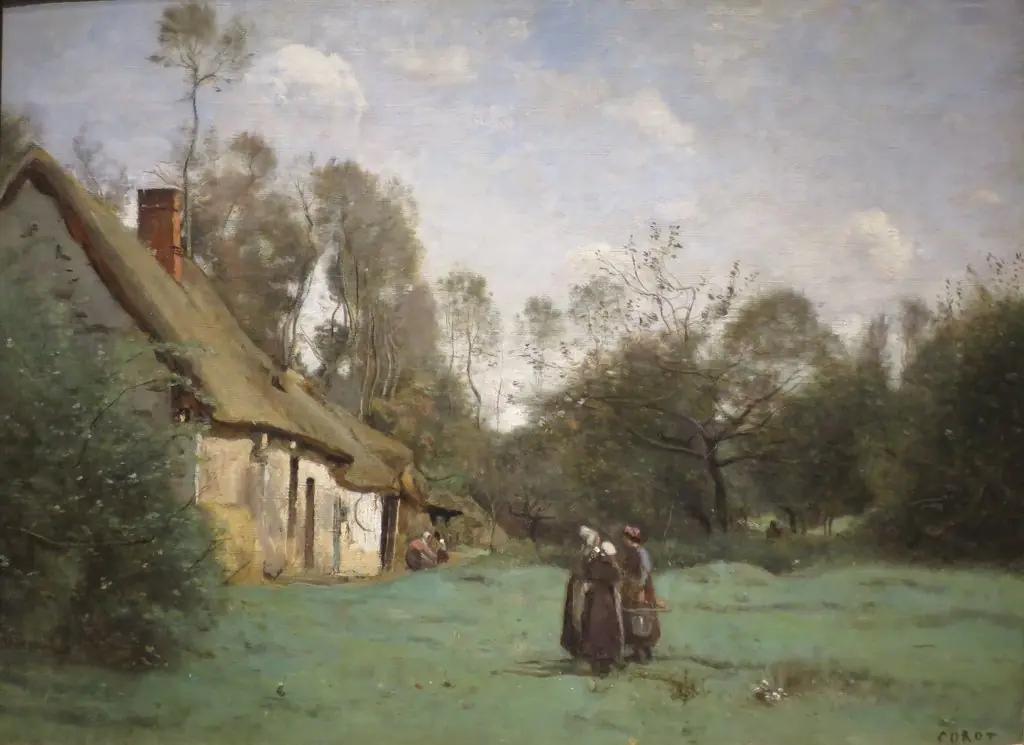 Thatched Cottage in Normandy
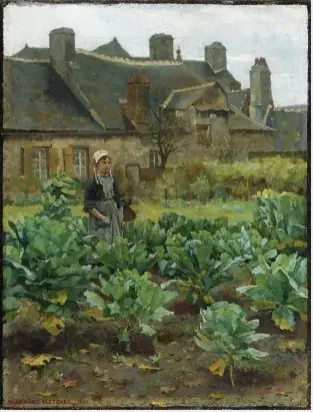 The Kitchen Garden in November
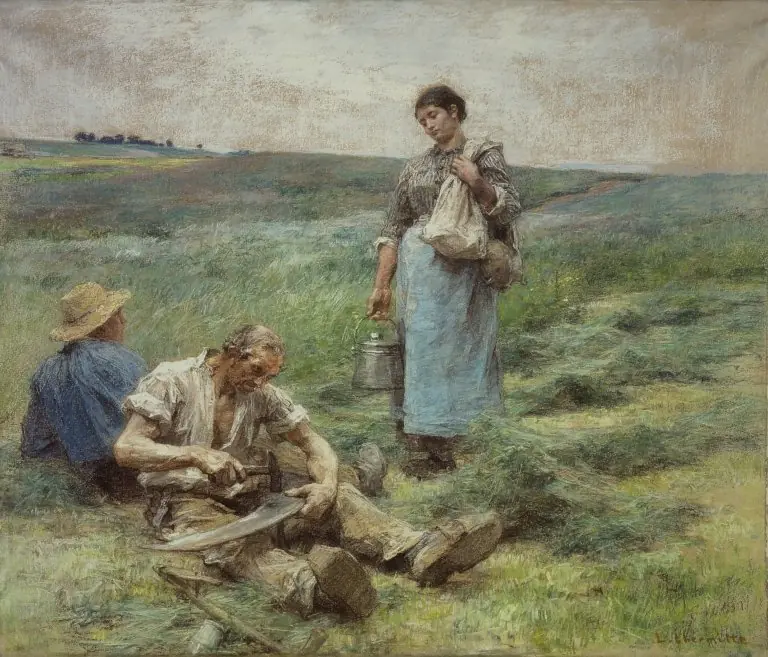 1=''Old Harvester's Meal
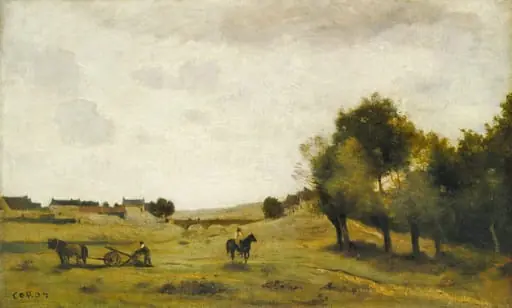 View near Epernon
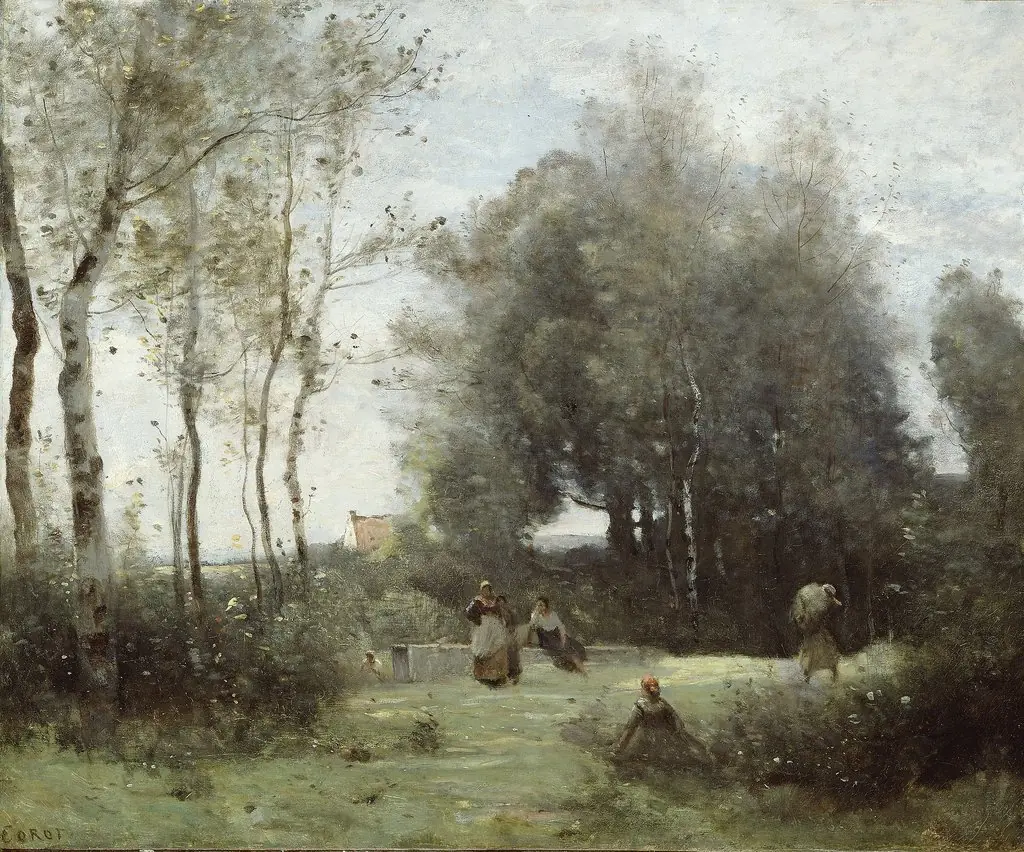 Arleux-Palluel, The Bridge of Trysts
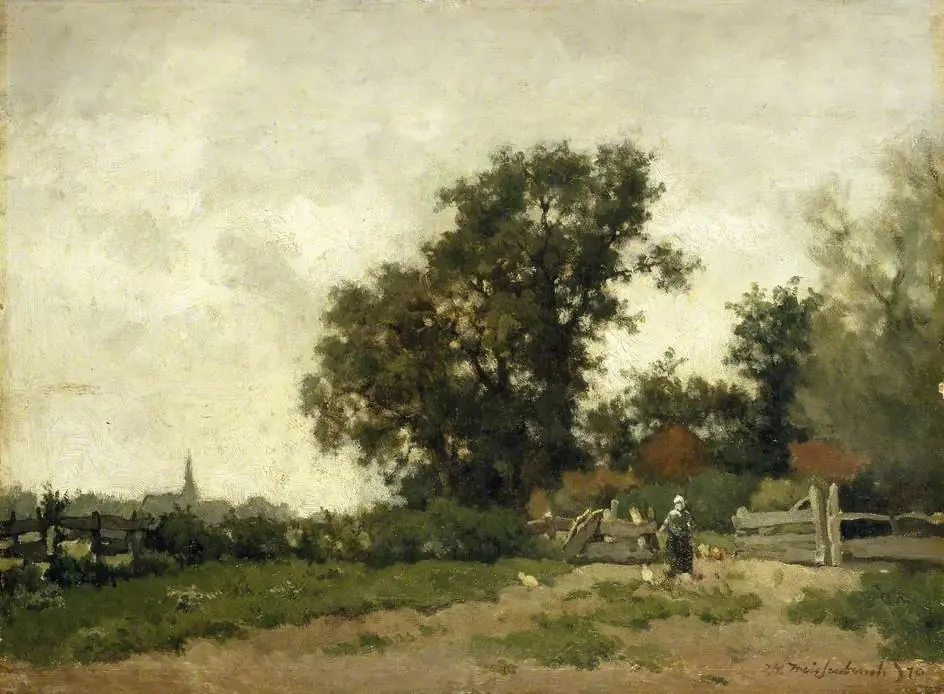 Landscape with a Peasant Girl feeding Chickens
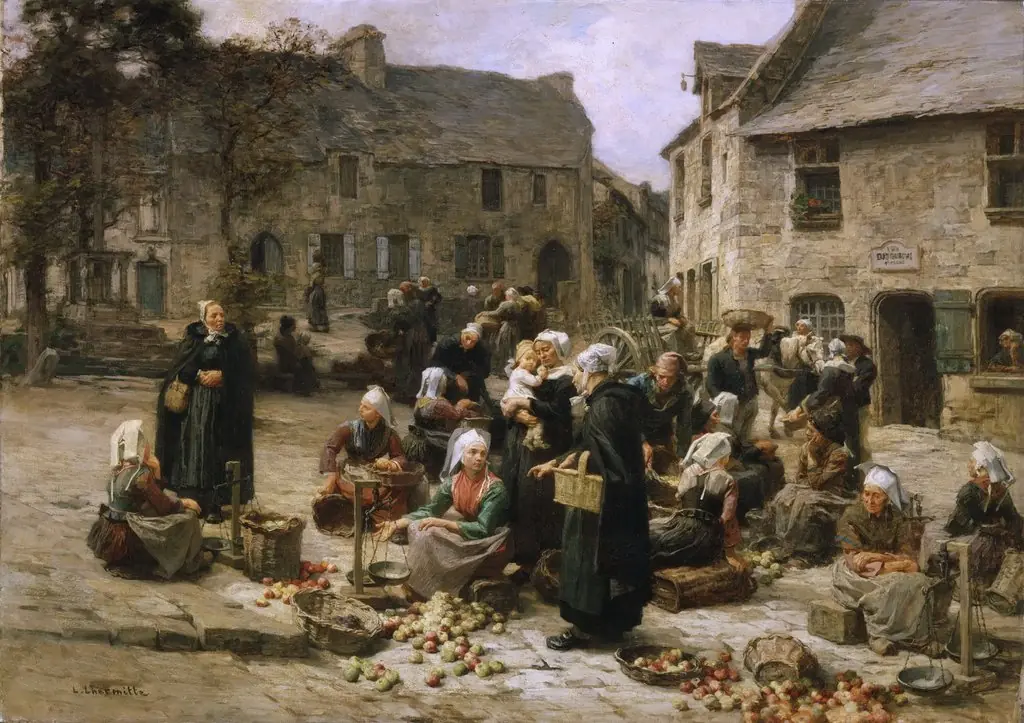 Apple Market, Landerneau, Brittany
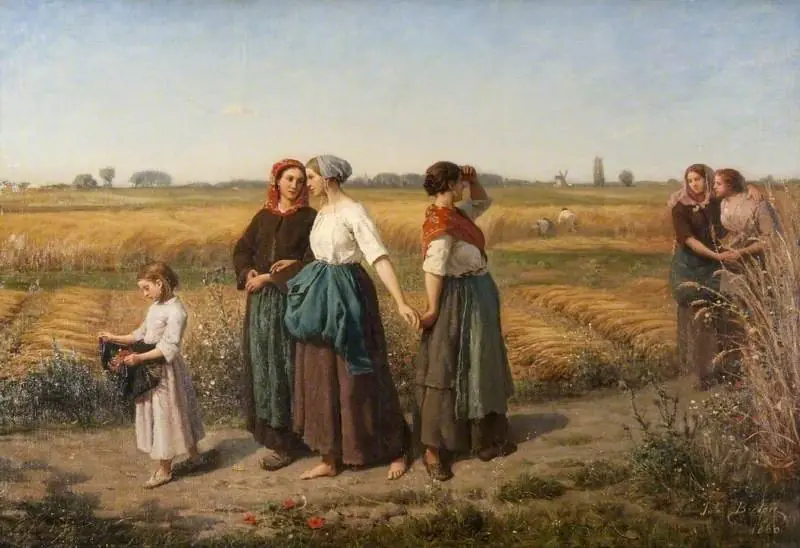 The Reapers
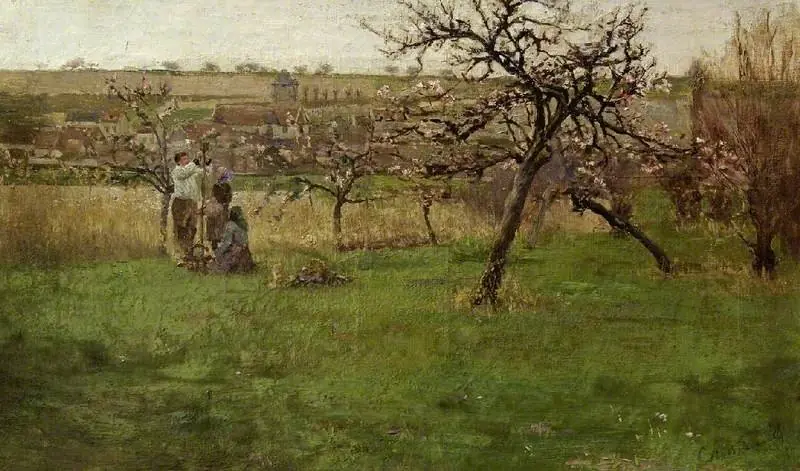 Les pommiers en fleur
 Arleux-Palluel, The Bridge of Trysts
 Apple Gathering