Artwork
The Reapers
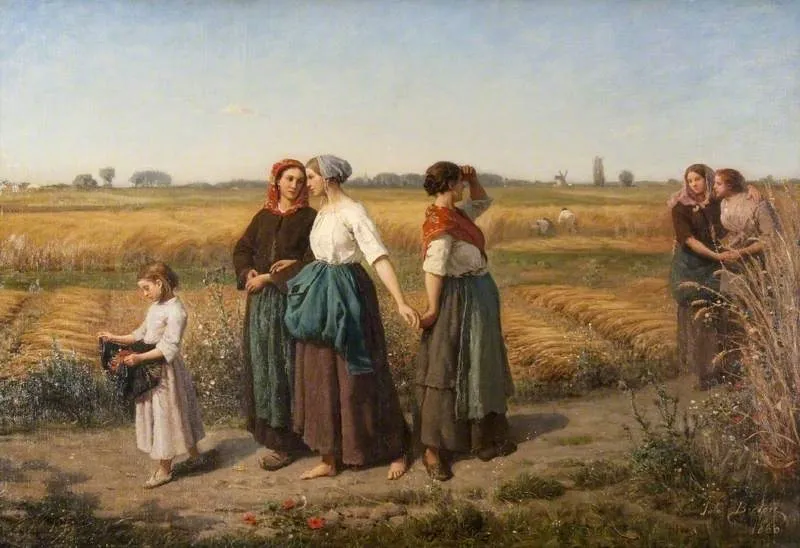
The Reapers is an oil painting by the Realist artist Jules Breton. It dates from 1860 and is held in the collection of the Kelvingrove Art Gallery and Museum.
About this work
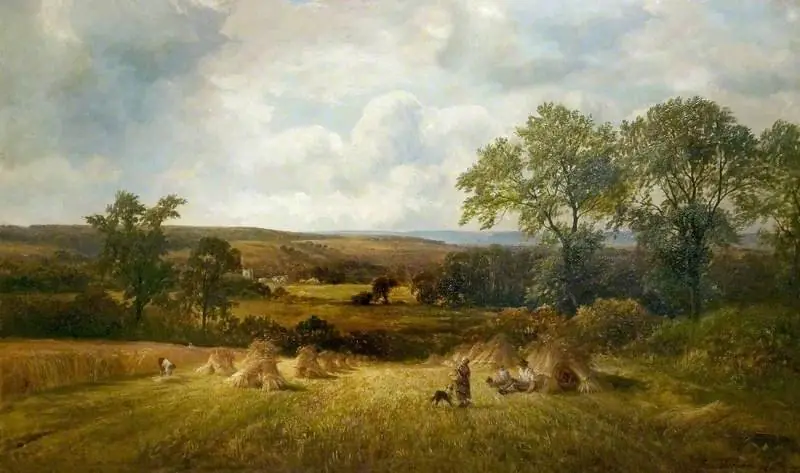
The background is a field of golden wheat, with a few trees and buildings in the distance.
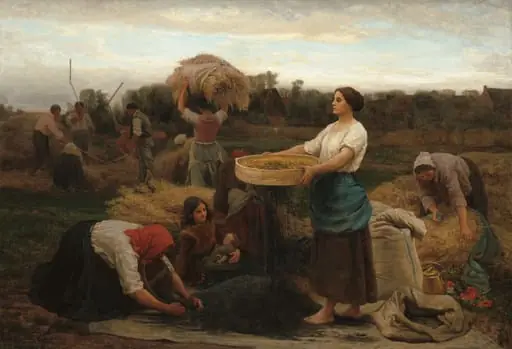
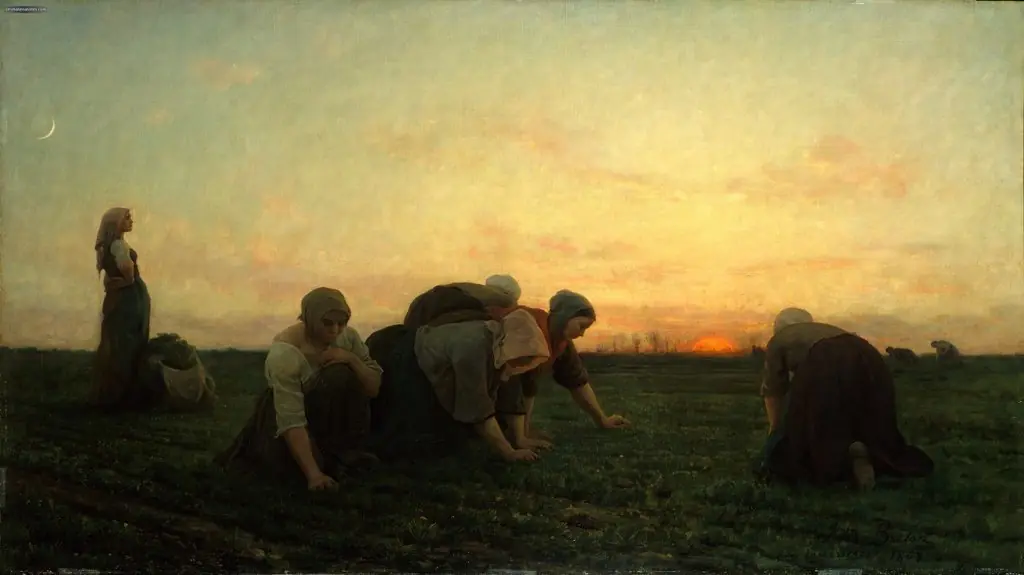
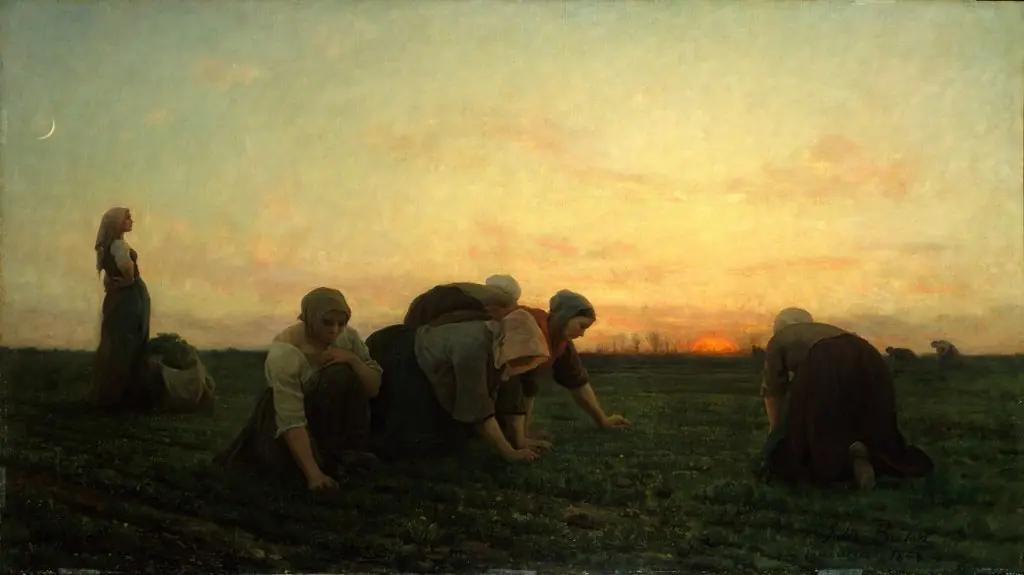
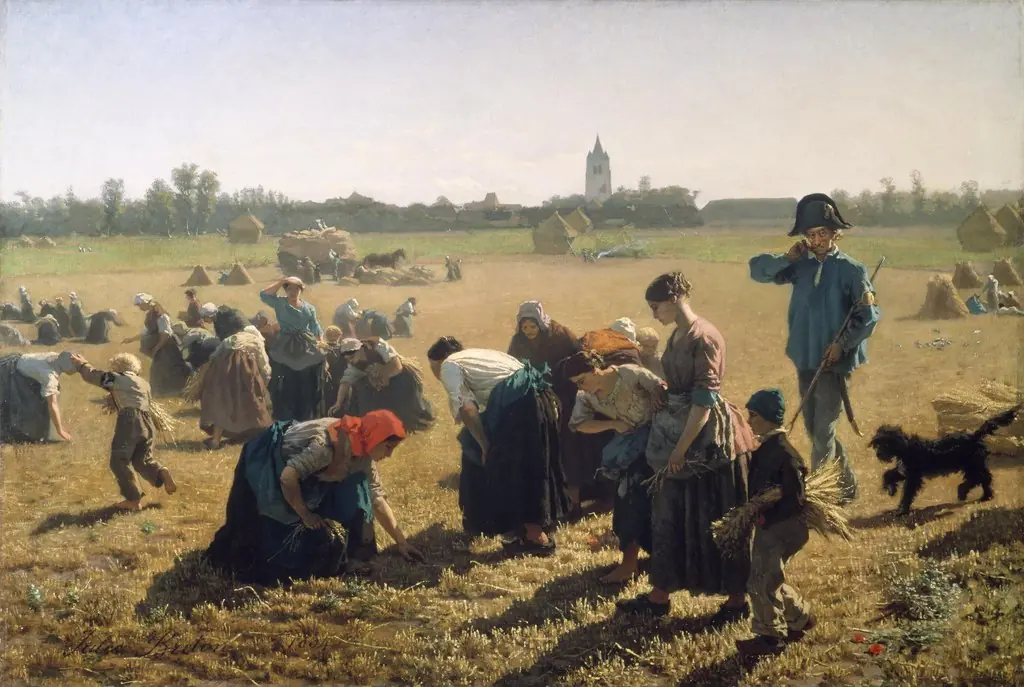
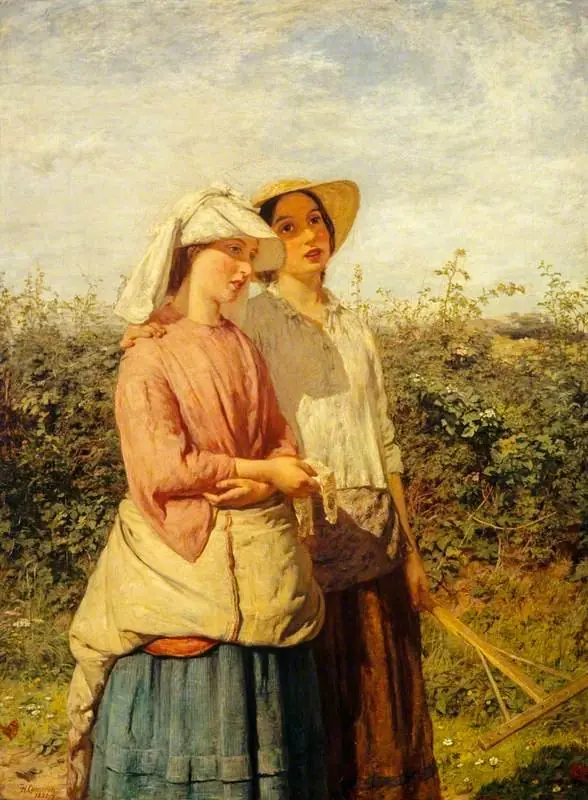
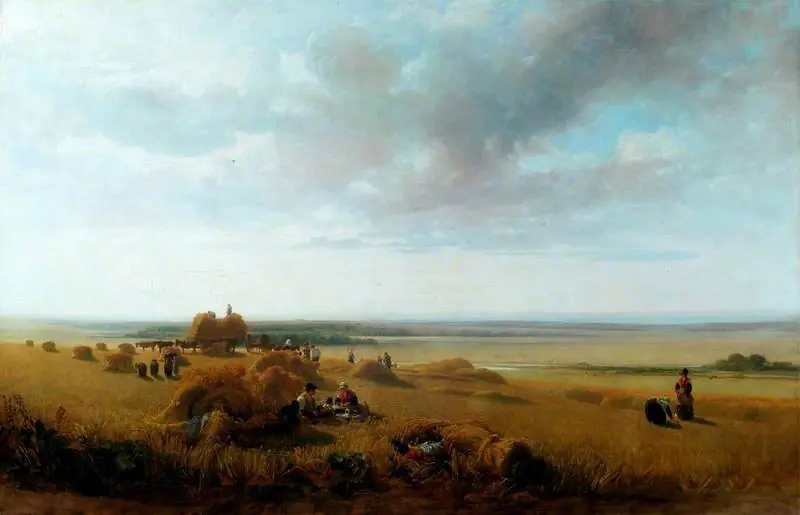
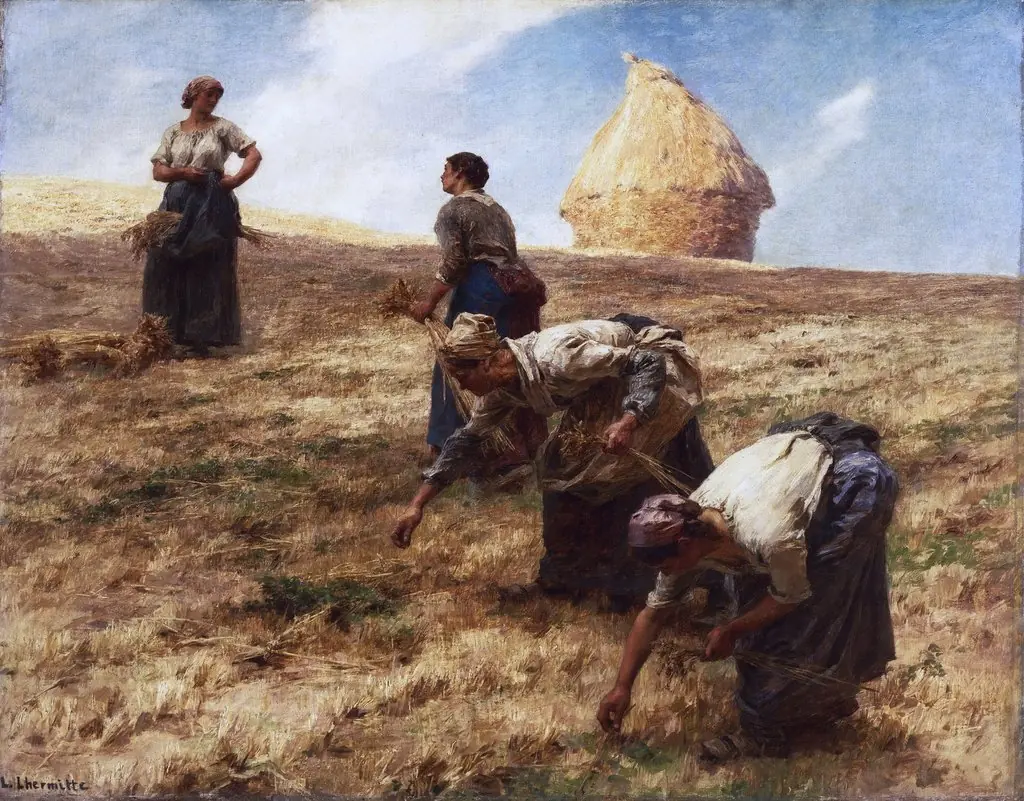
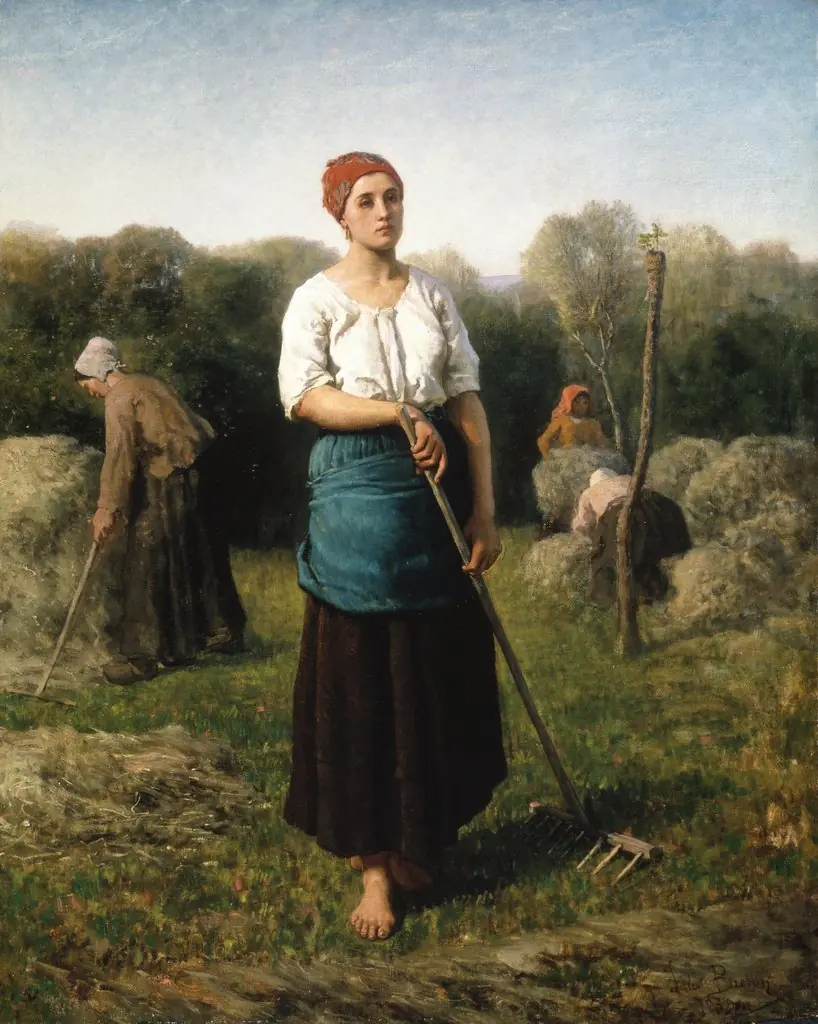
This painting shows a group of women and a young girl in a field of wheat. The women wear long skirts and headscarves, and the girl is dressed in a white dress. They are all looking at something in the distance, possibly a group of reapers.
The women are standing in a line, with the girl at the end. They are all barefoot, and the women are carrying baskets or cloths. The background is a field of golden wheat, with a few trees and buildings in the distance. The sky is blue and clear.
The painting is done in a realistic style, with attention to detail and texture. It is a beautiful depiction of rural life in the 19th century. If you like this painting, you might also like the work of artist Jules Breton.
Overview
Painted in 1860 by French artist Jules Breton, *The Reapers* is an oil-on-canvas work that captures a moment of agricultural labor in the French countryside. Belonging to the Realism movement, the painting avoids romanticization while emphasizing quiet dignity in rural work. It is part of the permanent collection at the Kelvingrove Art Gallery and Museum in Glasgow, where it continues to reflect 19th-century depictions of peasant life.
Subject & Meaning
The painting portrays a line of women and a young girl standing barefoot in a wheat field, their gaze directed toward an unseen group of reapers. Dressed in simple, traditional attire—headscarves, long skirts, and a white dress for the child—they hold baskets or cloths, suggesting preparation or rest. The scene conveys communal labor and the rhythm of seasonal work, with no overt drama, instead inviting contemplation of endurance and quiet solidarity.
Technique & Style
Breton employed meticulous oil painting techniques to render the textures of wheat, fabric, and skin with subtle precision. The golden field stretches under a clear blue sky, with soft atmospheric perspective guiding the eye toward distant trees and buildings. Light falls evenly across the figures, enhancing their stillness and grounding the composition in observed reality rather than idealized sentiment.
History & Provenance
Created in 1860, *The Reapers* was produced during a period when Breton was gaining recognition for his depictions of rural France. It entered the Kelvingrove collection in the late 19th or early 20th century, likely through acquisition by a Scottish patron or institution interested in European Realism. Its presence in Glasgow reflects broader 19th-century interest in French genre painting among British collectors.
Context
In mid-19th-century France, artists like Breton turned to rural subjects as industrialization reshaped society. While Realism rejected mythological or aristocratic themes, Breton’s approach often softened the harshness of peasant life, favoring harmonious compositions. His work stood apart from more radical Realists like Courbet, offering a lyrical, orderly vision of agrarian existence.
Legacy
Breton’s *The Reapers* contributed to a lasting European fascination with rural labor as a subject of artistic dignity. Though less politically charged than contemporaries, his paintings influenced public perceptions of peasant life. Today, the work remains a reference point for studies of 19th-century genre painting and the evolving relationship between art and social observation.
Artist & collection
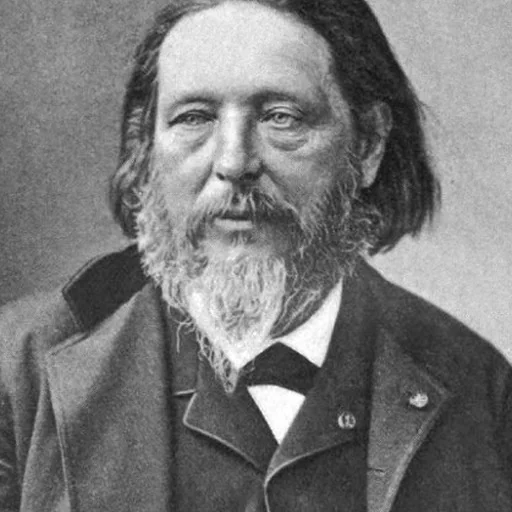
Artist
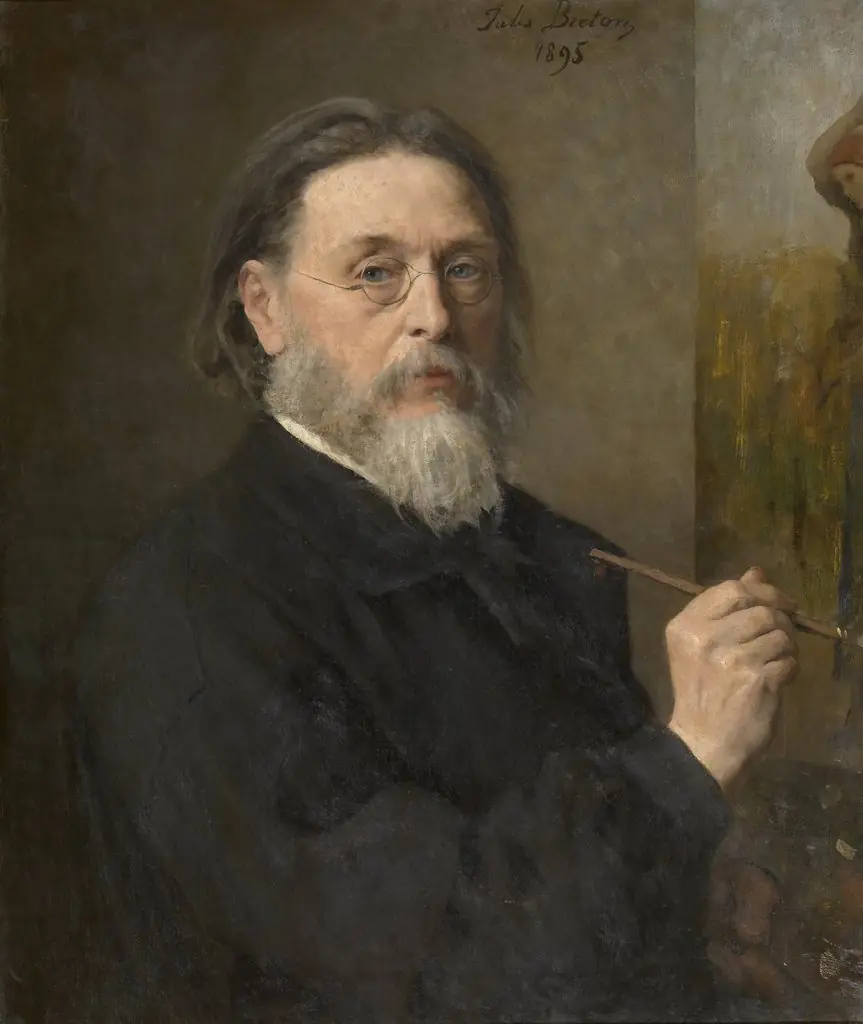
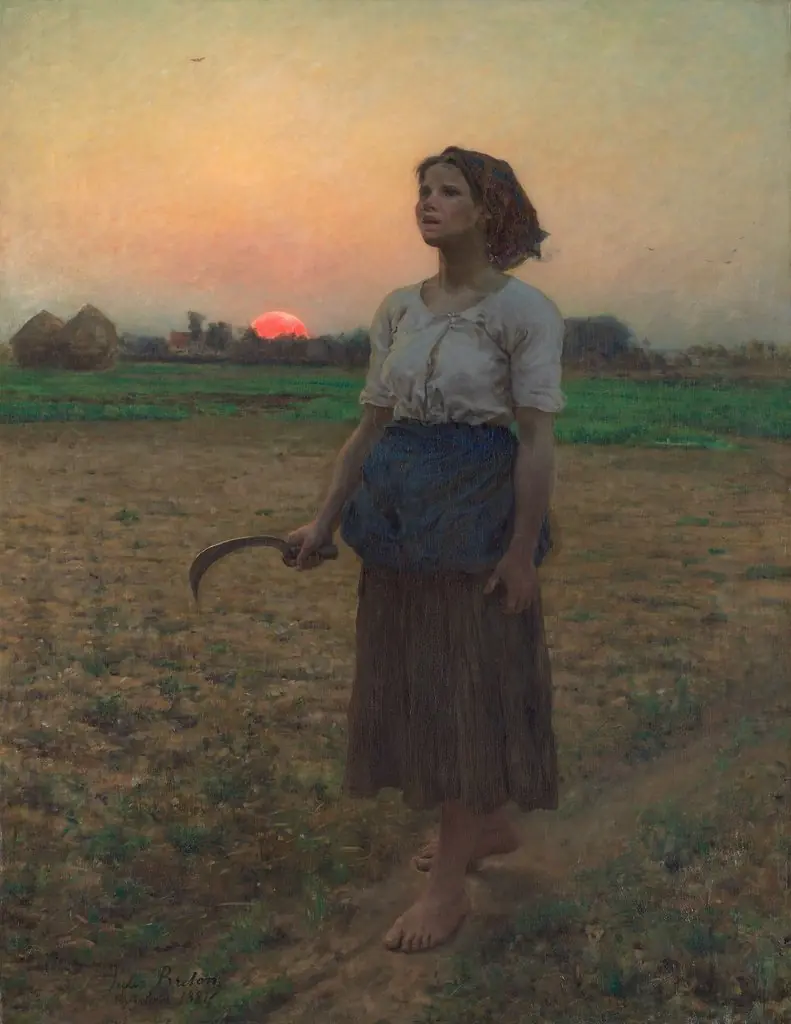
Jules Adolphe Aimé Louis Breton (French pronunciation: ; 1 May 1827 – 5 July 1906) was a 19th-century French naturalist painter.