Artwork
Auspicious Snow Accumulating in Winter
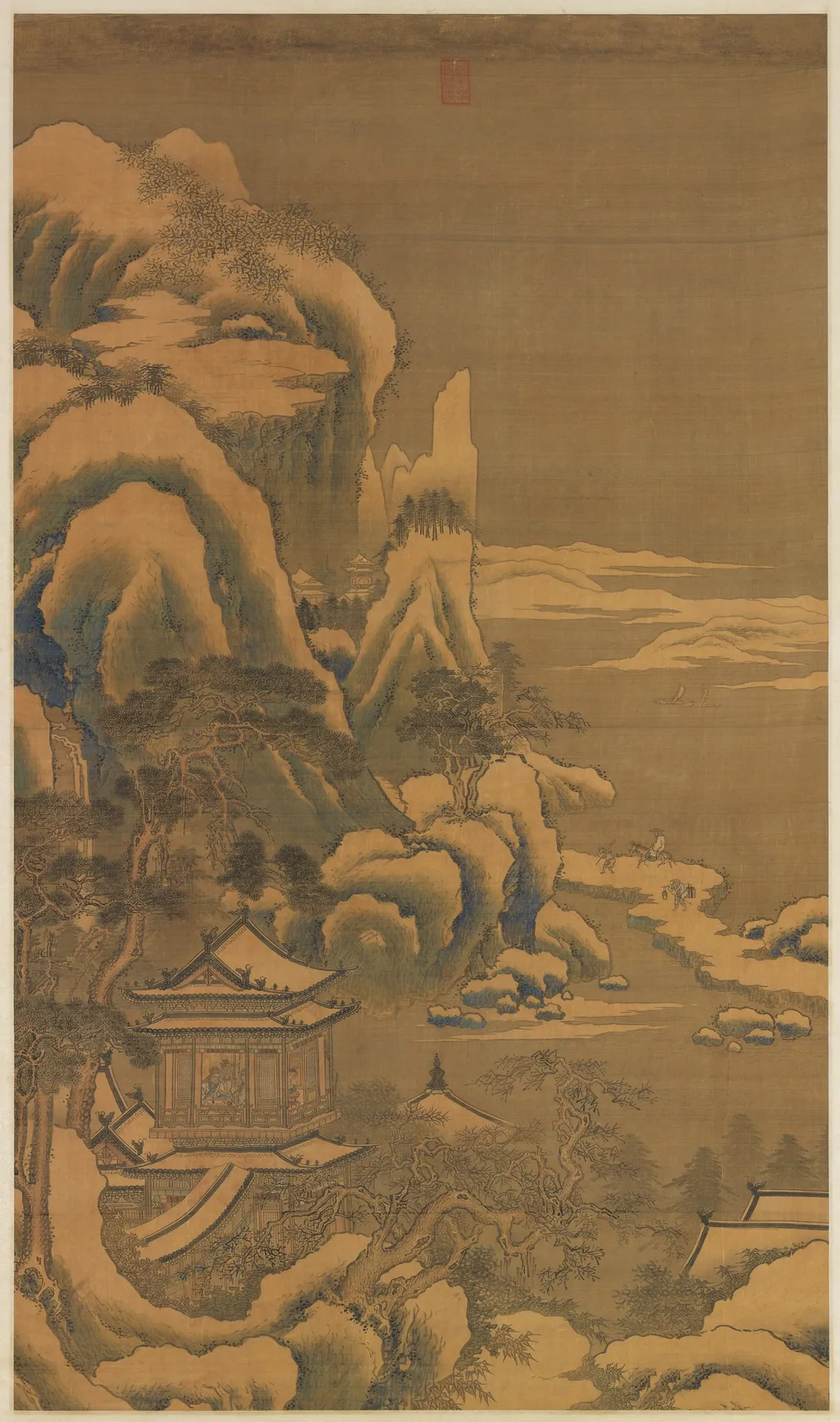
Auspicious Snow Accumulating in Winter is an unspecified painting by the Ming dynasty painting artist Wang E. It dates from 1510 and is held in the collection of the National Palace Museum.
About this work
Overview
Created in 1510 by the Ming court painter Wang E, *Auspicious Snow Accumulating in Winter* presents a quiet winter scene rendered in subtle tones. The composition balances a distant lake dotted with tiny boats, snow‑laden mountains, and a modest pavilion, inviting the viewer into a tranquil, atmospheric landscape that exemplifies the refined aesthetic of early 16th‑century Chinese court art.
Subject & Meaning
The painting portrays a snow‑covered mountainous terrain with bare trees and a still lake, suggesting the stillness of winter.
The painting portrays a snow‑covered mountainous terrain with bare trees and a still lake, suggesting the stillness of winter. A small pavilion at the foot of the hills introduces a human element, hinting at modest habitation within nature’s vastness. The title’s reference to “auspicious” snow implies a favorable omen, a common symbolic association of snowfall with purity and renewal in Chinese visual culture.
Technique & Style
Wang E employs delicate brushwork that merges ink washes with muted pigments, allowing snow and water to flow into one another. Fine, controlled strokes delineate the trees and pavilion, while broader washes suggest atmospheric depth. The restrained palette and emphasis on tonal harmony reflect the literati tradition, yet the precise rendering of architectural details reveals his courtly training.
History & Provenance
Born in Fenghua, Zhejiang, Wang E studied under the painter Xiao Feng before entering the service of the Hongzhi Emperor. The emperor praised his abilities, likening them to those of the Song‑era Ma Yuan. The work remained within imperial collections and is now housed in the National Palace Museum, where it continues to be displayed as part of the museum’s Ming dynasty holdings.
Context
The piece belongs to the broader Ming dynasty landscape tradition, which sought to revive and reinterpret earlier Song and Yuan models. By integrating a modest human structure into an expansive natural setting, Wang E aligns with the period’s interest in balancing scholarly idealism with realistic observation, a balance that was encouraged by court patronage during the Hongzhi reign.
Artist & collection
Artist
Wang E (simplified Chinese: 王谔; traditional Chinese: 王諤; pinyin: Wáng È; Wade–Giles: Wang E; 1465?

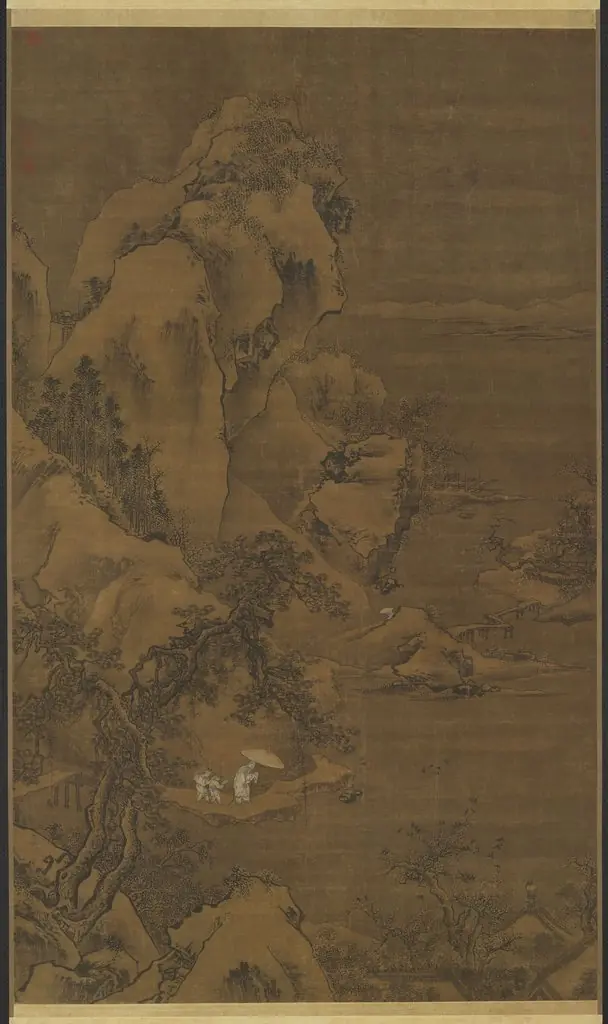 Searching for Plum Blossoms
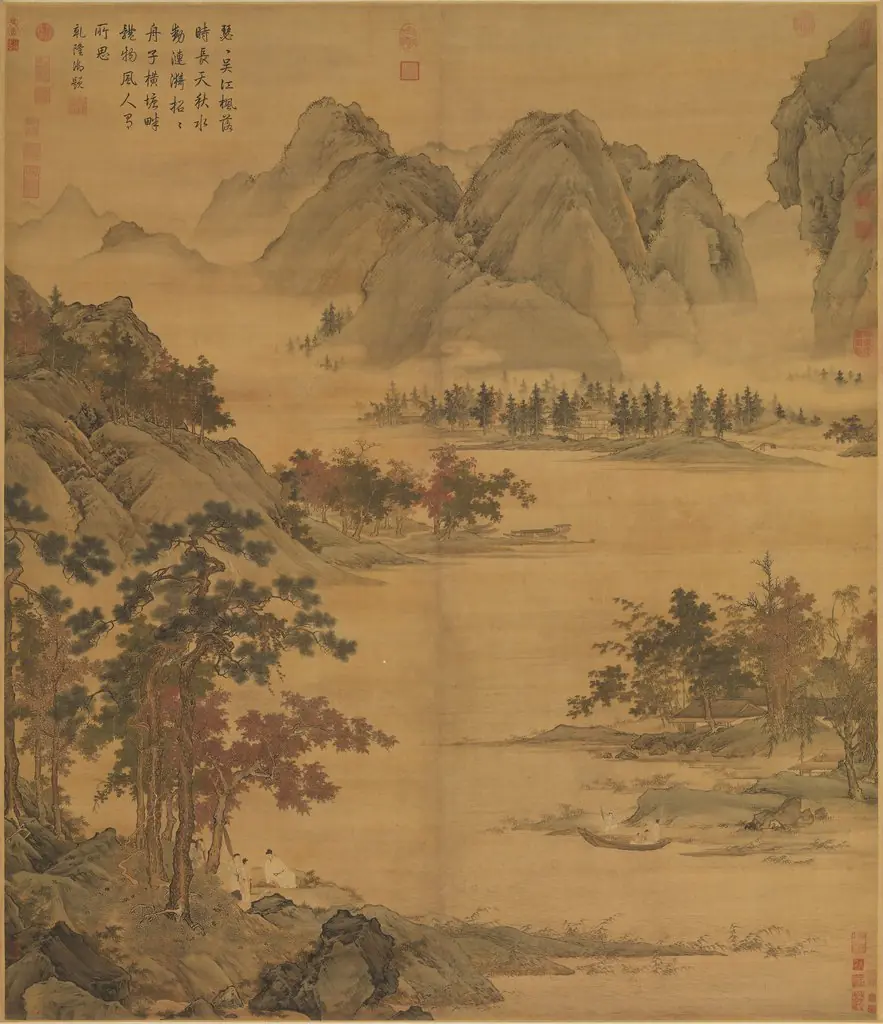 Waiting for the Ferry on an Autumn River
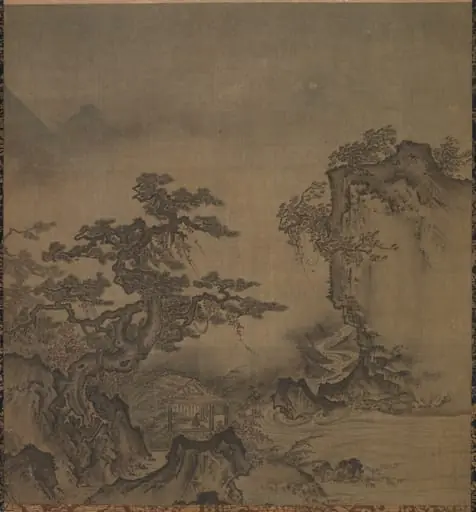 Landscape
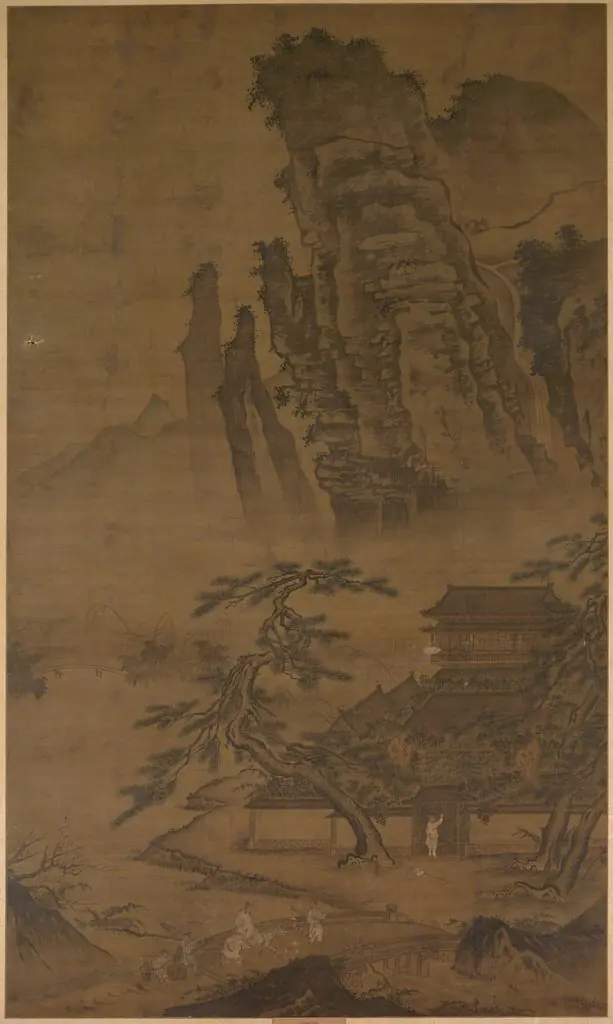 Landscape
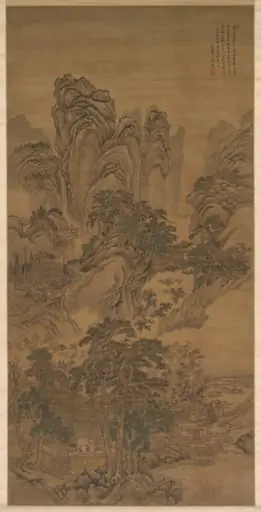 Landscape
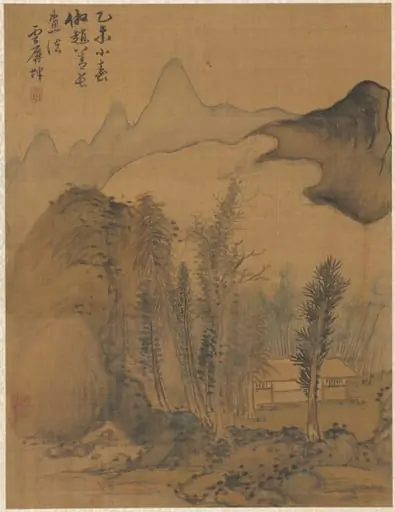 Landscape in the Style of Chao Yuan
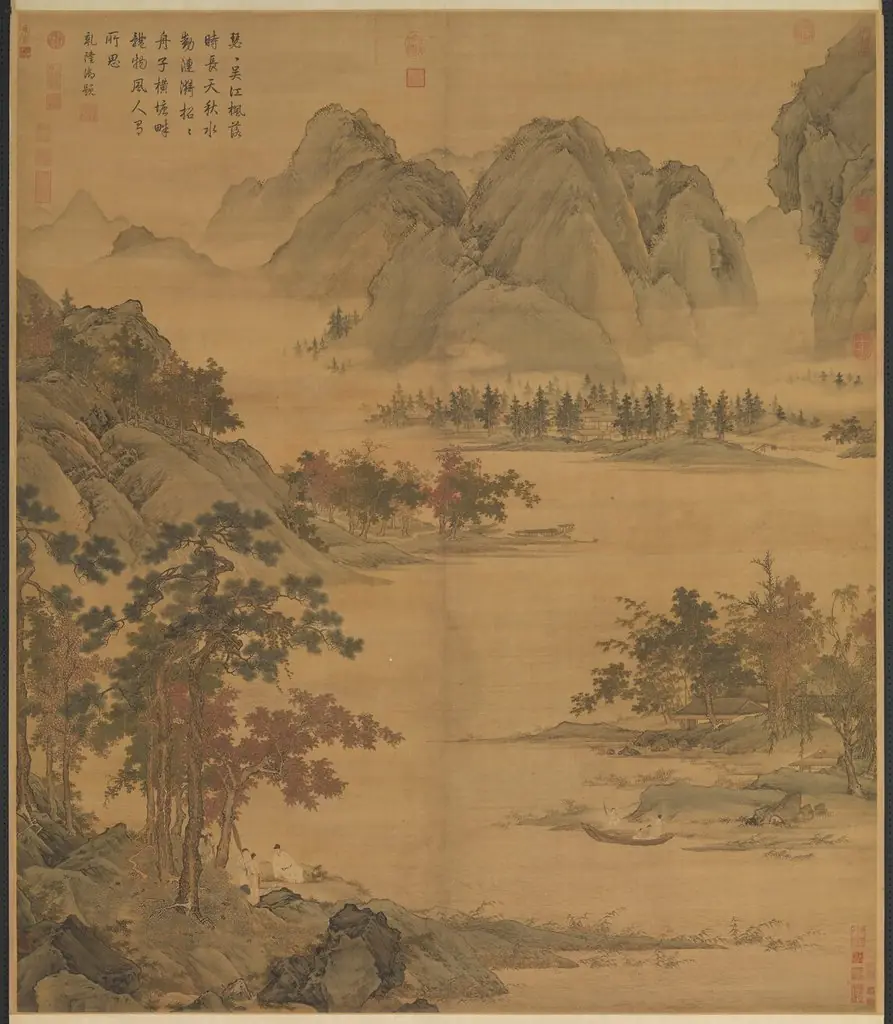 明仇英秋江待渡 軸
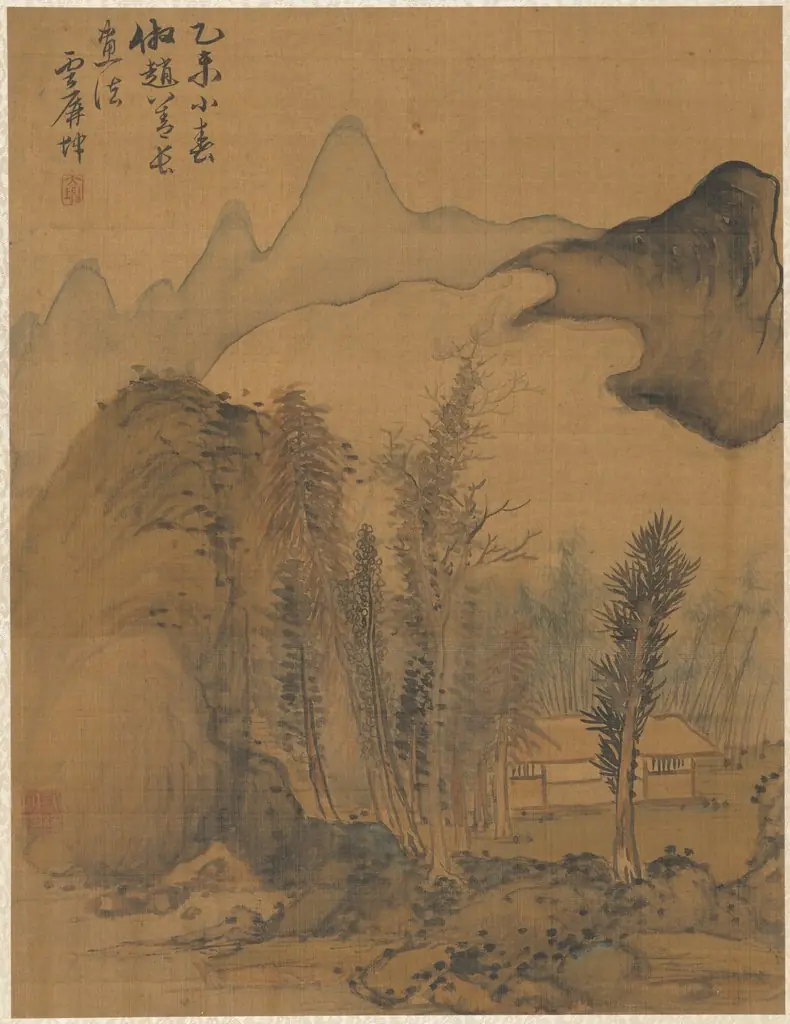 Landscape in the Style of Chao Yuan
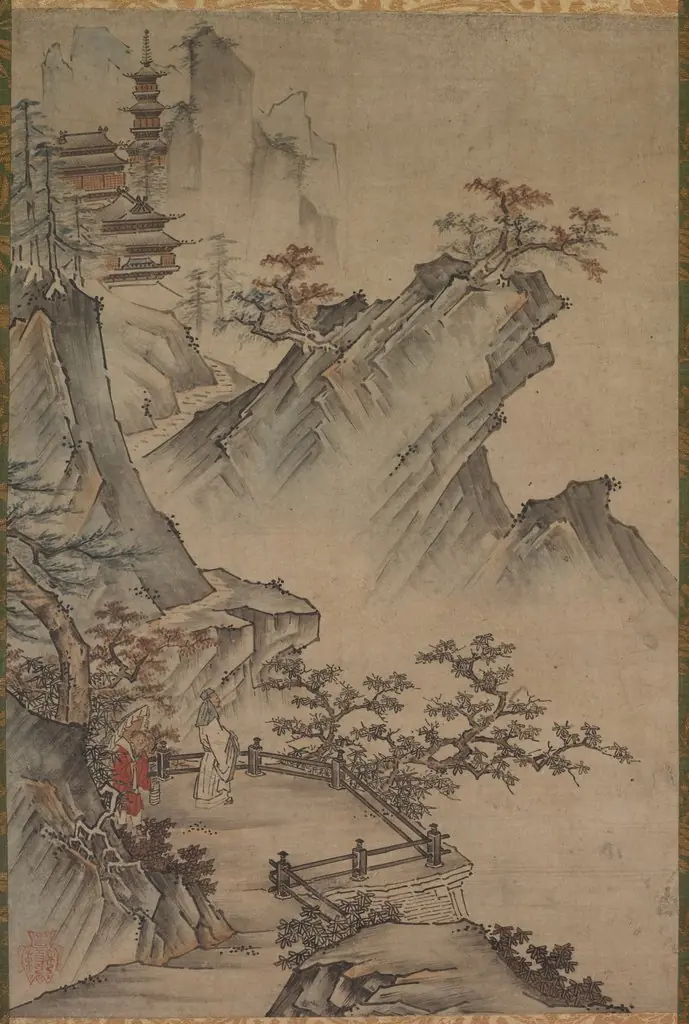 Chinese Literatus Viewing a Valley
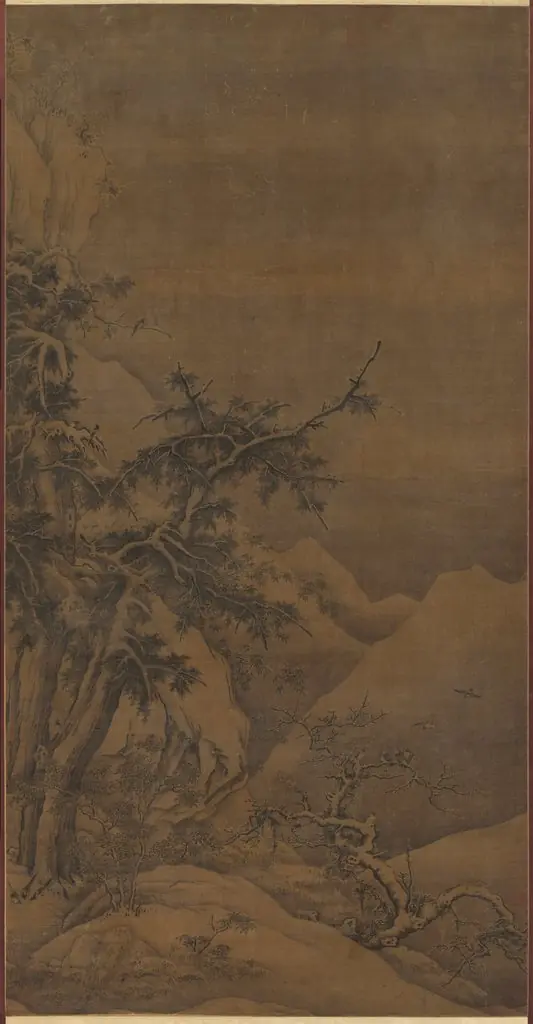 Birds in a Grove in a Mountainous Winter Landscape
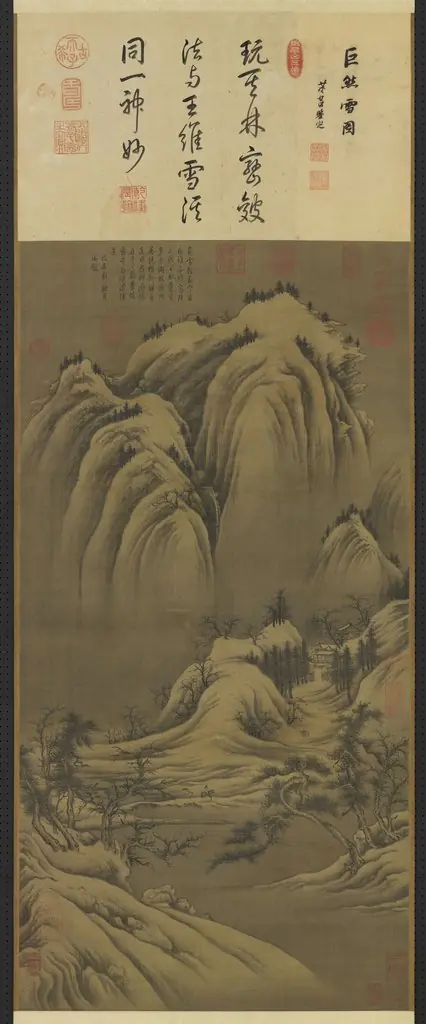 Snowscape
 Towers and Pavilions in Mountains of the Immortals