Artwork
In Imitation of Wang Wei's "Clearing After Snow Over Rivers and Mountains"
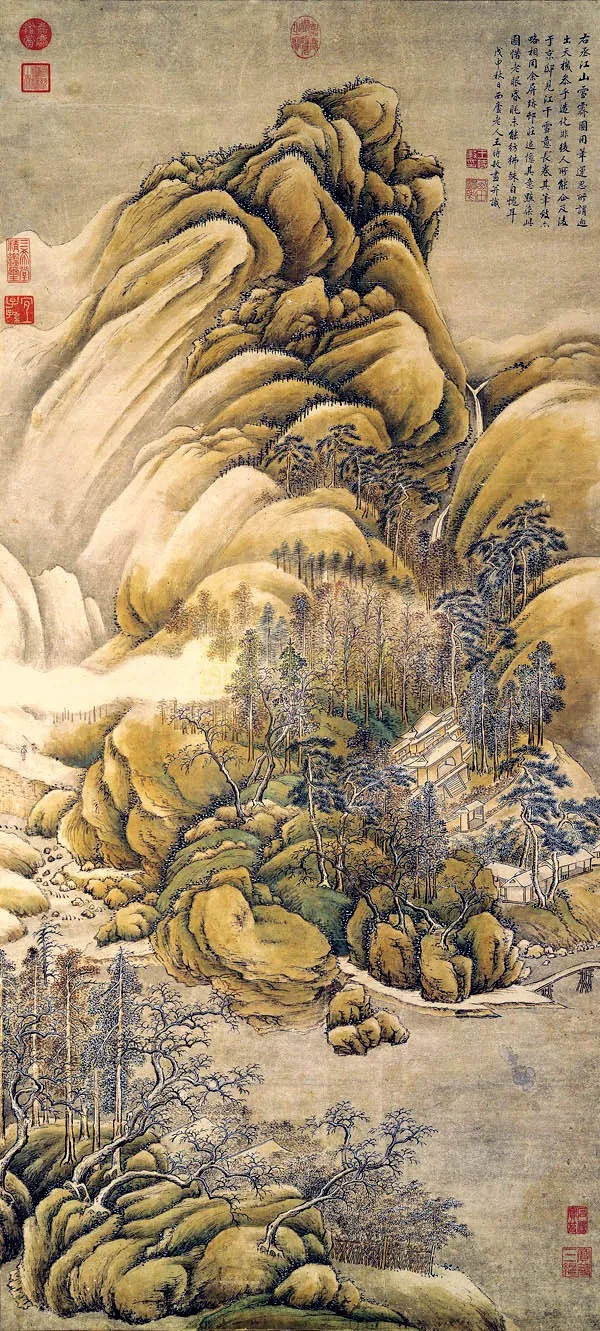
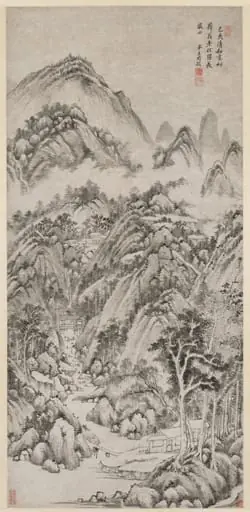
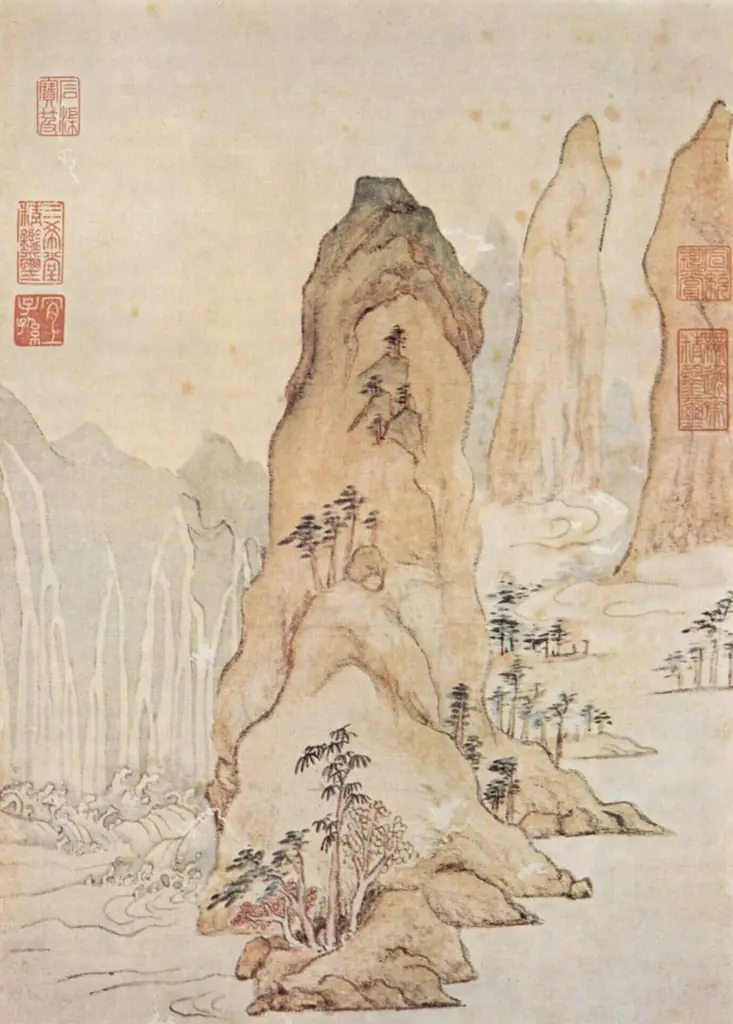
In Imitation of Wang Wei's "Clearing After Snow Over Rivers and Mountains" is an unspecified painting by the Ming dynasty painting artist Wang Shimin. It dates from 1668 and is held in the collection of the National Palace Museum. Created in 1668, this hand‑scroll landscape belongs to the late Ming period and follows the scholarly tradition of literati painting.
About this work
Overview
Created in 1668, this hand‑scroll landscape belongs to the late Ming period and follows the scholarly tradition of literati painting. The work is an homage to an earlier masterpiece by Wang Wei, reimagined by the Jiangsu‑born painter Wang Shimin, who combined his training in calligraphy and painting with a career in the imperial bureaucracy before retiring due to illness.
Subject & Meaning
The composition presents a quiet mountain scene after snowfall, with a distant range lightly dusted in white and a winding path that leads to a modest pavilion nestled among trees and shrubs. The muted palette of greens, browns and grays conveys a sense of stillness, inviting contemplation of nature’s subdued beauty.
Technique & Style
Executed with delicate brushwork, the scroll employs varied strokes to render texture—fine lines suggest distant peaks, while broader washes build atmospheric depth. The approach reflects the literati emphasis on personal expression over strict realism, echoing the scholarly landscape style championed by Tung Ch’i‑ch’ang, who advocated reinterpretation of classical models.
History & Provenance
Wang Shimin, a member of a high‑ranking Ming family, produced the piece after years of official service. The scroll remained within scholarly circles, exemplifying the transmission of artistic ideals across generations. Its survival offers insight into the cultural milieu of late Ming intellectuals.
Context
During the 17th century, Chinese painters often engaged with earlier works as a means of dialogue with tradition. By imitating Wang Wei’s celebrated scene, Wang Shimin participates in this practice, demonstrating reverence for past masters while asserting his own aesthetic voice within the evolving Ming artistic landscape.
Artist & collection

Artist
Wáng Shímǐn (simplified Chinese: 王时敏; traditional Chinese: 王時敏; Wade–Giles: Wang Shih-min; c.

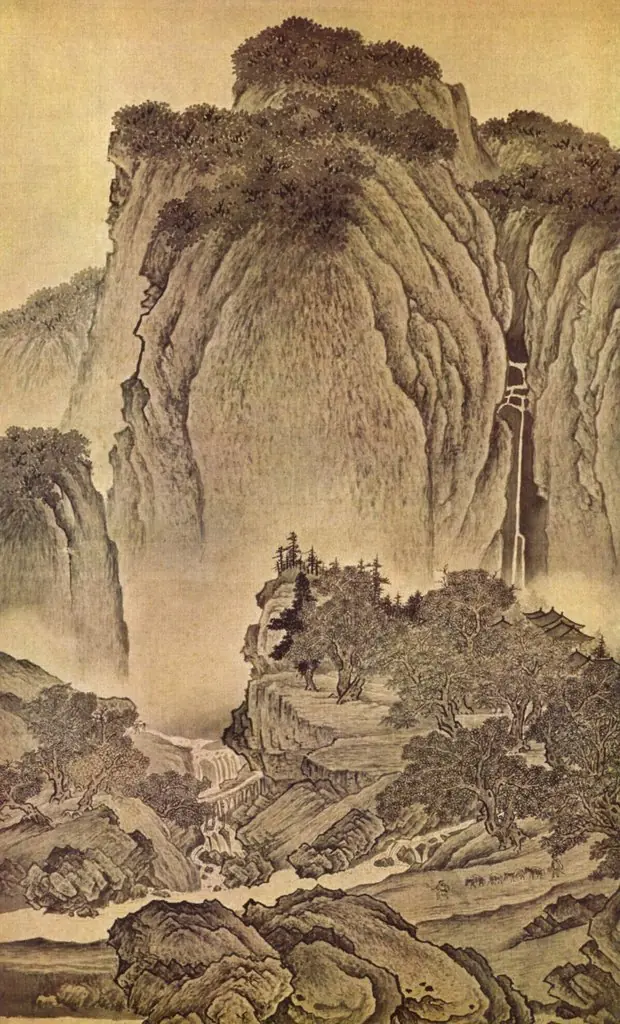 Imitating Fan Kuan's "Travelers Among Mountains and Streams"
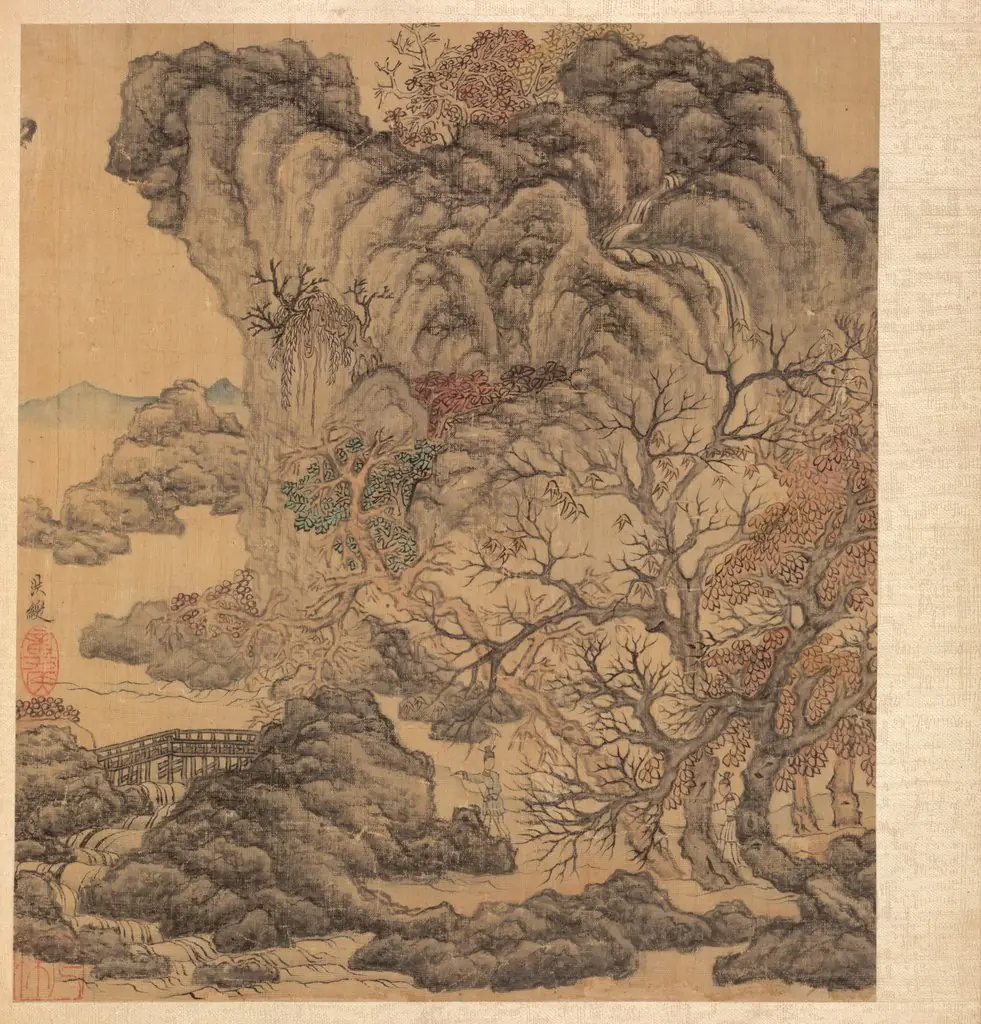 Paintings after Ancient Masters:Travelers in an Autumn Landscape
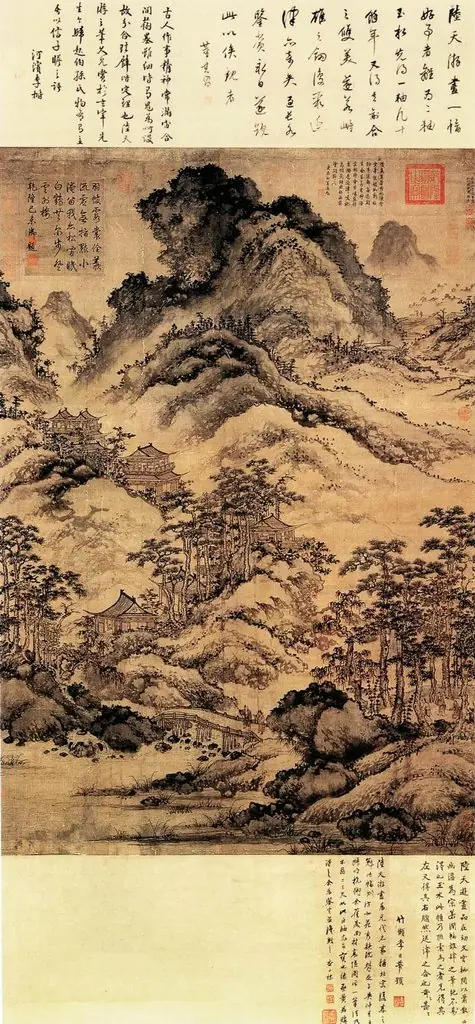 Buildings in the Mountains of the Immortals
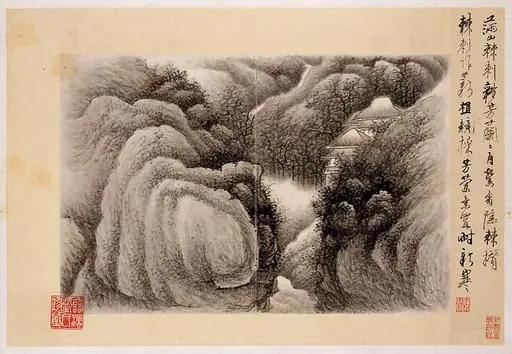 清 龔賢 墨筆山水詩畫 冊|清 龔賢 自題 山水十六開 冊|Landscapes with poems
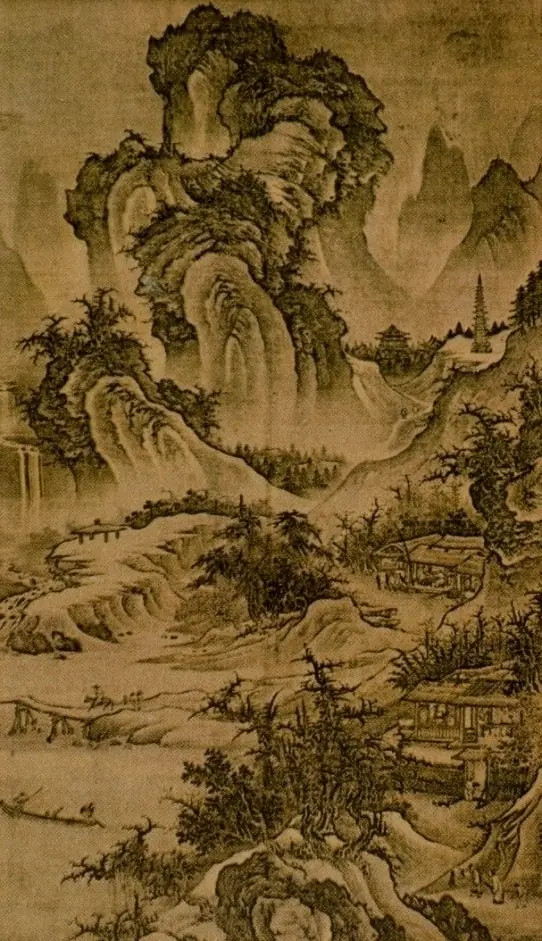 Mountain Hermitage
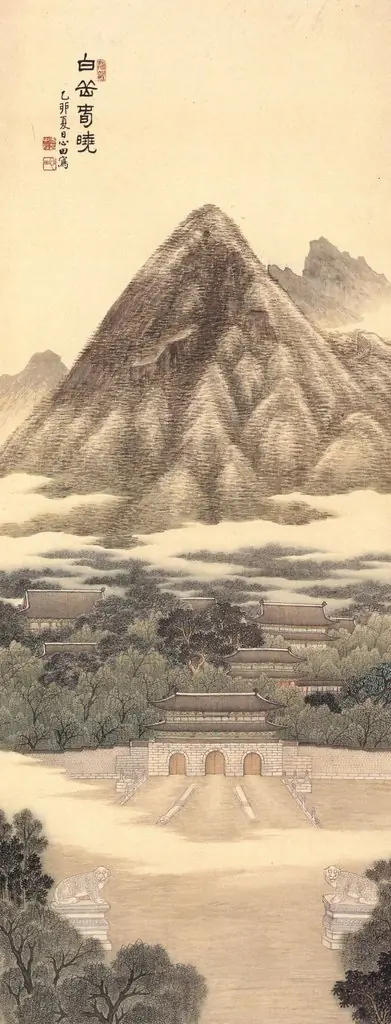 백악춘효
백악춘효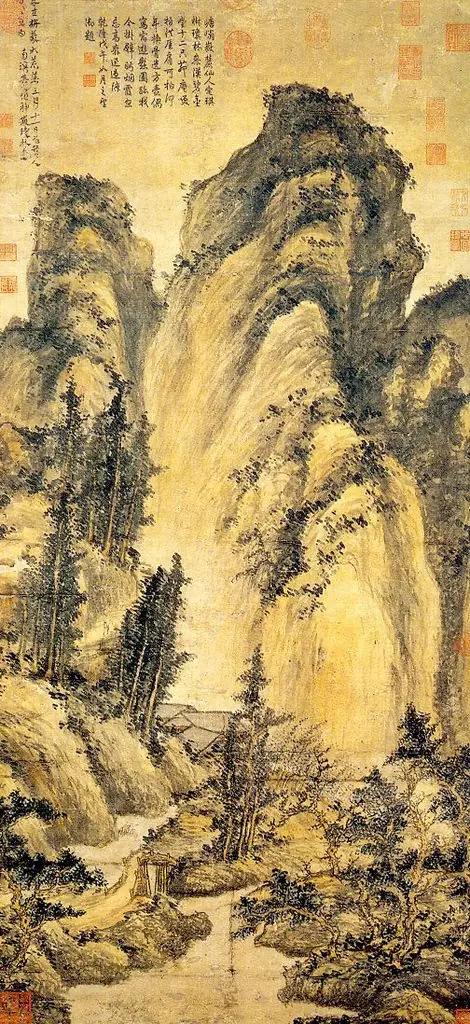 Sacred Mountains and Precious Groves
 On the Poetic Intent of Du Fu