Artwork
백악춘효
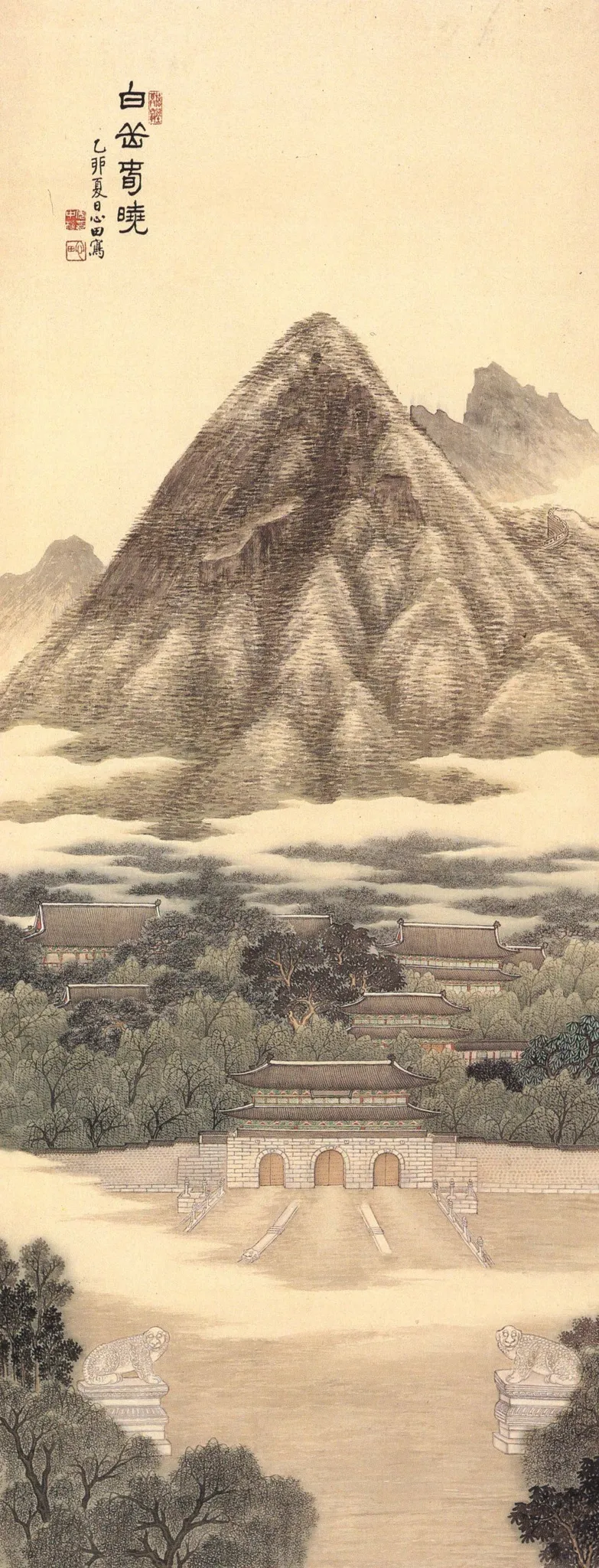
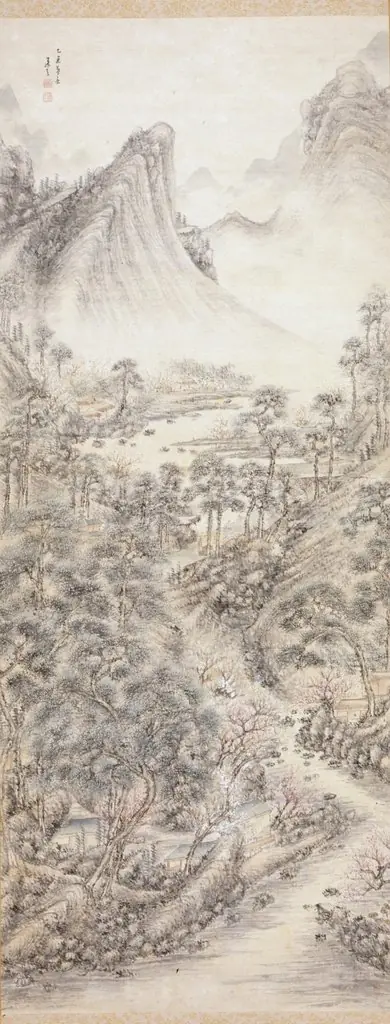
백악춘효 is an ink painting by the Nihonga artist An Jung-sik. It dates from 1915 and is held in the collection of the National Museum of Korea.
About this work
The artist has used a range of techniques to create texture and depth, including layering and blending the ink to create subtle gradations of tone.
This painting depicts a serene mountain landscape with a large, rocky peak in the center. The mountain is rendered in shades of brown and gray, with subtle texture and shading that gives it a sense of depth and dimensionality. In the foreground, there are trees and buildings, which are depicted in a more detailed and realistic style than the mountain.
The painting is done in ink wash, which gives it a soft, dreamy quality. The artist has used a range of techniques to create texture and depth, including layering and blending the ink to create subtle gradations of tone.
The painting is a beautiful example of Korean art from the early 20th century. For more information on the artist's style and technique, look up artist An Jung-sik.
Overview
Created in 1915, this ink‑wash landscape presents a tranquil mountain scene dominated by a central, craggy peak rendered in muted browns and grays. The composition balances a broad, atmospheric backdrop with a foreground populated by trees and modest structures, whose finer detailing contrasts with the softer treatment of the mountain. The overall effect is one of quiet depth, achieved through subtle tonal variations.
Subject & Meaning
The work portrays a serene natural setting, emphasizing the harmonious relationship between rugged terrain and human habitation. By placing modest buildings amid the expansive mountain, the artist suggests a contemplative coexistence of culture and nature, a theme resonant in Korean landscape painting that reflects philosophical ideas of balance and reverence for the environment.
Technique & Style
Executed with traditional ink wash, the artist employs layered washes and delicate blending to produce gradations of tone that convey atmospheric perspective. The mountain’s surface is built up through textured strokes, while the foreground elements receive more precise brushwork, creating a visual hierarchy. The approach reflects the nihonga‑influenced methods that Korean painters adopted in the early twentieth century, merging native sensibilities with Japanese techniques.
History & Provenance
The painting was made by An Jung‑sik, known by his pen name Simjŏn, a court painter who continued his practice after Korea’s annexation by Japan. He later taught at several art schools and helped found an artists’ association, contributing to the preservation of Korean painting traditions during a period of cultural transition. The piece is now part of the National Museum of Korea’s collection.
Artist & collection
Artist
An Chungsik (Korean: 안중식; Hanja: 安中植, 1861–1919), art name Simjŏn (심전), was an artist who lived at the very end of the Joseon period.

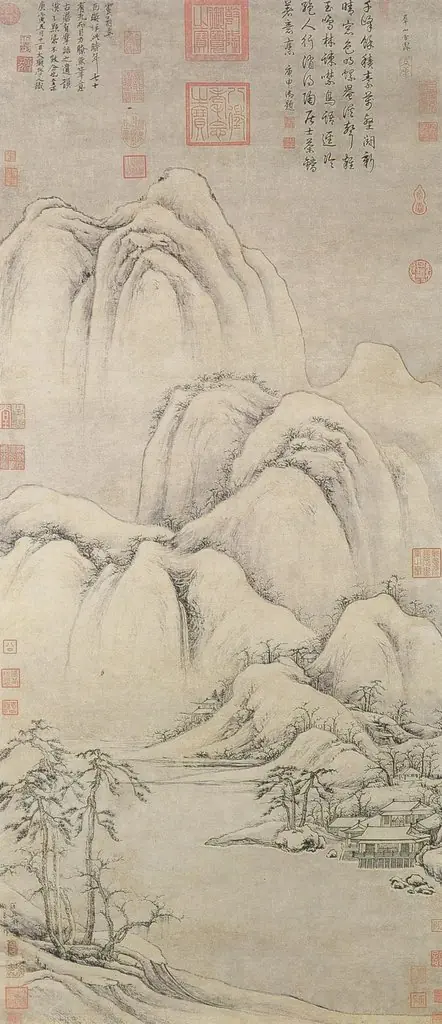 Group of Peaks Clearing After Snow
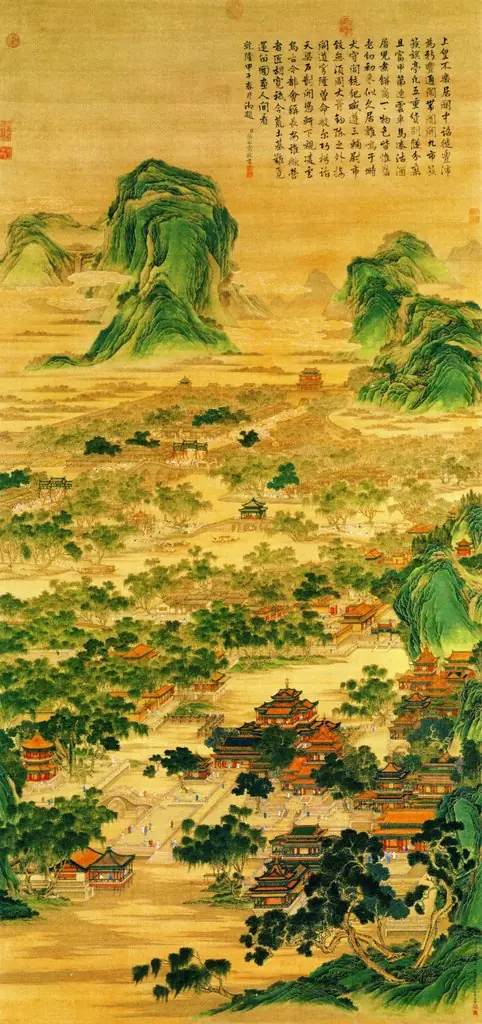 Court Version of "New Feng"
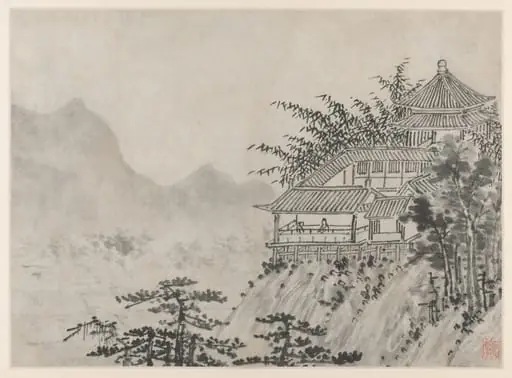 The Thousand Acres of Clouds, from Twelve Views of Tiger Hill, Suzhou
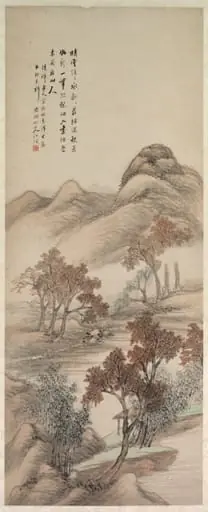 Autumn Landscape
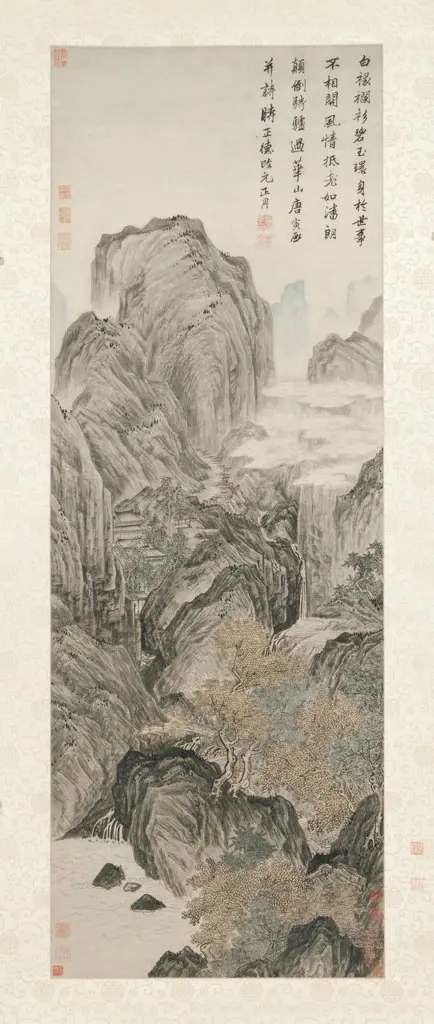 Mount Hua
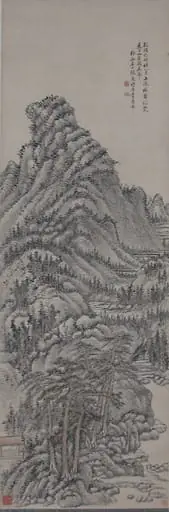 清 張庚 倣王蒙山水圖 軸|Landscape After Wang Meng
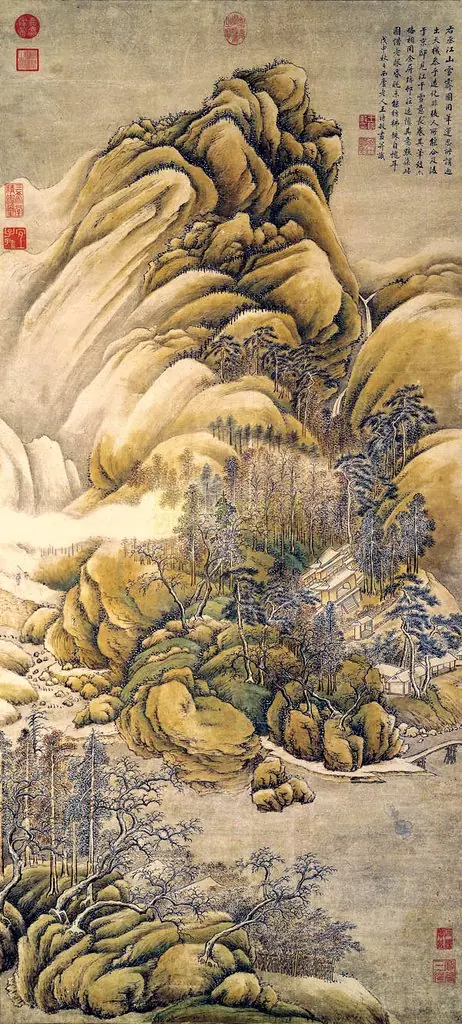 In Imitation of Wang Wei's "Clearing After Snow Over Rivers and Mountains"
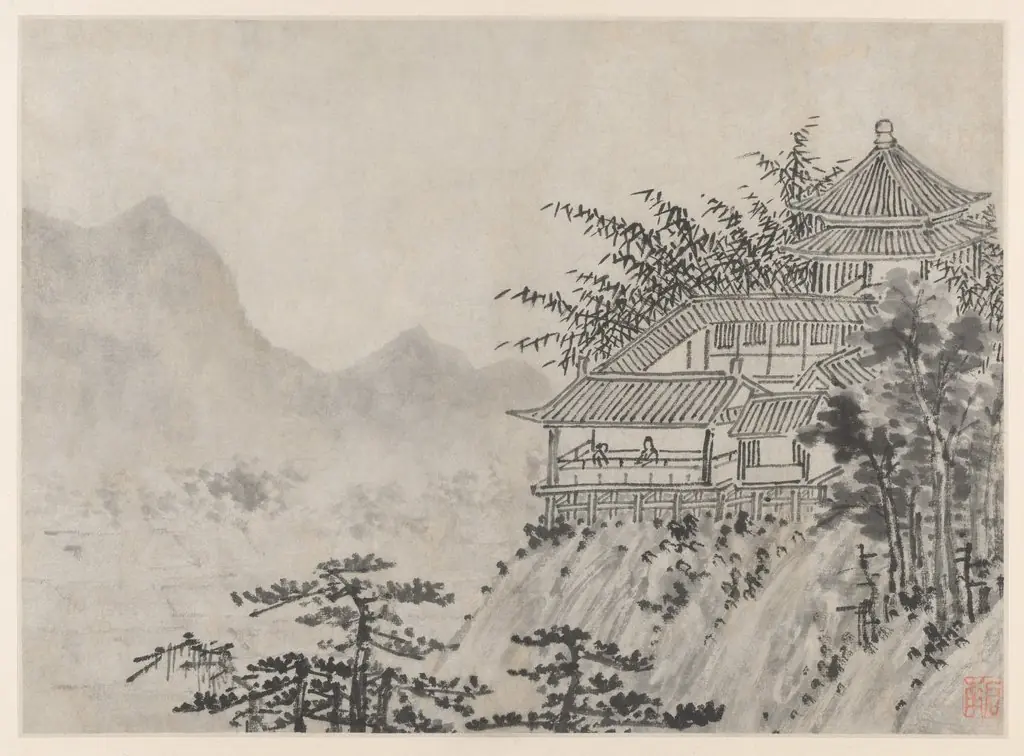 The Thousand Acres of Clouds, from Twelve Views of Tiger Hill, Suzhou
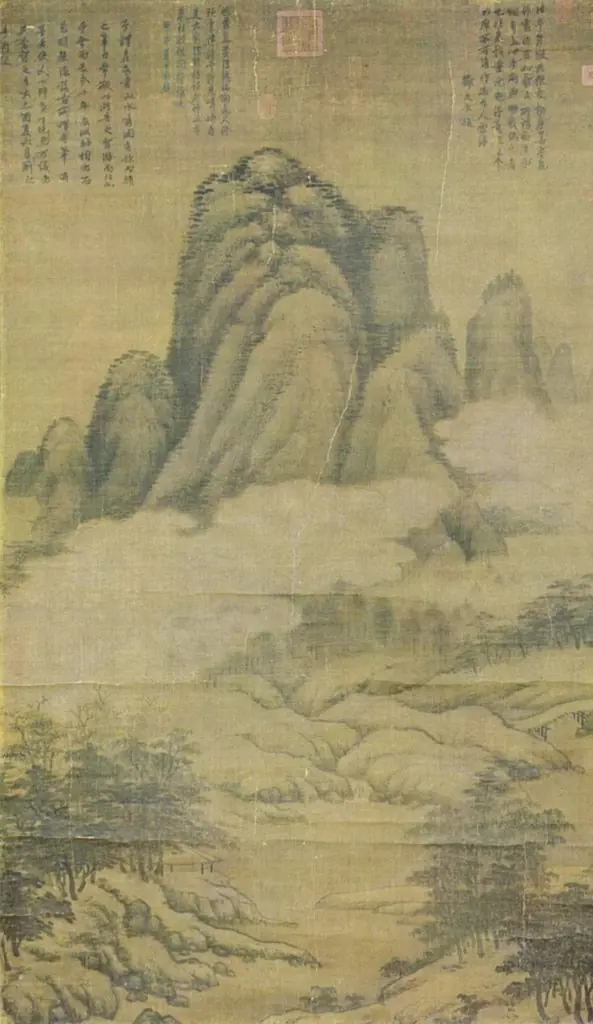 Cloud-girdled Peaks
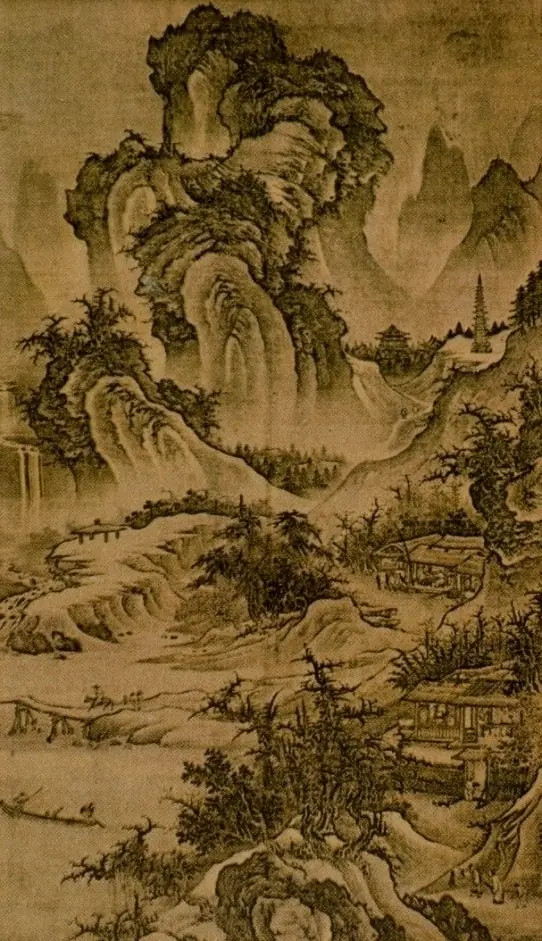 Mountain Hermitage
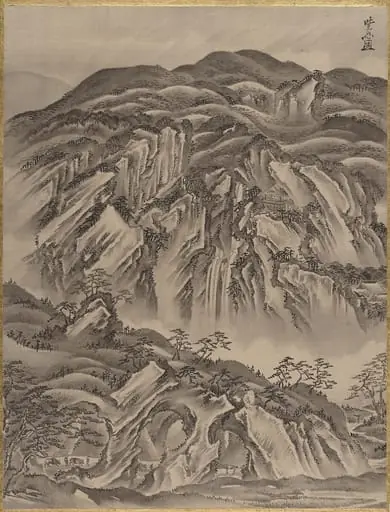 Untitled
 Literati in a Rustic Landscape