Artwork
Windsor Castle from the level of the Thames
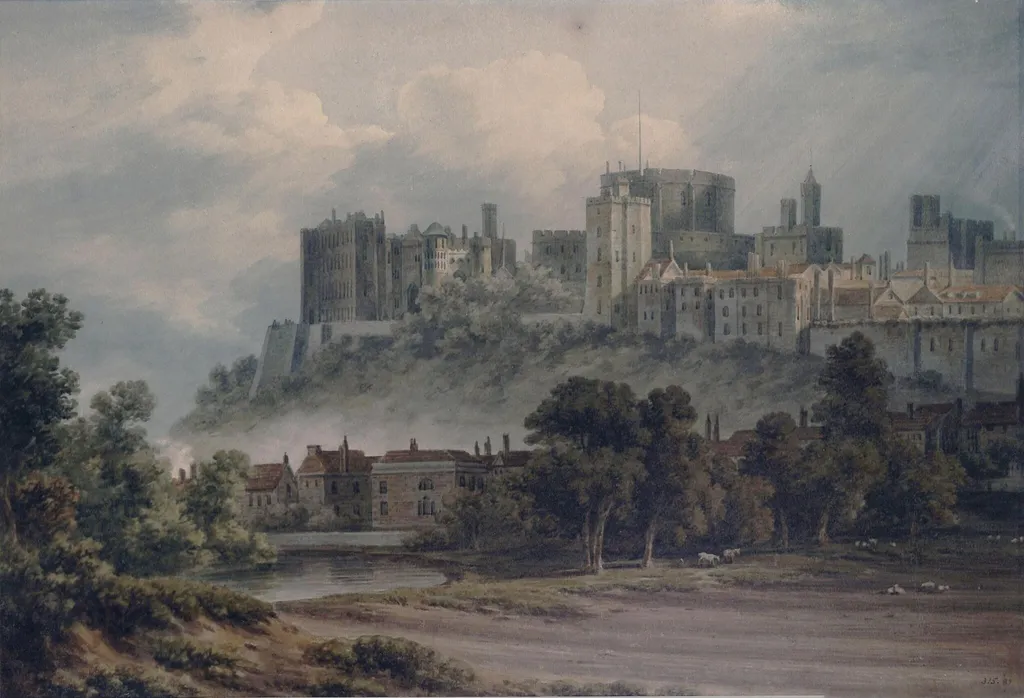
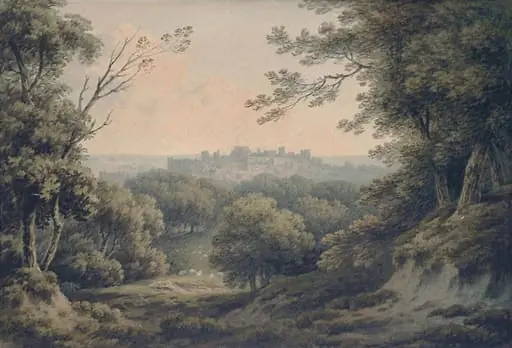
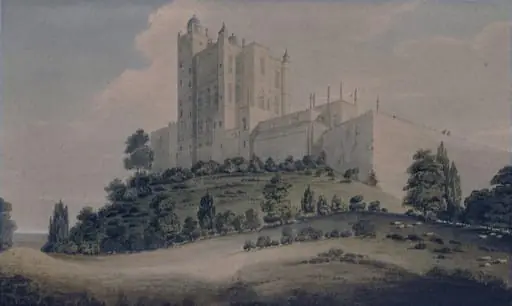
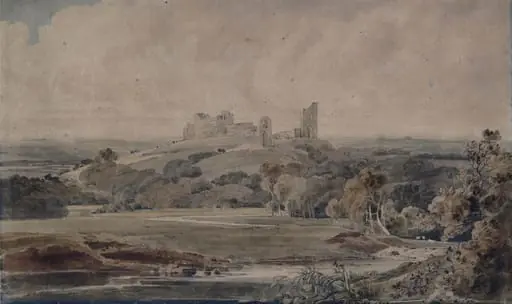
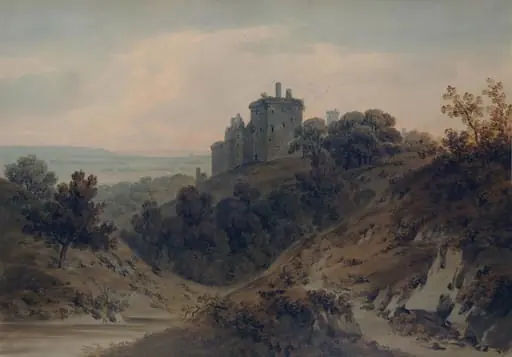
Windsor Castle from the level of the Thames is a watercolor work on paper by the Rococo painting artist John 'Warwick' Smith. It dates from 1775 and is held in the collection of the Victoria and Albert Museum. This 1775 watercolour by Warwick Smith depicts Windsor Castle as seen from the banks of the River Thames.
About this work
Overview
The scene is quiet and unhurried, emphasizing the harmony between architecture and nature rather than dramatic grandeur.
This 1775 watercolour by Warwick Smith depicts Windsor Castle as seen from the banks of the River Thames. Rendered in delicate washes, the composition captures the castle perched on elevated ground, with its stone towers and fortified walls rising above the surrounding landscape. The scene is quiet and unhurried, emphasizing the harmony between architecture and nature rather than dramatic grandeur.
Subject & Meaning
The painting presents Windsor Castle not as a symbol of power, but as an enduring presence within a pastoral setting. The inclusion of grazing cattle and a modest red-roofed structure beside the river suggests everyday life unfolding at the castle’s edge. The view from the Thames implies a public, accessible perspective, grounding the monarchy’s residence within the rhythms of the natural world.
Technique & Style
Smith employed light, transparent watercolour washes to convey atmospheric softness. Gentle brushwork defines the castle’s contours without harsh lines, while the sky and river are rendered with subtle gradations of tone. The muted palette—soft greys, pale greens, and warm earth tones—enhances the tranquility of the scene, avoiding theatrical contrast in favor of quiet observation.
History & Provenance
Created in 1775, the work reflects the growing interest in topographical watercolours during the late 18th century. Warwick Smith, known for his landscape studies, likely produced this piece as part of a broader documentation of British landmarks. Its survival suggests it was valued for its accuracy and calm aesthetic, though its early ownership remains undocumented.
Context
In the 1770s, watercolour was increasingly used for topographical and amateur artistic study, particularly among those interested in the English countryside and historic sites. Windsor Castle, as a royal residence, was a frequent subject, but Smith’s approach—emphasizing serenity over spectacle—aligns with a quieter, more intimate tradition of landscape recording emerging at the time.
Legacy
The work contributes to a body of 18th-century watercolours that shaped how British heritage was visually understood. While not widely exhibited today, it exemplifies the shift from monumental representation to contemplative observation. Its preservation in institutional collections underscores its role in the evolution of British landscape art.
Artist & collection