Artwork
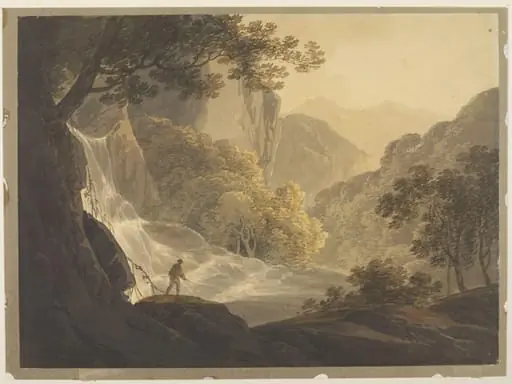
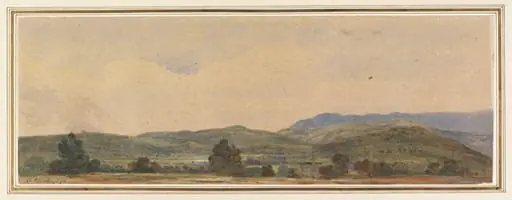
Landscape with waterfall
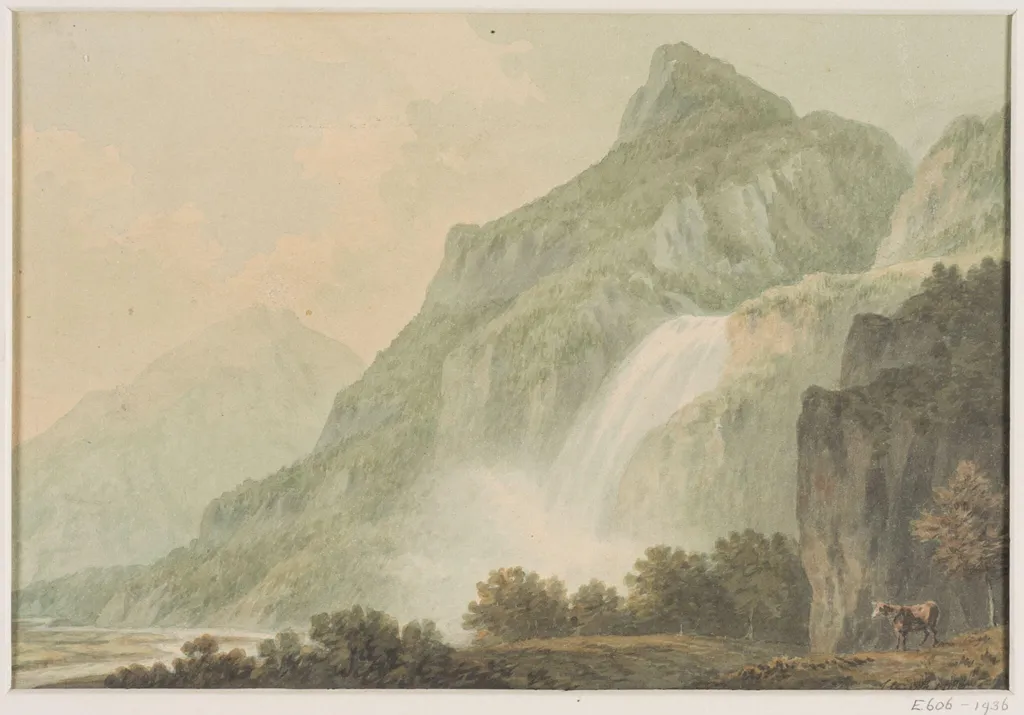
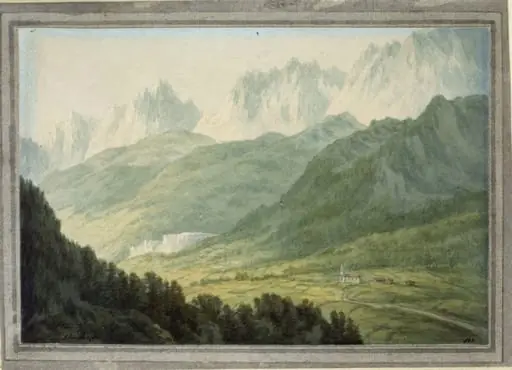
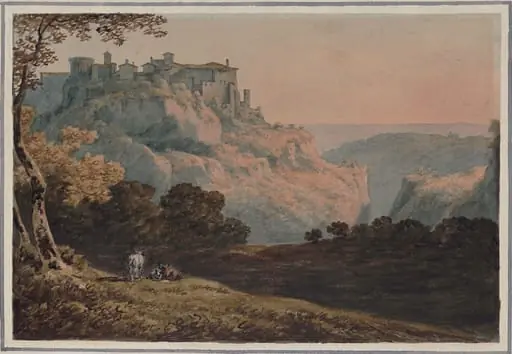
Landscape with waterfall is a watercolor work on paper by the Rococo painting artist John 'Warwick' Smith. It dates from 1786 and is held in the collection of the Victoria and Albert Museum.
About this work
Overview
It resides in the Victoria and Albert Museum, where it is preserved as part of a broader collection of topographical and landscape studies from the period.
Created in 1786, this watercolor by John 'Warwick' Smith depicts a tranquil valley dominated by a cascading waterfall. Executed in delicate washes of pale green, gray, and white, the work exemplifies the quiet precision of late 18th-century British watercolor. It resides in the Victoria and Albert Museum, where it is preserved as part of a broader collection of topographical and landscape studies from the period.
Subject & Meaning
The scene portrays a secluded valley with a steep mountain backdrop, a flowing waterfall, and a calm river bordered by sparse trees. Two cows graze near the water’s edge, suggesting human presence without intrusion. The composition evokes serenity, emphasizing nature’s quiet rhythms. The absence of figures reinforces a contemplative mood, aligning with emerging ideals of natural harmony over human dominion.
Technique & Style
Smith employed translucent watercolor washes to build subtle tonal gradations, allowing the paper’s white to suggest mist and light. The waterfall is rendered with sharper contrasts and defined edges, creating visual tension against the soft, blurred surroundings. This deliberate contrast between dynamic motion and stillness reflects contemporary techniques used to heighten emotional resonance without overt drama.
History & Provenance
The work was completed in 1786 during Smith’s active period as a topographical artist and watercolorist. It entered the Victoria and Albert Museum’s collection through its longstanding acquisition of British watercolors from the 18th and 19th centuries. Its preservation reflects institutional interest in documenting the evolution of landscape representation beyond oil painting traditions.
Context
In the late 1700s, British artists increasingly turned to watercolor for landscape studies, valuing its portability and immediacy. Smith’s work aligns with a growing interest in natural scenery as a subject worthy of artistic attention, separate from historical or mythological narratives. This shift laid groundwork for Romanticism’s later emphasis on nature’s emotional power, though Smith’s approach remains restrained and observational.
Legacy
Smith’s watercolor contributed to the legitimization of watercolor as a serious medium in Britain. While not overtly expressive, his careful handling of light and atmosphere influenced later artists exploring the emotional potential of landscape. The work remains a quiet example of how technical restraint could convey depth and mood, shaping the trajectory of British landscape art in the decades that followed.
Own this work as a print
Artist & collection

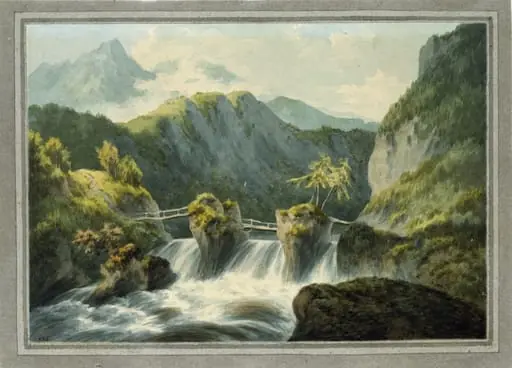
 Waterfall
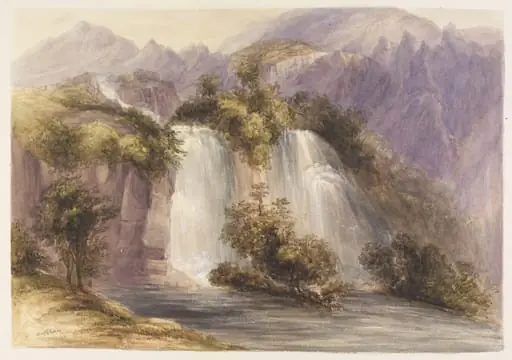 The Beit el-ma Falls, near Antioch
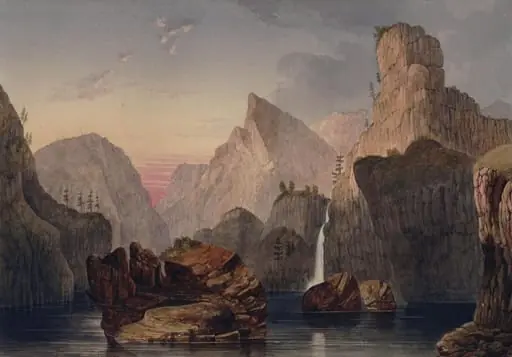 The Black Irkout, Oriental Siberia
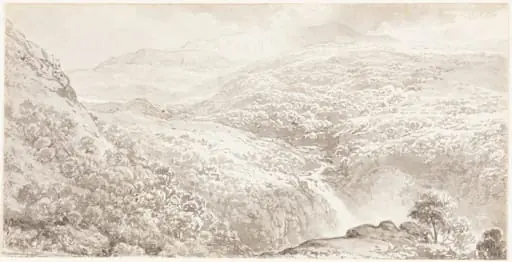 A Mountain Valley with a Waterfall
 A Singular Rock in Dove-Dale named the Pickerell
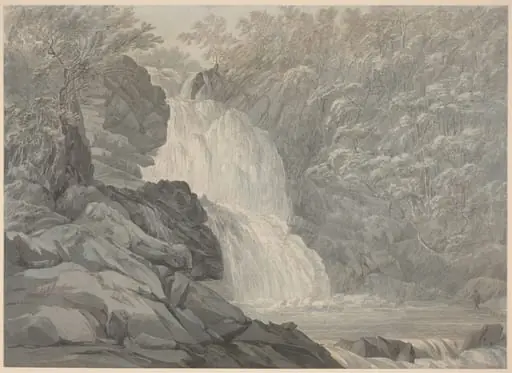 Mawddach Falls near Dolgelly
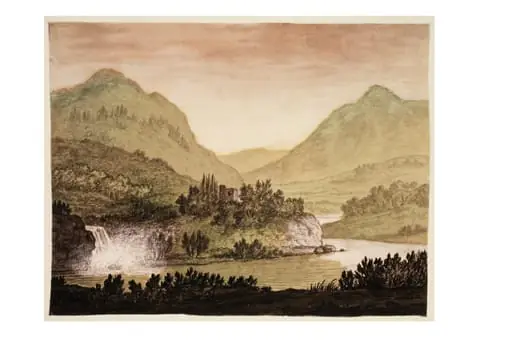 Mountainous Landscape with a Castle and Waterfall
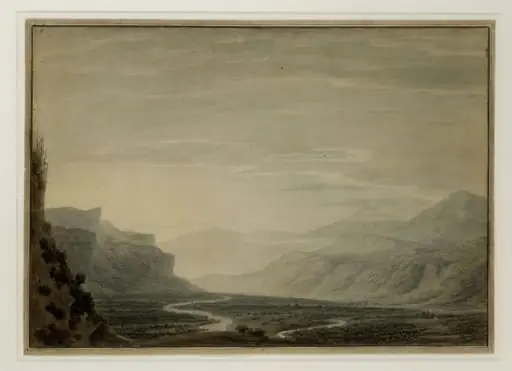 Valley with winding streams, a range of mountains in the background, and a village on the left
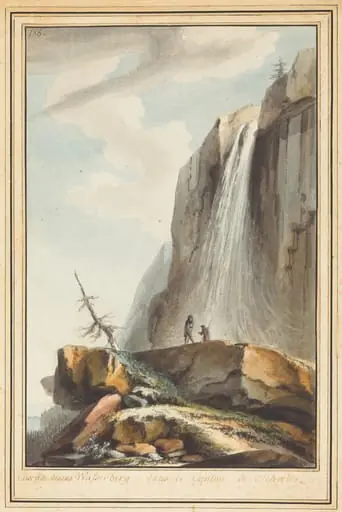 Cascade dessus Wasserberg (Waterfall above Wasserberg)
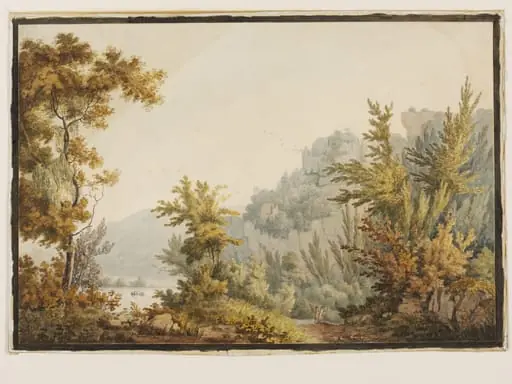 Landscape with Lake and Cliffs
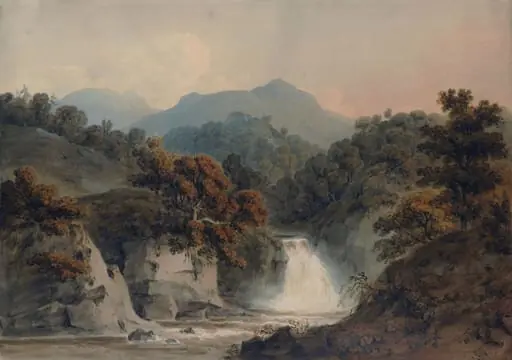 View on the Bran
 At Azizieh, Lydia