Artwork
Beatrice
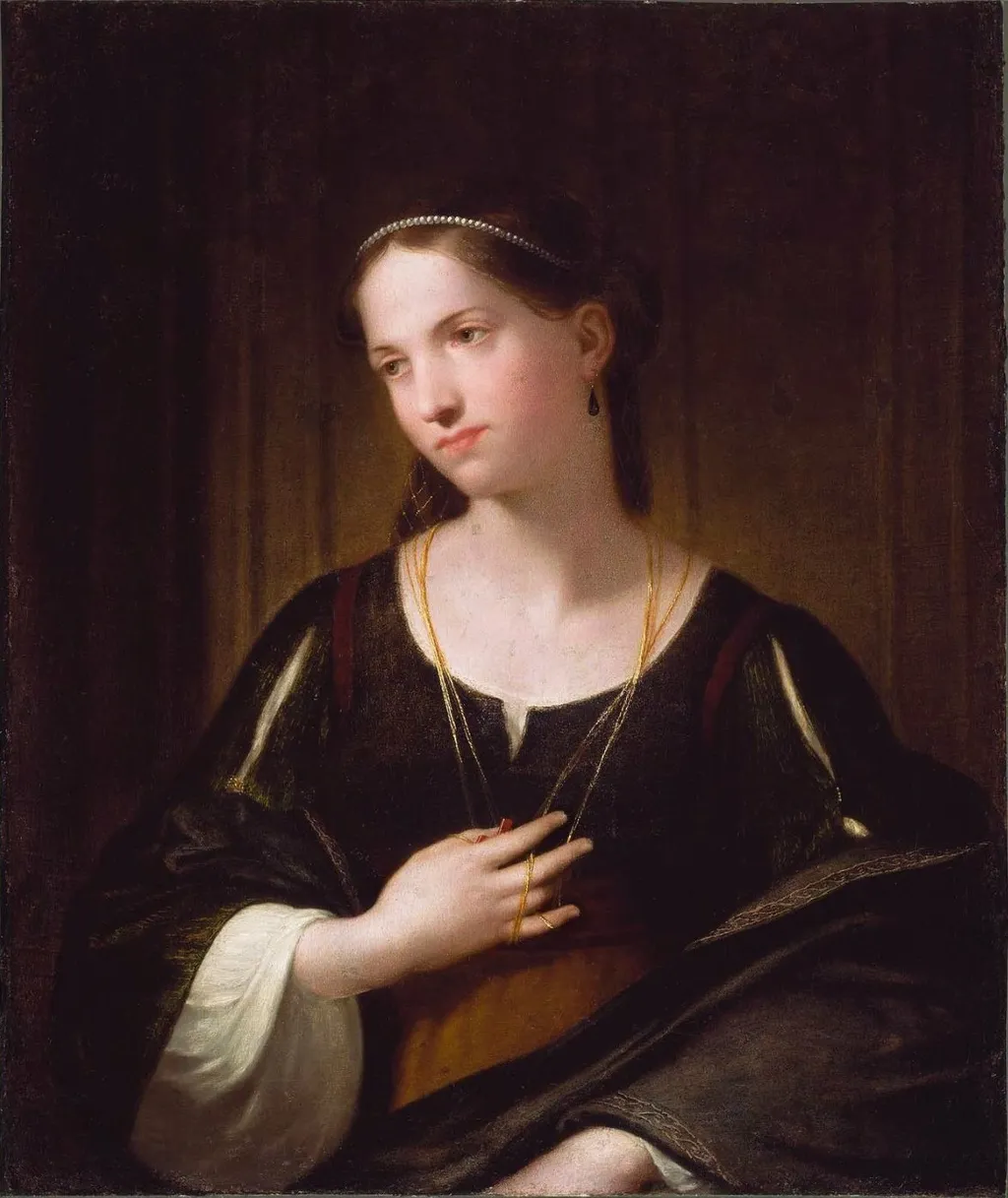
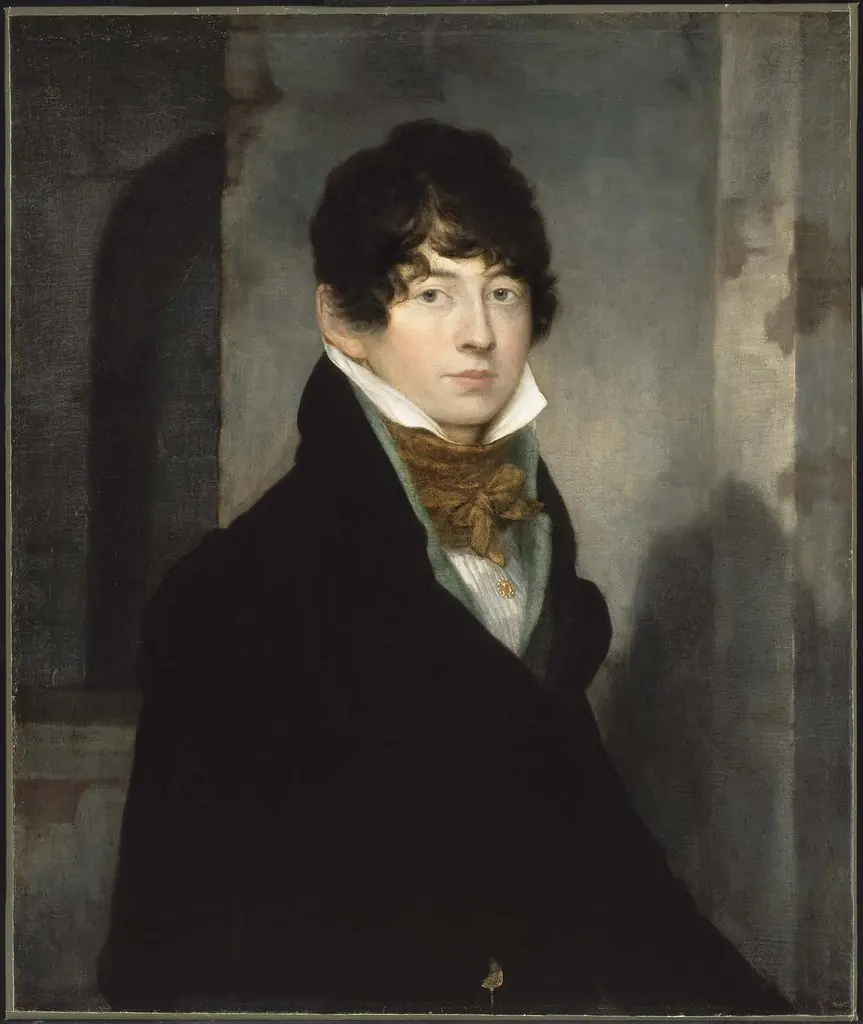
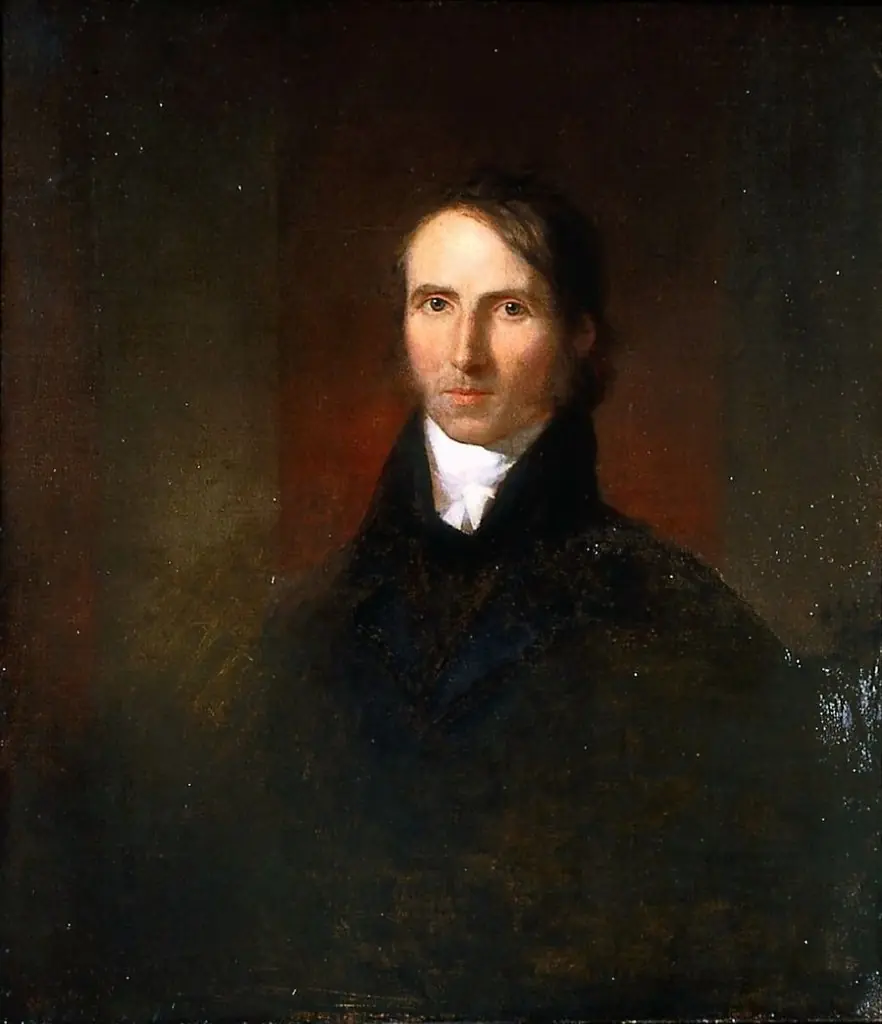
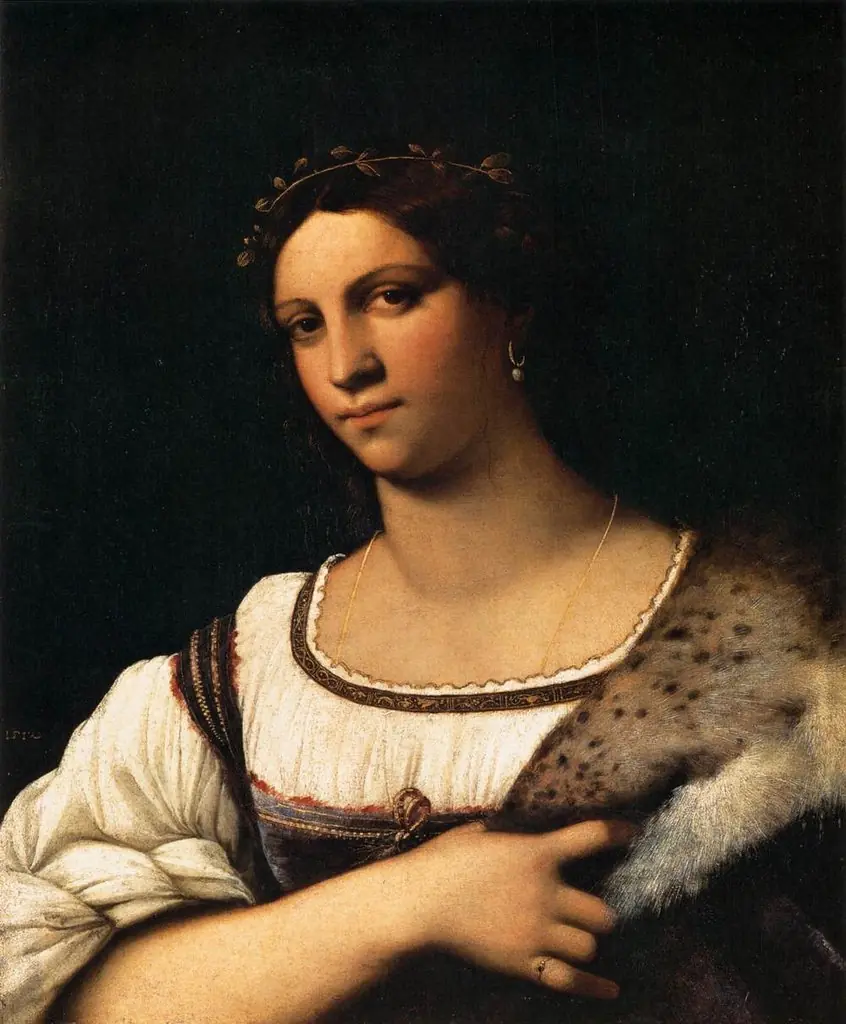
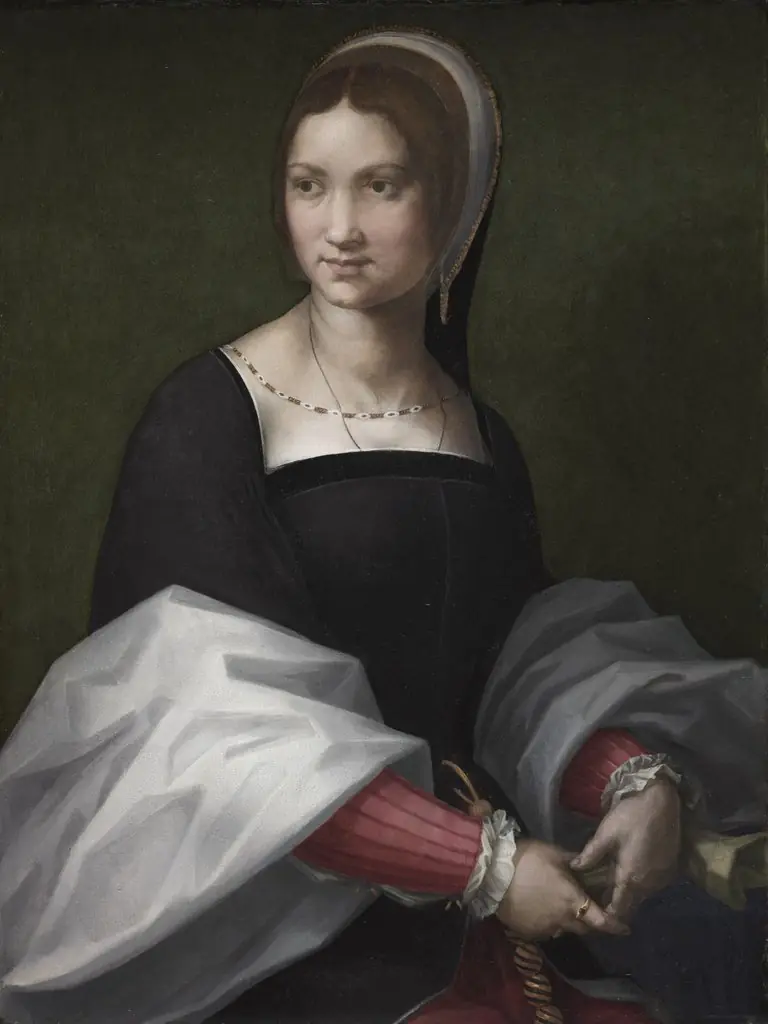
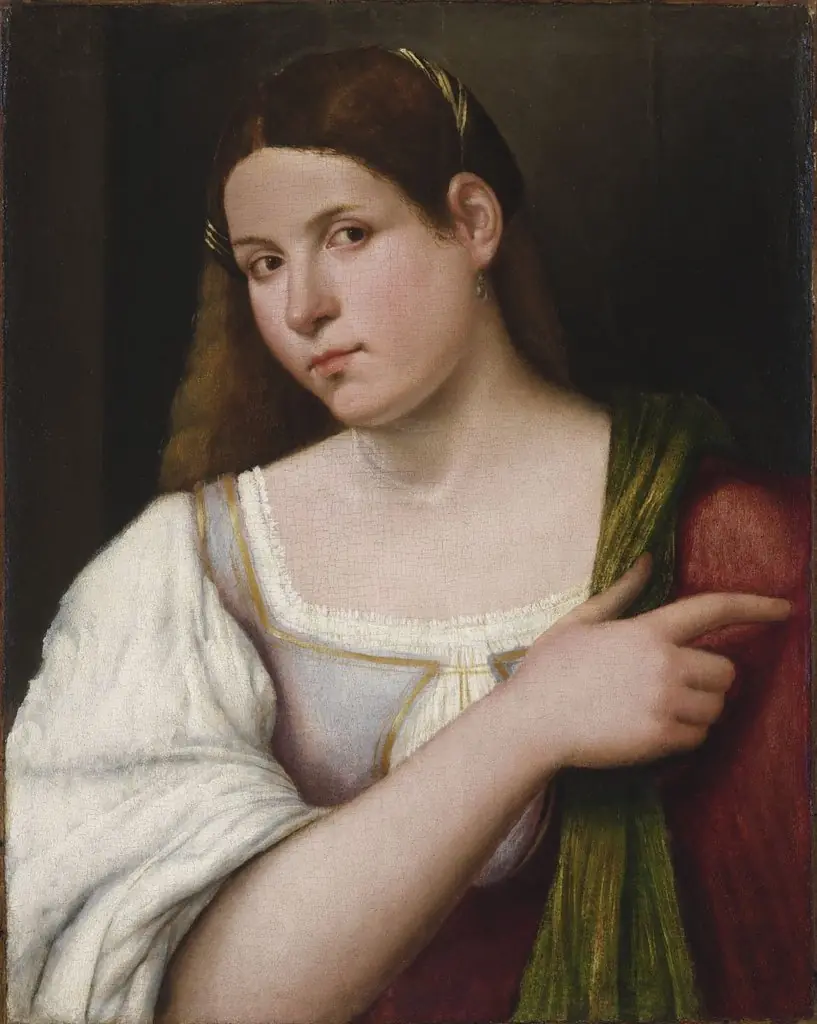
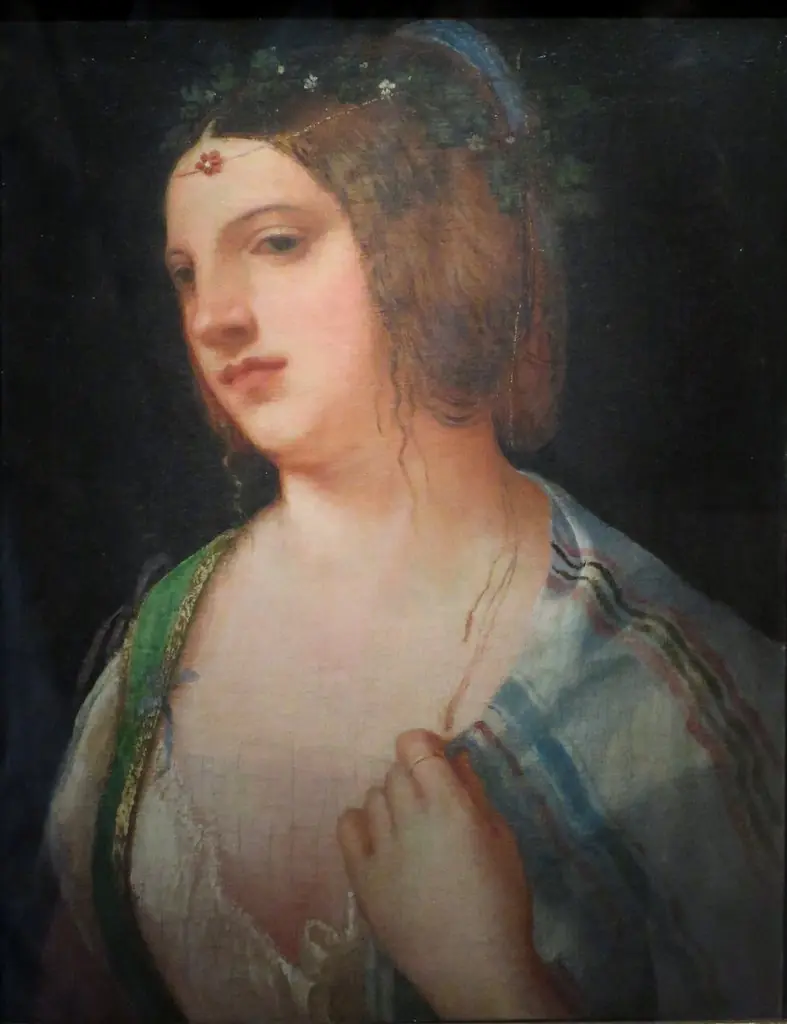
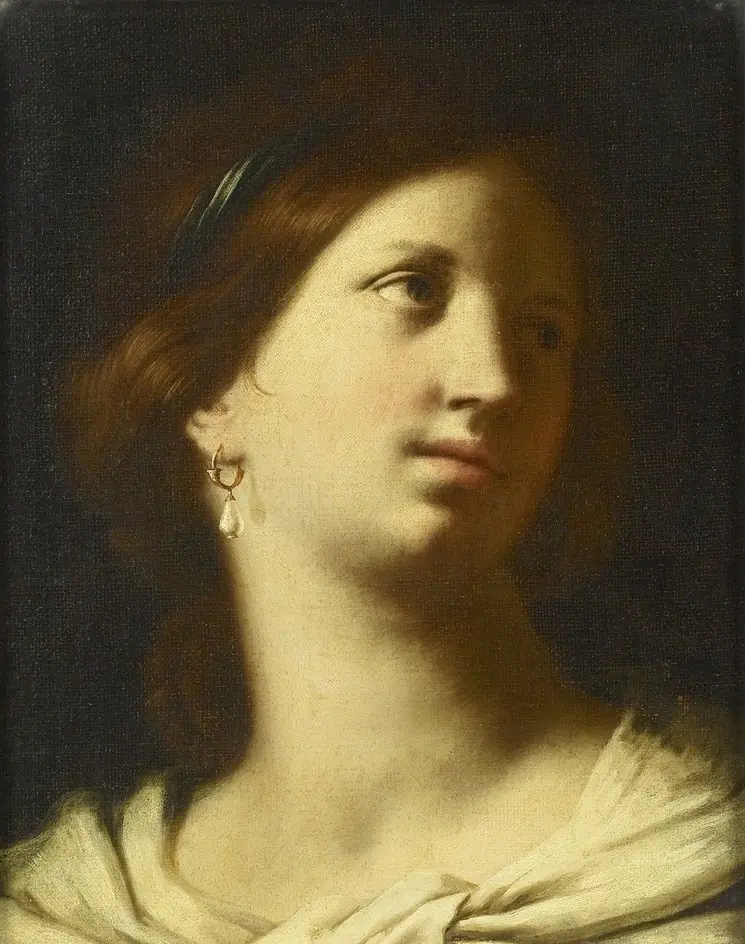
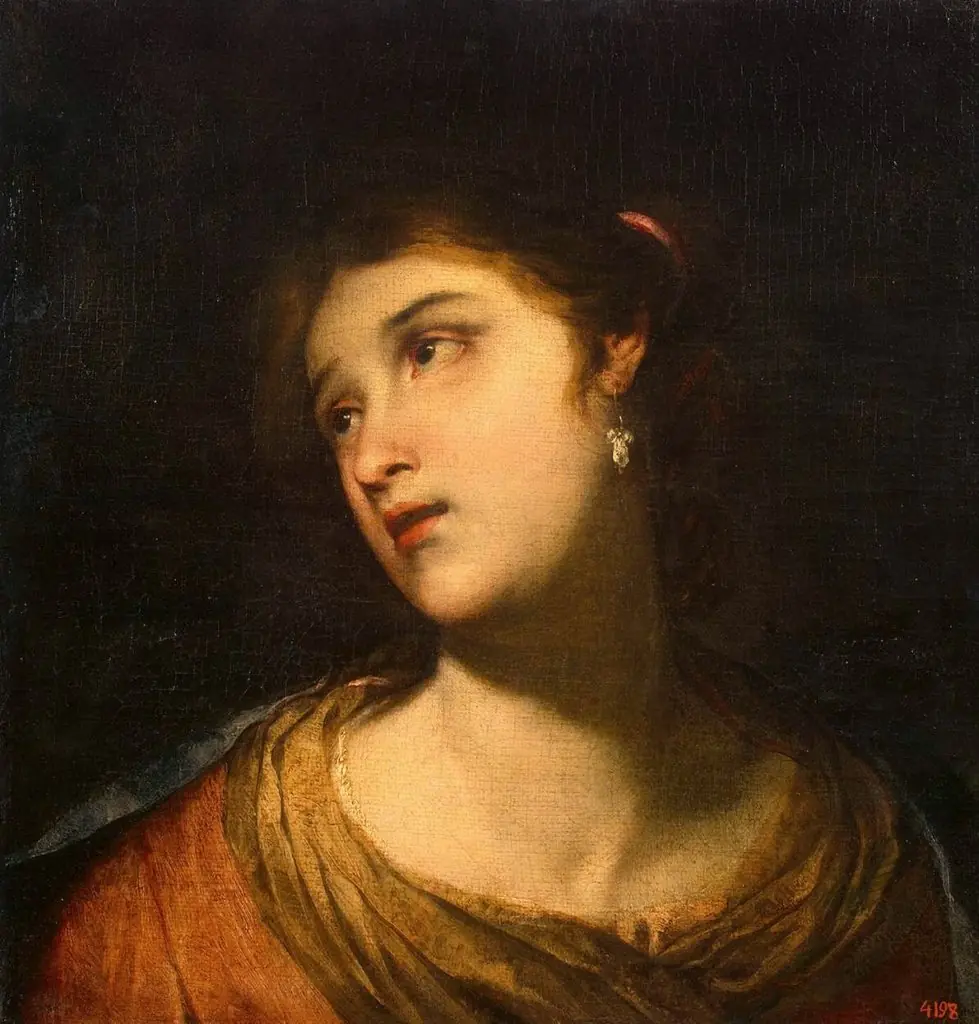
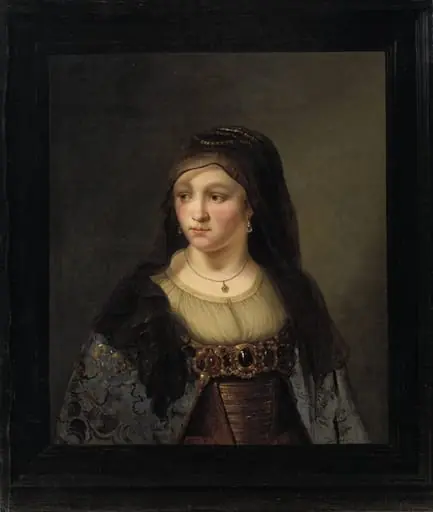
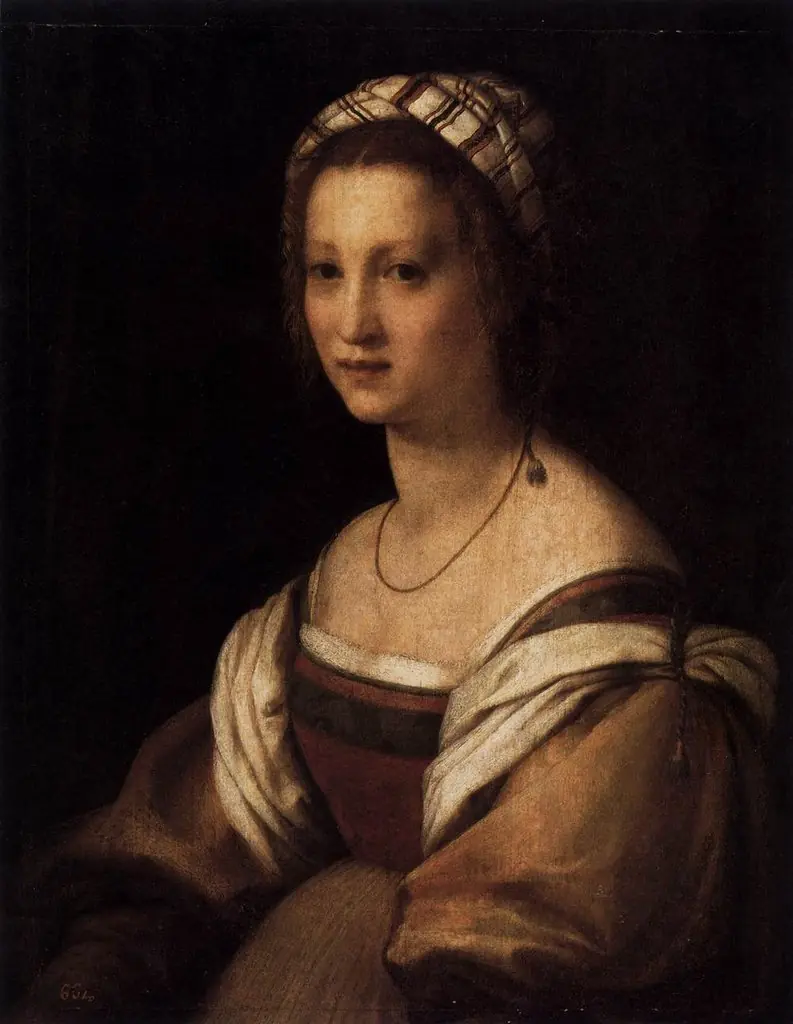
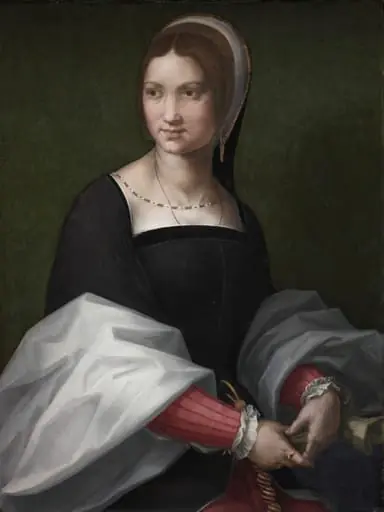
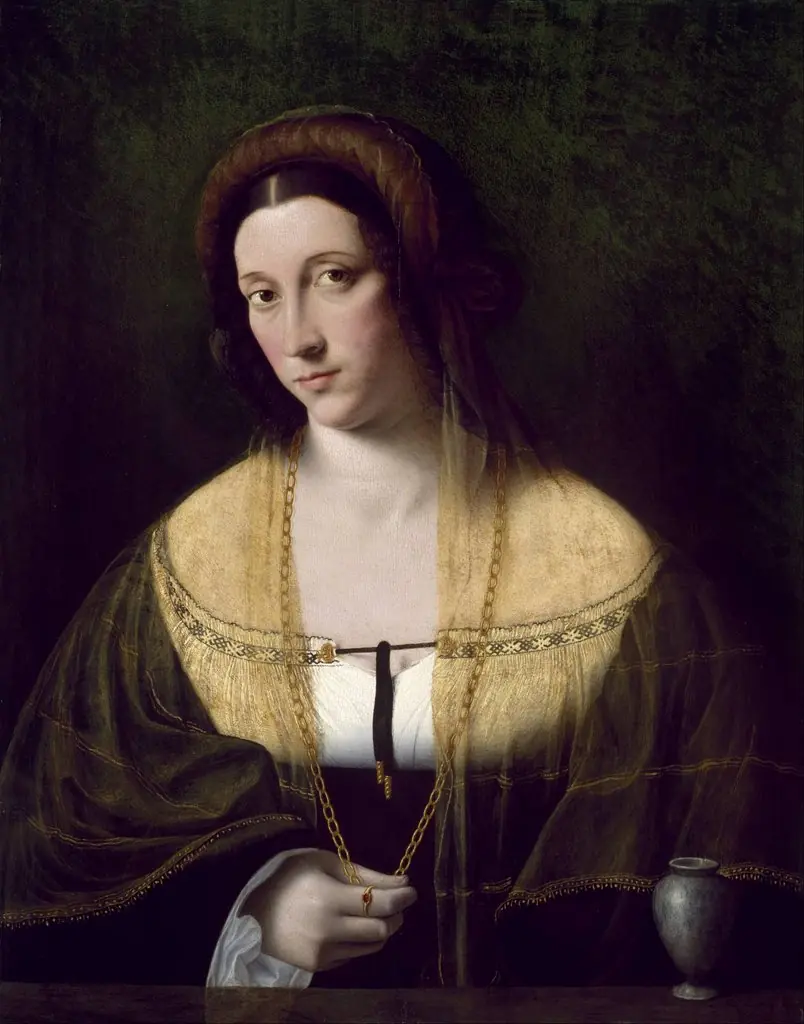
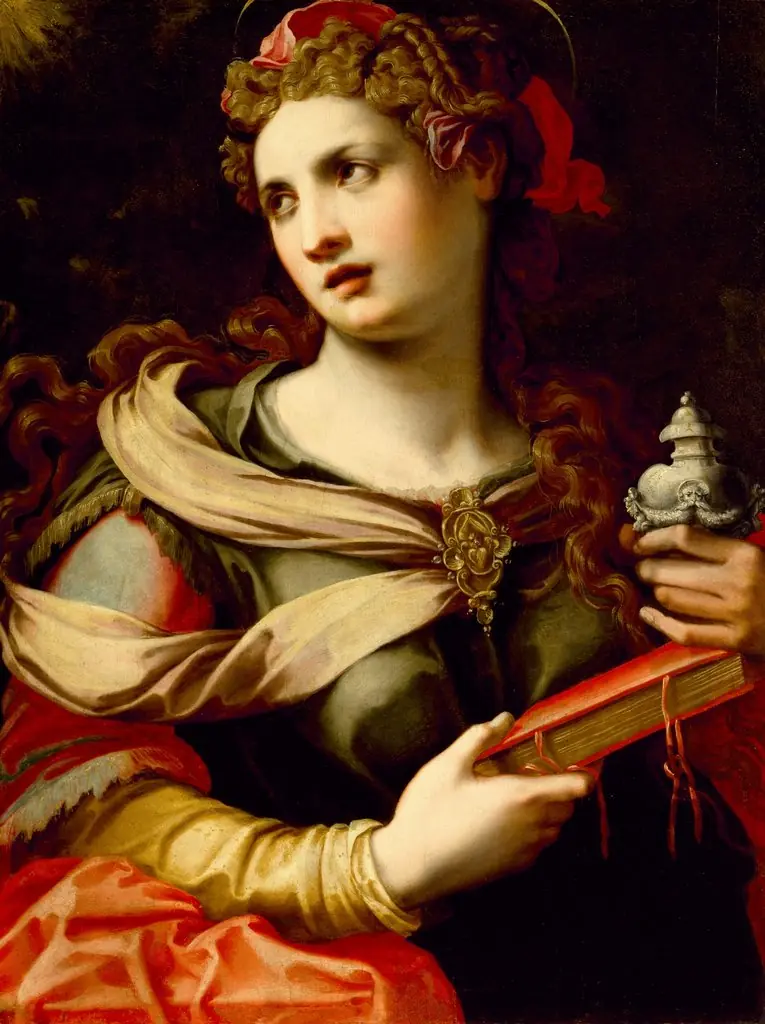
Beatrice is an oil painting by the American Folk Art artist Washington Allston. It dates from 1819 and is held in the collection of the Museum of Fine Arts Boston.
About this work
Overview
Allston, known for blending Romantic sensibility with precise observation, captures a moment of stillness rather than narrative action.
Painted in 1819 by Washington Allston, Beatrice is an oil portrait of a young woman rendered in quiet realism. The work resides in the Museum of Fine Arts, Boston, and exemplifies early 19th-century American portraiture. Allston, known for blending Romantic sensibility with precise observation, captures a moment of stillness rather than narrative action. The composition emphasizes the sitter’s presence through controlled lighting and restrained detail.
Subject & Meaning
The subject, identified as Beatrice, is depicted with calm directness, her gaze meeting the viewer without overt emotion. Her attire—a dark gown with a hint of white underlayer and a delicate bead-adorned headband—suggests modest refinement rather than opulence. The absence of props or setting focuses attention on her demeanor, inviting contemplation of inner character rather than social status. The painting conveys introspection, not identity.
Technique & Style
Allston employed subtle gradations of oil paint to model the sitter’s form against a deep, unbroken background. The contrast between the dark surroundings and the softly lit skin and fabric enhances three-dimensionality. The necklace and beads are rendered with minimal brushwork, suggesting rather than detailing their materiality. The handling of the hair and fabric edges remains loose, avoiding over-finish, aligning with Romantic-era preferences for atmospheric effect over rigid precision.
History & Provenance
The painting entered the Museum of Fine Arts, Boston, in the late 19th century, likely through a private donation or acquisition. Its early history prior to museum ownership is not fully documented, though it was known within Boston’s artistic circles by the 1840s. Allston, a prominent figure in American art, maintained connections with local collectors, which may explain its preservation in the region. No significant alterations or restorations are recorded.
Context
Created during a period when American artists sought to establish a distinct visual language, Beatrice reflects the influence of European portraiture, particularly the subdued tonalities of English painters like Reynolds. Unlike grand historical or allegorical works, this portrait focuses on individual presence, aligning with emerging tastes for intimate, psychologically nuanced depictions. Allston’s work bridged neoclassical discipline and Romantic sensitivity, positioning him as a transitional figure in U.S. art.
Legacy
Beatrice remains a representative example of Allston’s portraiture, illustrating his ability to convey quiet dignity through minimal means. While not widely exhibited outside Boston, it is frequently cited in scholarly discussions of early American painting for its restrained elegance. The work contributes to understanding how American artists adapted European traditions to express personal and cultural identity in the post-Revolutionary era.
Artist & collection

Artist
American, Georgetown, South Carolina 1779–1843 Cambridgeport, Massachusetts

![A Study from Life [and] Study for Angel Releasing Saint Peter from Prison, by Washington Allston](https://artifactworldgallery.com/img/washington-allston--a-study-from-life-and-study-for-angel-releasing-saint-peter--13db111bb86c178e-w320.webp)