Artwork
Untitled
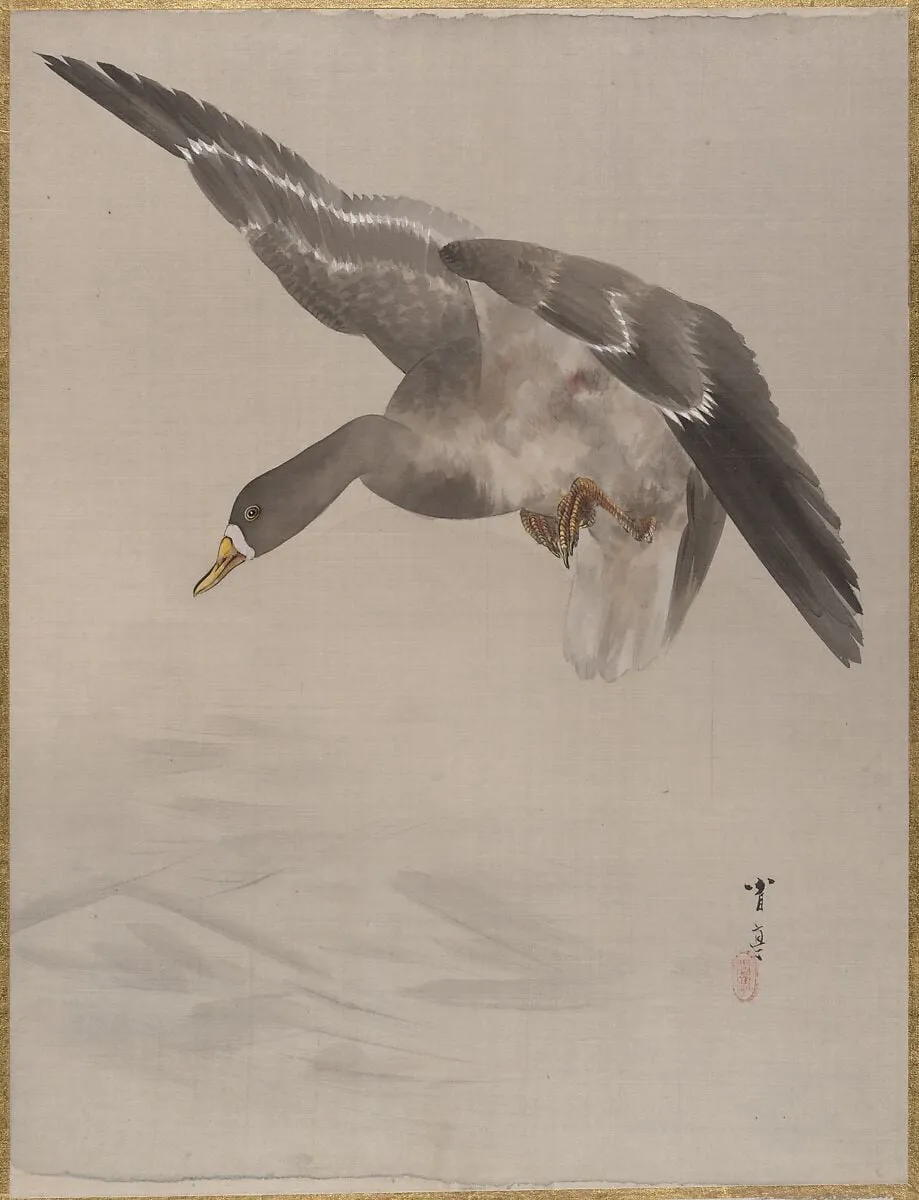
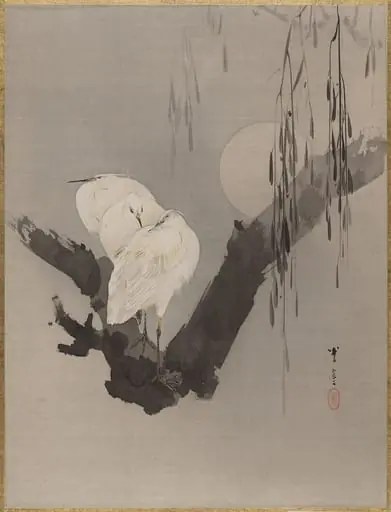
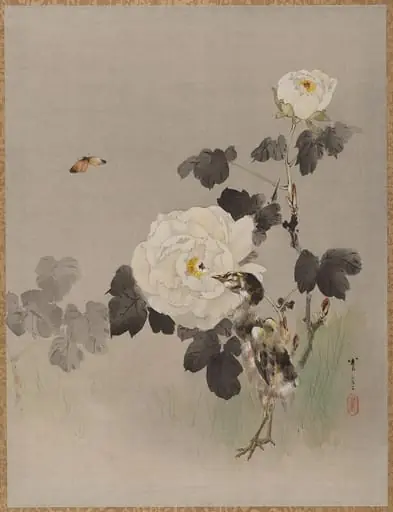
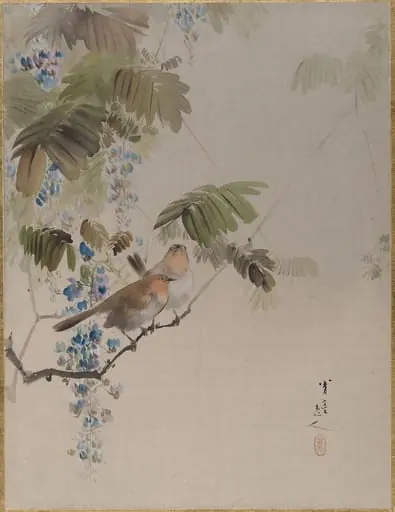
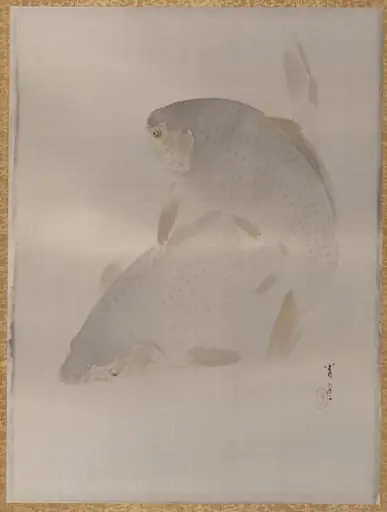
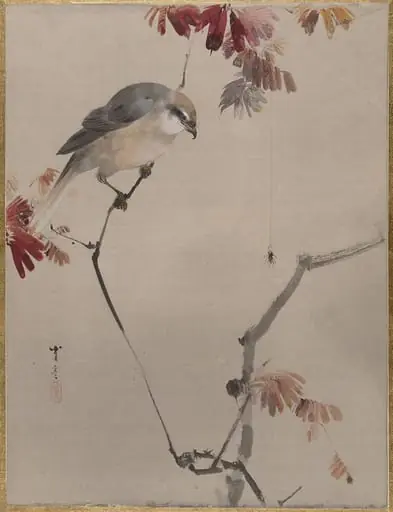
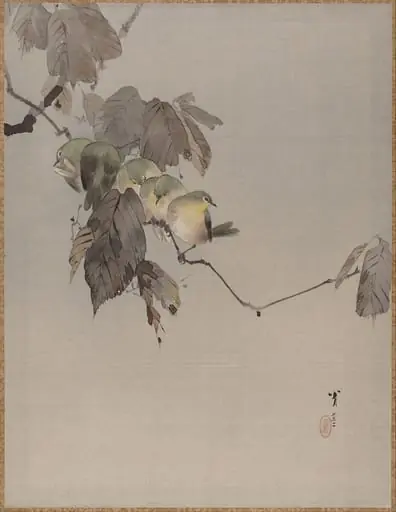
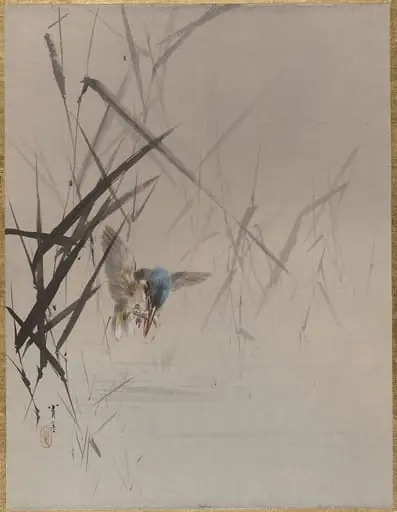
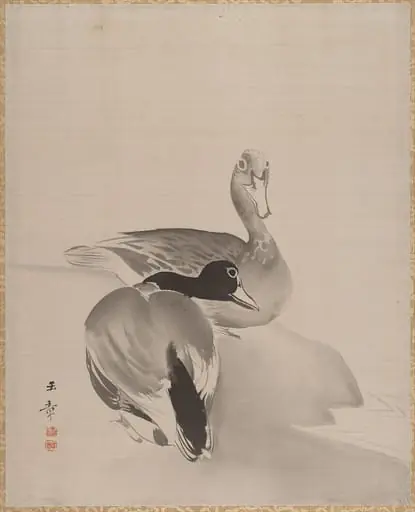
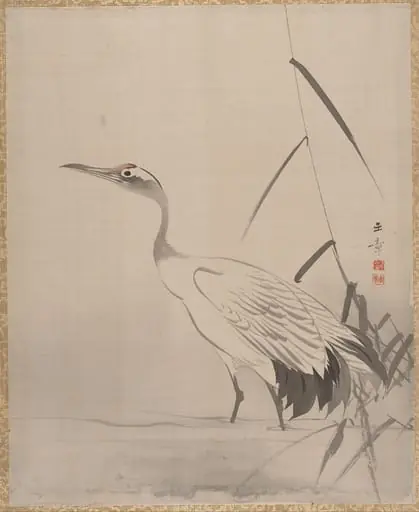
Untitled is an ink painting by the Impressionist artist Watanabe Seitei. It dates from 1887 and is held in the collection of the Metropolitan Museum of Art.
About this work
Overview
The artist employs delicate ink washes for the water, layering pale greens and grays to suggest depth and reflection rather than using flat, uniform tones.
Created in 1887, this album leaf by Watanabe Seitei depicts two ducks resting on a tranquil body of water. The composition features one duck floating with its head tucked in sleep, while the other remains alert, creating a subtle dynamic of rest and vigilance. Executed in ink and color on silk, the work exemplifies Seitei's synthesis of traditional Japanese bird-and-flower painting with Western artistic influences emerging during the Meiji era. The artist employs delicate ink washes for the water, layering pale greens and grays to suggest depth and reflection rather than using flat, uniform tones. This approach reflects the broader movement among Japanese artists of the period to integrate Western realism and atmospheric perspective into established formats. As an album leaf, the work was likely intended for intimate viewing and collection, showcasing the artist's technical mastery in rendering soft textures and naturalistic light. Seitei, a prominent figure in the Nihonga movement who also trained in Western techniques, produced this piece during a pivotal time when Japanese art was actively engaging with global trends, resulting in a harmonious blend of cultural aesthetics.
Subject & Meaning
The work focuses on the everyday presence of ducks, an animal frequently appearing in Japanese visual culture as symbols of seasonal change and natural harmony. By juxtaposing a sleeping duck with an awake counterpart, the piece subtly explores themes of vigilance versus repose within a shared environment.
Technique & Style
Executed with ink and subtle color washes on silk, the painting merges traditional Japanese brushwork with a palette influenced by Western watercolor practices. Layers of pale green, gray, and muted blue create depth in the water, while the silk substrate enhances the translucency of the hues, allowing a soft, luminous effect.
History & Provenance
Watanabe Seitei produced this piece during the Meiji period, a time when Japanese artists increasingly incorporated foreign artistic ideas. The work reflects that cultural exchange, yet remains rooted in native techniques. Its provenance traces back to private collections before entering a museum holding of Meiji-era paintings.
Artist & collection