Artwork
The Lovely Gertrude, Safe from Present Harm
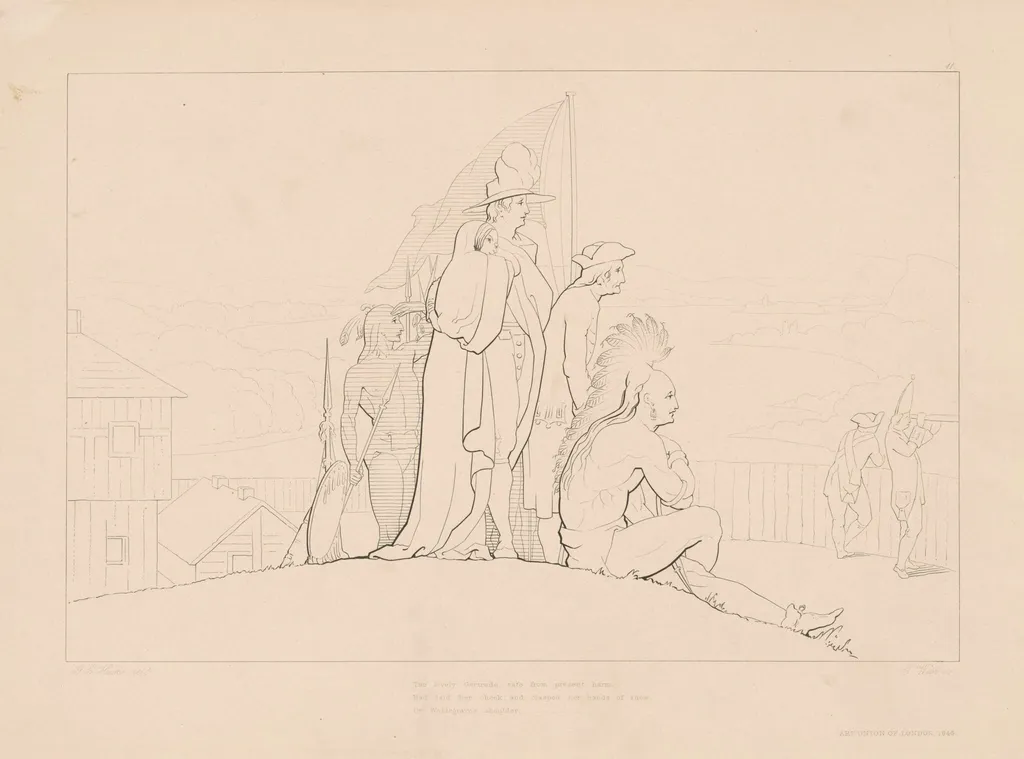
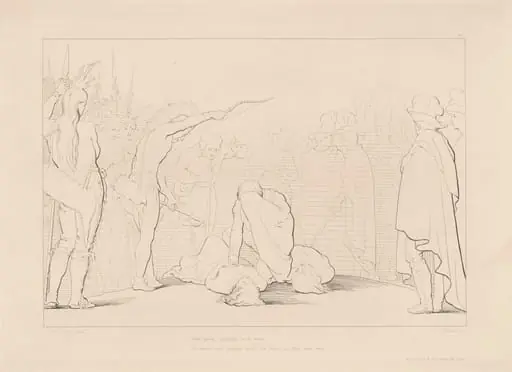
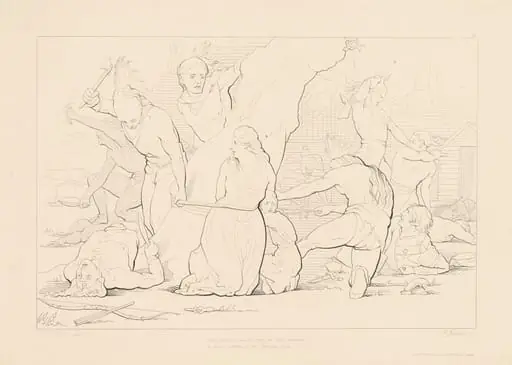
The Lovely Gertrude, Safe from Present Harm is an ink print by the Romanticist artist Edward Webb. It dates from 1846 and is held in the collection of the National Gallery of Art.
About this work
Overview
Edward Webb’s 1846 engraving, titled The Lovely Gertrude, Safe from Present Harm, presents a black‑and‑white scene on wove paper.
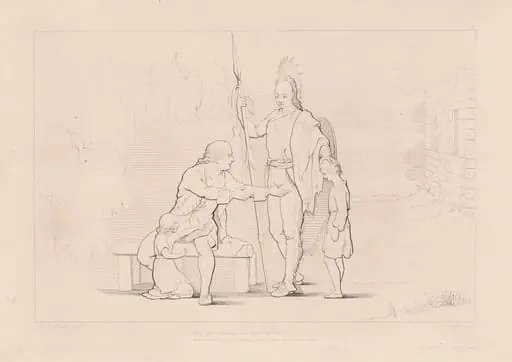
Edward Webb’s 1846 engraving, titled The Lovely Gertrude, Safe from Present Harm, presents a black‑and‑white scene on wove paper. Central to the composition is a woman in a long dress and hat, surrounded by several figures and a modest architectural backdrop that includes a fence and nearby buildings. The work exemplifies the detailed, line‑rich approach typical of mid‑nineteenth‑century British printmaking.
Subject & Meaning
The image depicts a small gathering of people, with the female figure positioned prominently in the centre, suggesting a narrative focus on her safety or protection. A seated man in the foreground and another standing figure looking outward create a sense of observation and perhaps guardianship, reinforcing the title’s implication of shelter from present danger.
Technique & Style
Webb employed fine incised lines to render texture and depth, using cross‑hatching and stippling to model clothing, architecture, and background elements. The engraving’s crisp delineation and balanced composition reflect the Romantic sensibility for expressive detail while maintaining the precision expected of commercial print production in the 1840s.
History & Provenance
Created in 1846, the print was produced during Webb’s active period as a British engraver known for Romantic‑styled works. While specific ownership records are limited, the piece survives in museum and library collections that specialize in 19th‑century British prints, attesting to its continued relevance as an example of the era’s graphic art.
Artist & collection

 Mute, Gazing, Agonizing...
 The Little Nurseling, Take Him to Thy Love
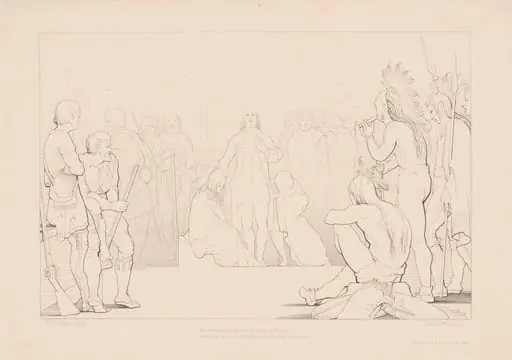 He for His Bleeding Country Prays to Heaven
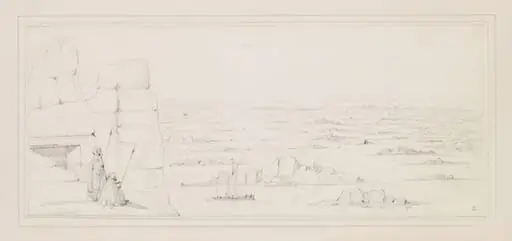 Cataracts of Nubia - Looking North
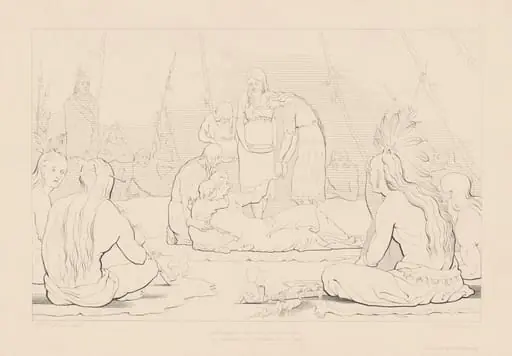 And Take, She Said, This Token Far Away...
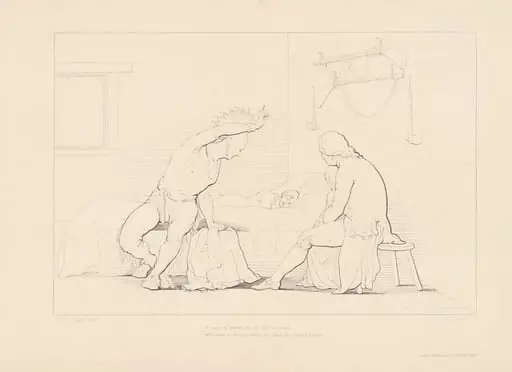 A Song of Parting to the Boy He Sung
 And from the Tree, We With Her Child Unbound
 Sketches on the Coast Survey Plate
 The Sunrise Drew Her Thoughts to Europe