Artwork
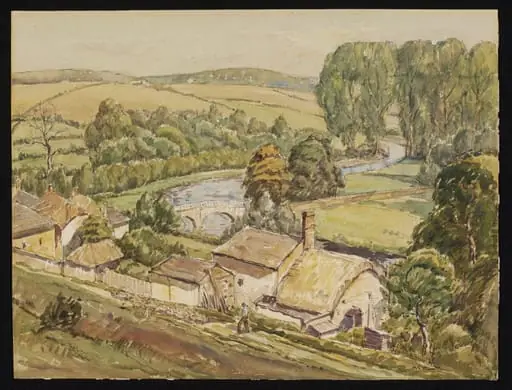
"Scarthin Nick" Cromford
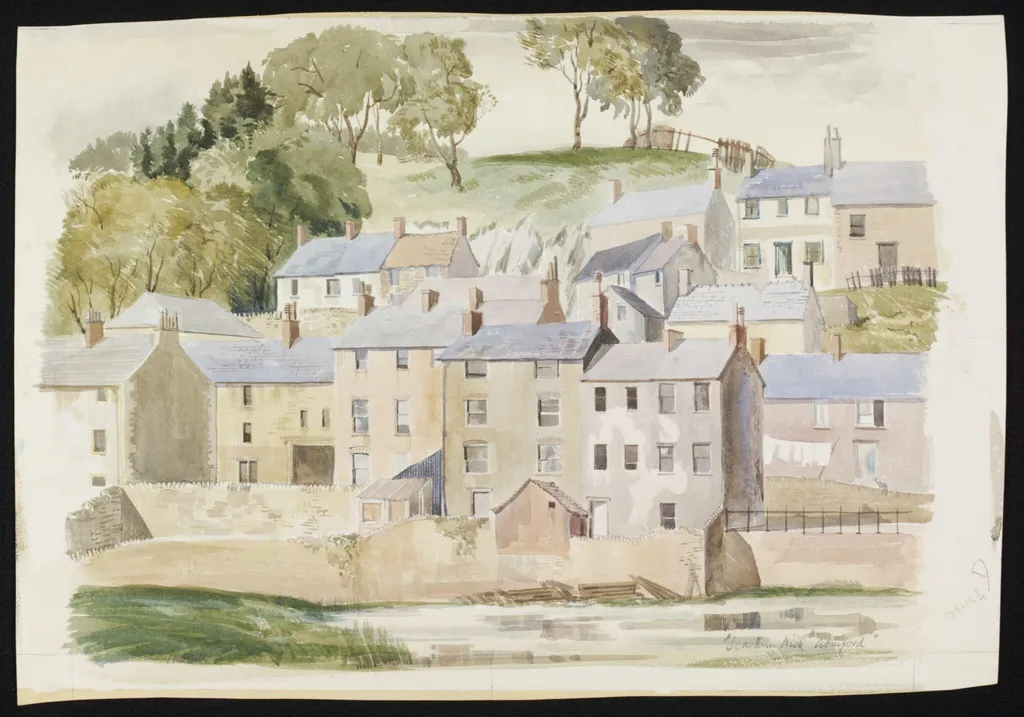
"Scarthin Nick" Cromford is a watercolor work on paper by Webster. It dates from 1943 and is held in the collection of the Victoria and Albert Museum.
About this work
Overview
Created in 1943, 'Scarthin Nick' is a watercolour by artist Webster, part of the 'Recording Britain' project.
Created in 1943, 'Scarthin Nick' is a watercolour by artist Webster, part of the 'Recording Britain' project. This initiative, supported by the Pilgrim Trust and directed by Sir Kenneth Clark, commissioned artists to document rural and vernacular landscapes at risk during wartime. The work contributes to a broader effort to preserve visual records of everyday British environments, capturing scenes deemed vulnerable to change or destruction.
Subject & Meaning
The painting portrays a quiet cluster of vernacular buildings nestled against a wooded hillside. There is no human activity, no dramatic event—only the quiet persistence of domestic architecture and natural topography. This focus on ordinary, unremarkable places reflects the project’s aim to honor the subtle character of the British countryside, valuing its quiet endurance over grandeur or spectacle.
Technique & Style
Webster employs transparent watercolour washes to render the scene with restrained tonality. Stone and brick facades are suggested through soft gradations, while slate roofs and a low stone wall add texture without detail. The delicate handling of light and shadow, combined with muted earth tones, conveys a sense of stillness and intimacy, characteristic of the medium’s capacity for quiet observation.
History & Provenance
The work was produced between 1940 and 1943 as part of the 'Recording Britain' initiative, which commissioned 97 artists to create over 1,500 works. It was acquired by the Victoria and Albert Museum as part of the collection, which was assembled to safeguard a visual archive of threatened landscapes. The painting retains its original title and artist’s signature, confirming its direct participation in the project.
Context
During the Second World War, fears of cultural loss due to bombing, urban development, and rural decline prompted efforts to document Britain’s architectural heritage. 'Recording Britain' emerged as a cultural response, positioning art as a form of preservation. Artists like Webster were encouraged to record places that embodied local identity, not for their beauty alone, but for their historical continuity.
Legacy
The 'Recording Britain' collection remains a vital resource for understanding mid-20th-century British landscapes and the role of art in wartime memory. Webster’s contribution, though modest in scale, exemplifies the project’s ethos: to value the unassuming, the overlooked, and the impermanent. Today, these works serve as quiet testaments to a nation’s sense of place during a time of upheaval.
Artist & collection
Artist
This British artist made quiet watercolours of Derbyshire’s working landscape around Cromford.

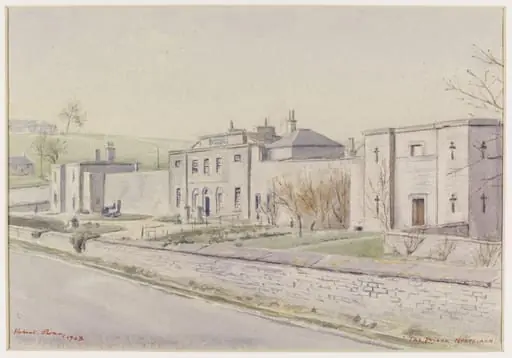 The Old Prison, Northleach
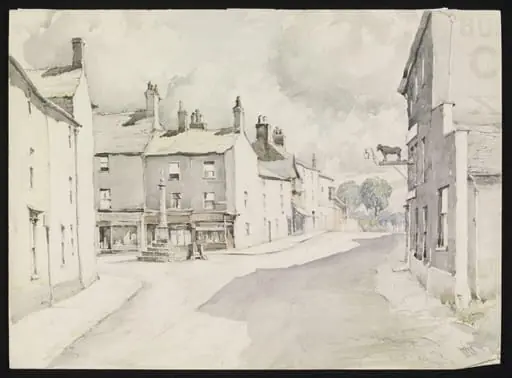 Market Place, Poulton-le-fylde, near Blackpool
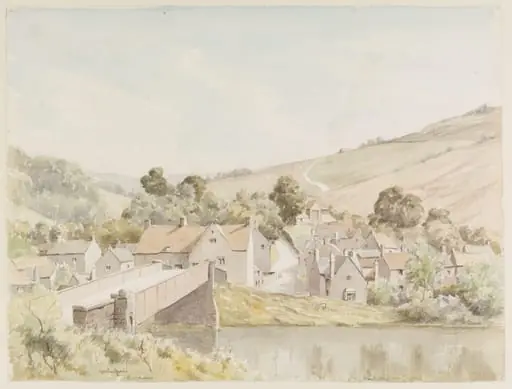 Brockweir, near Tintern, Monmouthshire
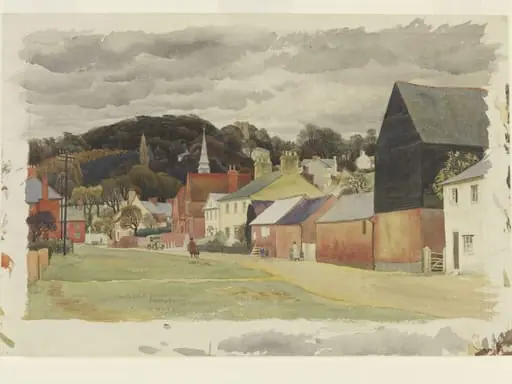 Bow Brickhill, Bletchley, Buckinghamshire
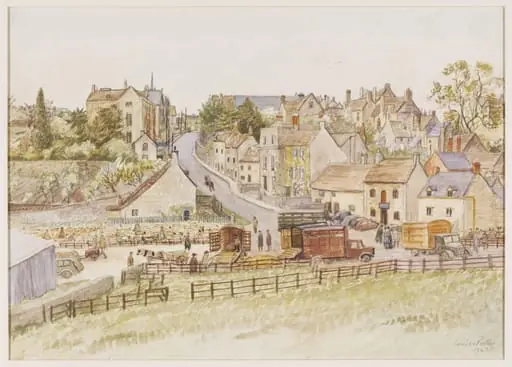 The Market, Tetbury
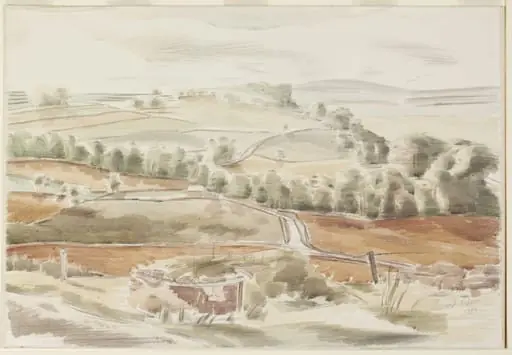 The Porter Valley, No.1
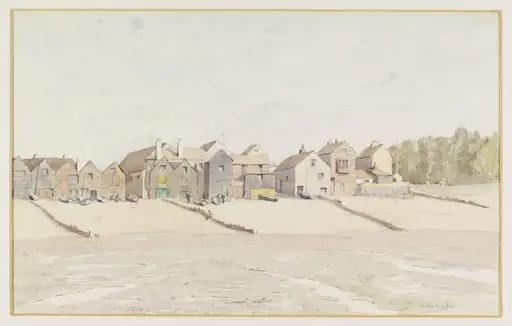 Whitstable, 1934
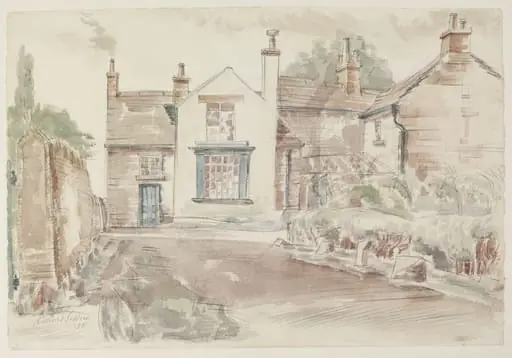 Cottages at Norton, No.1
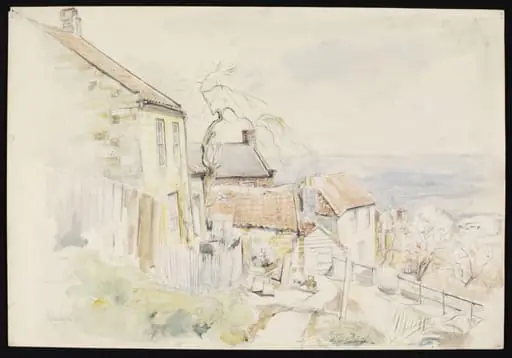 View down the Flags, Runswick Bay
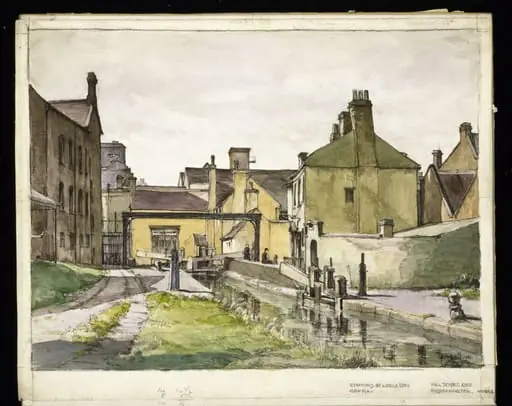 Mill Street Lock, Kidderminster
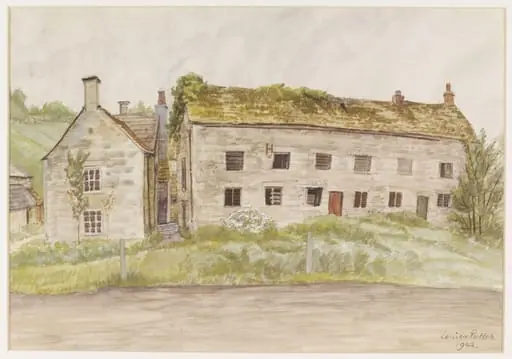 House and Factory at Burleigh near Brimscombe
 Woodford Bridge in the Avon Valley