Artwork
Cintra
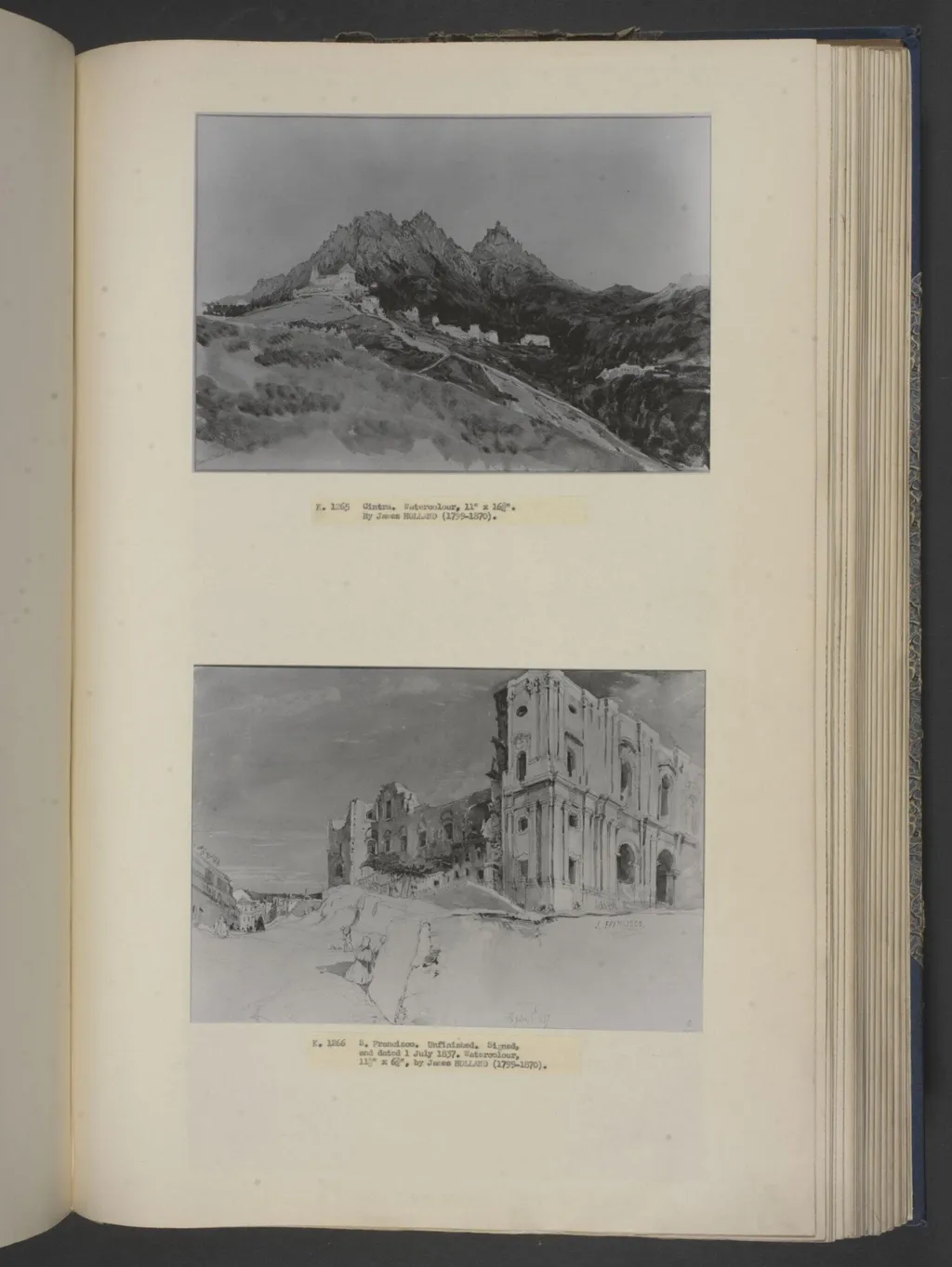
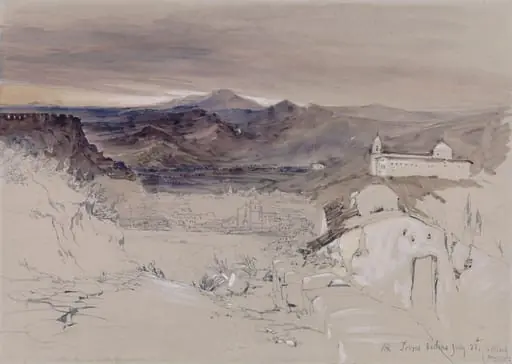
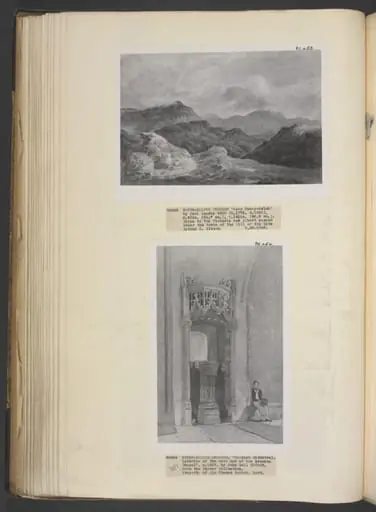
Cintra is a watercolor work on paper by the British Romanticist artist James Holland. It dates from 1837 and is held in the collection of the Victoria and Albert Museum.
About this work
Overview
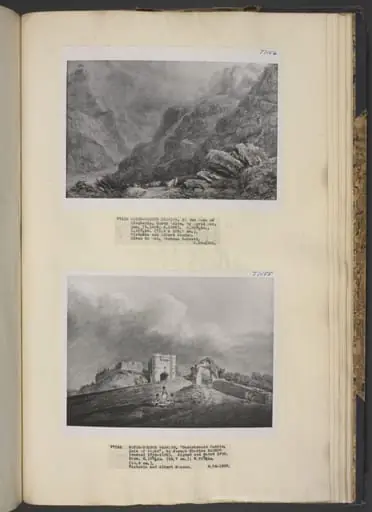
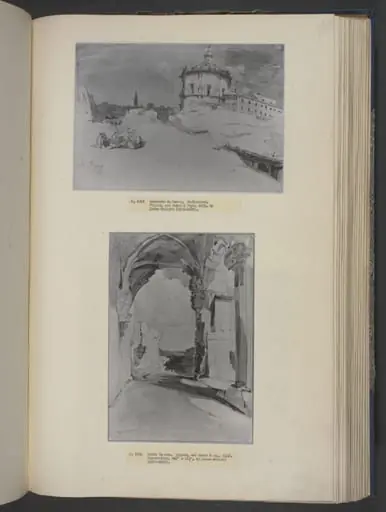
James Holland’s 1837 watercolour presents a dual view of a Portuguese landscape, juxtaposing a fortified hilltop against a dilapidated church nestled in the same rugged terrain. The composition captures the stark contrast between human structures and the surrounding cliffs, emphasizing the weathered character of both architecture and environment.
Subject & Meaning
The work highlights the theme of decay within a dramatic natural setting, reflecting Romantic concerns with the sublime and the passage of time. By portraying a crumbling ecclesiastical building alongside a militaristic fortress, Holland underscores the transience of human endeavors against the enduring, often harsh, landscape.
Technique & Style
Executed in watercolour with delicate pencil underdrawings, the sketch employs muted, earth‑toned washes that convey atmospheric depth. Holland’s soft, layered strokes render the jagged rock faces and the weathered stonework with subtle gradations, allowing the viewer to sense both texture and the fleeting quality of light typical of Romantic plein‑air studies.
History & Provenance
Created on site in Portugal, the piece forms part of Holland’s series of travel sketches produced during his 1830s journeys through the Iberian Peninsula. The watercolour has remained in private collections before entering a museum archive, where it serves as a documentary record of 19th‑century Portuguese architecture and landscape.
Artist & collection
Artist
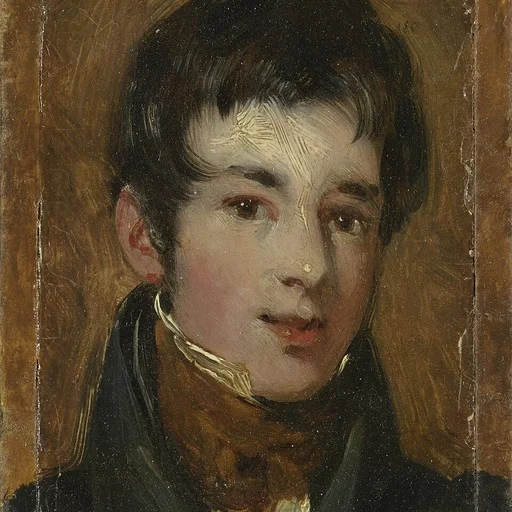
James Holland (18 October 1799 – 12 February 1870) was an English painter of flowers, landscapes, architecture, marine subjects, and a book illustrator.