Artwork
Bethlehem
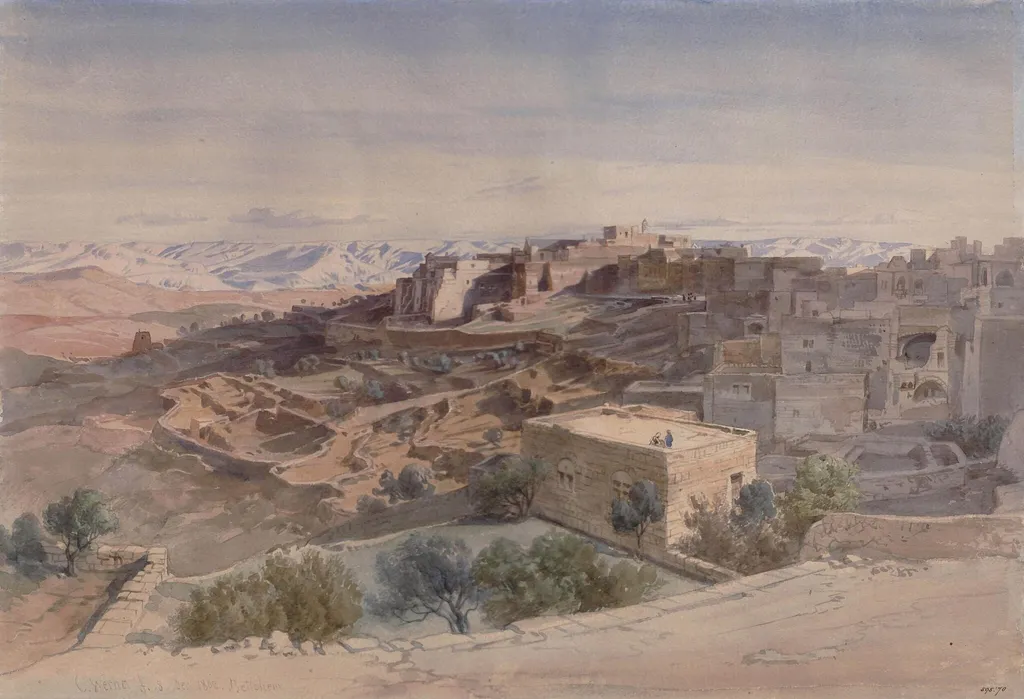
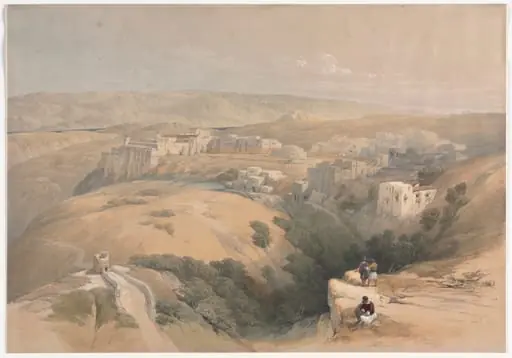
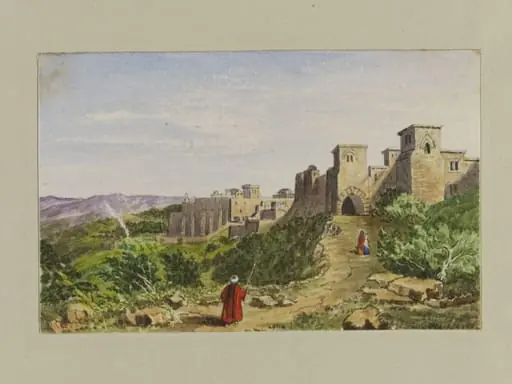
Bethlehem is a watercolor work on paper by the Impressionist artist Werner. It dates from 1862 and is held in the collection of the Victoria and Albert Museum.
About this work
Overview
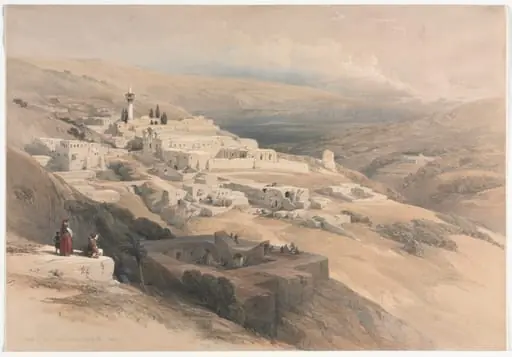
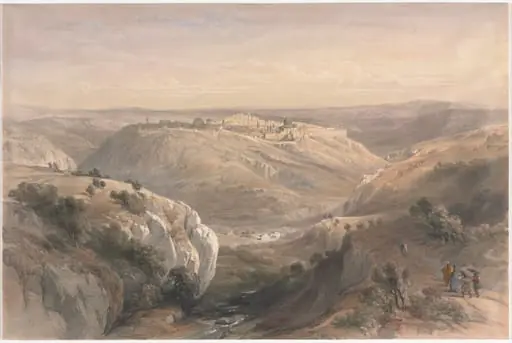
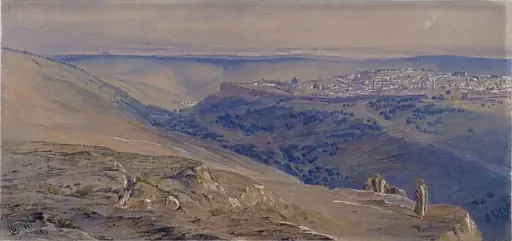
Werner's 1862 watercolour depicts the town of Bethlehem as a quiet, sun-baked settlement nestled into arid hills. Executed in delicate washes, the work captures the town’s weathered stone structures clinging to uneven terrain. Signed and dated by the artist, it reflects a contemplative approach to landscape, prioritizing atmosphere over topographical precision.
Subject & Meaning
The scene portrays Bethlehem not as a site of religious narrative but as a lived-in place, its buildings worn by time and climate. A solitary figure on a rooftop observes the quiet expanse, suggesting solitude or reflection. The absence of overt symbolism shifts focus to the town’s enduring presence, emphasizing human habitation within a harsh, ancient landscape.
Technique & Style
Werner employed soft, layered watercolour washes to model the rocky terrain and architectural forms, allowing subtle transitions between light and shadow. Edges are blurred, details minimized, and textures suggested rather than defined. This restrained method conveys a sense of stillness, aligning with the quiet mood of the scene rather than demanding close inspection.
History & Provenance
Created in 1862, the watercolour entered the collection of the Victoria and Albert Museum, where it remains accessible to the public. Its provenance prior to institutional acquisition is not documented, but its preservation suggests it was valued as a personal or scholarly record of a distant locale during a period of growing European interest in the Levant.
Context
In the mid-nineteenth century, European artists and travelers increasingly documented sites in the Middle East, often with ethnographic or topographical intent. Werner’s work aligns with this trend, yet avoids sensationalism or exoticism. Its subdued tone reflects a quieter, more observational mode of engagement with the region’s landscapes.
Legacy
The painting endures as a modest but thoughtful example of 19th-century watercolour travel studies. It contributes to a body of work that records the physical character of Bethlehem before modern development, offering a visual record shaped by personal perception rather than grand narrative or political agenda.
Own this work as a print
Artist & collection
Artist
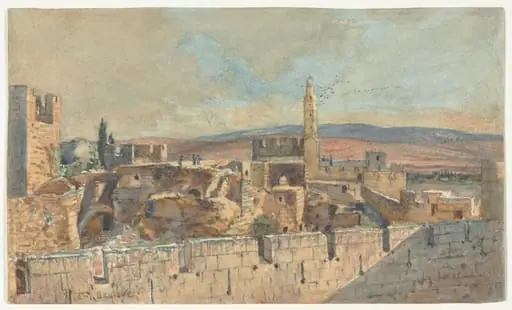
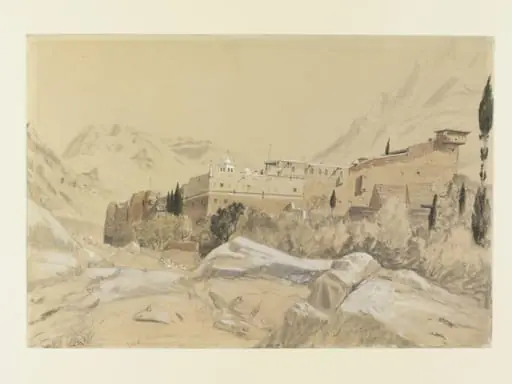
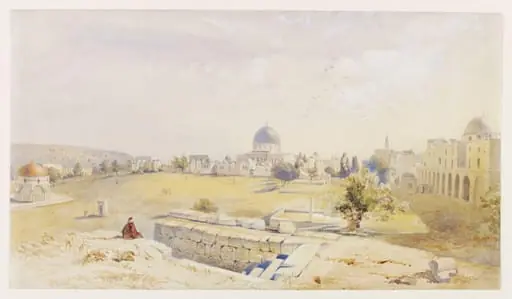
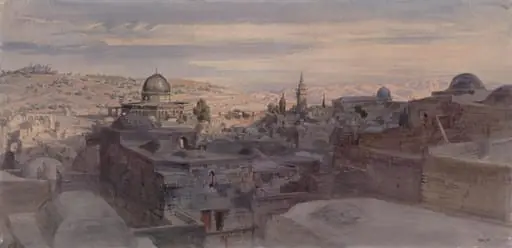
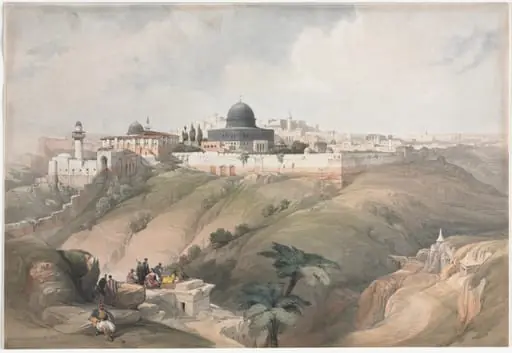
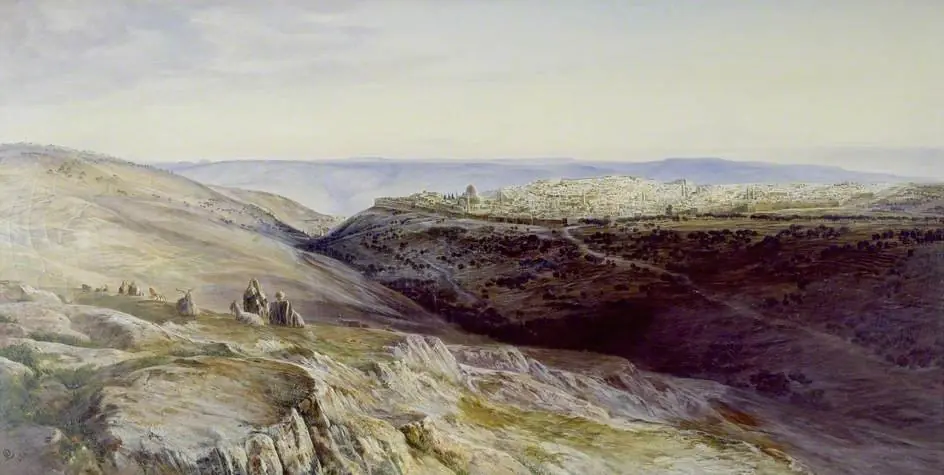
This artist’s watercolours document distant holy cities in quiet detail. Bethlehem (1862) shows low-slung rooftops and olive groves under a cloudy sky, while Jerusalem’s domes rise behind a city wall in a sheet dated…