Artwork
Black Lion Wharf
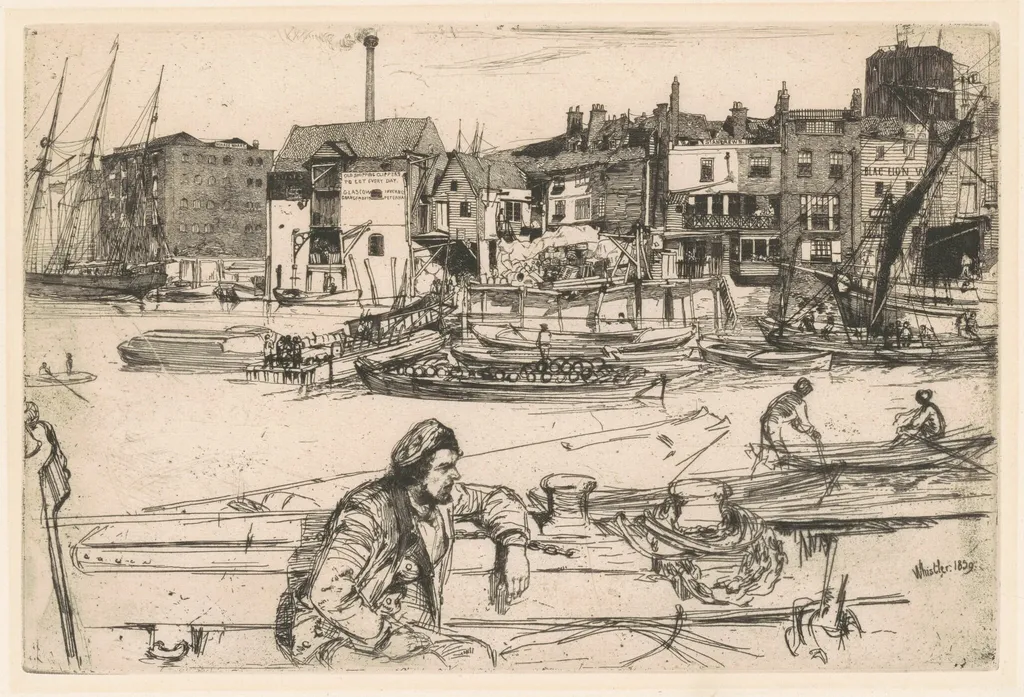
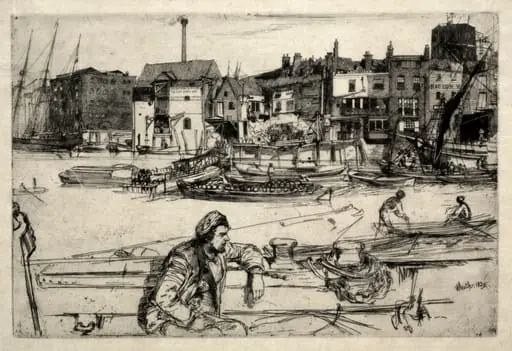
Black Lion Wharf is an ink print by the Impressionist artist James McNeill Whistler. It dates from 1859 and is held in the collection of the National Gallery of Art.
About this work
Overview
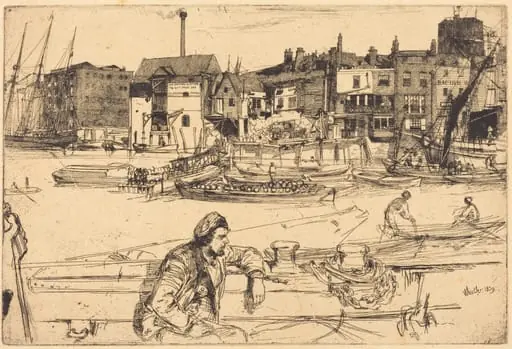
Black Lion Wharf (1859) is an etching by James McNeill Whistler that captures a dynamic riverside scene, juxtaposing human activity with industrial and architectural elements of 19th-century London.
Subject & Meaning
The print focuses on everyday life, depicting a contemplative figure leaning on a railing alongside bustling workers near boats, highlighting the coexistence of leisure and labor in an industrial setting.
Technique & Style
Executed in monochromatic black on laid paper, the etching showcases Whistler's mastery of detailed linework, a hallmark of the etching technique, to achieve a textured, nuanced visual representation.
History & Provenance
Created in 1859, specific provenance details are not provided, but the work aligns with Whistler's early explorations of urban themes and his burgeoning skill with etching.
Context
Black Lion Wharf reflects the mid-19th century's industrial transformation, offering a glimpse into London's working-class life and urban landscape during this period.
Own this work as a print
Artist & collection
Artist
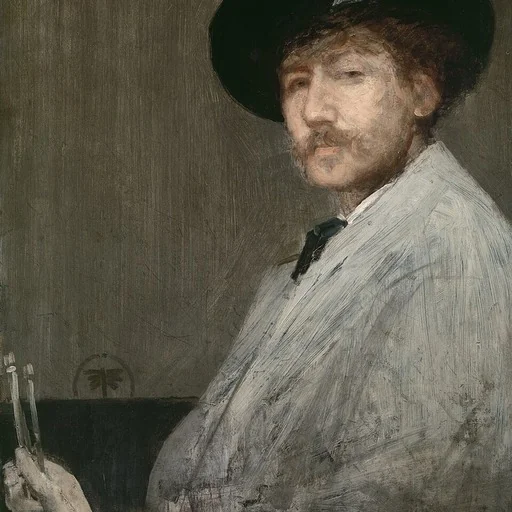
James Abbott McNeill Whistler was an American painter in oils and watercolor, and printmaker, active during the American Gilded Age and based primarily in the United Kingdom.

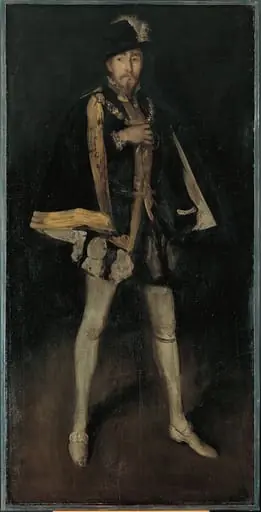 Arrangement in Black, No. 3: Sir Henry Irving as Philip II of Spain
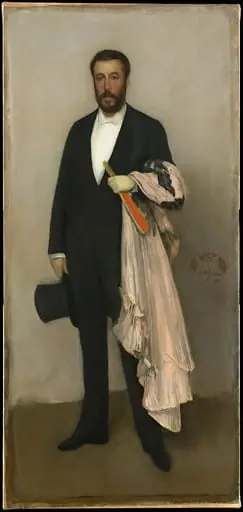 Arrangement in Flesh Colour and Black: Portrait of Theodore Duret
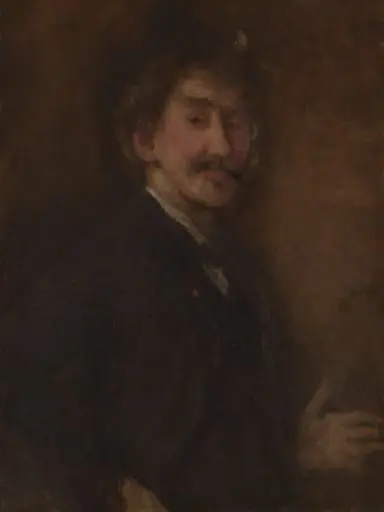 Gold and Brown: Self-Portrait
 Edward Guthrie Kennedy
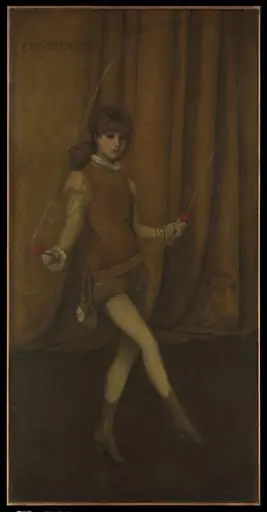 Harmony in Yellow and Gold: The Gold Girl—Connie Gilchrist
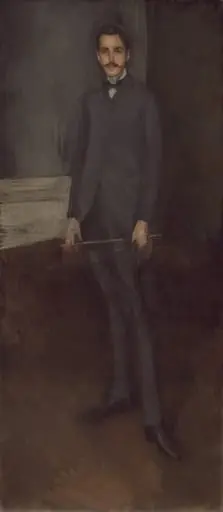 George W. Vanderbilt
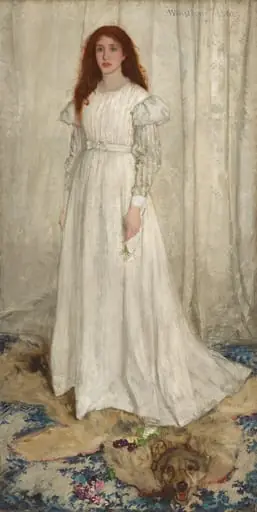 Symphony in White, No. 1: The White Girl
 Henry Irving as Philip II of Spain