Artwork
Limehouse
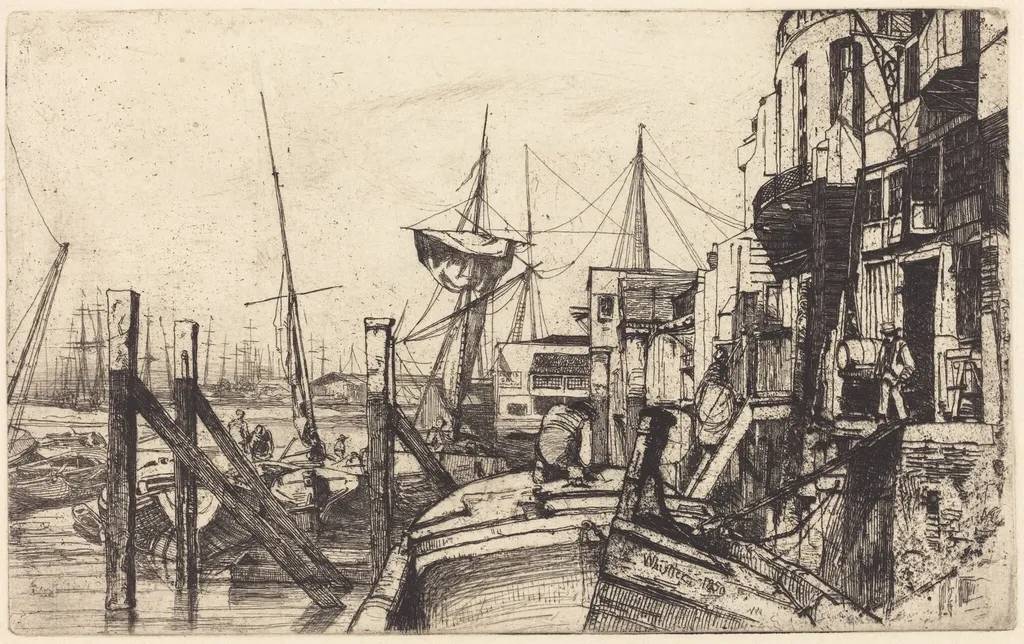
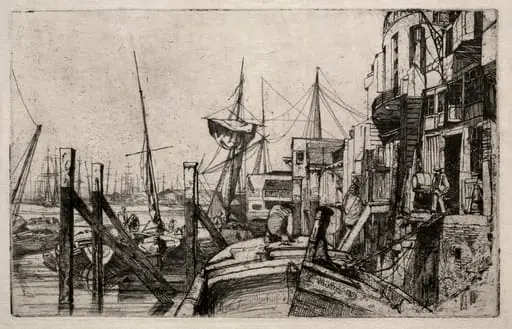
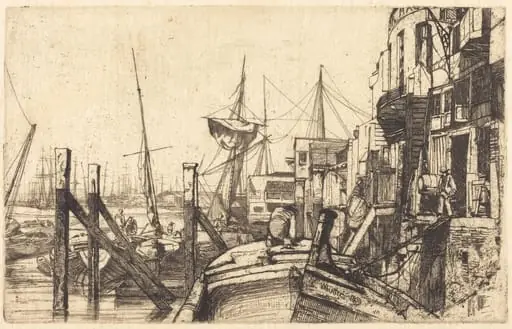
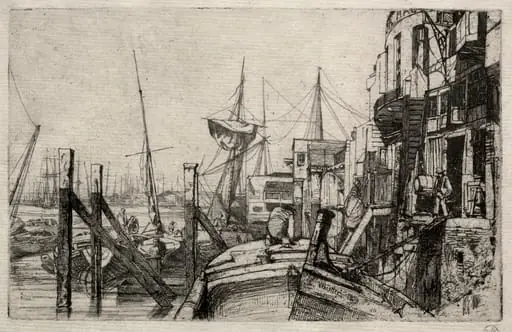
Limehouse is an ink print by the Impressionist artist James McNeill Whistler. It dates from 1859 and is held in the collection of the National Gallery of Art.
About this work
Overview
Created in 1859, Limehouse is an etching combined with drypoint on laid paper by James McNeill Whistler. The print portrays a compact riverside quarter of London’s East End, rendered with a soft, atmospheric quality that emphasizes tonal nuance rather than detailed storytelling.
Subject & Meaning
The image captures a tranquil stretch of street in the Limehouse district, its tightly packed buildings and waterway suggested through minimal lines. The composition conveys a sense of calm and visual balance, reflecting Whistler’s belief that art should prioritize harmonious visual experience over overt narrative or moral messages.
Technique & Style
Whistler employed both etching and drypoint, allowing him to juxtapose fine, delicate tones with sharper, darker lines. The limited palette of black and white, together with the contrast between light and shadow, creates depth while maintaining the simplicity of shape that characterizes his aesthetic approach.
History & Provenance
An American expatriate who spent most of his career in Britain, Whistler produced Limehouse during the height of his printmaking activity in the late nineteenth century. The work bears his distinctive butterfly monogram, a signature that identifies it among his extensive series of atmospheric prints.
Artist & collection
Artist
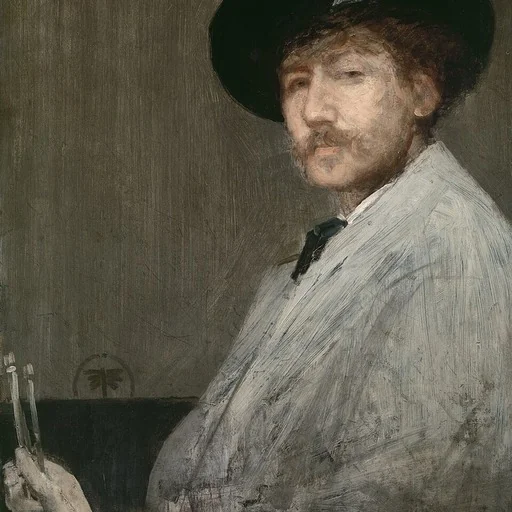
James Abbott McNeill Whistler was an American painter in oils and watercolor, and printmaker, active during the American Gilded Age and based primarily in the United Kingdom.

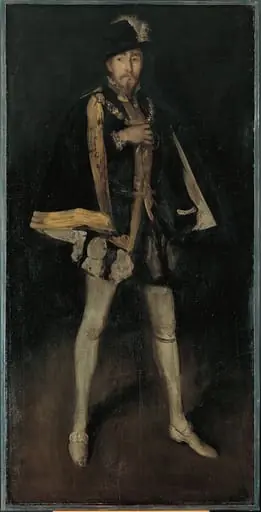 Arrangement in Black, No. 3: Sir Henry Irving as Philip II of Spain
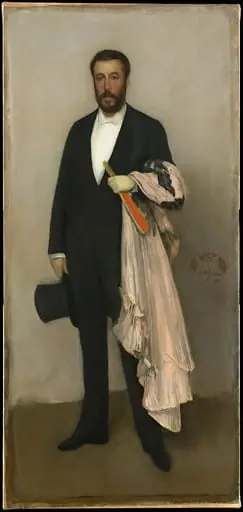 Arrangement in Flesh Colour and Black: Portrait of Theodore Duret
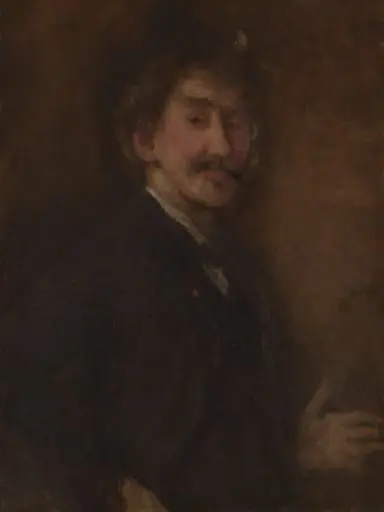 Gold and Brown: Self-Portrait
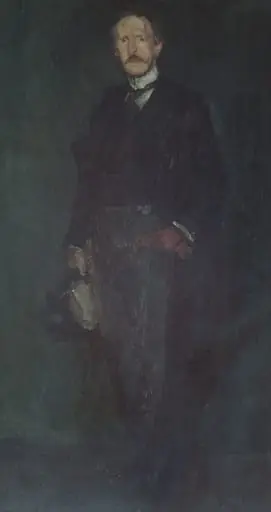 Edward Guthrie Kennedy
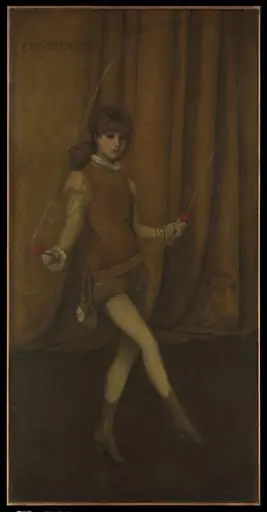 Harmony in Yellow and Gold: The Gold Girl—Connie Gilchrist
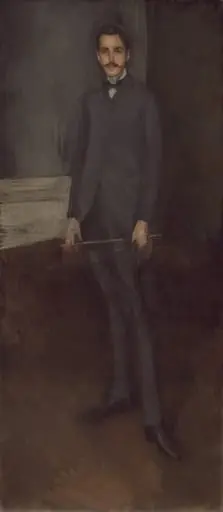 George W. Vanderbilt
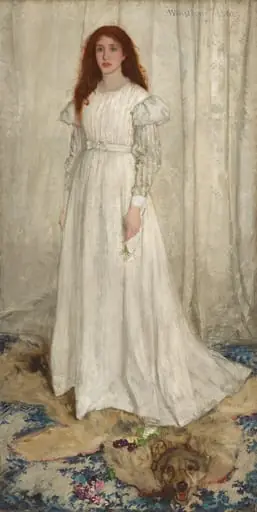 Symphony in White, No. 1: The White Girl
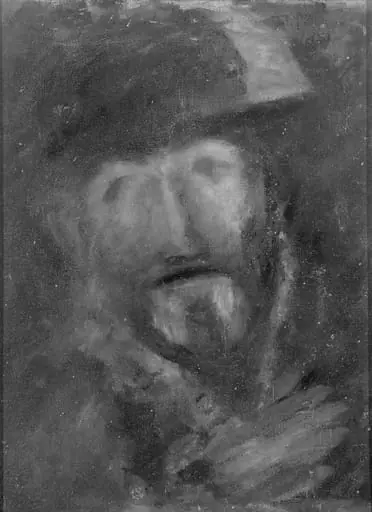 Henry Irving as Philip II of Spain