Artwork
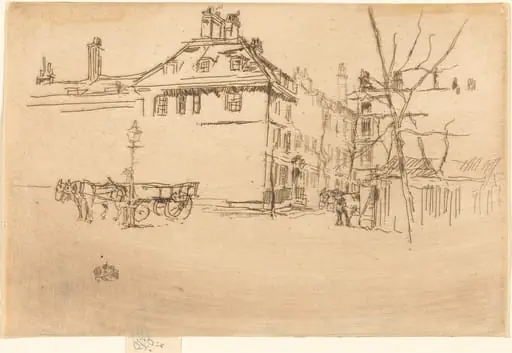
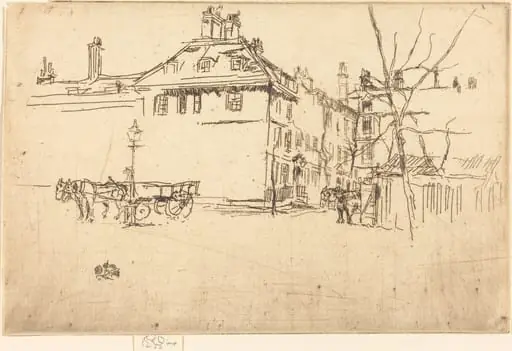
Little Smithfield
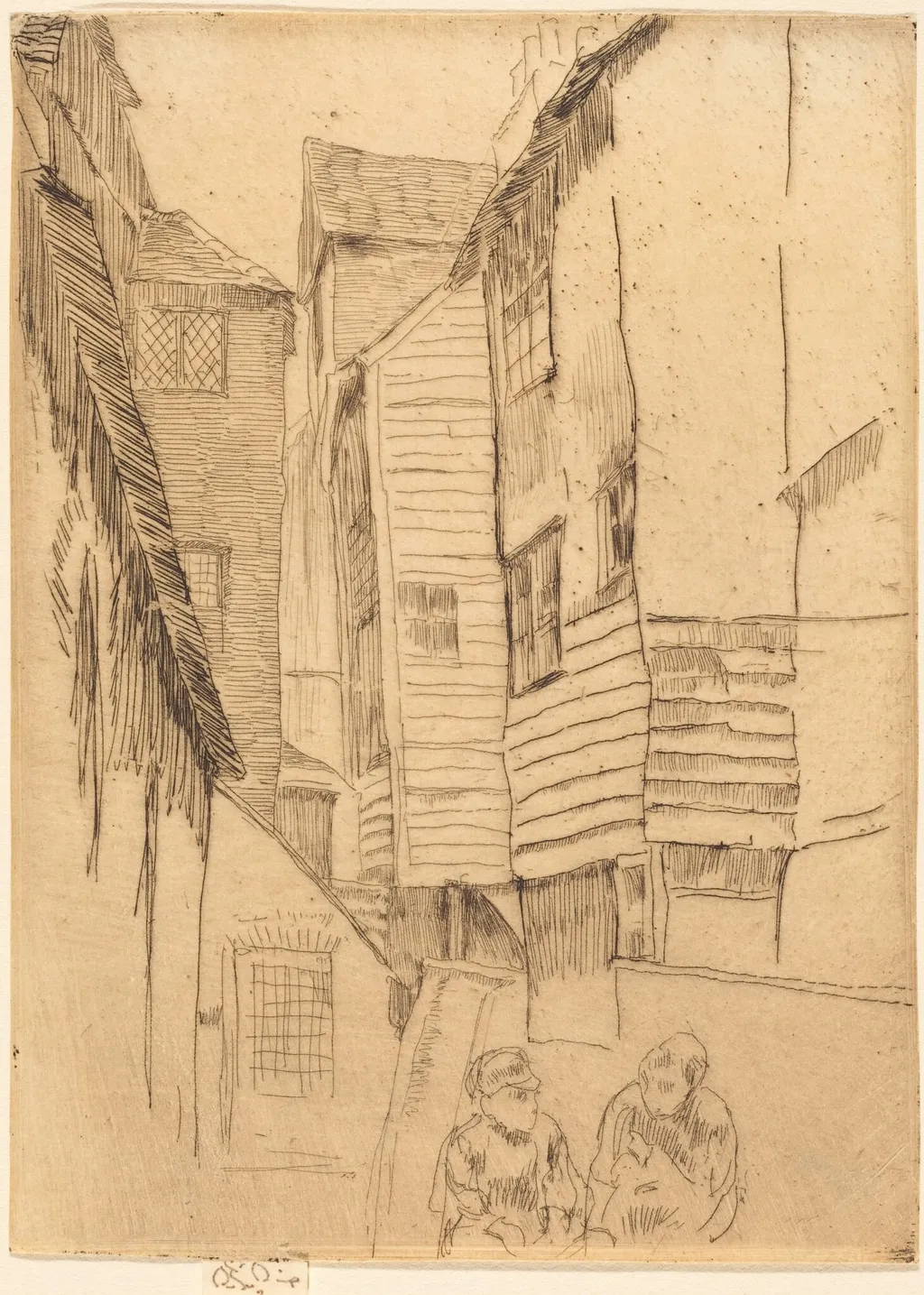
Little Smithfield is an ink print by the Impressionist artist James McNeill Whistler. It dates from 1877 and is held in the collection of the National Gallery of Art.
About this work
Overview
Created circa 1877, *Little Smithfield* is an etching executed on wove paper by James McNeill Whistler. The work belongs to the printmaking phase of the American-born artist who spent the bulk of his professional life in Britain during the late nineteenth century. It exemplifies Whistler’s preference for formal qualities—tone, line, and composition—over overt storytelling or moralizing content.
Subject & Meaning
The image captures a narrow urban lane flanked by irregular, weather‑worn structures. Two diminutive figures sit on the path, while a sloping wooden wall and a leaning branch frame the scene. The composition suggests a fleeting glimpse of everyday life, inviting contemplation of atmosphere rather than a specific narrative.
Technique & Style
Whistler employed a traditional intaglio process in which ink settles within the incised lines of a metal plate, producing a richly textured surface. The drawing is rendered in loose, scratchy strokes that convey light and shadow swiftly, emphasizing tonal variation and the immediacy of a bustling city corner.
History & Provenance
The print emerged during Whistler’s most productive period in London, when he was experimenting with etching as a means of exploring tonal harmony. While specific ownership records are limited, the work has been catalogued among his printed oeuvre and appears in several museum collections that focus on nineteenth‑century British and American art.
Artist & collection
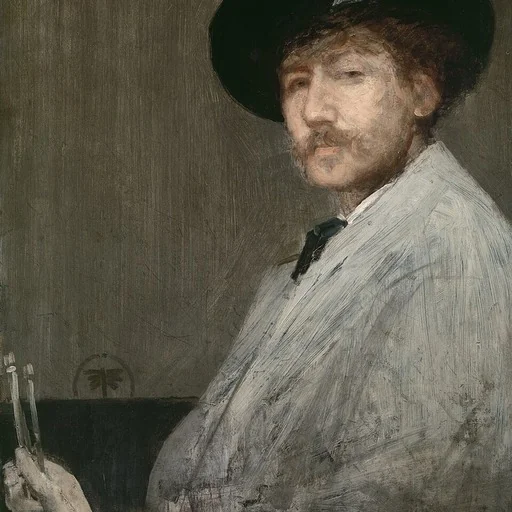
Artist
James Abbott McNeill Whistler was an American painter in oils and watercolor, and printmaker, active during the American Gilded Age and based primarily in the United Kingdom.

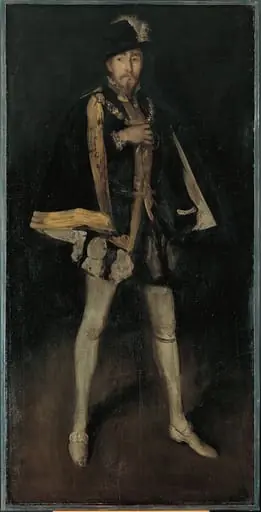 Arrangement in Black, No. 3: Sir Henry Irving as Philip II of Spain
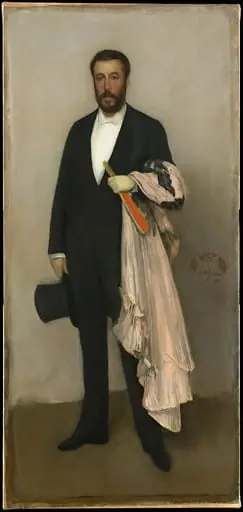 Arrangement in Flesh Colour and Black: Portrait of Theodore Duret
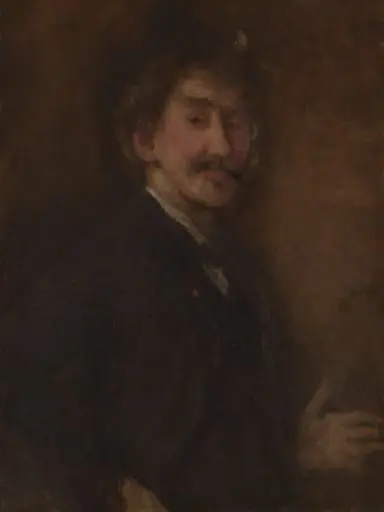 Gold and Brown: Self-Portrait
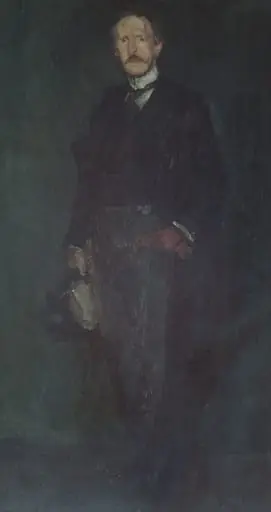 Edward Guthrie Kennedy
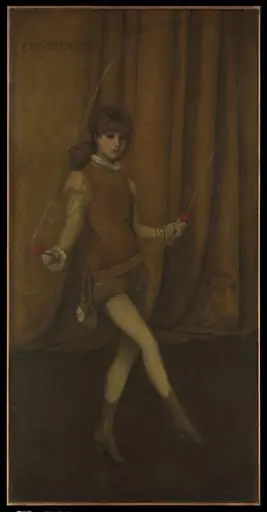 Harmony in Yellow and Gold: The Gold Girl—Connie Gilchrist
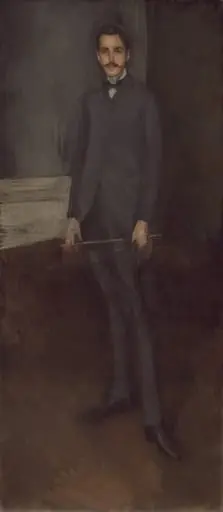 George W. Vanderbilt
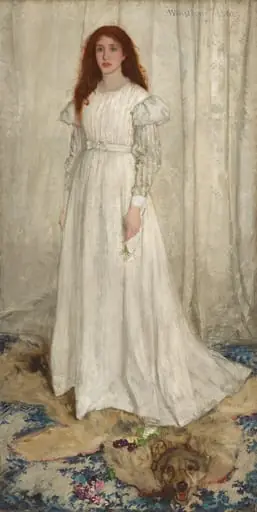 Symphony in White, No. 1: The White Girl
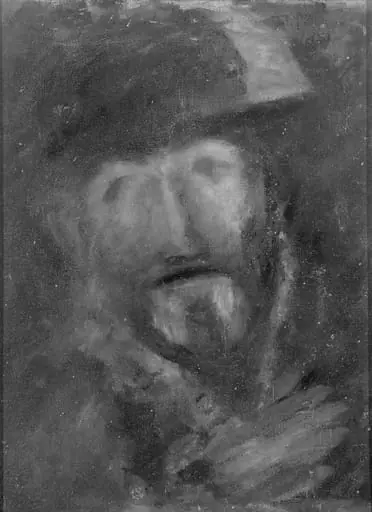 Henry Irving as Philip II of Spain
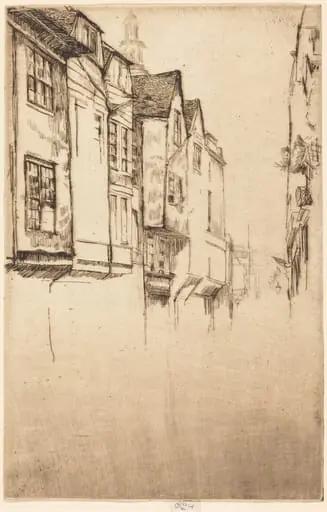 Wych Street
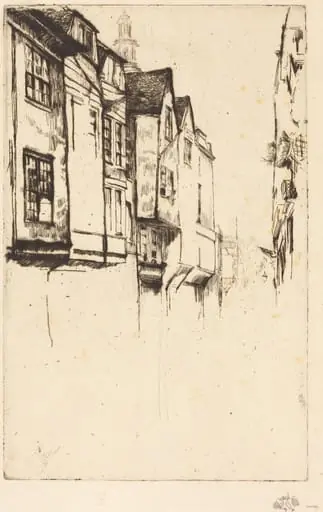 Wych Street
 Temple
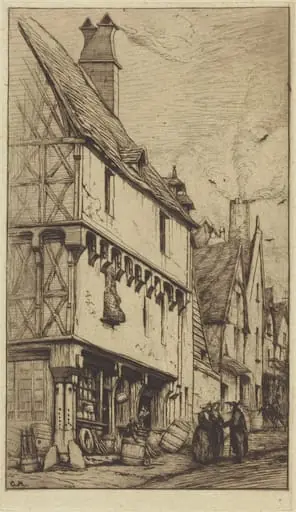 Ancienne habitation à Bourges, dite "La Maison du Musicien" (An Old House at Bourges, Sometimes Called the "Musician's House")
 Temple
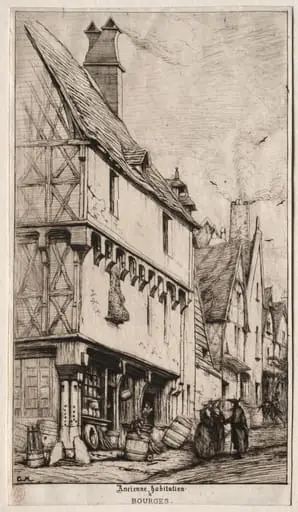 An Old House at Bourges, sometimes called the Musician's House
 Windows Opposite Hotel, Bourges
 Ponte del Piovan
 The 'Adam and Eve', Old Chelsea
 The 'Adam and Eve', Old Chelsea