Artwork
Nursemaid and Child
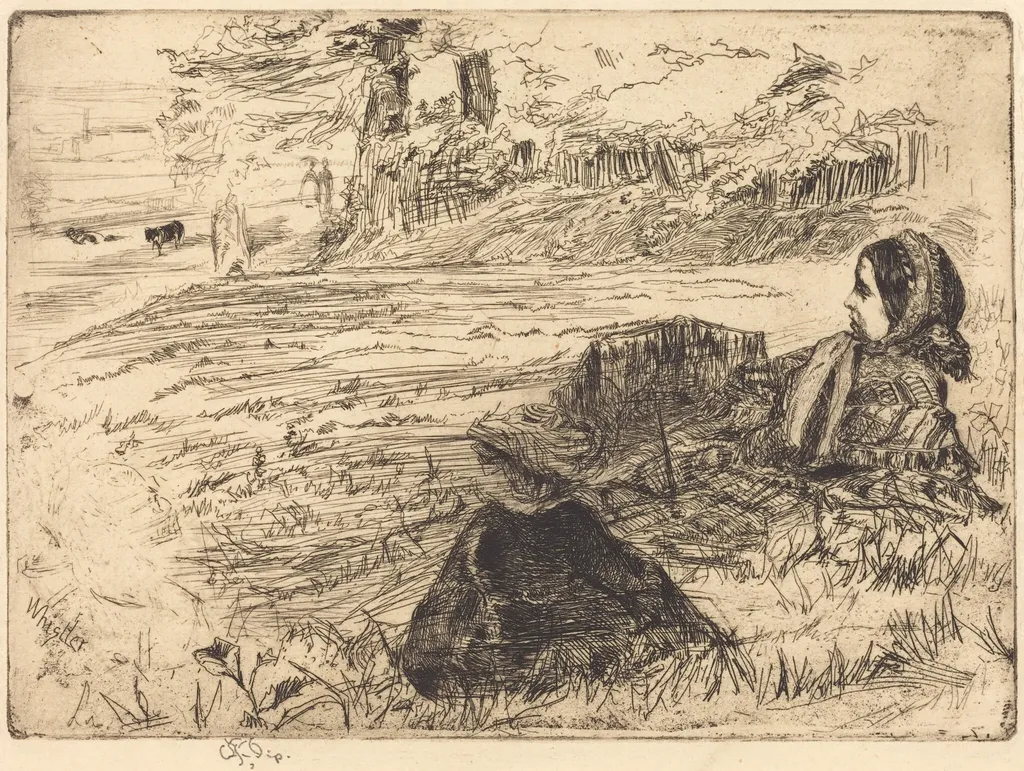
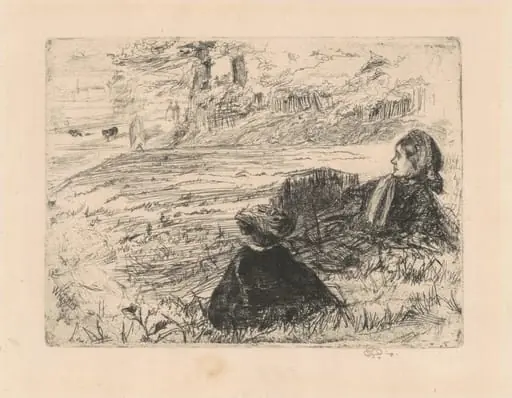
Nursemaid and Child is an ink print by the Impressionist artist James McNeill Whistler. It dates from 1859 and is held in the collection of the National Gallery of Art.
About this work
Overview
Created in 1859, *Nursemaid and Child* is an etching on wove paper by James Abbott McNeill Whistler. The print depicts a woman, wrapped in a shawl, cradling a child amid a loosely rendered landscape of trees and hills. Executed with swift, sketch‑like lines, the image conveys a momentary, intimate scene rather than a detailed narrative.
Subject & Meaning
The composition centers on a caregiver and infant, suggesting a domestic, protective relationship. The figures are placed within an open field, emphasizing a sense of vulnerability and connection to nature. Whistler’s treatment avoids overt sentiment, instead presenting the pair as a quiet study of form and presence, inviting viewers to consider the quiet dignity of everyday care.
Technique & Style
Whistler employed traditional etching methods, incising the design into a metal plate, applying ink, and pressing it onto wove paper. The resulting lines are intentionally loose and gestural, with a scratchy quality that retains clarity of shape. This approach reflects his preference for a refined, deliberate process, allowing the medium’s texture to convey atmosphere without elaborate detail.
History & Provenance
The work originates from Whistler’s early period, when he was establishing his reputation in the United Kingdom after emigrating from the United States.
The work originates from Whistler’s early period, when he was establishing his reputation in the United Kingdom after emigrating from the United States. Though primarily known for oils and watercolors, Whistler produced a series of prints during this time, often signing them with his characteristic stylized butterfly. *Nursemaid and Child* remains documented in several museum collections, illustrating his printmaking output of the late 1850s.
Context
Produced during the American Gilded Age, the etching aligns with Whistler’s advocacy of “art for art’s sake,” a philosophy that rejected moralizing narratives in favor of aesthetic autonomy. By focusing on a simple, everyday scene rendered with minimal emotional overtone, the piece exemplifies his broader rejection of sentimentalism and his commitment to a restrained, formal visual language.
Artist & collection
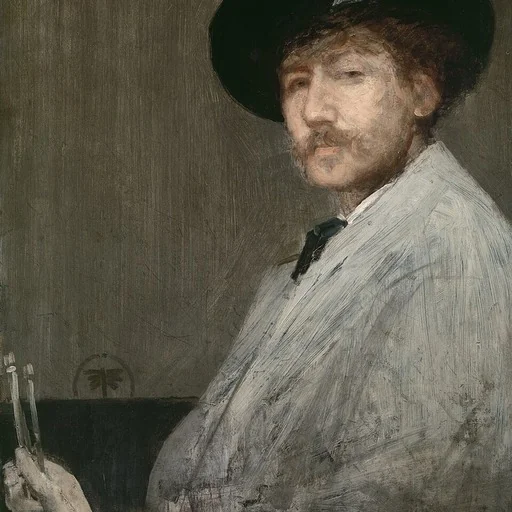
Artist
James Abbott McNeill Whistler was an American painter in oils and watercolor, and printmaker, active during the American Gilded Age and based primarily in the United Kingdom.

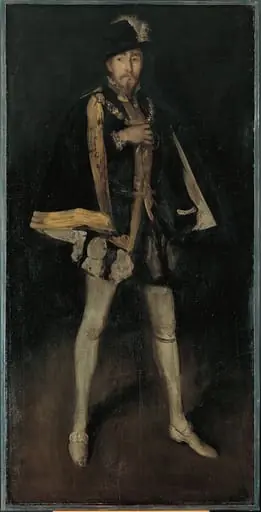 Arrangement in Black, No. 3: Sir Henry Irving as Philip II of Spain
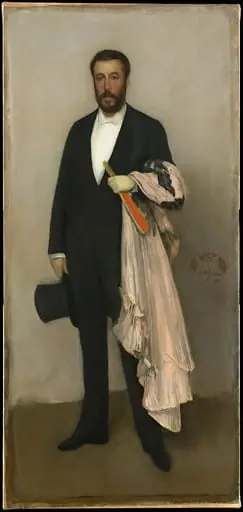 Arrangement in Flesh Colour and Black: Portrait of Theodore Duret
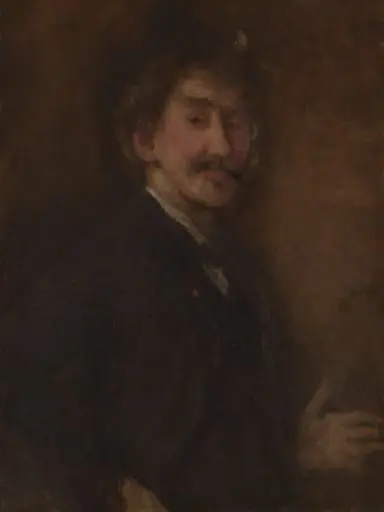 Gold and Brown: Self-Portrait
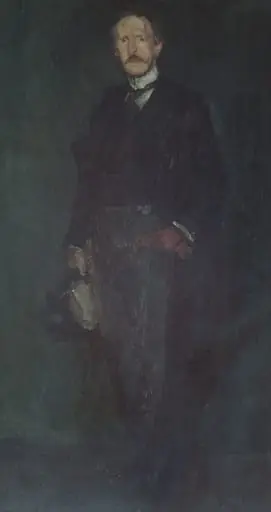 Edward Guthrie Kennedy
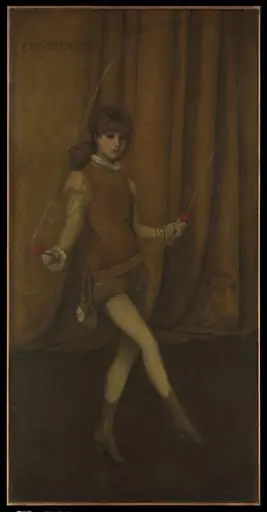 Harmony in Yellow and Gold: The Gold Girl—Connie Gilchrist
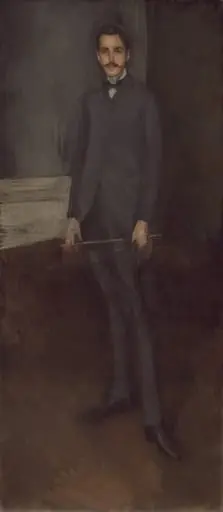 George W. Vanderbilt
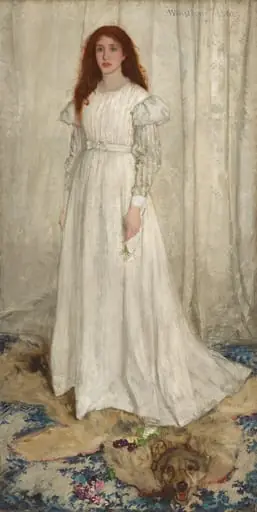 Symphony in White, No. 1: The White Girl
 Henry Irving as Philip II of Spain
 Nursemaid and Child
![Landscape [Paesaggio], by Carlo Paolo Agazzi](https://artifactworldgallery.com/img/carlo-paolo-agazzi--landscape-paesaggio--e606f4ada87d2052-w320.webp) Landscape [Paesaggio]
Landscape [Paesaggio]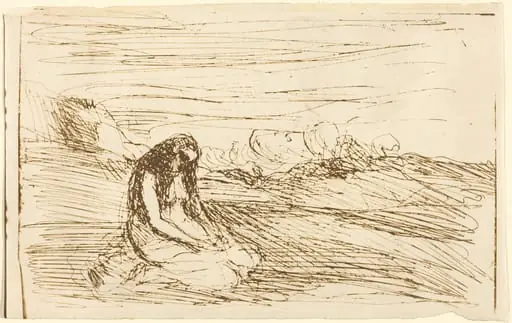 Mary Magdalene in Meditation (Madeleine en meditation)
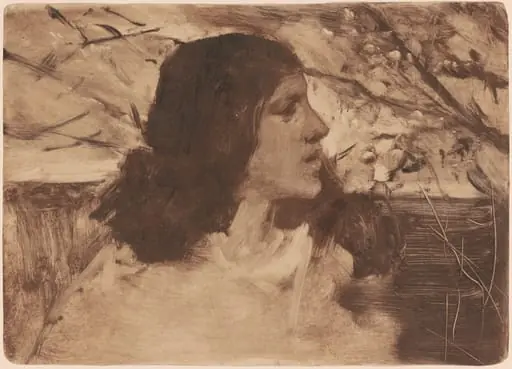 Head of a Woman
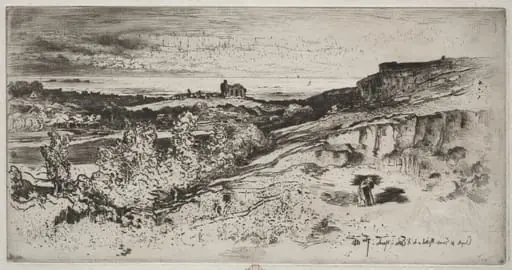 The Chapel Saint-Michel at l'Estre
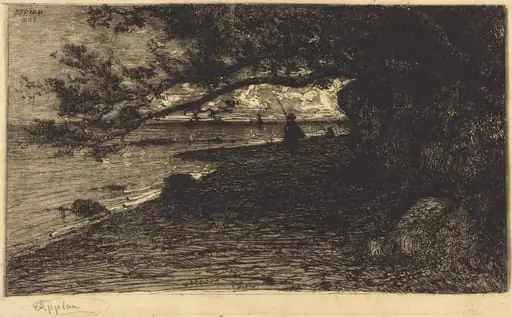 A Villefranche-sur-Mer
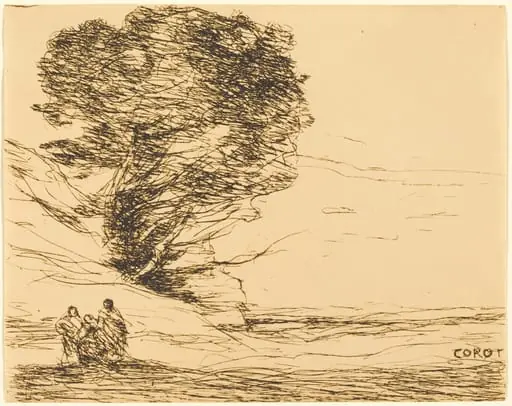 Souvenir of Antibes (Souvenir d'Antibes)
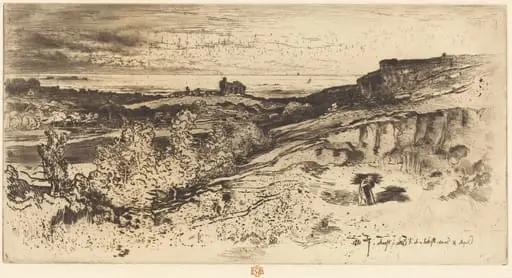 La Chapelle Saint-Michel à l'Estre
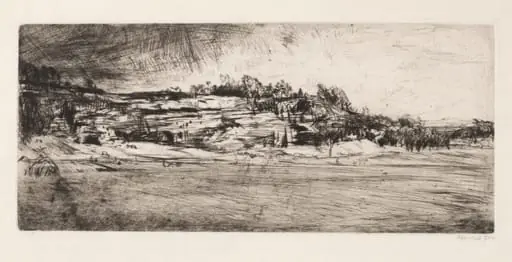 Spring at Cardross
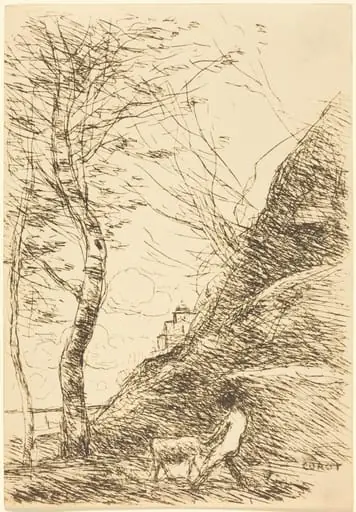 Shepherd Struggling with a Goat (Berger luttant avec sa chevre)
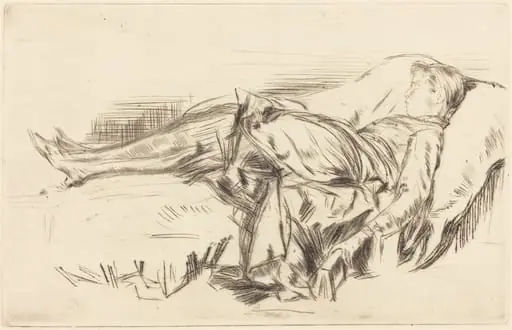 A Child on a Couch, No.2
 Fisherman's thatched cottage