Artwork
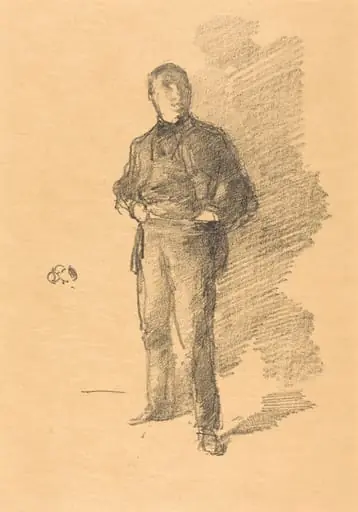
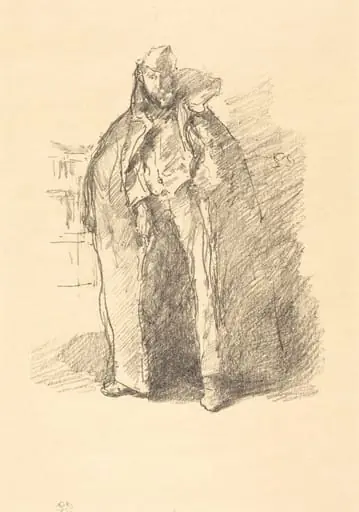
Study: Joseph Pennell
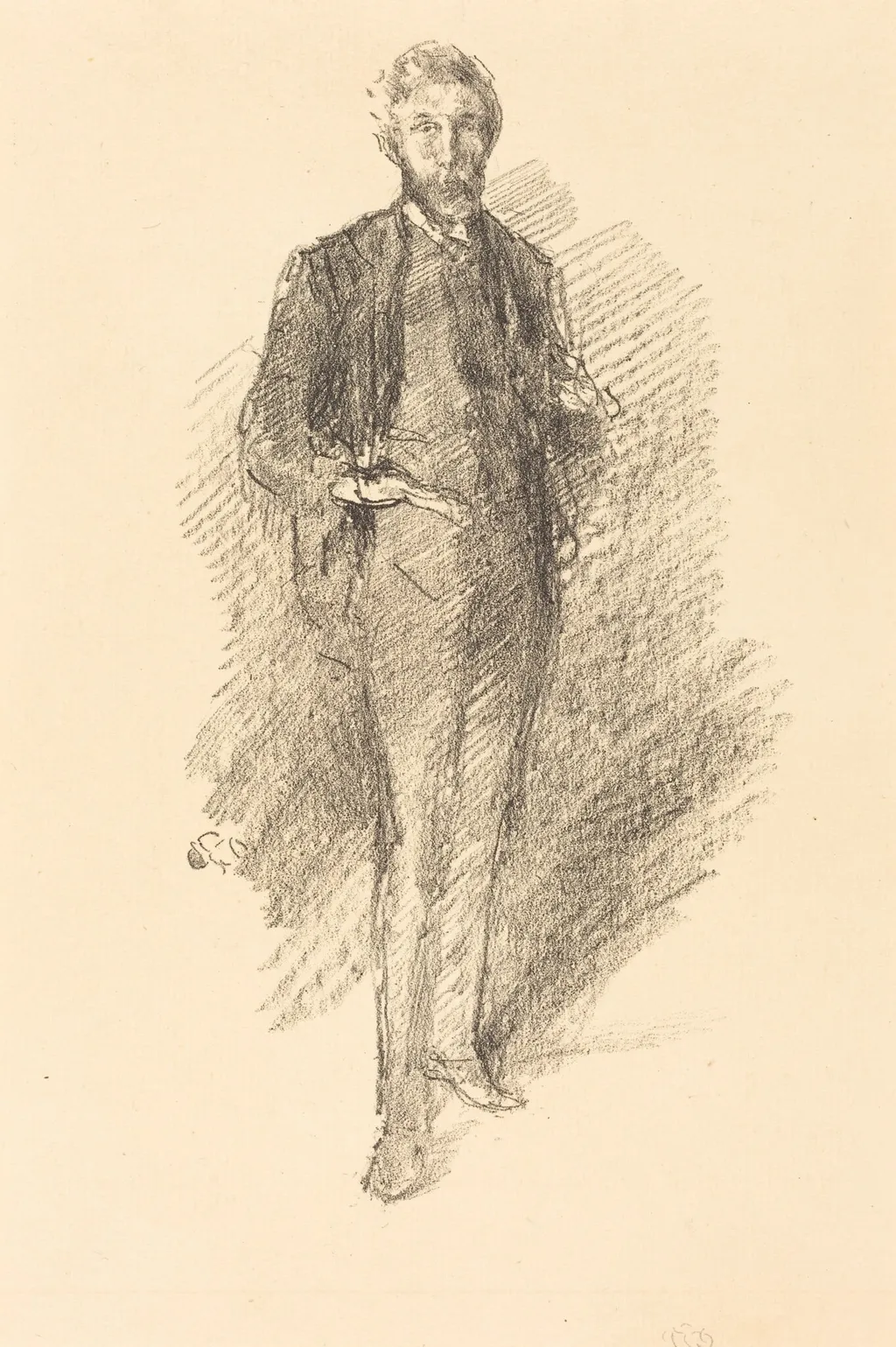
Study: Joseph Pennell is an ink print by the Impressionist artist James McNeill Whistler. It dates from 1896 and is held in the collection of the National Gallery of Art.
About this work
Overview
Study: Joseph Pennell is a 1896 lithograph by James Abbott McNeill Whistler, depicting a man in a long coat and vest with loosely drawn facial features and a slight beard, set against a plain background.
Subject & Meaning
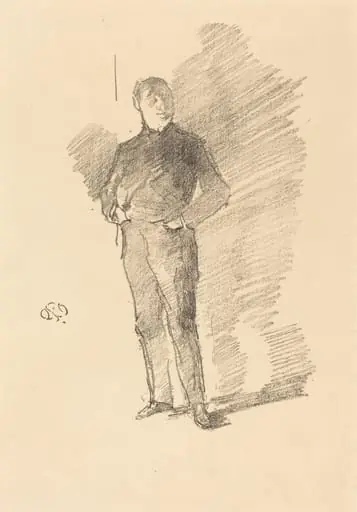
The subject, Joseph Pennell, is portrayed in a casual stance with hands in pockets, suggesting an informal study. Whistler's emphasis on capturing the figure through quick, expressive strokes reflects his artistic focus on form and technique over detailed realism.
Technique & Style
Executed in black lithograph on laid paper, the work showcases Whistler's use of swift, sketchy lines, characteristic of preparatory studies. This approach prioritizes immediacy and spontaneity, aligning with Whistler's aesthetic principles of 'art for art's sake'.
History & Provenance
Created in 1896, during Whistler's active period in the United Kingdom, the lithograph bears no recorded provenance details in the provided information, highlighting the artist's broader practice of portrait studies.
Context
Within the late 19th-century art landscape, Study: Joseph Pennell situates itself amidst the Aesthetic movement, where Whistler was a key figure, advocating for art's autonomy from moral and sentimental themes.
Legacy
As a characteristic example of Whistler's lithographic portraits, Study: Joseph Pennell contributes to the understanding of his contribution to the medium and his enduring influence on the development of modern printmaking techniques.
Artist & collection
Artist
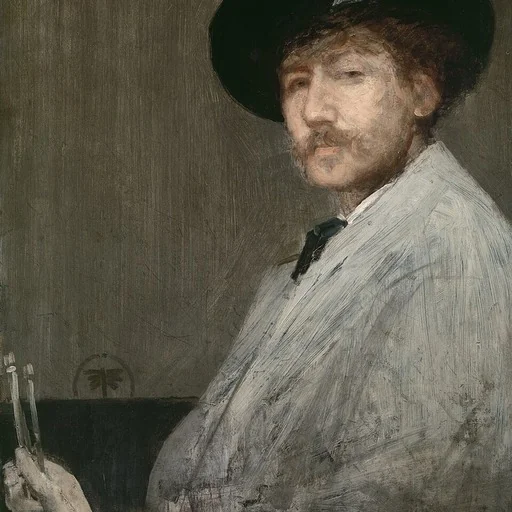
James Abbott McNeill Whistler was an American painter in oils and watercolor, and printmaker, active during the American Gilded Age and based primarily in the United Kingdom.

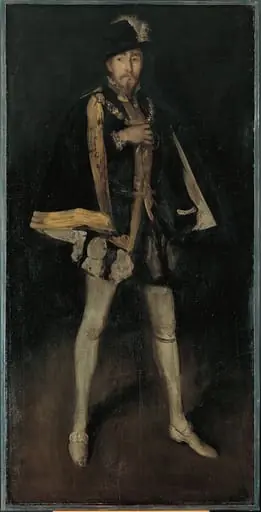 Arrangement in Black, No. 3: Sir Henry Irving as Philip II of Spain
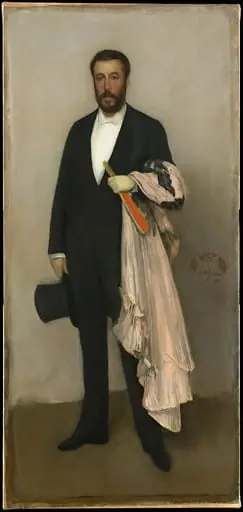 Arrangement in Flesh Colour and Black: Portrait of Theodore Duret
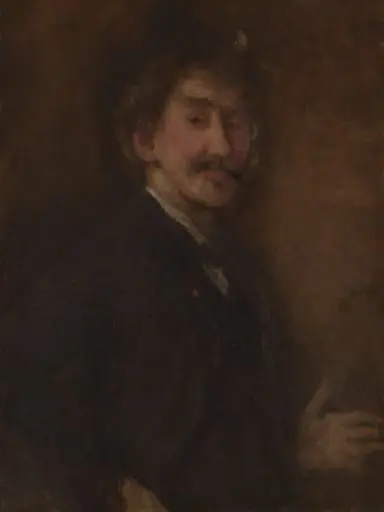 Gold and Brown: Self-Portrait
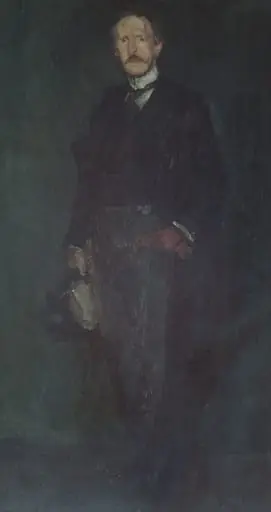 Edward Guthrie Kennedy
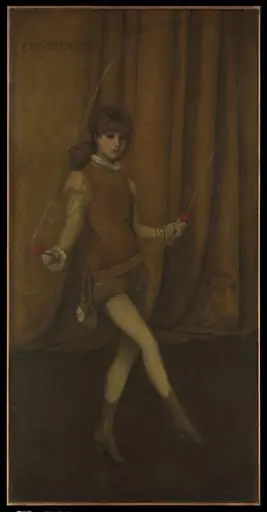 Harmony in Yellow and Gold: The Gold Girl—Connie Gilchrist
 George W. Vanderbilt
 Symphony in White, No. 1: The White Girl
 Henry Irving as Philip II of Spain