Artwork
The Fireplace
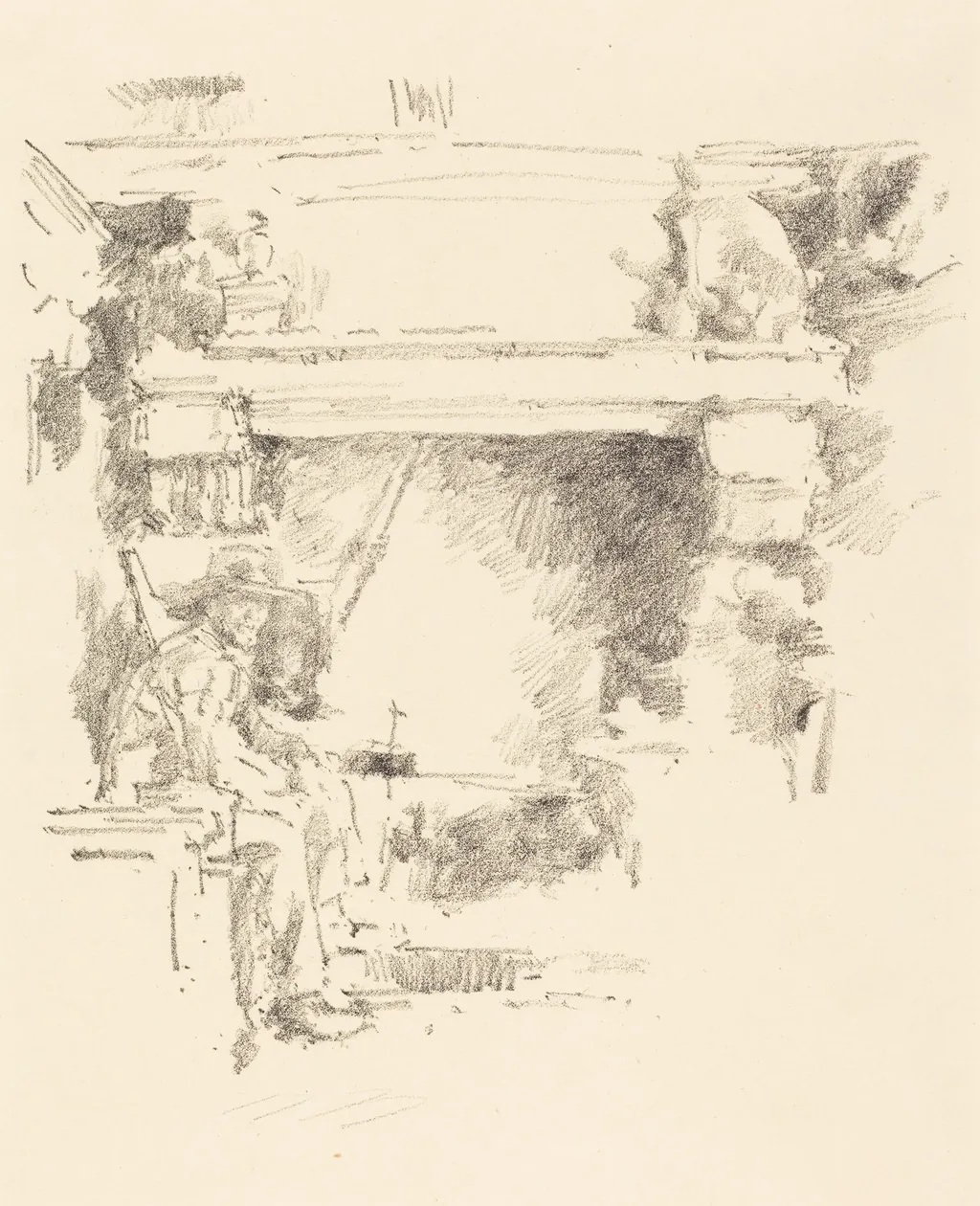
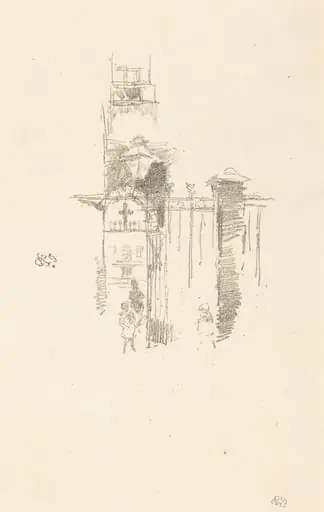
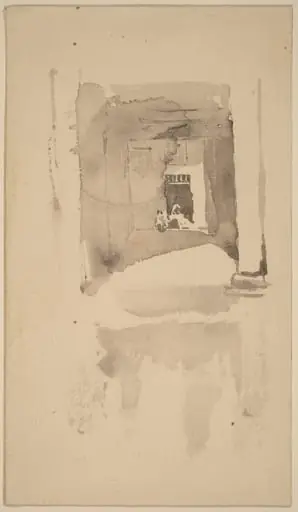
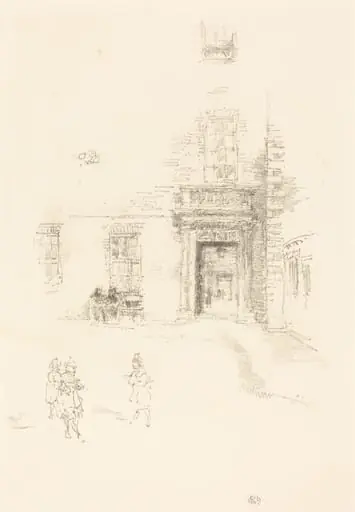
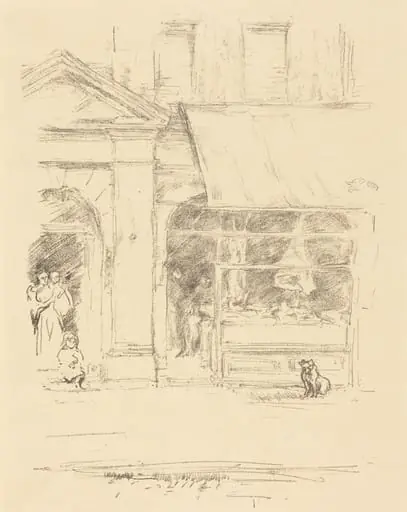
The Fireplace is an ink print by the Impressionist artist James McNeill Whistler. It dates from 1893 and is held in the collection of the National Gallery of Art.
About this work
Overview
This print exemplifies his interest in tonal harmony and quiet domestic interiors, rendered with minimal detail and a restrained palette.
Created in 1893, *The Fireplace* is a lithograph by James McNeill Whistler, executed in black ink on wove paper. Though primarily known for oil and watercolor painting, Whistler produced a significant body of graphic work in his later years. This print exemplifies his interest in tonal harmony and quiet domestic interiors, rendered with minimal detail and a restrained palette. The work reflects his commitment to aesthetic precision over narrative.
Subject & Meaning
The scene centers on a fireplace, the only clearly defined element, with a seated figure to the left and sparse indications of surrounding furniture. No explicit story is told; instead, the composition invites quiet reflection. The figure, indistinct and absorbed, merges with the shadows, emphasizing solitude and stillness. Whistler avoided sentimentality, using absence and suggestion to evoke mood rather than describe action.
Technique & Style
Whistler employed lithography to achieve subtle gradations of gray and deep black, exploiting the medium’s capacity for atmospheric nuance. Loose, economical strokes suggest form without defining it—walls, chair, and mantel emerge through tone rather than line. The wove paper’s texture enhances the ink’s soft edges, reinforcing the hushed, intimate quality. His approach aligns with tonalism, prioritizing mood over detail.
History & Provenance
Produced during Whistler’s mature period in London, the lithograph was part of a series exploring domestic interiors and quiet moments. It was likely printed in a small edition, typical of his graphic work. The print entered institutional collections in the early 20th century, preserved as an example of his late stylistic focus on simplicity and tonal balance.
Context
In the 1890s, Whistler distanced himself from narrative painting, embracing abstraction in tone and form. *The Fireplace* reflects broader European trends toward interiority and aesthetic autonomy, resonating with Symbolist and Impressionist concerns. His rejection of moral or emotional storytelling aligned with the 'art for art's sake' movement, positioning his work as a quiet counterpoint to Victorian realism.
Legacy
The lithograph remains a key example of Whistler’s graphic innovation, influencing later artists who valued suggestion over description. Its emphasis on atmosphere and restraint contributed to the development of modern printmaking, particularly in the American and British traditions. Though not widely exhibited, it endures as a refined expression of his aesthetic philosophy.
Artist & collection
Artist
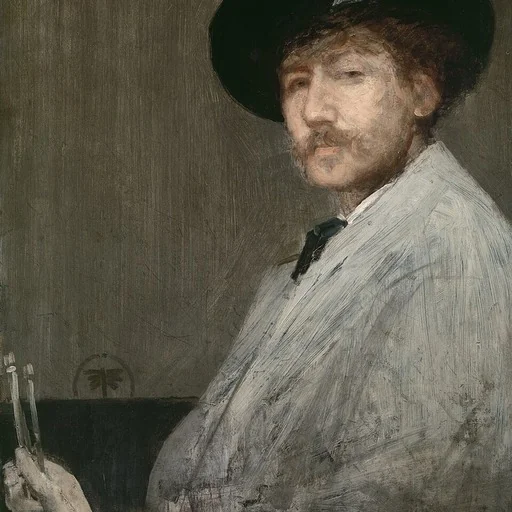
James Abbott McNeill Whistler was an American painter in oils and watercolor, and printmaker, active during the American Gilded Age and based primarily in the United Kingdom.

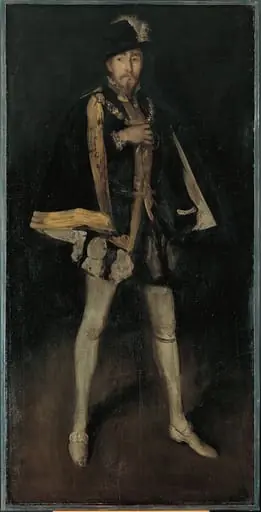 Arrangement in Black, No. 3: Sir Henry Irving as Philip II of Spain
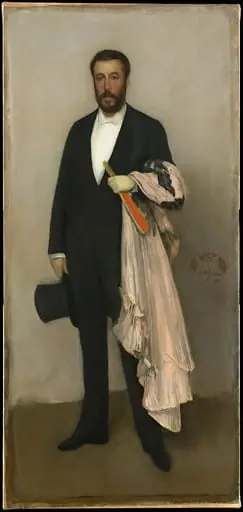 Arrangement in Flesh Colour and Black: Portrait of Theodore Duret
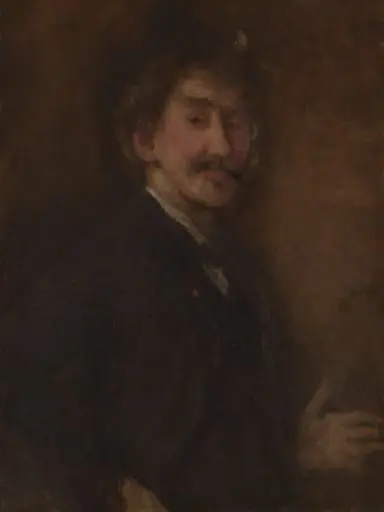 Gold and Brown: Self-Portrait
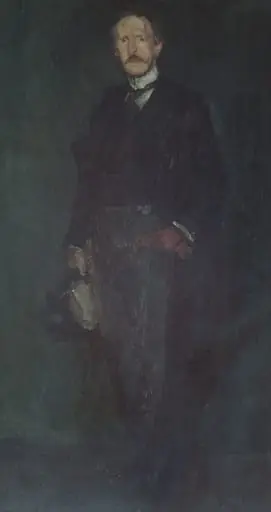 Edward Guthrie Kennedy
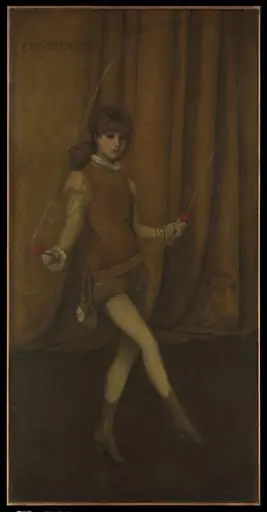 Harmony in Yellow and Gold: The Gold Girl—Connie Gilchrist
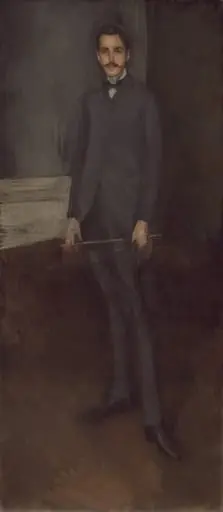 George W. Vanderbilt
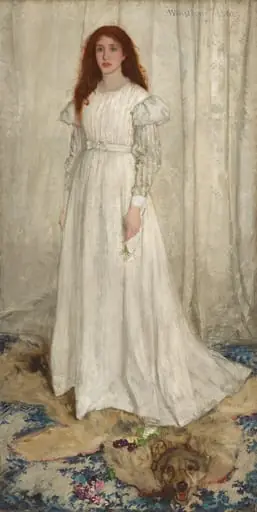 Symphony in White, No. 1: The White Girl
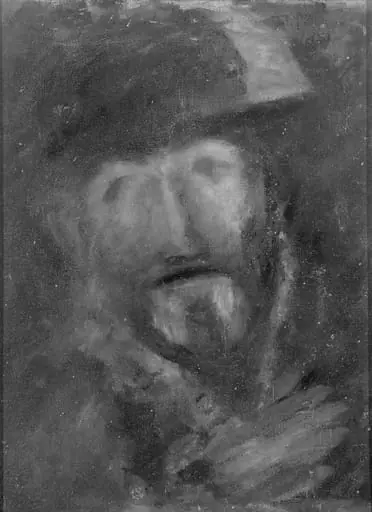 Henry Irving as Philip II of Spain
![Father of the Artist [verso], by Paul Cezanne](https://artifactworldgallery.com/img/paul-cezanne--father-of-the-artist-verso--74e24a3aa4f42c1a-w320.webp)