Artwork
The Wine-Glass
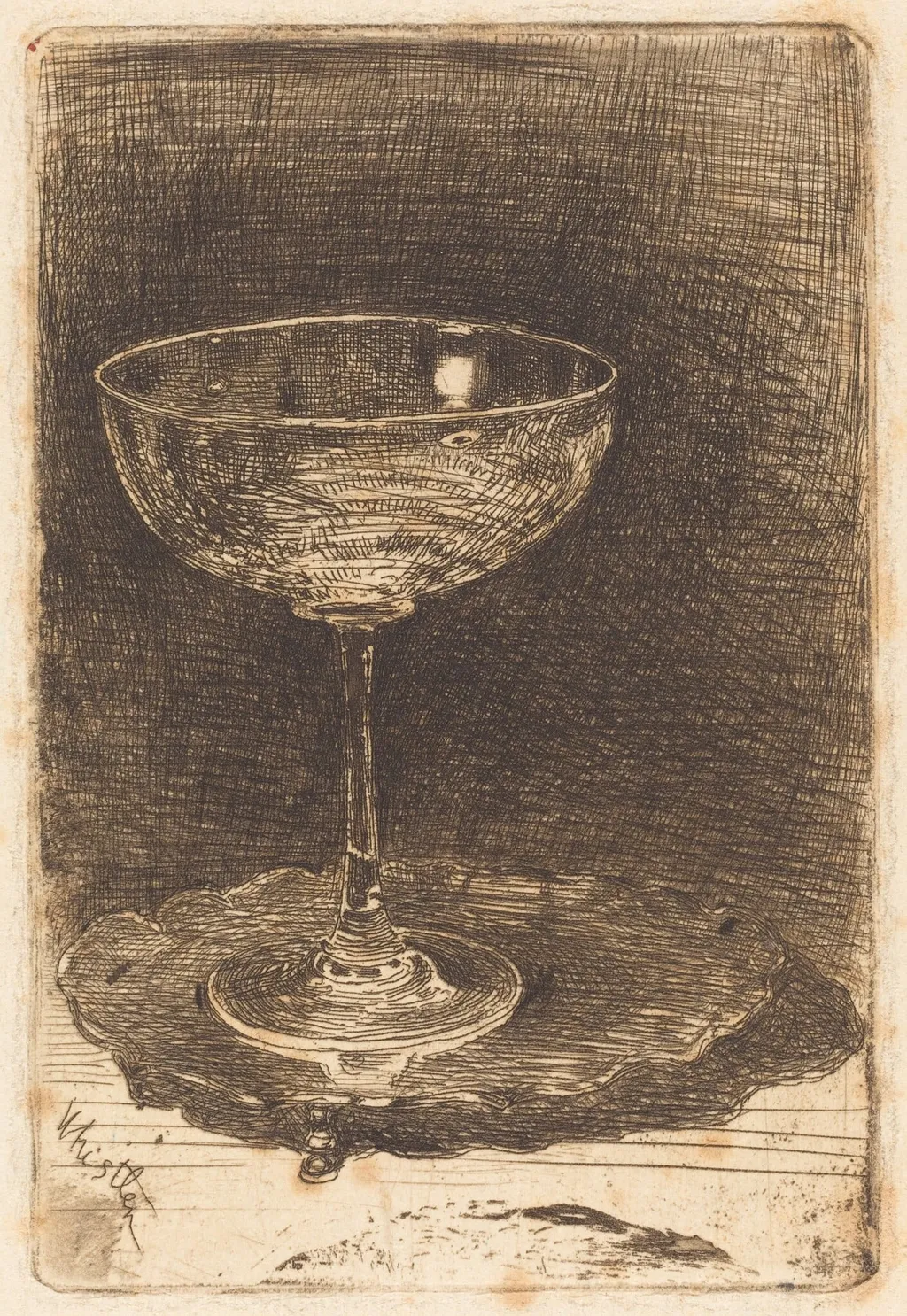
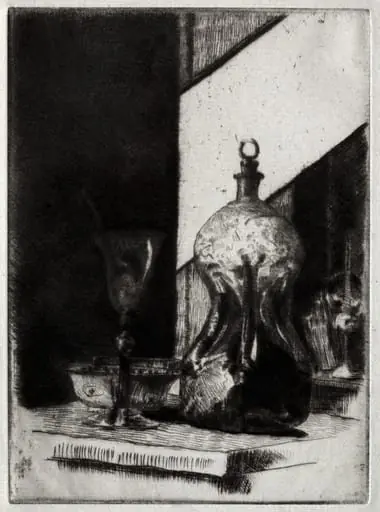
The Wine-Glass is an ink print by the Impressionist artist James McNeill Whistler. It dates from 1858 and is held in the collection of the National Gallery of Art.
About this work
Overview
Executed in dark brown ink on wove paper, the work exemplifies his emerging interest in tonal harmony and minimal composition.
Created in 1858, *The Wine-Glass* is an early etching by James McNeill Whistler, made during his formative years in London. Executed in dark brown ink on wove paper, the work exemplifies his emerging interest in tonal harmony and minimal composition. Though Whistler is better known for paintings and portraits, this print reveals his early mastery of printmaking techniques and his preference for quiet, contemplative subjects over narrative drama.
Subject & Meaning
The subject is a single wine glass resting on a dark, textured base, possibly fabric or a padded surface. No human presence or symbolic narrative is implied. The object is rendered without ornament or context beyond its immediate surroundings, reflecting Whistler’s belief in art’s autonomy. The focus on a mundane item underscores his commitment to aesthetic experience over moral or emotional storytelling.
Technique & Style
Whistler used fine, controlled lines and subtle cross-hatching to model the glass’s form and suggest its translucence. The dark background, built with layered ink, enhances the glass’s luminosity through contrast. The wove paper’s smooth surface allowed for precise ink deposition, enabling delicate gradations of tone. His technique avoids bold outlines, favoring atmospheric nuance and restrained detail to convey volume and presence.
History & Provenance
This etching was produced during Whistler’s early period in England, shortly after his move from the United States. It belongs to a series of intimate prints he made between 1857 and 1860, experimenting with etching as a medium independent of commercial illustration. The work remained in private collections until entering public institutional holdings in the 20th century, where it is now recognized as a key early example of his graphic work.
Context
In the late 1850s, Whistler was developing his aesthetic philosophy in opposition to Victorian narrative painting. He aligned with emerging ideas of 'art for art’s sake,' emphasizing form and mood over moral or literary content. *The Wine-Glass* reflects this shift, paralleling contemporary European printmakers who explored still life and interior scenes with similar restraint and attention to surface quality.
Legacy
Though modest in scale, *The Wine-Glass* anticipates Whistler’s later tonal experiments in both painting and print. Its quiet precision influenced a generation of printmakers who valued subtlety over spectacle. The work remains a touchstone in discussions of 19th-century printmaking, illustrating how a single object, rendered with discipline, can carry aesthetic weight without narrative or symbolism.
Own this work as a print
Artist & collection
Artist
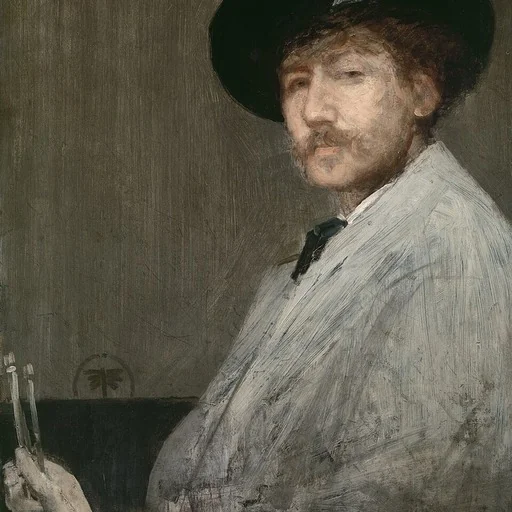
James Abbott McNeill Whistler was an American painter in oils and watercolor, and printmaker, active during the American Gilded Age and based primarily in the United Kingdom.

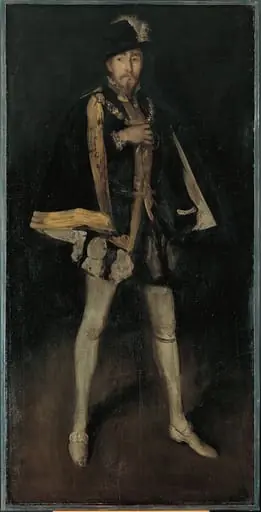 Arrangement in Black, No. 3: Sir Henry Irving as Philip II of Spain
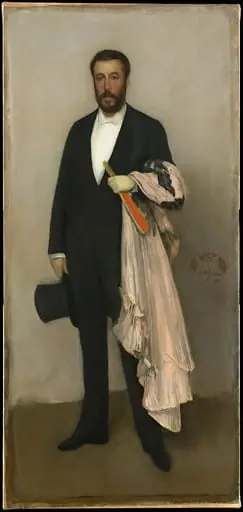 Arrangement in Flesh Colour and Black: Portrait of Theodore Duret
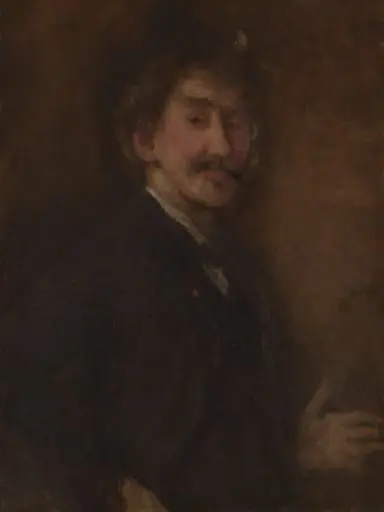 Gold and Brown: Self-Portrait
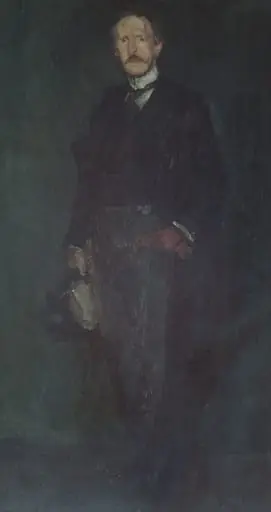 Edward Guthrie Kennedy
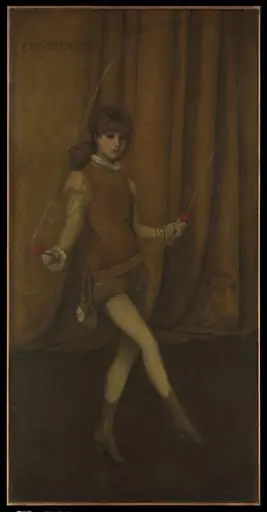 Harmony in Yellow and Gold: The Gold Girl—Connie Gilchrist
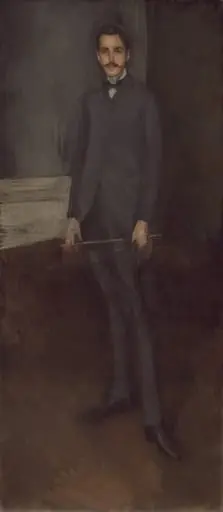 George W. Vanderbilt
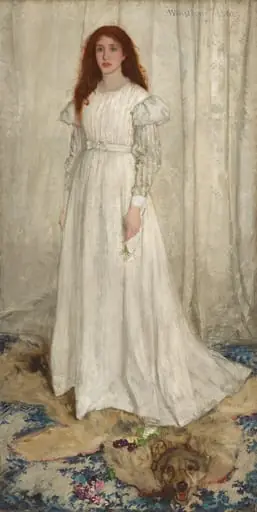 Symphony in White, No. 1: The White Girl
 Henry Irving as Philip II of Spain