Artwork
The Wine-Glass
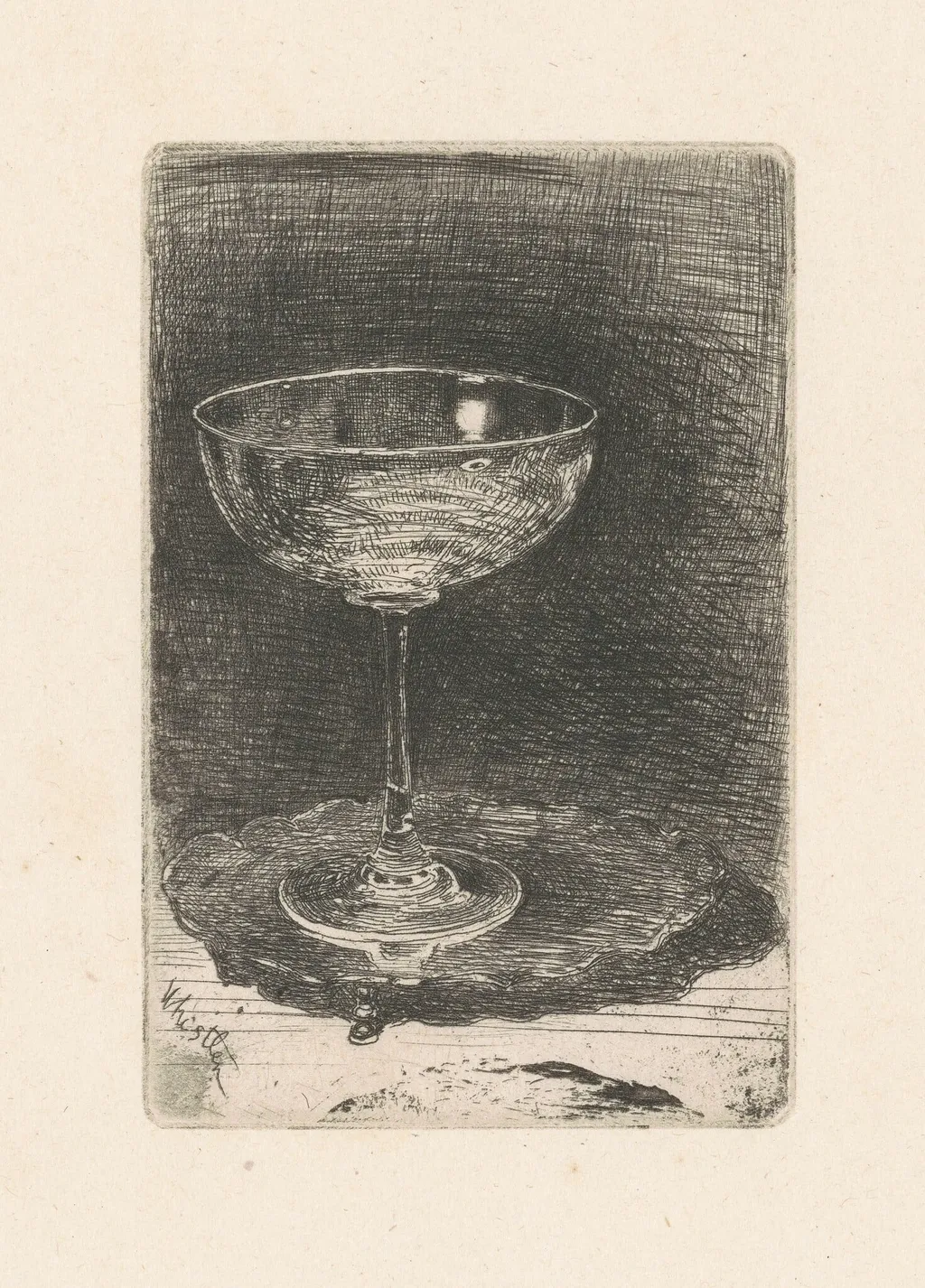
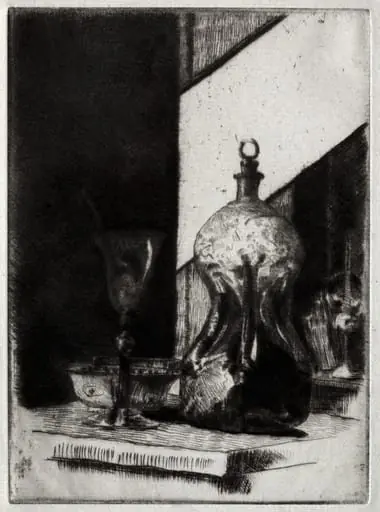
The Wine-Glass is an ink print by the Impressionist artist James McNeill Whistler. It dates from 1859 and is held in the collection of the National Gallery of Art.
About this work
Overview
The composition isolates the glass against a densely textured dark field, emphasizing form through tonal contrast rather than color.
Created in 1859, this etching by James McNeill Whistler captures a single coupe wine glass rendered in monochrome on laid paper. The work belongs to his early period, when he focused on quiet, intimate subjects. The composition isolates the glass against a densely textured dark field, emphasizing form through tonal contrast rather than color. Whistler’s approach reflects his interest in subtle visual harmony and the poetic potential of everyday objects.
Subject & Meaning
The subject is a simple wine glass, rendered without context or human presence. Its placement suggests stillness and solitude, inviting contemplation rather than narrative. Whistler treats the object not as a vessel for wine but as a study in form and light. The glass’s fragility is heightened by its isolation, transforming a mundane item into a quiet meditation on transience and perception.
Technique & Style
Whistler employed fine, incised lines to build shadow and texture, using cross-hatching to model the glass’s curved surface and the background’s fabric-like depth. The plate was scratched with precision, holding ink to create gradations from deep black to near-white. The background’s agitated lines contrast with the glass’s smoother contours, enhancing its delicacy. The technique prioritizes atmosphere over detail, aligning with his emerging aesthetic of tonal balance.
History & Provenance
Executed during Whistler’s early years in London, this print reflects his engagement with the etching revival of the 1850s. It was likely made for private circulation among artists and collectors, not for mass reproduction. The work remained in his personal collection for some time before entering institutional holdings. Its modest scale and intimate nature suggest it was intended as a study rather than a commercial product.
Context
In the late 1850s, Whistler was influenced by Japanese prints and Dutch genre painting, both of which emphasized simplicity and careful composition. He moved away from overt storytelling, favoring arrangements that highlighted light, texture, and mood. This etching aligns with his broader shift toward 'art for art’s sake,' where the aesthetic experience of form and tone superseded moral or narrative content.
Legacy
This early etching foreshadows Whistler’s later preoccupation with tonal harmony and the quiet dignity of still life. It exemplifies his contribution to elevating printmaking as a serious artistic medium, distinct from illustration. Though not widely exhibited in his lifetime, it became a touchstone for later artists exploring the expressive potential of line and shadow in monochrome.
Own this work as a print
Artist & collection
Artist
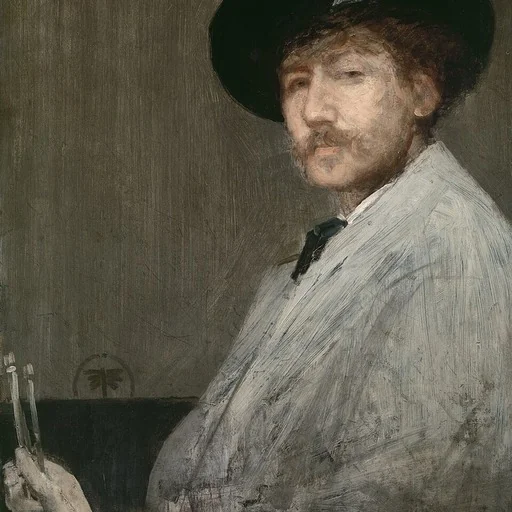
James Abbott McNeill Whistler was an American painter in oils and watercolor, and printmaker, active during the American Gilded Age and based primarily in the United Kingdom.

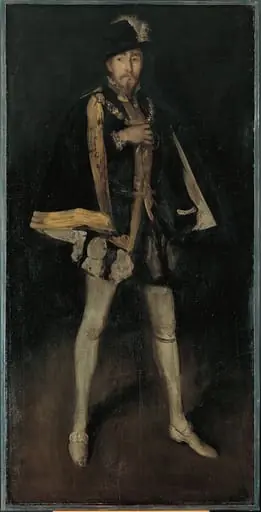 Arrangement in Black, No. 3: Sir Henry Irving as Philip II of Spain
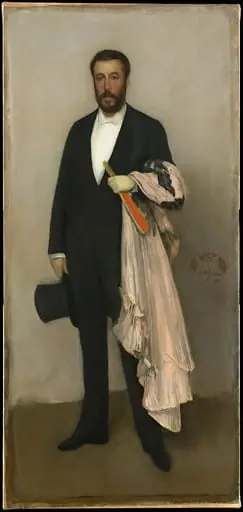 Arrangement in Flesh Colour and Black: Portrait of Theodore Duret
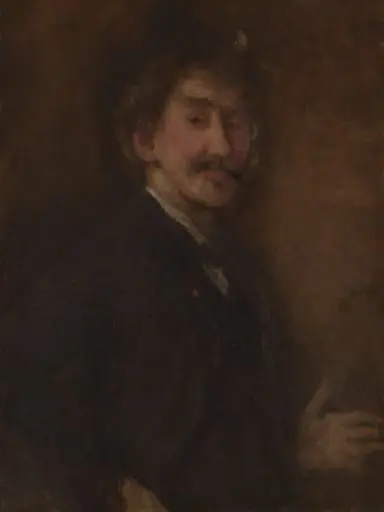 Gold and Brown: Self-Portrait
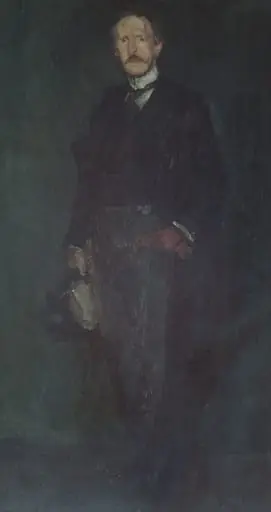 Edward Guthrie Kennedy
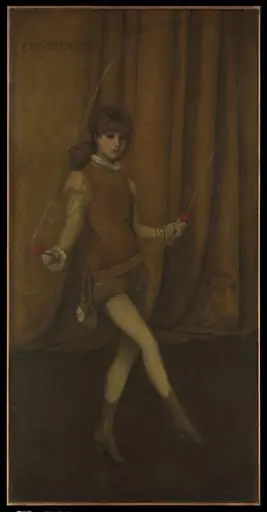 Harmony in Yellow and Gold: The Gold Girl—Connie Gilchrist
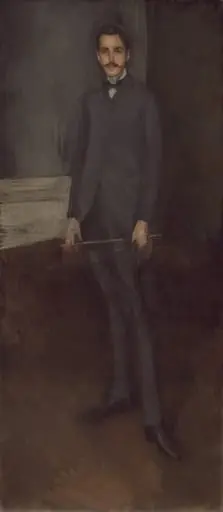 George W. Vanderbilt
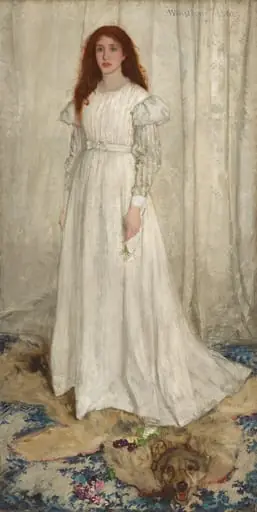 Symphony in White, No. 1: The White Girl
 Henry Irving as Philip II of Spain