Artwork
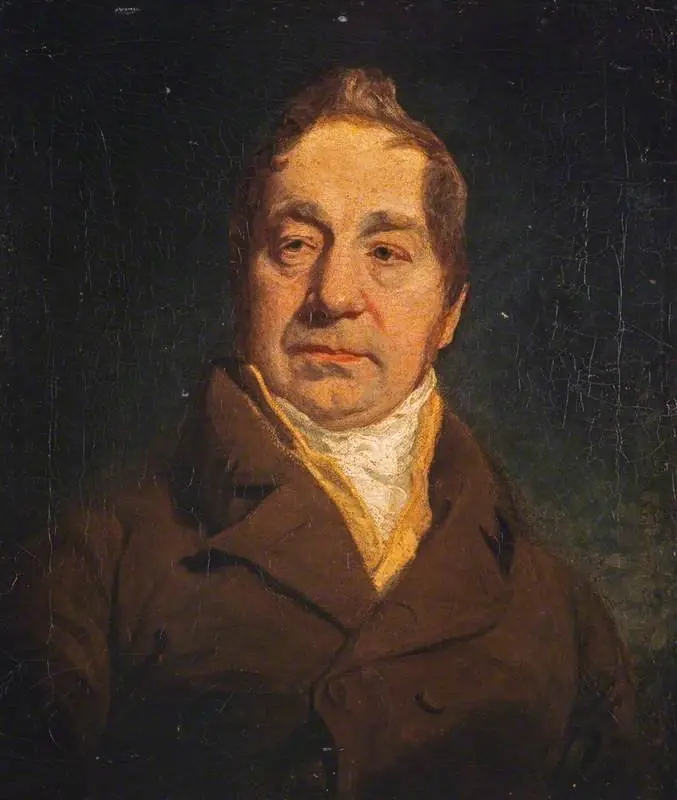
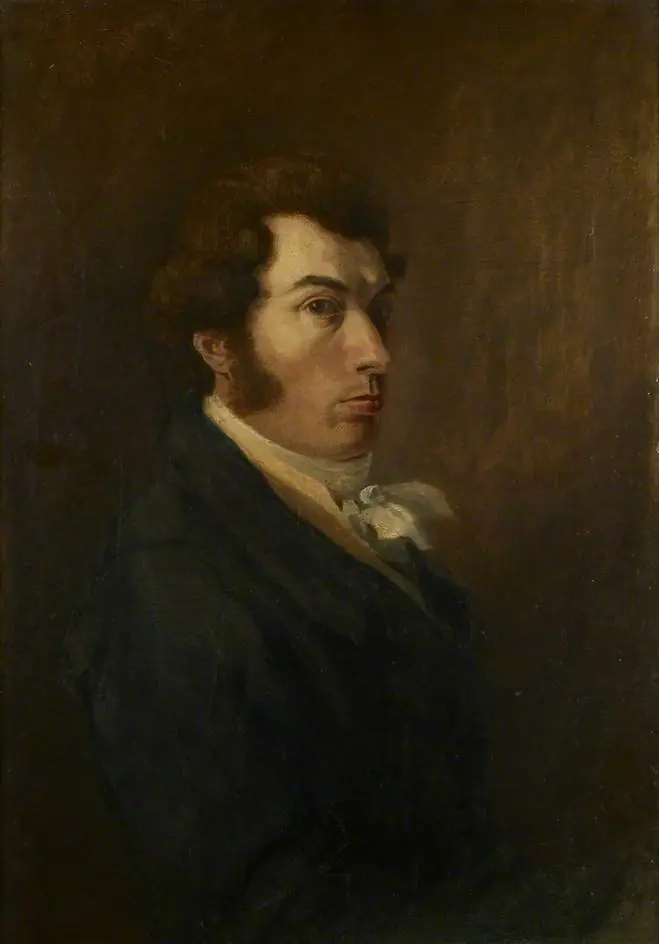
Portrait of a Man
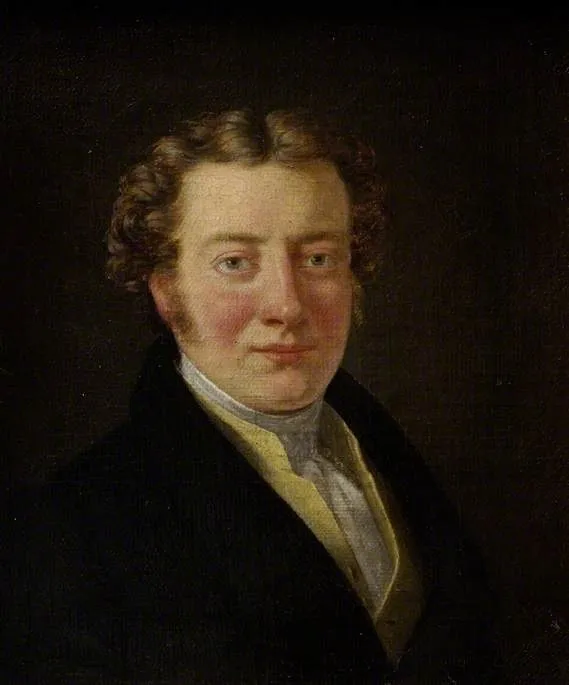
Portrait of a Man is an oil painting by Wilhelm Bendz. It dates from 1828 and is held in the collection of the Fitzwilliam Museum.
About this work
Overview
Bendz, a student of Christoffer Wilhelm Eckersberg, specialized in intimate portrayals of artists and their environments.
Painted around 1828 by Danish artist Wilhelm Bendz, this oil portrait depicts an unidentified man with quiet composure. Bendz, a student of Christoffer Wilhelm Eckersberg, specialized in intimate portrayals of artists and their environments. The work exemplifies his restrained approach to portraiture, emphasizing presence over narrative. It resides in the Fitzwilliam Museum, part of a broader collection of 19th-century Danish art.
Subject & Meaning
The sitter, dressed in a black coat over a yellow vest and white shirt, faces the viewer with a neutral expression and a gaze turned slightly away. His attire suggests middle-class status, while the lack of identifying symbols or setting invites focus on his demeanor. The stillness and directness of the portrait convey a sense of inner reflection rather than social performance, aligning with the era’s shift toward psychological realism.
Technique & Style
Bendz employs a muted palette and precise brushwork to render texture and form. The solid black background isolates the figure, heightening the contrast with the light tones of the shirt and vest. Subtle modeling defines the face and hands, while the curls of the hair are suggested with loose, deliberate strokes. The composition avoids ornamentation, reflecting the influence of Eckersberg’s emphasis on clarity and observation.
History & Provenance
The painting was created during Bendz’s mature period, shortly before his early death in 1832. It entered the Fitzwilliam Museum’s collection in the 19th century, likely through acquisition or donation. While its original commission or ownership is undocumented, its preservation reflects early institutional interest in Danish academic portraiture outside Denmark.
Context
In early 19th-century Denmark, portraiture was increasingly valued as a vehicle for individual character rather than status display. Bendz, trained in Eckersberg’s studio, contributed to this trend by capturing his subjects with psychological subtlety. This portrait aligns with a broader Nordic movement toward naturalism, distancing itself from theatrical conventions of earlier generations.
Legacy
Though Bendz’s career was brief, his portraits remain notable for their quiet intensity and technical restraint. This work exemplifies his contribution to Danish art’s transition toward modern realism. It continues to be studied as an example of how understated composition and lighting can convey depth without embellishment, influencing later generations of Nordic painters.
Artist & collection
Artist
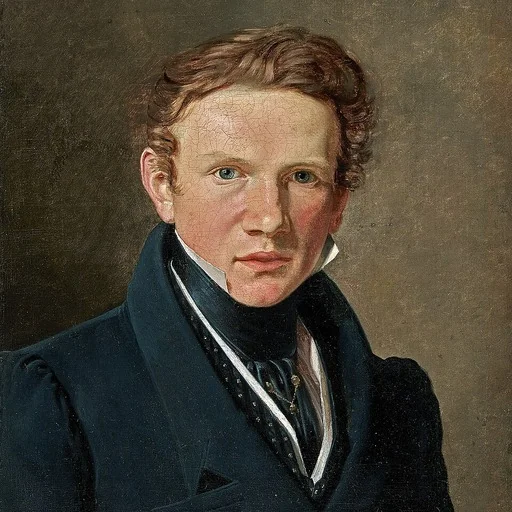
Wilhelm Ferdinand Bendz (20 March 1804 – 14 November 1832) was a Danish painter mainly known for genre works and portraits which often portray his artist colleagues and their daily lives.

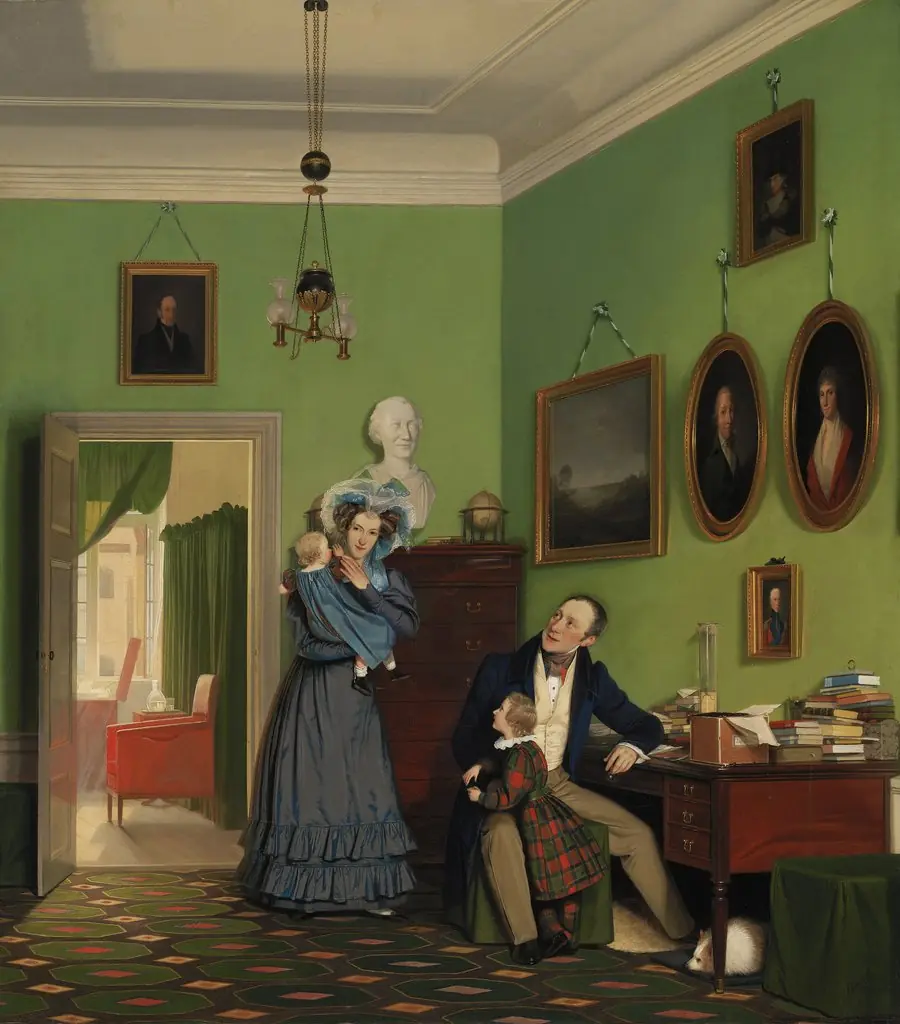 Familien Waagepetersen
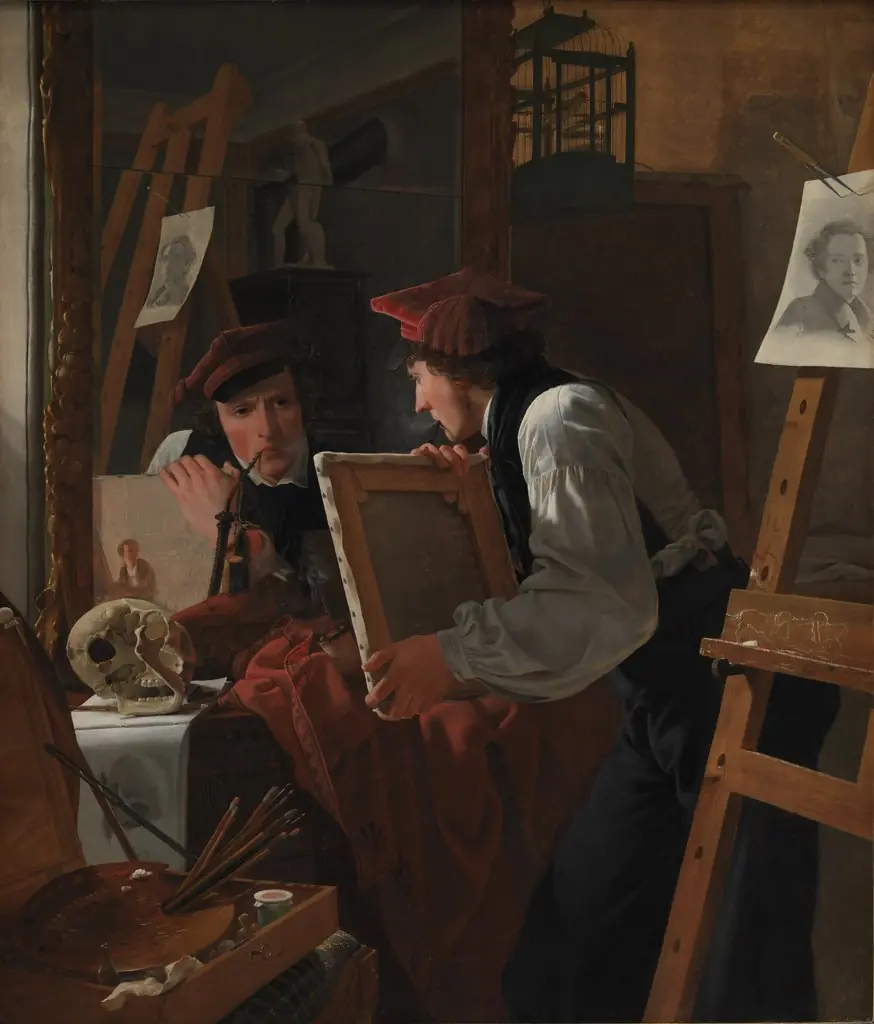 A Young Artist (Ditlev Blunck) Examining a Sketch in a Mirror
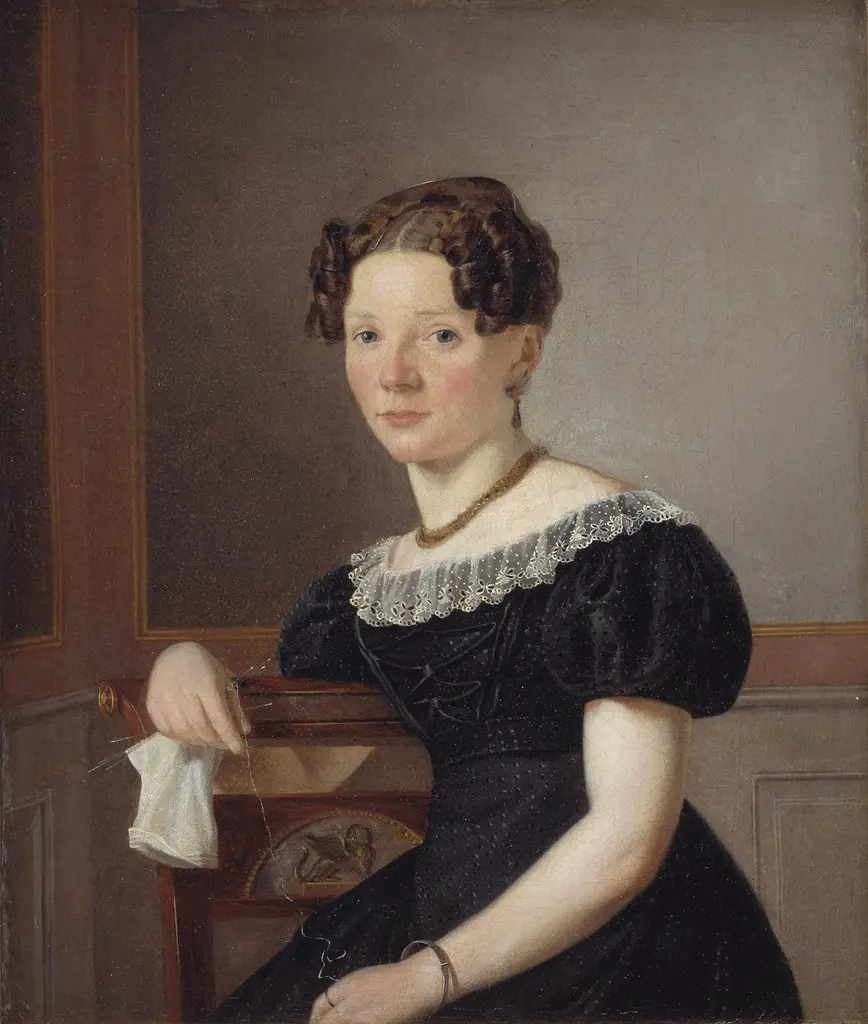 Dame med strikketøj. En af kunstnerens søstre (?)
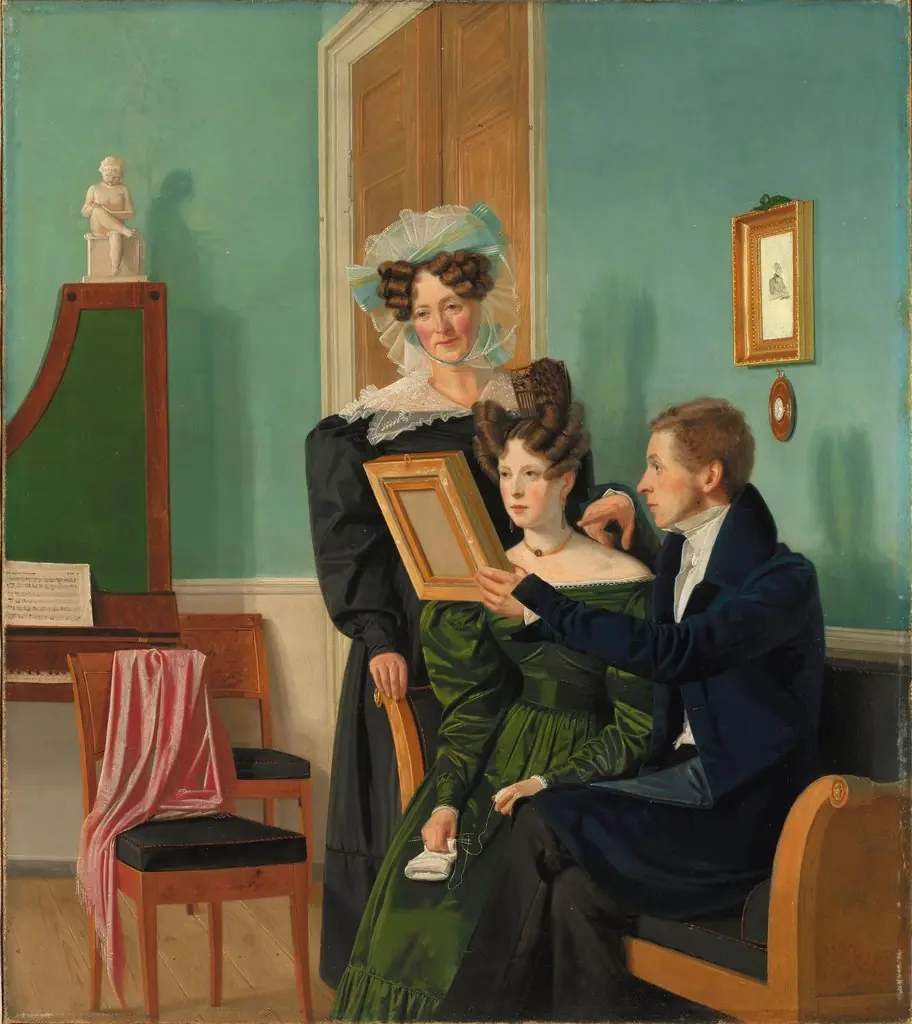 The Raffenberg Family
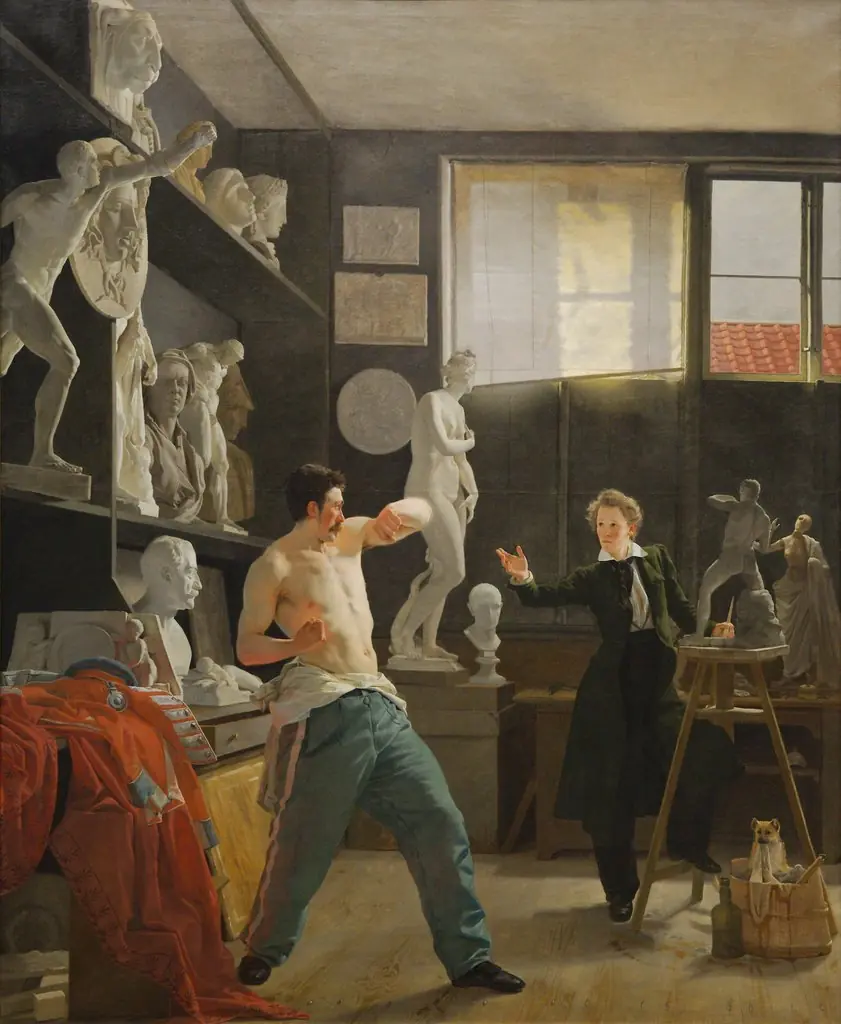 A Sculptor in his Studio Working from the Life
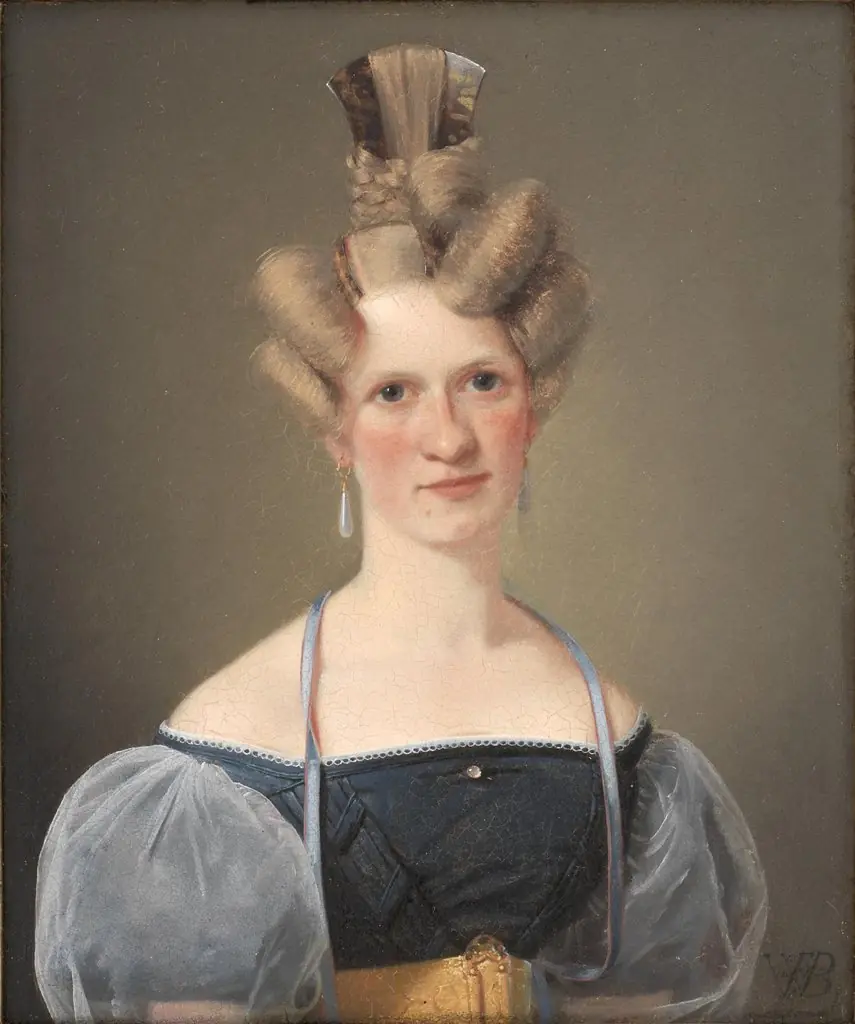 Marie Raffenberg, the Artist's Betrothed
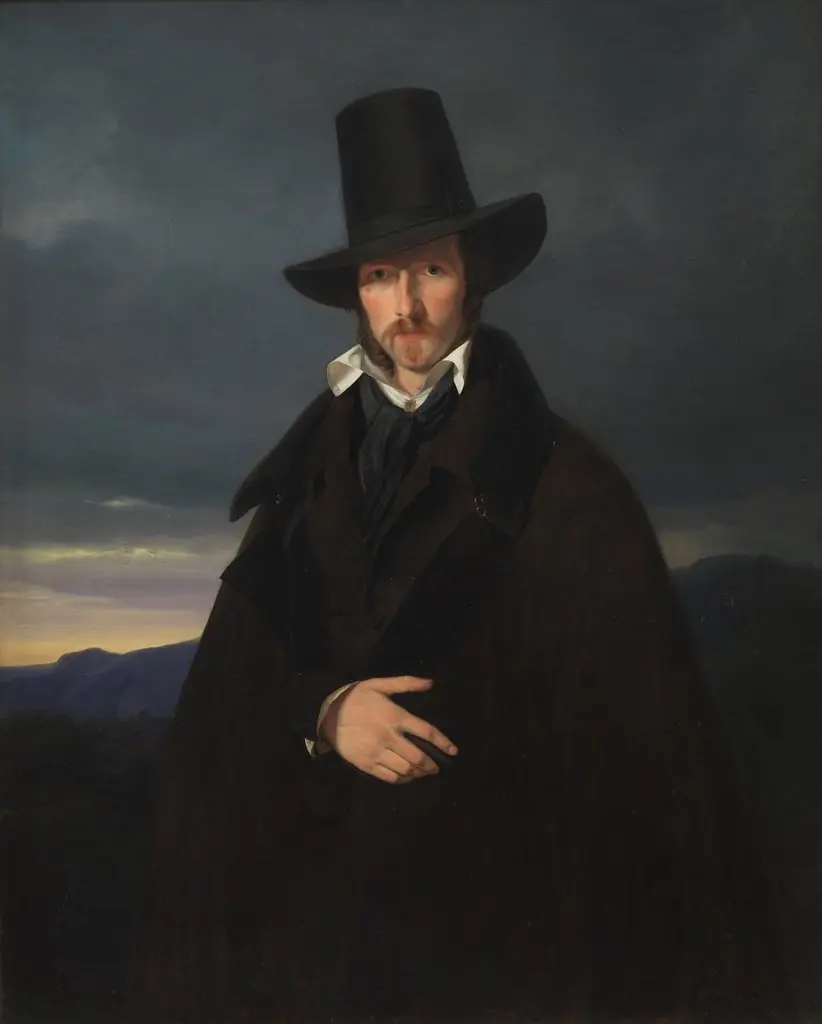 Portrait of the German Painter Wilhelm von Kaulbach
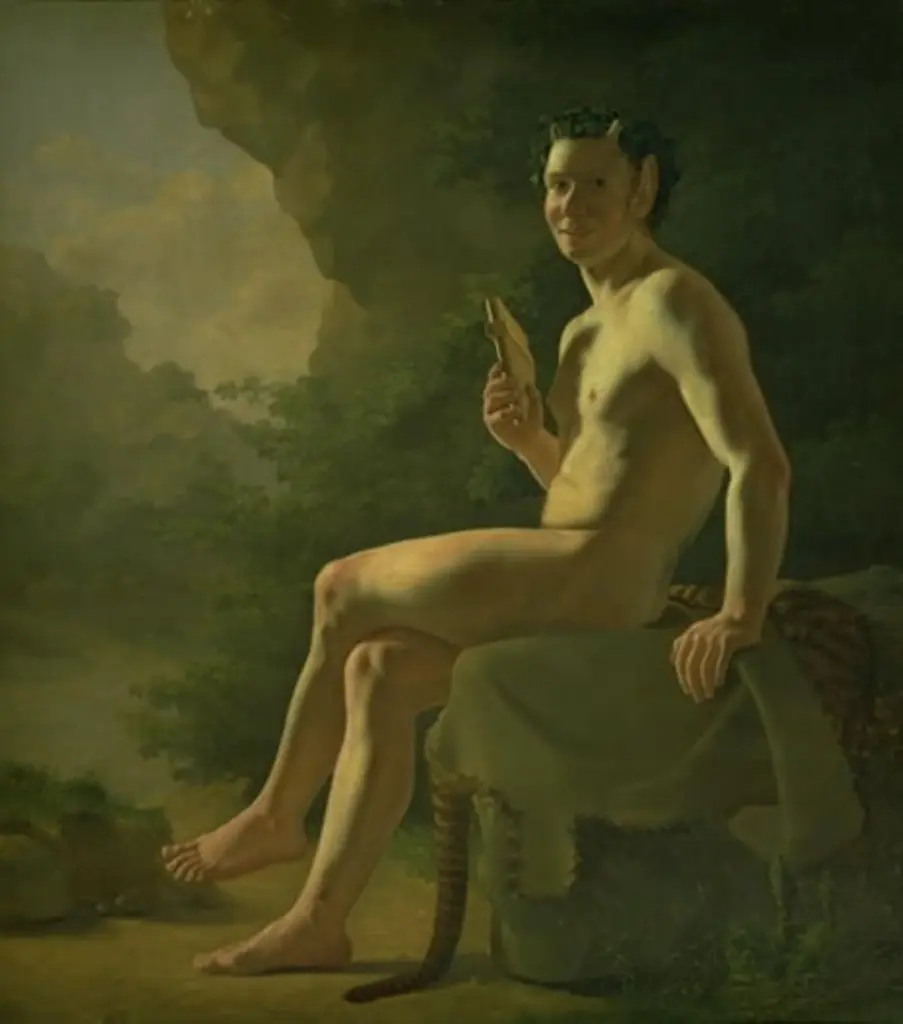 Young Pan in a Grotto. Model
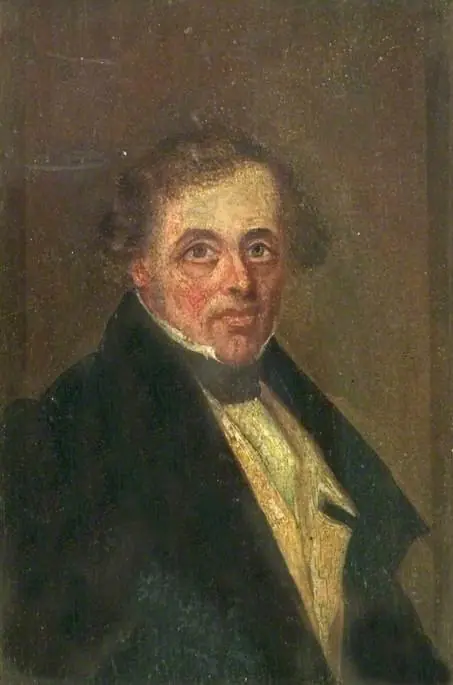 Mr Cooper
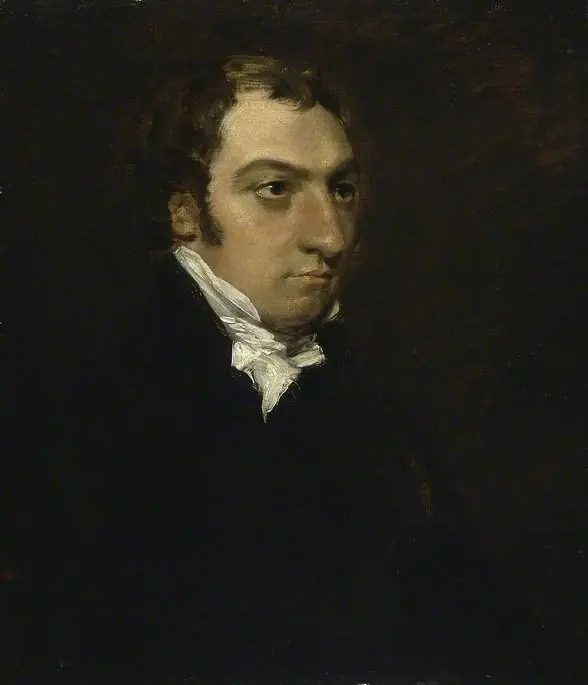 Archdeacon John Fisher
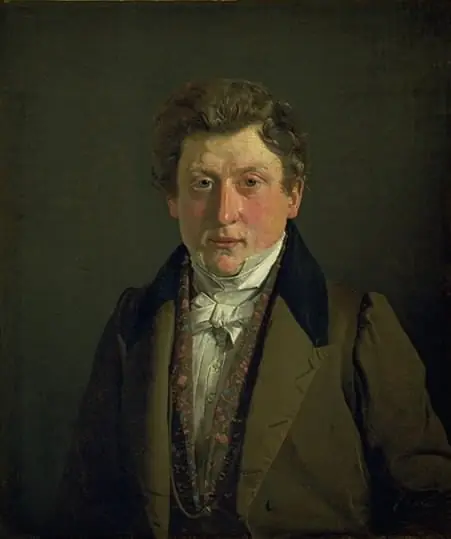 Portrait of the Artist´s Cousin and Brother-in-Law, the Grocer Christian Petersen
 Portrait of a Man
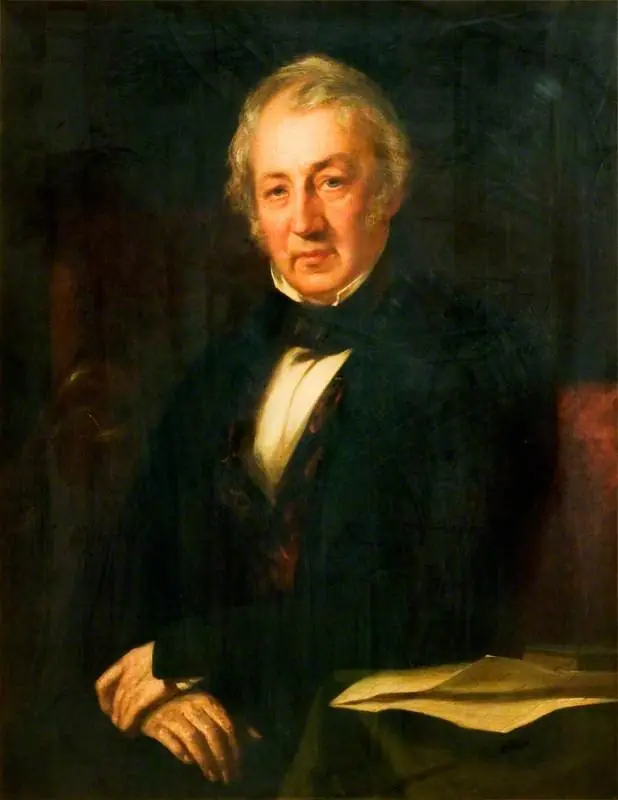 Andrew Ure (1778–1857), MD, FRS
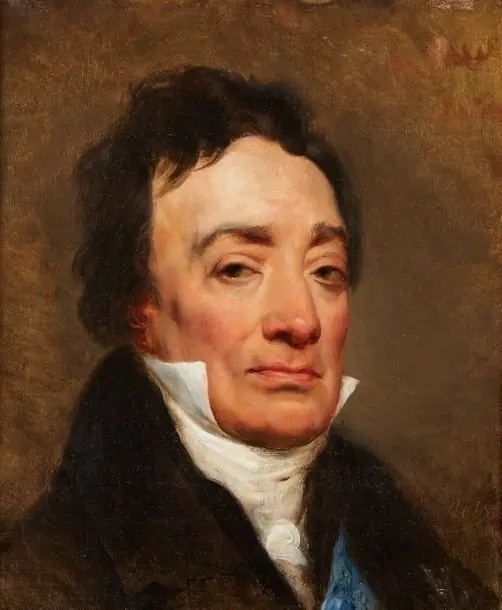 Charles Bernard, baron de Ballainvilliers (1757-1835)
 Portrait of Daniel O'Connell (1775-1847), Statesman
 John Richard Roberts (1822-1874)
 Jacob Gerard Koch
 Portrait of Etienne Perlet, 1804 - 1843
 Self-portrait
 Portrait of Zygmunt Vogel